

As we age, the mattress beneath us becomes more than just a place to sleep. Pressure points matter more, and the risk of spending extended time in bed increases. Finding the best mattress for elderly people means looking past softness alone to consider how well it supports the spine, whether it helps prevent bedsores during longer rest, and how easy it is to keep clean. We compared six mattresses suited to older adults and those helping them shop, focusing on the specifications that matter most: foam density, motion isolation, waterproof covers for practical caregiving, and certified safety standards. Two stand out for different reasons: the BedStory Queen Mattress for those still moving freely and changing positions at night, and the HOMBYS 5 for those needing clinical-grade pressure relief on a hospital bed.

Pros
- 800+ individually wrapped 2.0mm steel coils reduce partner motion transfer
- Gel-infused foam with open-coil system delivers 10X more airflow than foam beds
- CertiPUR-US certified, made without fiberglass or harmful substances
- 365-night trial period and 10-year warranty for peace of mind
Cons
- 14-inch height may require deeper sheets than standard options
- Firm feel may not suit side sleepers who prefer softer mattresses
- Hybrid construction adds weight, making it harder to move or rotate

Pros
- 5-zone memory foam targets pressure relief in back, hips, and shoulders
- Waterproof PU cover is machine-washable for convenient maintenance
- FDA registered medical device supports users up to 450 lbs
- Built-in foam side guards help prevent rolling or slipping off bed
Cons
- Standard 76-inch length may not fit all adjustable bed frames
- 6-inch thickness takes significant storage space when not in use
- Vacuum-sealed packaging requires space to unroll and expand fully
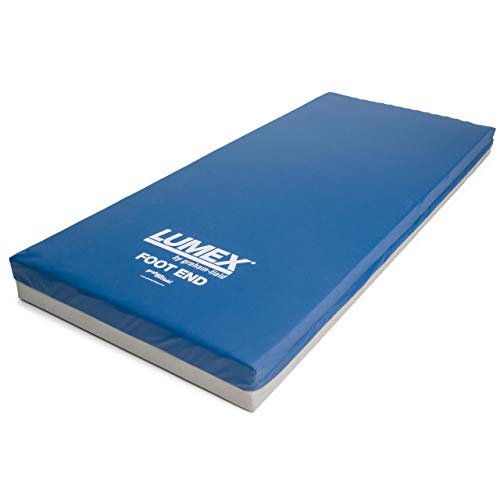
Pros
- Two-layer foam construction targets pressure relief
- Over 150 air pockets in egg crate topper disperse heat
- Fluid-resistant vinyl and nylon zippered cover
- Rolls and compresses for convenient home delivery
Cons
- Requires power adjustable base for personalized positioning
- Twin XL size may not fit all standard hospital bed frames
- Foam layers may retain heat without proper airflow circulation

Pros
- 5-zone design targets shoulders, back, hips, and legs
- FDA registered medical device meeting clinical safety standards
- Waterproof polyurethane cover is fully machine washable
- High-density foam core prevents sagging and distributes weight
Cons
- Requires 24-48 hours to fully expand after unboxing
- Fits only standard 36 inch x 76 inch hospital beds
- 4-inch thickness may feel firm for those preferring softer support
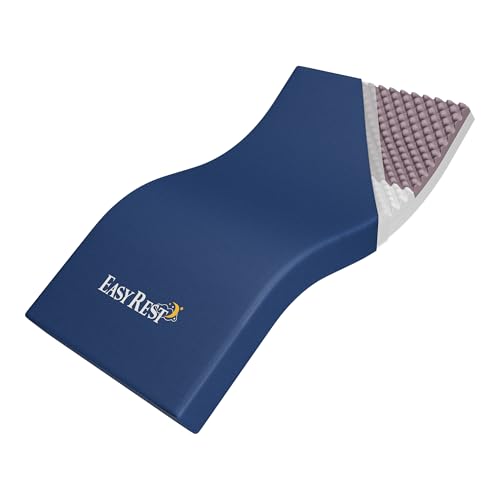
Pros
- Over 200 independent semicircular structures for targeted support
- Supports up to 500 lbs weight capacity for larger individuals
- Non-slip bottom eliminates need for corner fixing straps
- High-density foam maintains shape during extended use
Cons
- 6-inch thickness may be too thin for some existing bed frames
- Compressed delivery requires space to expand after unboxing
- No mention of waterproof cover for incontinence protection

Pros
- Medical-grade 1.8 density foam with 34 IFD firmness for durability
- Removable, latex-free polyurethane cover is washable and fluid-resistant
- Full anti-slip vinyl bottom prevents mattress shifting on bed frame
- Made in the USA with fire-protective safety layer
Cons
- 6-inch profile may be thicker than some existing bed setups
- Fortress cell design adds cost compared to basic foam mattresses
- Heavy medical-grade construction may be difficult to handle alone
A Closer Look at Our Top Pick
The BedStory Queen Mattress works well for older adults who sleep in a traditional bed frame and switch positions through the night. Its 800 individually wrapped coils are designed to isolate motion, which matters if your parent shares a bed and sleeps lightly. The gel-infused foam delivers 10 times more airflow than standard foam, helping keep the sleeping surface cooler during longer rest periods. The mattress is CertiPUR-US certified, meaning it was made without fiberglass or harmful chemicals. At 14 inches tall, it sits higher than some standard mattresses, which can make getting in and out easier for people with mobility concerns. The 365-night trial period and 10-year warranty give you time to confirm it feels right, and peace of mind if issues arise.
The main trade-off is firmness. This mattress is built for back sleepers and those with pain across the lower spine, but side sleepers who prefer a softer feel may find it too rigid. Its hybrid construction also adds weight compared to an all-foam mattress, which matters if your parent or you need to rotate it regularly or if caregivers must handle it during bed changes. If your parent switches sides frequently and wakes often from aching shoulders or hips, a softer option, a white noise machine, or one designed specifically for hospital beds may serve them better.
Find Your Situation
- : For older adults in a standard bed frame who change positions and want motion isolation. Watch out: firmness may not suit side sleepers.
- : For those spending longer periods in bed with mobility concerns and needing waterproof care. Watch out: side guards take up bed width space.
- : For hospital beds with pressure relief and heat dispersion from 150 air pockets. Watch out: requires a power-adjustable base for positioning.
- : For standard hospital beds where caregivers manage incontinence and need easy cleanup. Watch out: 4-inch thickness feels firmer than thicker options.
- : For larger individuals (up to 500 lbs) on a hospital bed with non-slip stability. Watch out: no waterproof cover mentioned for fluid protection.
- : For long-term bed rest with American-made durability and fire-protective layers. Watch out: medical-grade foam construction is heavier to reposition.
How We Narrowed It Down
We compared the published specifications of six mattresses designed for older adults, focusing on foam density, coil count, waterproof protection, and certifications rather than handling them in person. We excluded air mattresses, which require active power management, and pure latex options, since fewer products in this search offered them. We looked for options across three categories: traditional bed frames for active sleepers, hospital beds for those with mobility limits, and medical-grade choices for extended bed rest. Every mattress listed meets basic safety standards, but some carry FDA registration or CertiPUR-US certification, which we noted. If your parent has specific pain concerns or has recently had a fall or surgery affecting mobility, talking with their doctor or physical therapist will help point toward the right level of firmness and support. For local resources and in-person advice, the National Institute on Aging website offers evidence-based guidance on falls prevention and recovery.
What to Look For
Firmness that matches sleeping position
Firmness is personal, but it matters more as we age. Stomach and back sleepers generally prefer firmer surfaces that support the spine’s curve, while side sleepers need softer padding around shoulders and hips. Hybrid mattresses with coils and foam offer a middle ground: coils support while foam absorbs pressure. Memory foam without coils molds to the body but can feel warm. If your parent has lower back pain, a firm hybrid like the BedStory with 800 coils may help. If they sleep on their side, memory foam hospital beds offer more contouring, though they retain heat without active airflow. Pairing the right mattress with over-the-counter sleep aids may improve rest quality for some older adults.
Pressure relief for longer bed rest
Spending 20 or more hours a day in bed raises the risk of bedsores, also called pressure ulcers. Hospital bed mattresses use zone designs or air pockets to spread weight across different body parts rather than concentrating pressure on the back, hips, and heels. The HOMBYS 5 uses 5-zone memory foam targeting shoulders, back, hips, and legs. The Graham-Field Lumex adds 150 air pockets in an egg crate topper. The Invacare uses Fortress Shaped Cells for similar distribution. If your parent sits up often or is mostly immobile, pressure relief features become critical. A standard bed mattress, even a firm one, may not provide enough targeted support.
Waterproof covers for practical caregiving
If incontinence or other fluid accidents are a possibility, a waterproof, machine-washable cover saves time and stress. The HOMBYS 6 and HOMBYS 5 both feature waterproof polyurethane covers that wash at home, cutting down on laundry trips or mattress replacement. The Invacare and Graham-Field offer fluid-resistant covers as well. For additional protection beyond the mattress cover itself, consider waterproof mattress protectors. Machine-washable is especially valuable because spot-cleaning alone may not fully protect the foam inside from odor or mold over time.
Height and ease of entry for mobility
Getting into or out of bed becomes harder with age or after surgery. Most traditional mattresses sit 7 to 10 inches high from the floor. The BedStory at 14 inches sits higher, easing the strain on knees and hips when sitting on the edge. Hospital beds can be lowered or raised using a remote, which helps even more. If your parent stands and walks independently, a taller mattress saves effort. If they are bedridden or use a wheelchair lift, the height matters less, though caregivers appreciate adjustable beds for bathing and dressing tasks.
Weight and handling for caregivers
A mattress sounds like a small detail until a caregiver or family member needs to rotate it, flip it, or position it under someone. Hybrid mattresses with coils weigh more than all-foam versions. Hospital bed mattresses designed for clinical use tend toward denser foam, adding weight. The EASY REST Hospital and Invacare with high-density foam are meant to last through extended use but require two people to move safely. If you live alone with your parent or expect to manage repositioning often, a lighter foam-only option may be practical, even if it needs replacing sooner.
Before you buy: Confirm your bed frame or hospital bed dimensions
Mattress sizes vary more than many people realize. Standard hospital beds measure 36 by 76 inches, but some adjustable models have slightly different specs. The BedStory is a queen for traditional frames (60 by 80 inches). The HOMBYS 6 and EASY REST are 76 by 36 inches for hospital beds. The Graham-Field Lumex is Twin XL at 35 by 80 inches. Measure your bed frame or confirm the hospital bed model before ordering. A mattress that does not fit leaves you without a working bed and forces a return, delaying comfort and care.
When this is not enough: Talk to caregivers or the Eldercare Locator
If your parent has a pressure ulcer, severe arthritis pain, or a recent spinal injury, a mattress alone may not be enough. Repositioning schedules, specialized cushions, or medical skin care matter just as much. The Eldercare Locator, a public service connecting older adults and caregivers to local support services (1-800-677-1116), can link you with occupational therapists, nurses, or case managers who assess individual needs and recommend specific products or approaches. A 30-minute consultation often clarifies whether a mattress upgrade will help or whether other changes take priority.
Quick Tips for Choosing
- Measure your bed frame or hospital bed before ordering to avoid size mismatches.
- If your parent moves freely and changes position at night, a hybrid or firm foam mattress works well. If mostly stationary, pressure relief zones become critical.
- Machine-washable, waterproof covers simplify cleanup and extend mattress life if incontinence is a concern.
- Hospital bed mattresses are designed for extended rest and caregiving; standard bed mattresses suit those still mobile and independent.
- Denser, medical-grade foam lasts longer but weighs more, so consider who will handle repositioning.
- A 365-night trial period or extended warranty reduces risk if the mattress does not feel right after delivery.
Frequently Asked Questions
How often should an older adult replace their mattress?
A quality mattress lasts 7 to 10 years with regular care. Hospital bed mattresses and medical-grade foam may last longer under clinical conditions, but they can compress and lose support over time. If your parent is spending more time in bed or has developed new pressure points, it may be time to replace even a newer mattress. Adding comfort items like weighted blankets can also enhance sleep quality during the mattress’s lifespan.
Can a mattress prevent bedsores?
A good mattress with pressure relief zones helps reduce risk by spreading weight more evenly, but it is not a cure on its own. Regular repositioning every 2 hours, keeping skin clean and dry, and monitoring for early signs remain essential. Talk with a nurse or doctor about a complete prevention plan.
What firmness is best for back pain?
Firm to medium-firm mattresses generally support the spine better than soft ones, especially for back sleepers. However, personal preference and the location of pain matter. A physical therapist or doctor familiar with your parent’s condition can offer more specific guidance.
Is a hybrid mattress better than all-foam?
Both have strengths. Hybrids offer coil support with foam comfort and breathability. All-foam molds to the body and isolates motion, but may retain heat. Choose based on whether your parent sleeps hot, prefers a firm edge, and whether weight matters for handling.
Do I need a waterproof cover?
If incontinence, spills, or accidents are likely, a waterproof cover is practical and saves money on premature replacement. If your parent has full bladder control and rarely spills, a standard cover is fine.
What size mattress fits a hospital bed?
Most hospital beds use a 36 by 76-inch mattress, but some adjustable models differ slightly. Confirm your bed model or measure before buying. Returning a wrong-size mattress costs time and leaves your parent without a working bed.
Should I buy a mattress topper instead of replacing the mattress?
A topper adds comfort or pressure relief to an existing mattress but does not fix underlying problems like sagging or poor support. If the current mattress is worn, a new one is a better investment. If it is still firm but uncomfortable, a topper is a lower-cost option to try first.
Is CertiPUR-US certification important?
CertiPUR-US means the foam was made without harmful chemicals like formaldehyde and fire retardants, and tested for durability. It is a reliable sign of safety, though not every quality mattress carries it. FDA registration for hospital beds is a similar indicator of meeting medical standards.
Can two people comfortably share a queen mattress in old age?
A queen is 60 inches wide, offering 30 inches per person. As balance and mobility decline, 30 inches can feel tight, especially if repositioning is needed at night. If both partners are older or have mobility concerns, a king (76 inches) or two separate twin beds may work better.
What should I do if the mattress feels wrong after arrival?
Most quality mattresses come with trial periods of 30 to 365 nights. Use the trial to confirm comfort and support. If it does not work out, follow the return process quickly. Do not assume discomfort will improve after a few days if the core firmness is wrong.
Which One to Start With
The right choice depends on your parent’s current mobility, the type of bed, and whether caregiving tasks like managing incontinence are part of the picture.
If your parent still moves and changes position freely during the night and sleeps in a standard bed frame, start with . Its 800 individually wrapped coils reduce motion transfer if they share the bed with a partner, and the firm hybrid design supports the spine without feeling rigid. The 14-inch height eases getting in and out, and the 365-night trial gives you time to confirm firmness is right. CertiPUR-US certification means safe materials. The main limitation is that side sleepers may find it too firm, and its weight makes rotating difficult, but for a back sleeper who is still active, it delivers durable support.
If your parent spends most of the day in a hospital bed due to mobility limits or extended recovery, and you need to manage incontinence or frequent fluid accidents, the HOMBYS 5 is the practical choice. Its 5-zone memory foam targets pressure relief across shoulders, back, hips, and legs, which matters during long rest periods. The waterproof, machine-washable cover handles spills without requiring a new mattress, and FDA registration confirms it meets clinical safety standards. At 4 inches thick, it fits standard hospital beds (36 by 76 inches) without requiring deeper storage. The trade-off is that it feels firmer than thicker memory foam, and it needs 24 to 48 hours to fully expand after unboxing, so plan delivery a day or two before it is needed.
If your parent is larger or will spend extended time immobile and needs maximum durability, the