

Safety for elderly living alone means making your home secure, staying connected with loved ones, and having quick ways to get help if you need it. Whether you are an older adult living independently or helping a family member do so, small steps can make a real difference in staying safe and confident at home.
Make Your Home Safer to Prevent Falls
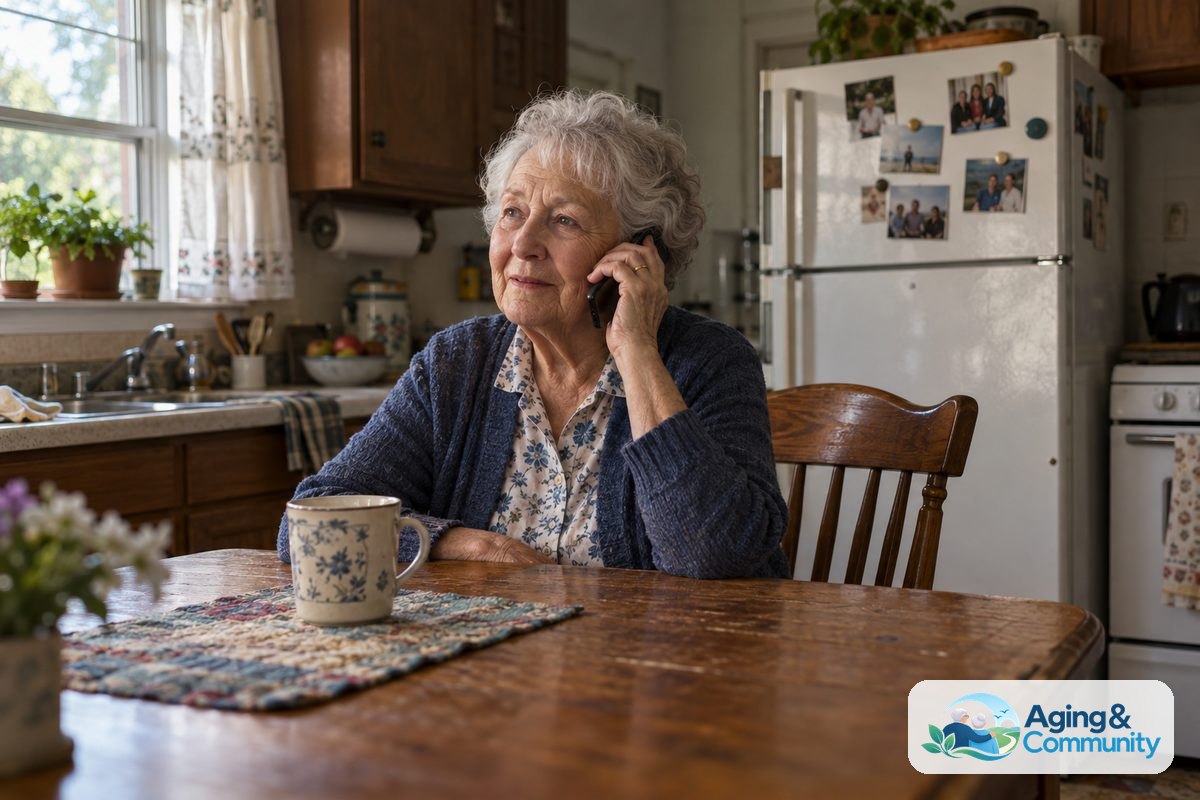
Falls are a common concern for older adults living alone. Falls and falls prevention starts with removing tripping hazards and adding support where you move around most.
- Remove throw rugs, clutter, and anything you could trip on in hallways and main rooms.
- Install grab bars in the bathroom near the toilet, tub, and shower.
- Add handrails on both sides of stairs.
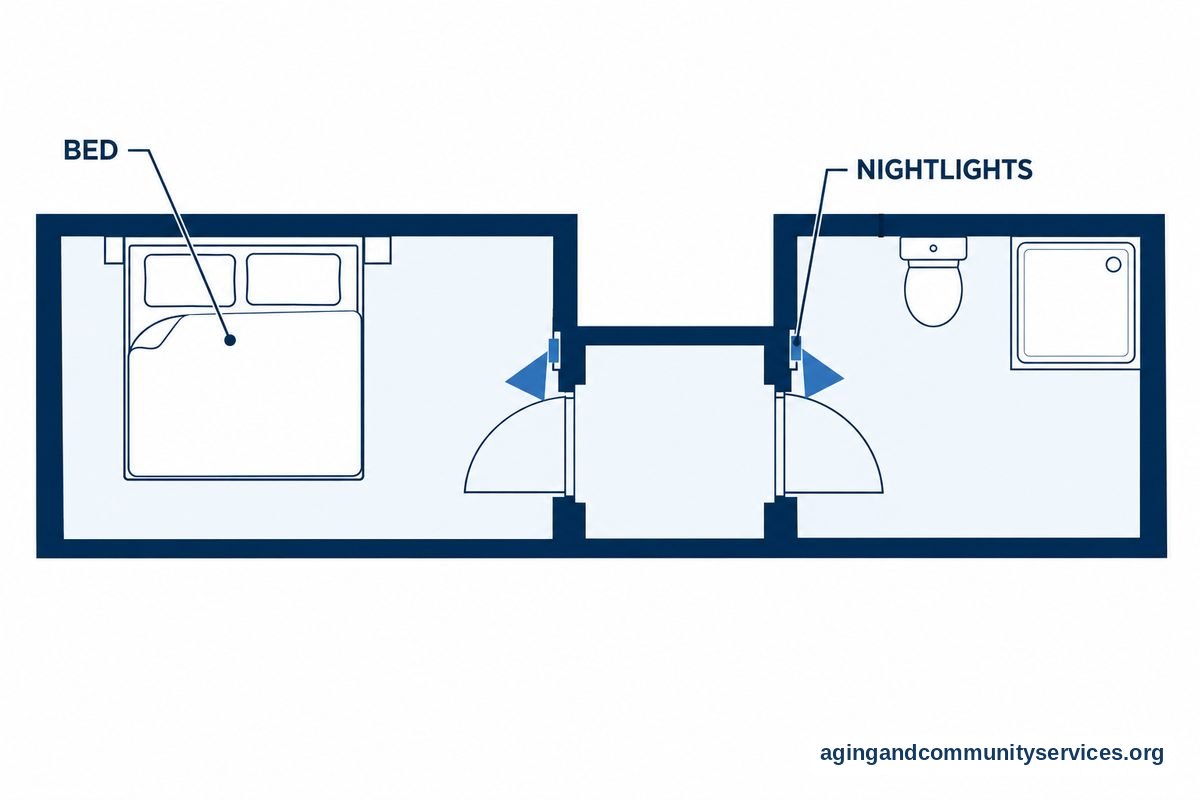
- Keep a clear path from your bedroom to the bathroom.
- Use a nightlight or flashlight so you can see at night.
- Wear shoes with good grip instead of slippers or socks.
- Place items you use every day at eye level to avoid bending or stretching.
If you have trouble with balance or strength, talk with your doctor, physical therapist, or occupational therapist about what changes would help most in your space.
Set Up a Regular Check-In System
Living alone means checking in with someone you trust is important. A regular check-in gives you peace of mind and makes sure someone notices right away if something is wrong.
- Choose a family member or close friend to call or text you every day at the same time.
- If you miss a check-in, have a plan for that person to call again or check on you in person.
- Let neighbors know you live alone so they can watch for anything unusual.
- Tell a trusted person where you keep your keys, important papers, and emergency contacts.
Some people use video calls so the other person can see them and know they are okay. Others prefer a simple phone call or text message. Pick what works best for you.
Use Safety Devices and Alert Systems
Several tools can help you get help fast if you fall, feel ill, or need quick support. Think about which devices make sense for your daily life and budget.
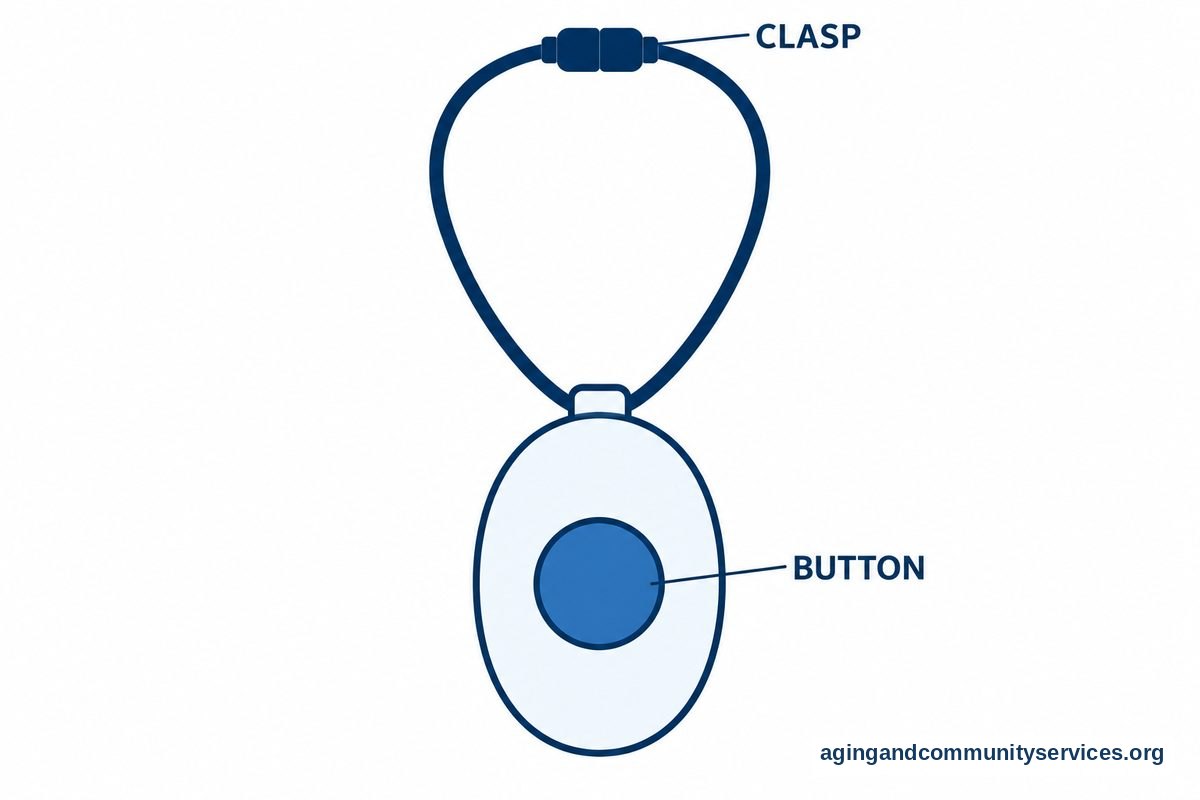
- Medical alert devices: A wearable button or pendant that you press to call for help. Some work in your home only, while others work anywhere.
- Smartphone apps: Many phones have fall detection or emergency alert features built in.
- Bathroom safety: A shower chair or toilet safety rails for elderly reduce the risk of slips.
- Door or bed sensors: These alert a family member or caregiver if you get out of bed or leave the house at night.
- Smart home devices: Lights, cameras, and speakers can help you stay aware of your surroundings and call for help.
Before buying a device, ask yourself how you would actually use it. A device only helps if you have it with you and know how to use it.
Keep Your Medications and Medical Information Safe
Managing medicines on your own is easier and safer when everything is organized and someone knows what you take.
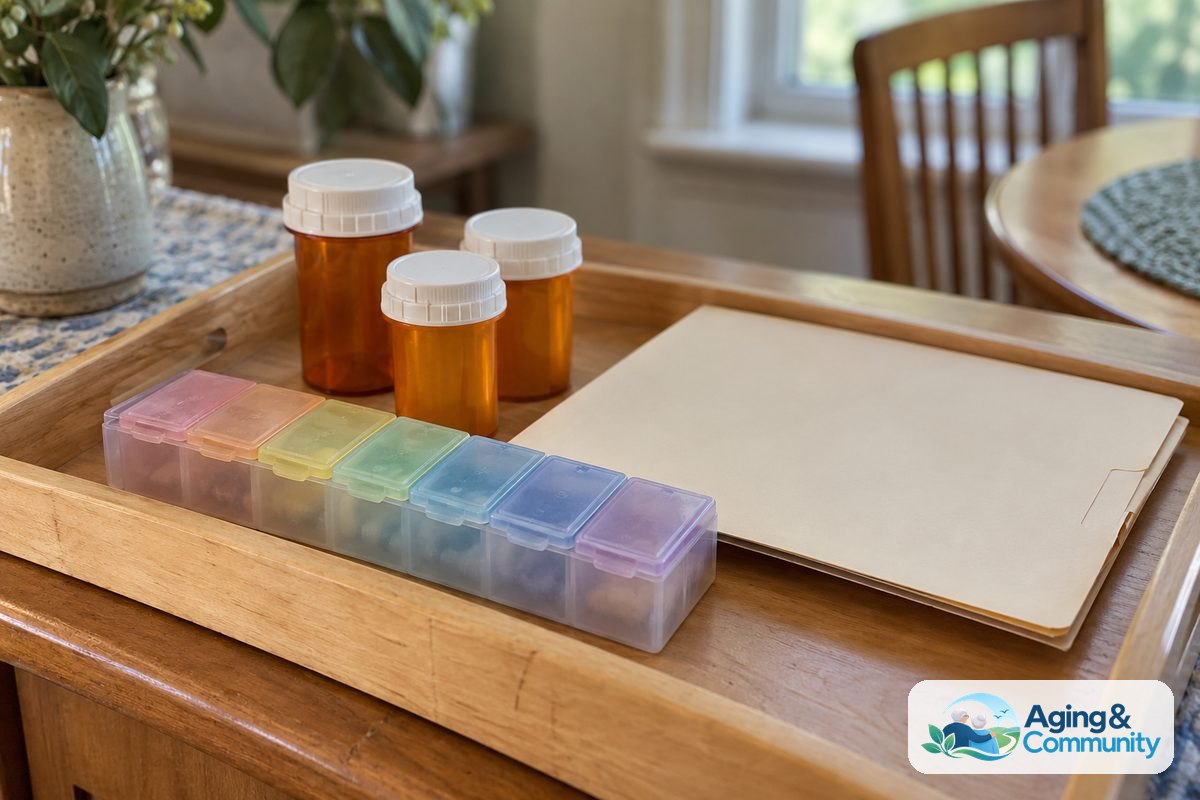
- Use a pill organizer or calendar to track what you take each day.
- Keep all bottles in one easy-to-reach place.
- Write down all your medicines, doses, and times on a list.
- Share this list with a family member, your doctor, and anyone who might help in an emergency.
- Set phone reminders for when to take your medicines.
- Keep a copy of your medical history, allergies, and emergency contacts on your phone or on paper in your wallet.
If you have trouble remembering doses or opening bottles, ask your pharmacist about a pre-filled blister pack or other options.
Plan for Emergencies and Aging in Place
Thinking ahead helps you stay safe and keep your independence as long as possible. Aging in place means staying in your own home as you age, but it takes real planning and support.
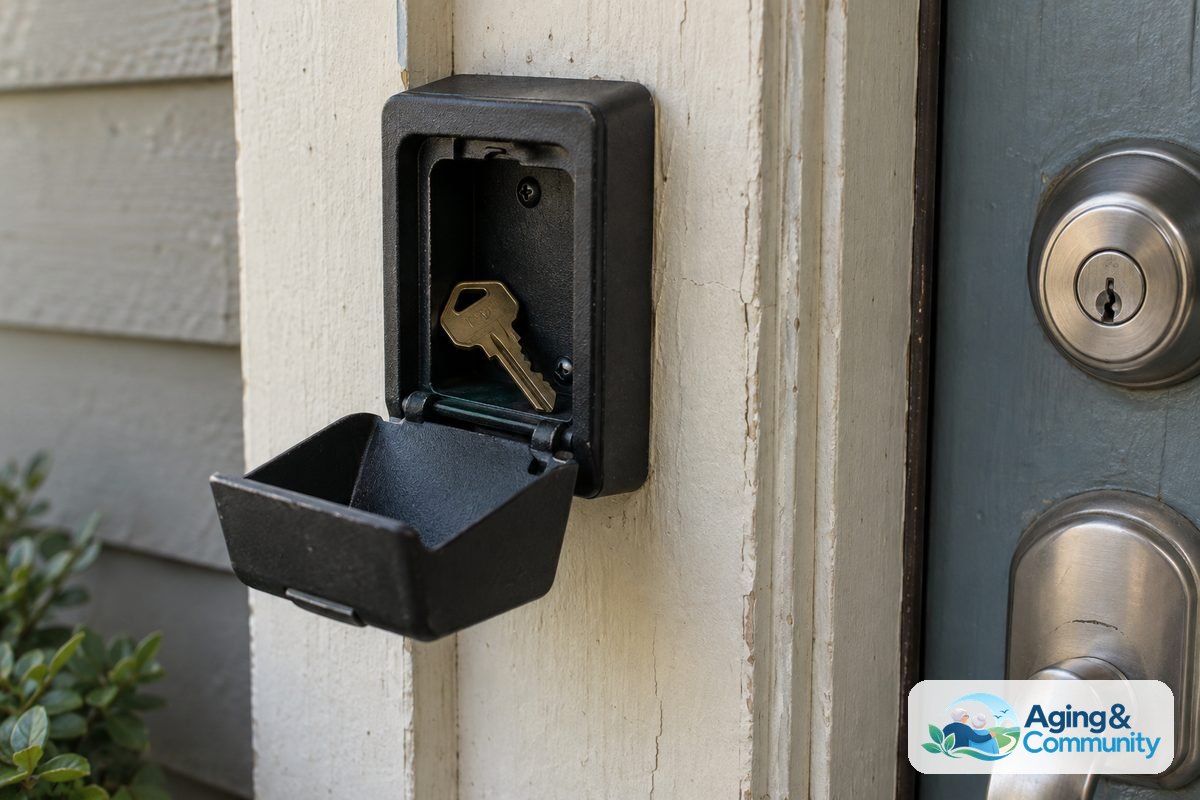
- Install a keypad or lockbox with a spare key so a trusted person can enter if needed.
- Know where your fire extinguisher is and how to use it.
- Have a battery-powered flashlight and first aid kit easily available.
- Keep important phone numbers written down, not just in your phone.
- Review your home safety with a family member once a year.
- Think about whether you will need help with household tasks like snow removal or yard work.
When you understand the challenges elderly living alone face, you can plan better and feel more prepared.
What to Do Next
Start with one or two small changes rather than trying to do everything at once. Pick the safety step that matters most to you right now.
- Walk through your home and write down tripping hazards you can remove this week.
- Call a family member or friend and set up a regular check-in time.
- Look into one safety device that fits your life and budget.
- Write down your medicines and share the list with someone you trust.
- If you need help with home changes or services, contact your local Eldercare Locator to find programs in your area.
You can also learn more about elderly living alone to understand what other resources and support might help.
Frequently Asked Questions
What are the best safety devices for seniors living alone?
The best device is one you will actually wear and use every day. Medical alert buttons, smartphone apps, fall detection watches, and bed sensors are all good options. Talk with your family and doctor about what would help you most in your daily life.
How often should someone check in on an elderly person living alone?
Daily check-ins are ideal. A phone call, text message, or quick visit at the same time each day helps make sure you are okay and gives everyone peace of mind. If you miss a check-in, have a backup plan so someone will follow up right away.
What home safety changes are most important for seniors living alone?
Remove tripping hazards, add grab bars in the bathroom, install handrails on stairs, and choose the right home support along with good lighting. These changes lower the risk of falls, which are the most common safety concern for older adults living independently.
How can elderly people living alone stay alert and aware?
Keep your phone with you, use a medical alert device, maintain your check-in calls, and stay in touch with neighbors and friends. Staying aware of your surroundings and having a way to call for help fast are the keys to feeling confident and safe.
Is it safe for seniors to live alone if they have health conditions?
Many older adults with health conditions live alone safely with the right support. Talk with your doctor about what safety steps matter most for your situation. A regular check-in, alert device, and organized medicine system can help a lot.
What should I do if an elderly person refuses to use safety devices?
Start by listening to why they don’t want to use them. They may find them bulky, uncomfortable, or embarrassing. Try different options and remind them that using a device gives you both more peace of mind and lets them stay independent longer.