

Grab bar placement in your shower is one of the most important safety steps you can take in your bathroom. These bars give you something secure to hold onto while you wash, stand, or move in and out of the shower. When bars are installed in the right places and at the right heights, they make showering safer and more comfortable for older adults.
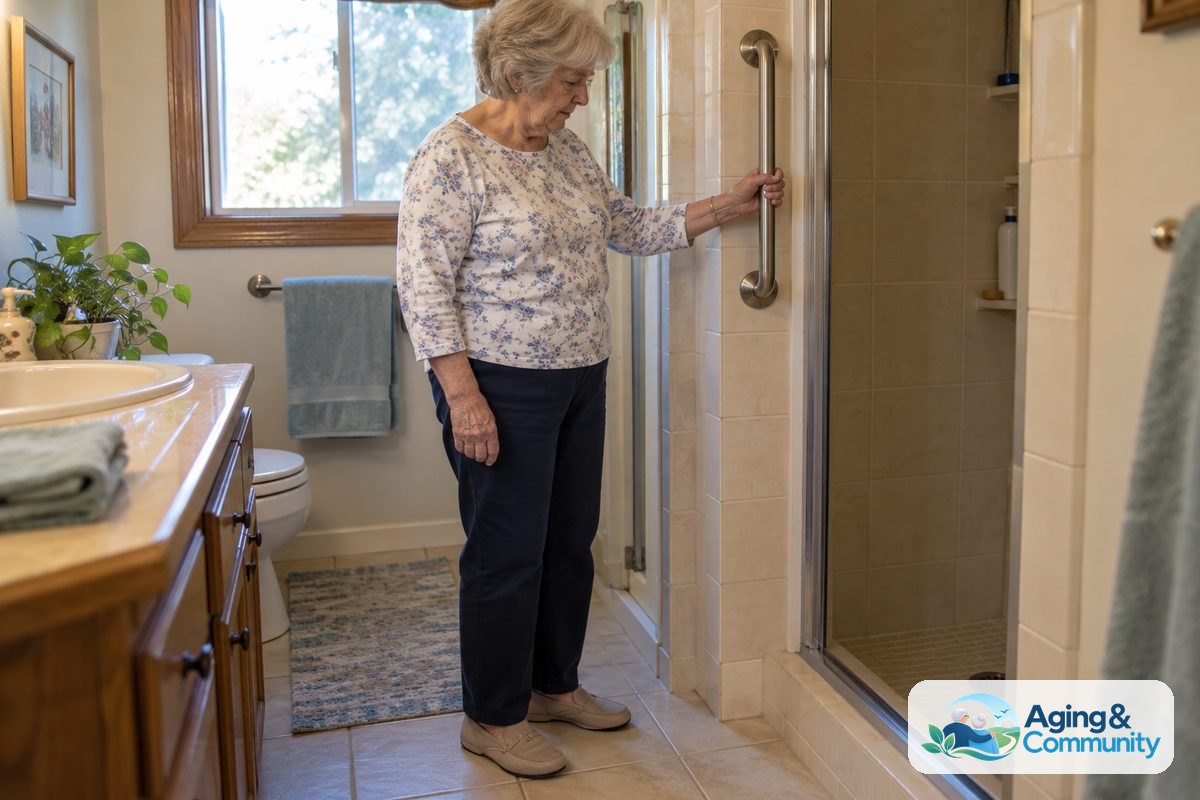
Steps for Installing Grab Bars in Your Shower
- Decide where you need bars. Most showers benefit from bars on the wall you face when entering, the back wall, and the wall next to where you stand. Think about where you tend to lose your balance or need extra support. This might be near the shower entrance, beside the toilet, or along the back wall.
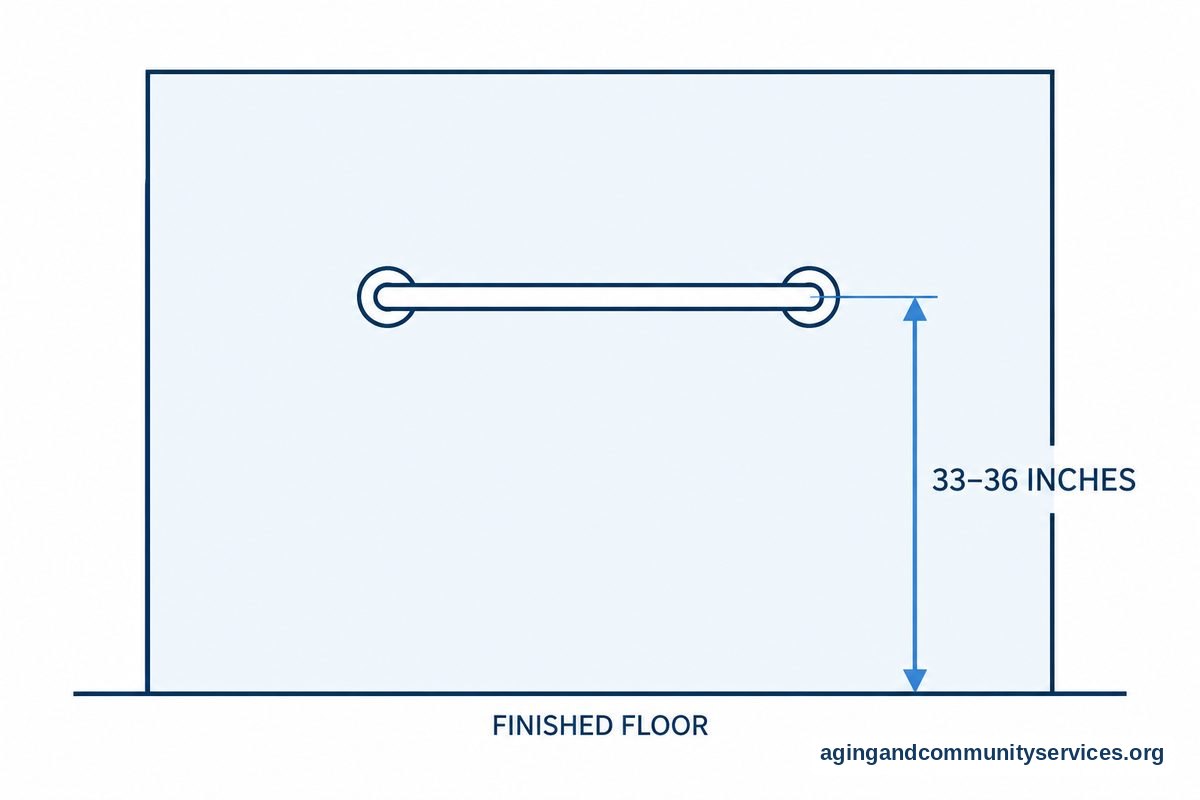
- Mark the correct height on the wall. A grab bar should be installed between 33 and 36 inches from the floor for most people. If you are taller or shorter than average, adjust this range by a few inches. Use a pencil to lightly mark where the bar’s center will be at this height.
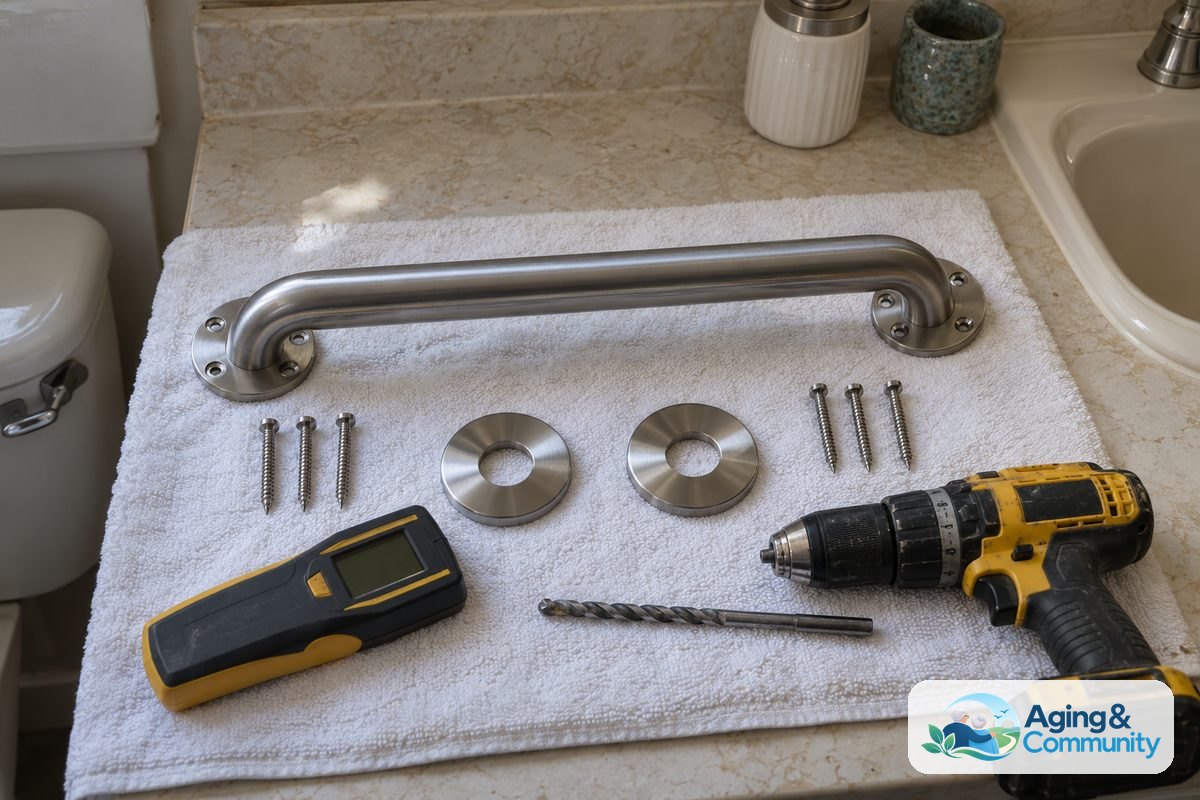
- Find the studs in your wall. Grab bars must be anchored to the wooden studs behind the wall, not just to drywall alone. Use a stud finder tool to locate studs, which are usually 16 inches apart. Mark the stud locations with your pencil.
- Check the bar length and angle. Most grab bars are 12 to 24 inches long. Horizontal bars work well along the back wall and near the entrance. Angled or vertical bars can help near the shower entrance or beside the tub. Choose what feels natural for how you move.
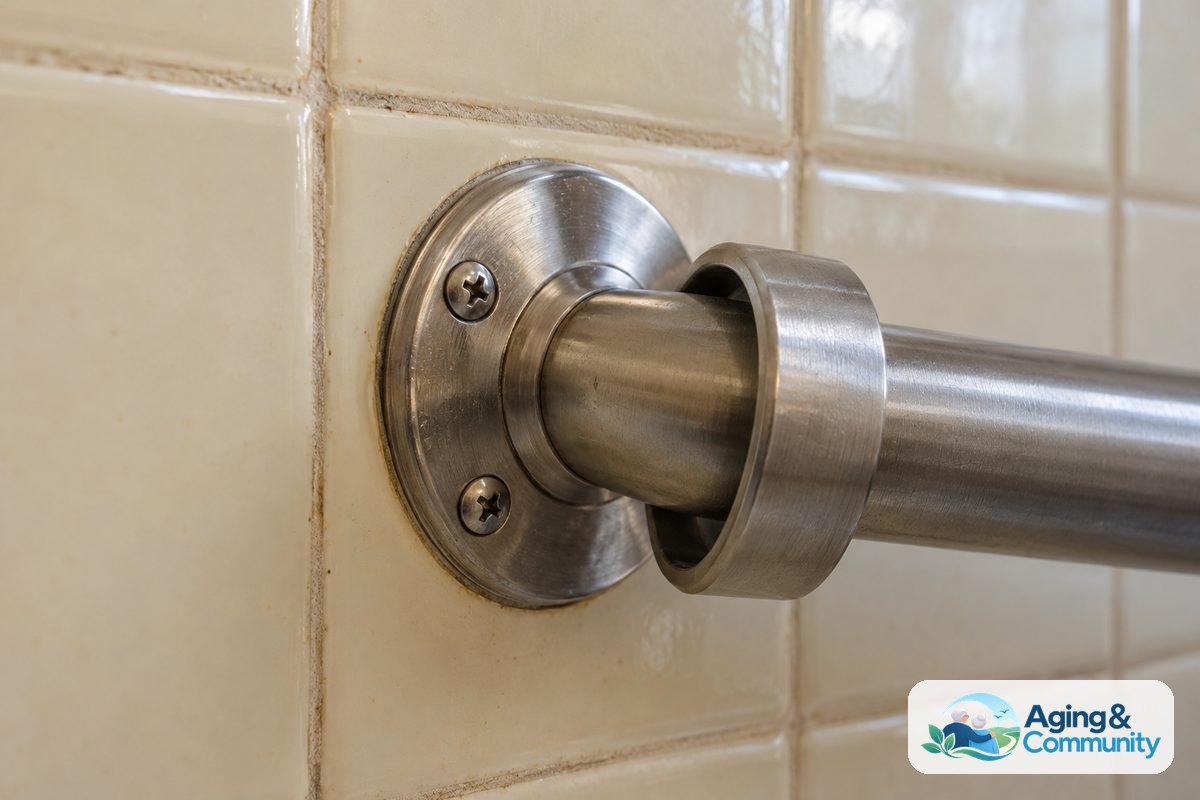
- Install the bar using the right fasteners. Use lag bolts or fasteners made for wet bathrooms. Drill pilot holes into the studs first, then screw the bar’s mounting brackets firmly into place. The bar should not move or wiggle when you pull on it with your full weight.
- Test the bar before relying on it. Grip the bar with both hands and apply firm pressure. It should stay completely still. If it moves at all, tighten the fasteners or call a professional to check your work.
Common Mistakes to Avoid
- Installing bars into drywall alone instead of into wall studs. This can cause the bar to pull away from the wall when you put weight on it.
- Placing bars too high or too low. Bars that are not at a natural working height for your arm and hand become harder to reach and less helpful.
- Using the wrong type of fasteners or hardware. Bathroom moisture requires corrosion-resistant bolts and brackets designed for wet environments.
- Installing only one bar when you need multiple bars. Most people benefit from bars in at least two or three locations for different parts of the shower routine.
- Not testing the bar’s stability before using it regularly. A loose or poorly installed bar can cause a fall instead of preventing one.
- Choosing bars that are too short to grip comfortably. Your hand should be able to wrap around the bar with room to spare.
When to Call a Professional
If you are not comfortable drilling into walls or finding studs, a handyman or contractor can install bars for you. You can also ask your doctor or physical therapist to recommend someone in your area. An occupational therapist can even visit your home to suggest the best placement for your specific needs and movements.
Call a professional if your walls are tile, if you are unsure about your wall structure, or if your first attempt did not result in a secure bar. A poorly installed bar is dangerous, so it is better to get help than to guess. The Eldercare Locator can help you find handyman services or home modification specialists near you.
Grab Bar Height for Shower Safety
The standard height for a grab bar is between 33 and 36 inches from the floor. This range works well for most adults because it puts the bar at a comfortable hand level when you are standing in the shower. If you are shorter, you might prefer the bar closer to 30 inches. If you are taller, 38 to 40 inches might feel more natural.
The key is to test the height before you finalize installation. Stand in your shower and hold your arm at a natural angle. The bar should align with your hand without making you reach up or bend down. A bar at the wrong height can actually increase your risk of falling instead of lowering it.
For walk-in showers, you may want bars at two different heights. One bar at the standard 33 to 36 inches works for most tasks. A second bar at 24 inches or lower can help you balance as you step into the shower or sit down on a shower chair.
Grab Bar Placement for Walk-In Showers
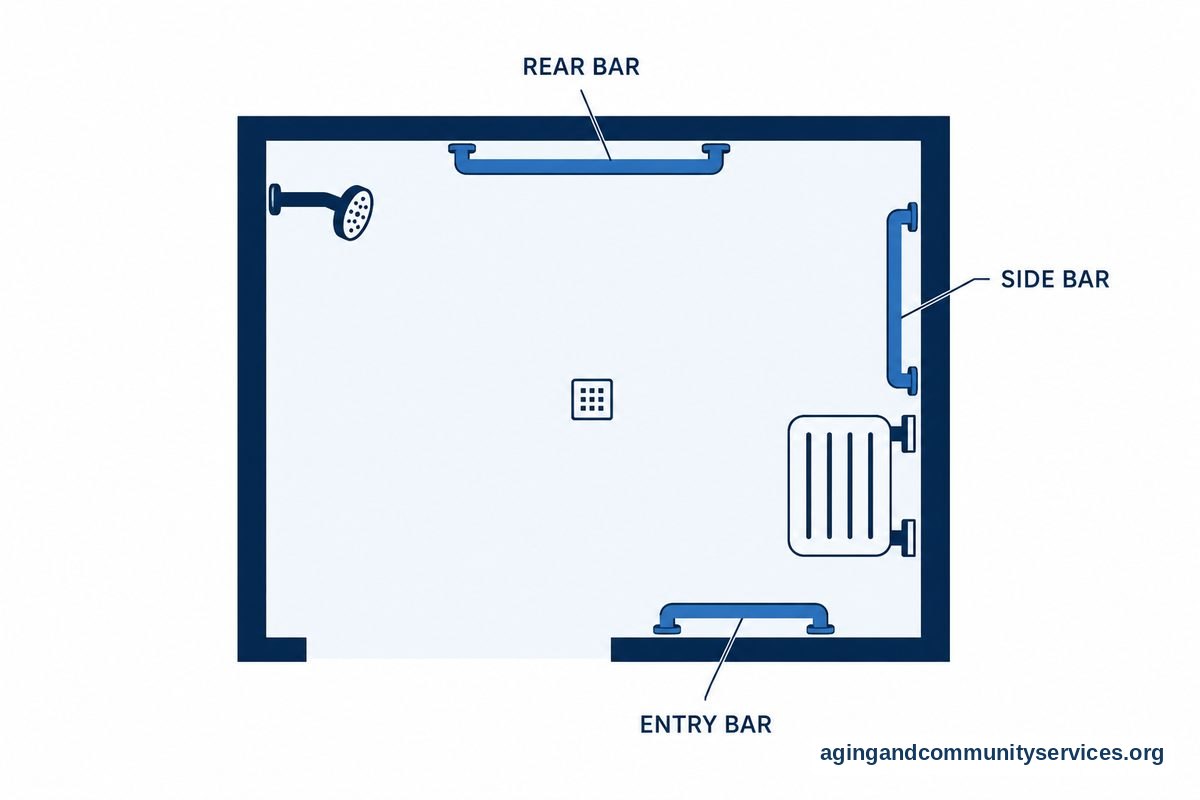
Walk-in showers have their own placement needs because you enter and exit differently than a standard tub. The most important bar is at the entrance, where you step in and out. Install this bar on the wall closest to where you grip as you enter. Position it between 33 and 36 inches high and make it at least 18 inches long so you have room to grip comfortably.
Inside the walk-in shower, place a second bar on the back wall or the wall you face most often. This bar supports you while you wash and move around. A third bar on the side wall can help you balance if you need to sit down or if you feel unsteady.
If your walk-in shower has glass walls or doors, ask your installer about bars that mount to glass or about reinforcing the wall behind the glass. Many modern grab bars are designed specifically for glass shower enclosures. Never rely on soap dishes or shelves as grab bars, as these are not designed to support your weight.
Pair your bars with other safety steps like a non-slip shower mat and a shower chair if you prefer to sit while bathing. Together, these tools make your shower much safer.
Frequently Asked Questions
What is the standard height for a shower grab bar?
The standard height is 33 to 36 inches from the floor to the center of the bar. This range works for most older adults, though you should adjust it by a few inches if you are significantly taller or shorter than average.
How many grab bars do I need in my shower?
Most people benefit from at least two bars: one at the entrance and one on the back or side wall. If you have a large walk-in shower, three bars work even better. Think about where you most often need support or feel unsteady.
Can I install grab bars into tile?
Yes, but it is more difficult than installing into drywall. You will need special anchors made for tile or a professional installer experienced with tile work. Call a handyman if you are not sure how to do this safely.
What size grab bar should I choose?
Bars typically range from 12 to 24 inches long. Longer bars give you more room to grip with your whole hand. For most showers, an 18 to 24 inch bar works well. Make sure the bar diameter fits you comfortably in your hand, usually between 1 and 1.5 inches.
Do grab bars need to be horizontal or vertical?
Most bars in showers are horizontal, which works well for supporting yourself as you stand and wash. Vertical bars can help near the entrance or for balance. Some people prefer angled bars. When deciding on bathing fixtures, choosing what fits you depends on what feels most natural for how you move in your shower.
How do I know if my grab bar is installed correctly?
A correctly installed bar should not move, wiggle, or make noise when you grip it firmly with both hands. Test it by pulling down and to the sides with your full weight. If it moves at all, it is not secure enough and needs to be reinstalled or checked by a professional.