Fall prevention games for seniors are simple activities that make balance, stepping, and reaching practice feel more like play than exercise. They can be done at home, in a community room, or with family, as long as the space is safe and the activity matches the person’s comfort level.
The goal is not to win or push hard. The goal is to move with care, build confidence, and notice when extra support from a doctor, physical therapist, or occupational therapist would be wise.
How to Choose and Play Fall Prevention Games Safely
- Start with a clear, open space. Move loose rugs, cords, low tables, pet toys, and clutter before starting. Good lighting and sturdy shoes can make the activity easier to follow.
- Pick games that match current ability. Choose seated games, supported standing games, or slow walking games based on how steady the person feels that day. If standing feels unsure, begin from a chair and build from there.
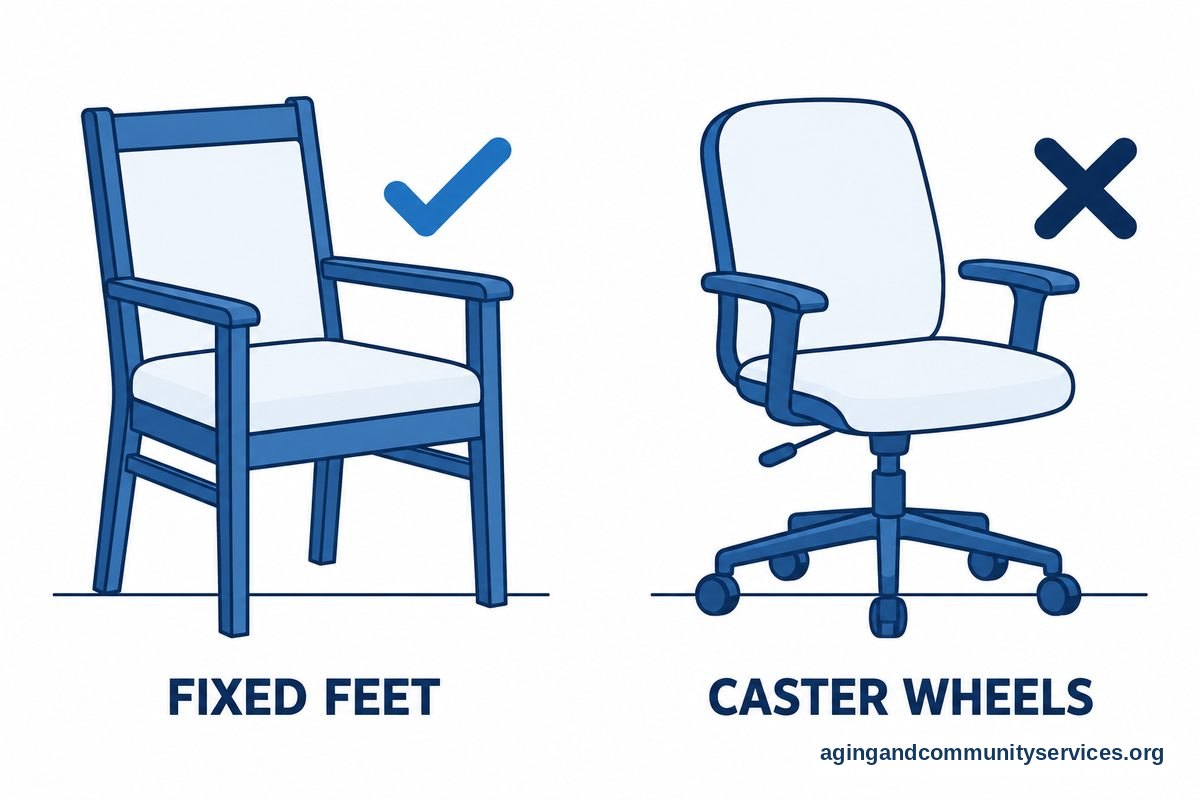
- Use a stable chair or counter nearby. A firm chair with arms, a kitchen counter, or a wall can offer support during turns, reaches, or pauses. Avoid rolling chairs or furniture that slides.
- Keep the rules simple. One or two directions at a time works well, such as step to a color, tap a balloon, or toss a beanbag. Simple rules help the person focus on safe movement.
- Go slow and take breaks. Games should feel calm, not rushed. Stop for water, breathing, or sitting whenever the person feels tired, dizzy, or unsure.
- Watch posture and foot placement. Encourage feet to stay about hip width apart and movements to stay small at first. A helper can stand nearby without pulling or grabbing.
- Make it social, not competitive. Use light scoring only if it feels fun. Praise steady effort, careful steps, and good choices instead of speed.
- Ask for professional advice when needed. If balance is changing, if there has been a recent fall, or if a new medicine seems to affect steadiness, talk with a doctor or therapist before adding harder games.
Common Mistakes to Avoid
- Making games too fast. Speed can make safe movement harder. Slow games still give useful practice.
- Playing on slippery floors. Socks on smooth floors, wet areas, and loose mats can raise risk. Use supportive footwear and a clear surface.
- Skipping warm-up time. A few gentle seated marches, ankle circles, or shoulder rolls can help the body get ready.
- Choosing games with sudden turns. Quick spins, backward steps, and surprise direction changes may not be a good fit for many people.
- Ignoring pain or dizziness. Stop the activity if something feels wrong. It is better to pause and ask for guidance than to push through.
- Using children’s games without changes. Many games can work well, but they often need slower rules, larger targets, and safer spacing.
When to Call for Help or Get Professional Advice
Call a doctor’s office if there has been a recent fall, a near fall, new dizziness, fainting, foot pain, vision changes, or a sudden change in walking. Tell them what happened, when it happened, what medicines are being taken, and whether the person uses a cane, walker, or other support.
A physical therapist can help choose movement games that fit strength, balance, and walking needs. An occupational therapist can suggest safer ways to set up the home, including chairs, lighting, bathroom areas, and daily routines.
The National Institute on Aging notes that checking the home, reviewing medicines, and staying active can lower the risk of falls, and its falls prevention guidance is a useful place to start. For local support options, the Eldercare Locator can help people find services in their area.
If fear is keeping someone from walking, leaving the house, or joining activities, it may help to read more about fear of falling and bring those concerns to a health professional. Confidence can improve when the plan is gentle, clear, and matched to the person.
Game Ideas for Balance, Strength, and Confidence
These ideas can be adjusted for seated, standing, or supported play. Keep a chair nearby, use soft items, and leave plenty of space between players.
| Game | How to Play | Safety Tip |
|---|---|---|
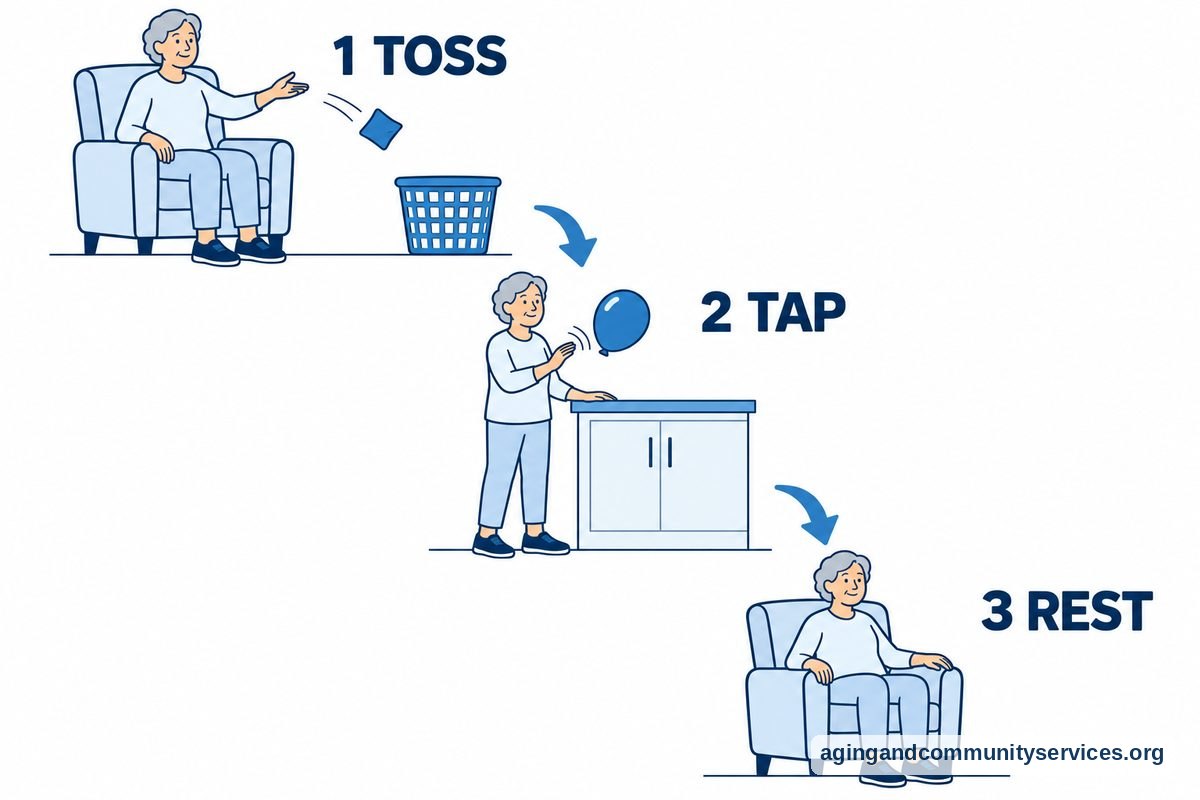
| Balloon Tap | Tap a balloon back and forth while seated or standing near a chair. | Keep reaches small and avoid leaning far to the side. |
| Color Step | Place colored paper on the floor and call out one color to step toward. | Tape paper flat so it does not slide. |
| Beanbag Toss | Toss beanbags into a basket from a seated or standing position. | Set the basket close enough to avoid overreaching. |
| Chair March Challenge | March in place while seated, then pause when the leader says stop. | Keep feet under the knees and sit tall. |
| Target Reach | Touch sticky notes or soft targets placed at shoulder height. | Place targets within easy reach, not high or far away. |
| Memory Movement | Repeat a short pattern, such as clap, tap knees, lift heels. | Use slow patterns and add only one move at a time. |
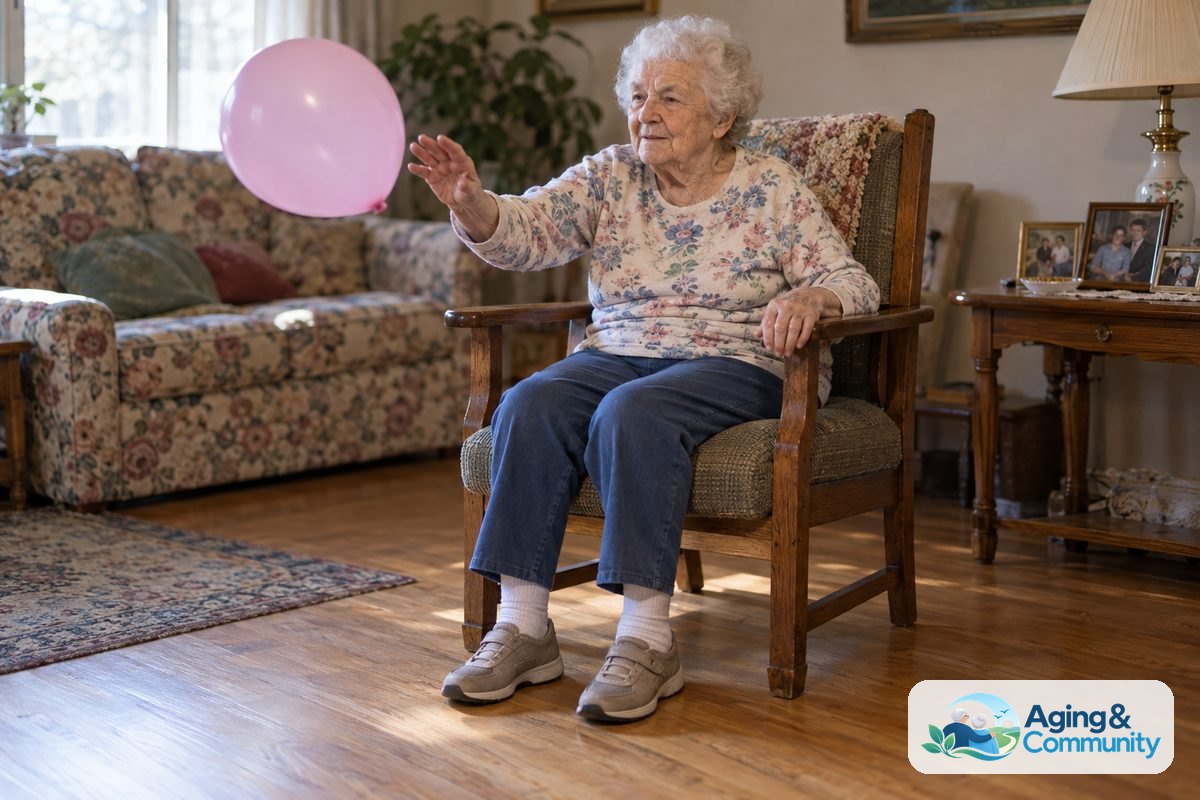
Balloon Tap works well because the balloon moves slowly. It gives time to react, and it can be played from a sturdy chair. If standing, the player can keep one hand near a counter or chair back.
Color Step is a simple way to practice planned stepping. Use large sheets of paper or flat floor markers and keep the steps small. A helper can call out colors in a calm voice.
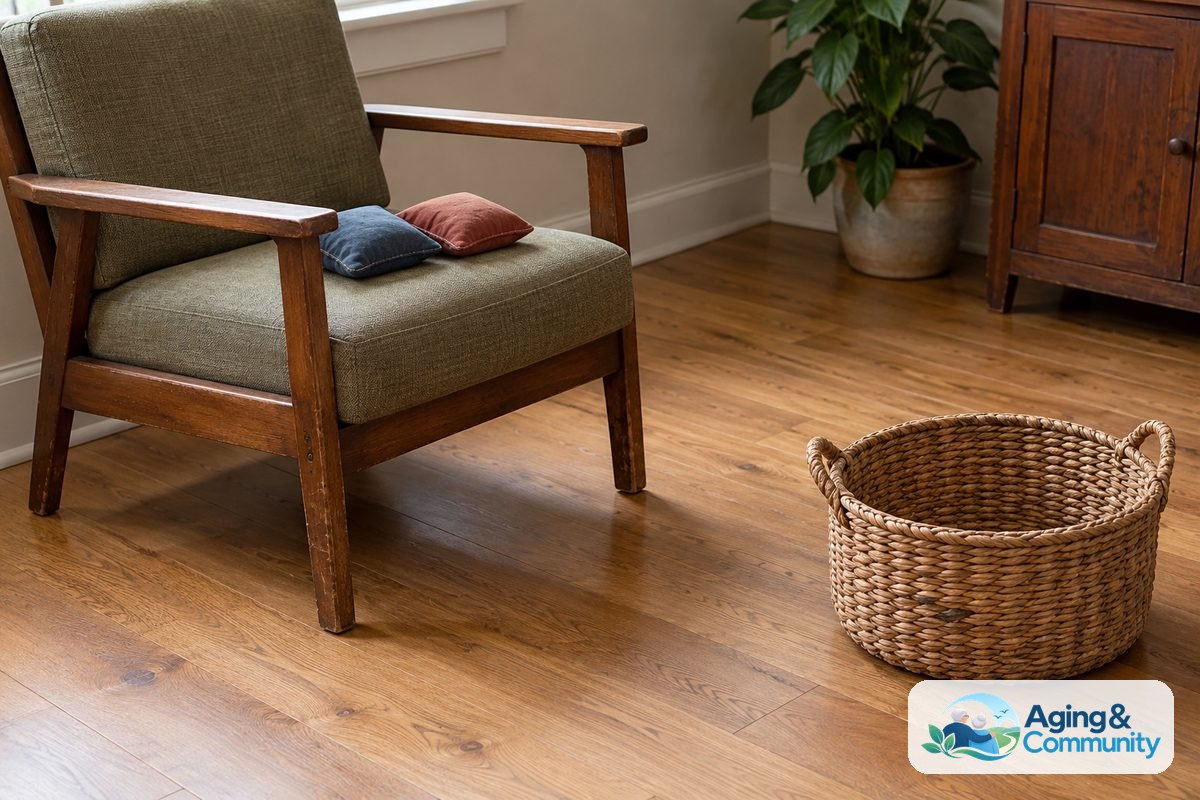
Beanbag Toss can be played with a laundry basket, box, or bowl. Start close, then move the target only if the person is steady and comfortable. The game should not require bending to the floor over and over.
Chair March Challenge is useful on days when standing feels like too much. Add gentle arm swings, heel lifts, or toe taps if they feel comfortable. Stop if breathing becomes hard or if there is pain.
For people who want a more structured routine, pairing games with fall prevention exercises can give more variety. Community classes may also help, and fall prevention programs can offer guided practice in a group setting.
How to Make Games Part of a Weekly Routine
A short, steady routine often works better than a long session that feels tiring. Try one or two games at a time, then stop while the activity still feels pleasant. Many people do well with a simple plan, such as a seated game, a standing game with support, and a cool-down.
Use the same safe setup each time. Good habits help the person know what to expect, and they make it easier for family members or friends to help. A printed fall prevention handout can be placed on the fridge as a reminder.
It can also help to keep a small activity note. Write down which games felt easy, which felt hard, and whether anything caused pain, dizziness, or worry. Bring that note to a medical visit or therapy session if balance concerns continue.
Games can be part of a larger home safety plan. For more general tips, review fall prevention at home and consider asking a professional to look at the person’s space, shoes, lighting, and daily routines.
Frequently Asked Questions
What Are Fall Prevention Games for Seniors?
They are simple activities that practice balance, stepping, reaching, or coordination in a playful way. Examples include balloon tapping, beanbag toss, color stepping, and seated marching games.
Can These Games Be Done While Seated?
Yes. Seated games can include balloon tap, beanbag toss, toe taps, heel lifts, gentle marching, and memory movement patterns. A sturdy chair with arms is often a good choice.
How Often Should Someone Play Balance Games?
Ask a doctor or physical therapist for advice that fits the person’s health and ability. In general, short and regular practice may be easier to keep up than long sessions.
What Equipment Is Needed?
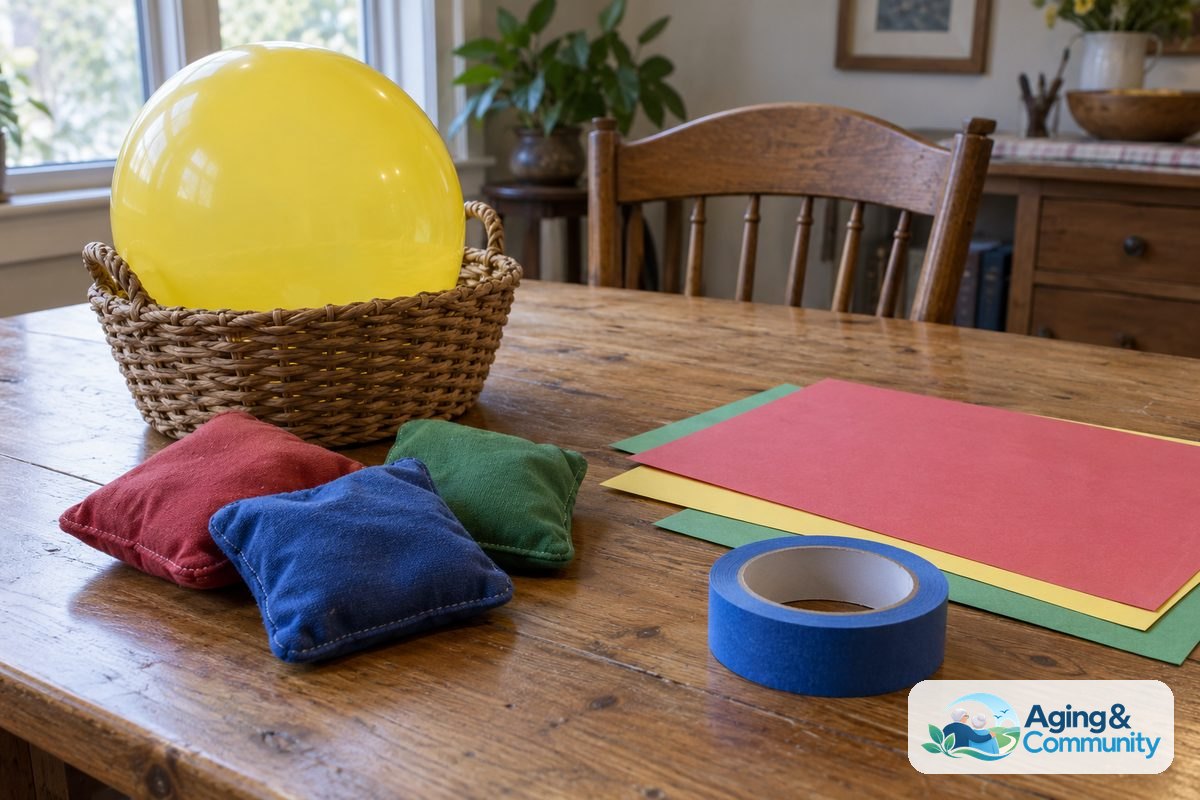
Most games need only simple items such as a balloon, beanbags, paper targets, painter’s tape, or a basket. The most important items are a safe space, good lighting, and stable support nearby.
Are Group Games Better Than Solo Games?
Group games can add fun and social support, while solo games can be easier to fit into a daily routine. The better choice is the one that feels safe, comfortable, and realistic.
When Should a Game Be Stopped?
Stop if there is dizziness, chest discomfort, new pain, shortness of breath, confusion, or strong worry about balance. Sit down, rest, and contact a health professional if symptoms continue or feel unusual.