

Safety in the elderly often starts with everyday choices at home, in daily routines, and in the way family members offer support. For older adults, a safer home is not about taking away independence. It is about making the space easier to move through, easier to use, and easier to manage with confidence.
A good safety plan is simple, respectful, and realistic. It should fit the person, the home, and the help available. Small changes, like better lighting, clear walkways, and easy-to-reach supplies, can make daily life feel smoother without making the home feel clinical.

Start With the Main Safety Risks at Home
Most home safety work begins by looking at the places where daily tasks happen. Walk through the home slowly and notice what gets in the way. Look for items that are hard to reach, floors that are hard to walk on, and areas that feel dim or crowded.
A helpful first step is to use a written home safety checklist so nothing important is missed. A checklist can also make family talks easier because it keeps the focus on the home, not on blame or control.
Common areas to review include:
- Entryways, steps, and walkways
- Bathrooms, tubs, and showers
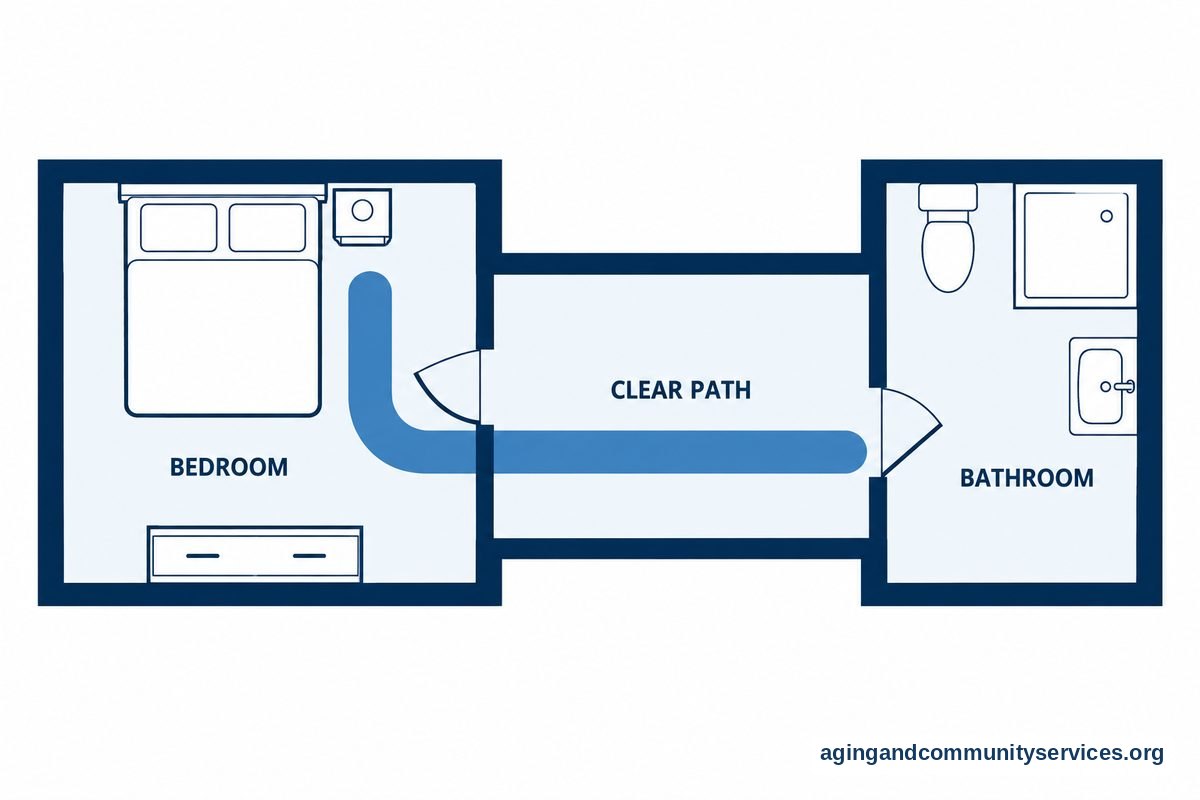
- Bedrooms and nighttime paths
- Kitchens and cooking areas
- Living rooms, rugs, and cords
- Medication storage and daily reminders
Try to focus on one room at a time. If the list feels long, start with the areas used most often. A few useful changes are better than a long plan that never gets finished.
Reduce Fall Hazards Without Changing the Whole Home
Falls are a common concern, but the goal is not to make the home feel restricted. The goal is to make movement easier and more steady. The National Institute on Aging explains that home changes, activity, and a care team discussion can lower the risk of falls.
Start with the walking paths. Remove loose cords, stacks of papers, low stools, and other items that can catch a foot. If throw rugs slide or bunch up, consider removing them or using a safer setup recommended by a qualified professional.
Lighting also matters. Add bright, even light near stairs, hallways, bedrooms, and bathrooms. Night lights can help with trips to the bathroom after dark, especially when switches are hard to find.
Footwear is another simple area to review. Shoes or slippers should fit well, stay on the feet, and have soles that grip the floor. If walking feels less steady than usual, it may be time to ask a doctor, physical therapist, or occupational therapist for guidance.
For a fuller room-by-room plan, a guide to fall prevention can help families think through lighting, floors, stairs, and daily habits in a calm way.
Make the Bathroom Easier and Safer to Use
The bathroom deserves special attention because it combines water, smooth surfaces, and tight spaces. A person may also be tired, rushed, or half awake while using it. Simple changes can make the room easier to use without taking away privacy.
Consider these bathroom updates:
- Use non-slip backing or non-slip surfaces where needed.
- Keep soap, shampoo, towels, and toilet paper within easy reach.
- Improve lighting near the sink, toilet, and shower.
- Keep the floor dry and clear of laundry or loose items.
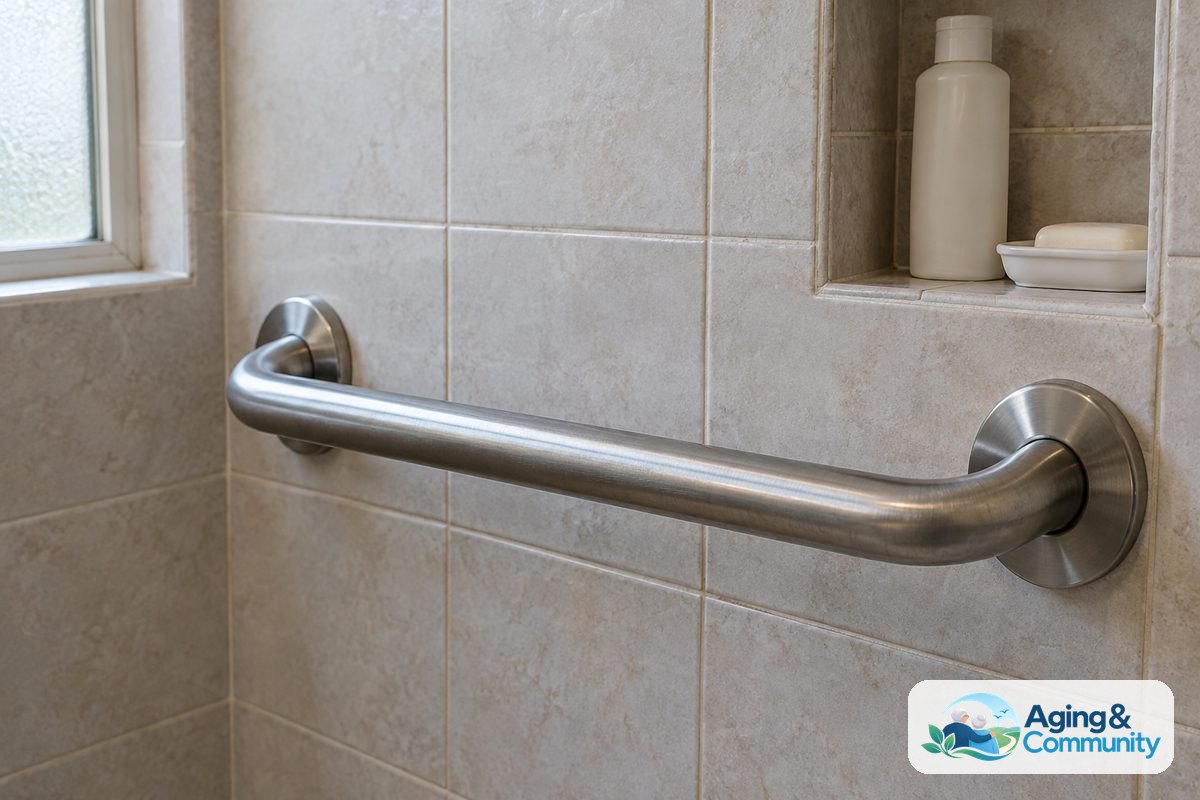
- Ask an occupational therapist about grab bars, shower seating, or layout changes.
Grab bars should be placed and installed with care. Towel bars are not a safe substitute because they are not made to support body weight. If you are not sure where a bar should go, ask a qualified professional before installing it.
A focused guide to bathroom safety can be useful when you want to review tubs, showers, toilets, lighting, and storage together.
Support Safe Cooking and Kitchen Routines
The kitchen is a place of independence, habit, and comfort. It can also become harder to manage if storage is too high, pans are too heavy, or counters are crowded. The goal is to make cooking and snacks simpler, not to stop someone from enjoying the kitchen.
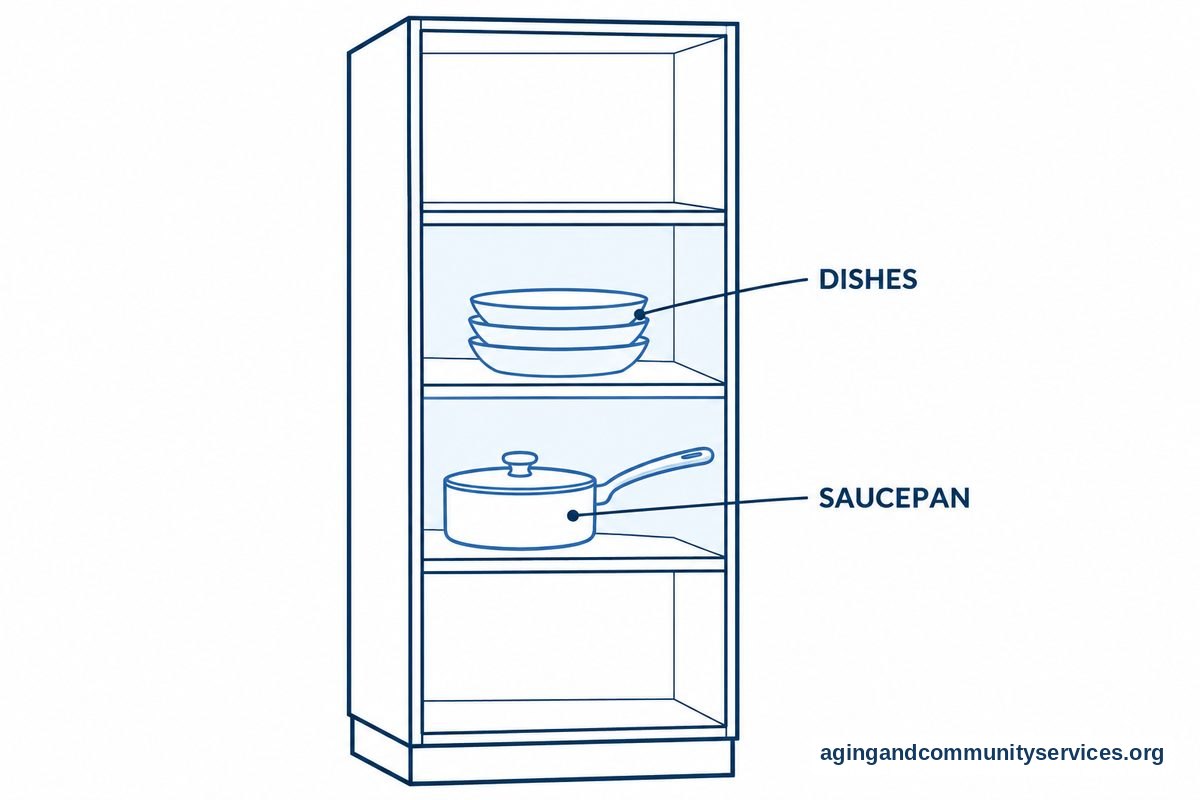
Move everyday items to easy-to-reach shelves. Place heavy pots, dishes, and small appliances between shoulder and waist height when possible. Avoid storing frequently used items on high shelves or low cabinets that require bending and reaching.
Clear counters can also help. Keep only the most used tools out. Store sharp items safely and make sure cutting boards do not slide during use.
Families can also talk about cooking habits in a respectful way. If leaving the stove on has become a concern, consider reminder notes, automatic shutoff options, simpler meal choices, or help from a caregiver. A doctor or occupational therapist may also offer ideas if memory, strength, or vision changes affect cooking.
For more room-specific ideas, review kitchen safety tips that focus on storage, lighting, appliances, and daily routines.
Plan for Living Alone, Visitors, and Emergencies
Safety is not only about the home setup. It also includes how a person gets help, stays connected, and handles small problems before they grow. A simple plan can give everyone more peace of mind.
Write down key contacts and keep the list in a clear place. Include family members, neighbors, doctors, the pharmacy, building staff, and any regular helpers. If the person uses a mobile phone, make sure important numbers are easy to find.
It can help to agree on a check-in routine. This might be a daily call, a text after breakfast, or a neighbor who stops by at a set time. The routine should fit the person’s wishes and not feel like surveillance.
If someone wants to stay at home as needs change, the National Institute on Aging has practical information on aging in place. Local programs may also help with rides, meals, home changes, or caregiver support.
For people who spend much of the day on their own, a guide to living alone safely can help families think through check-ins, home access, emergency plans, and daily routines.

Use Respectful Communication When Offering Help
Safety conversations can feel sensitive. A person may worry that family members are trying to take over. Start by asking what feels hard, what feels fine, and what the person would like to change first.
Use plain, specific language. Instead of saying, “This house is unsafe,” try, “I noticed the hallway is dark at night. Would a light there make it easier?” This keeps the focus on comfort and choice.
It also helps to offer options. For example, ask whether the person would prefer a brighter lamp, a motion light, or a night light. When someone has a say in the solution, the change is more likely to feel acceptable.
If there is disagreement, slow down. Pick one concern that matters most and leave the rest for another day. Safety planning works best when it protects dignity as well as physical comfort.
What You Can Do Next
You do not need to fix everything at once. Choose one small step that can be done this week. Then choose another when that change feels settled.
- Walk through the home during the day and again at night to notice lighting and trip hazards.
- Clear the most used walking paths, especially from the bed to the bathroom.
- Move daily items in the kitchen and bathroom to easy-to-reach places.
- Make a contact list and place it where it can be found quickly.
- Talk with a doctor, physical therapist, or occupational therapist if balance, walking, vision, memory, or daily tasks have changed.
- Ask the person what change would make the home feel easier or more comfortable.
If you need local help, the Eldercare Locator can connect families with community resources. You can also ask a local aging services office, clinic, or trusted community group about home safety programs in your area.
Frequently Asked Questions
What is the most important first step for safety at home?
Start with clear walking paths and good lighting. These changes are simple, low stress, and useful in many rooms. Focus first on the bedroom, bathroom, hallway, and entryway because they are used often.
How can family help without taking over?
Ask permission before making changes. Offer choices instead of giving orders. It helps to say what you noticed and ask what would make daily life easier.
When should we ask a professional for advice?
Ask a doctor, physical therapist, or occupational therapist when walking, balance, strength, vision, memory, bathing, dressing, or cooking has changed. These professionals can suggest safer ways to manage daily tasks and may recommend home changes that fit the person’s needs.
Are grab bars and shower chairs always needed?
Not always. Some people may find them helpful, while others may need different changes. An occupational therapist can help decide what equipment fits the bathroom, the person’s routine, and the way they move.
What should be included in a simple emergency plan?
Include key contacts, medication information, doctor and pharmacy names, home access details, and preferred hospital or clinic information if the person wants that included. Keep a copy in an easy-to-find place and review it with trusted helpers.
How often should a home safety review be done?
Review the home when there is a change in health, movement, vision, memory, caregiving, or living arrangements. It is also helpful to look again after furniture is moved, new rugs are added, or a room is used in a new way.