

Elderly fall prevention in care homes starts with everyday safety: clear walking paths, steady routines, good footwear, and staff who notice changes early. No setting can remove every risk, but careful habits and good communication can help lower fall risk, especially when the care team, family, doctor, physical therapist, and occupational therapist work together.
Falls are often linked to more than one thing at the same time. A person may feel rushed, the room may be dim, a call button may be out of reach, or a new medicine may cause dizziness. The goal is not to blame anyone. The goal is to make each day easier to move through safely.
Why Falls Happen in Care Homes
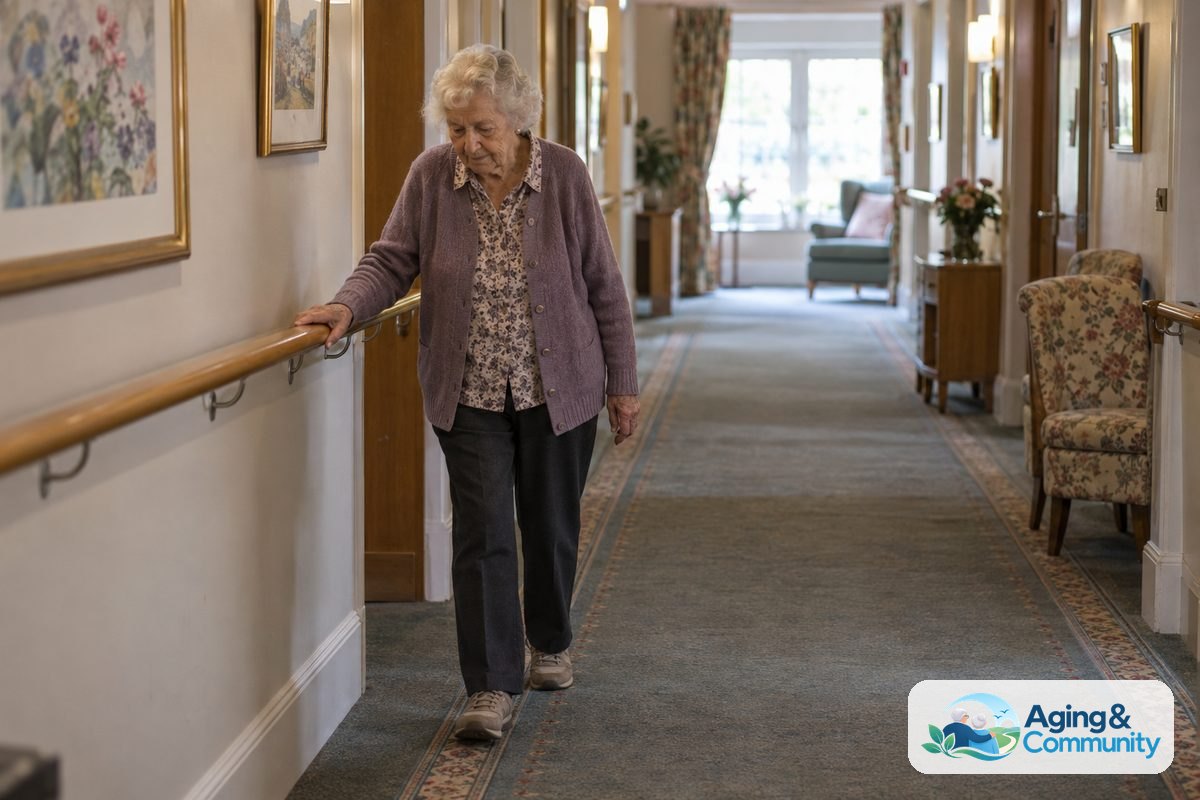
Falls in care homes can happen during ordinary moments, such as getting out of bed, walking to the bathroom, reaching for clothing, or turning too quickly. Many residents need help with balance, strength, vision, memory, or confidence. Small changes in the room or routine can make a large difference in how safe movement feels.
Common risk factors include clutter, wet floors, poor lighting, loose rugs, shoes that slip, and furniture that is hard to use. Personal changes matter too. Pain, tiredness, confusion, dehydration, or a change in medicine can affect how someone stands and walks.
If you want a broader look at causes, this guide on why elderly fall can help you prepare better questions for the care team. For general safety information, the National Institute on Aging explains that practical changes can help lower risk in its page on falls and prevention.
It is helpful to think of fall risk as changing over time. A resident may be steady one week and less steady after an illness, poor sleep, a move to a new room, or a new medication. Families can ask staff how changes are noticed and shared.
Room Setup That Supports Safer Movement
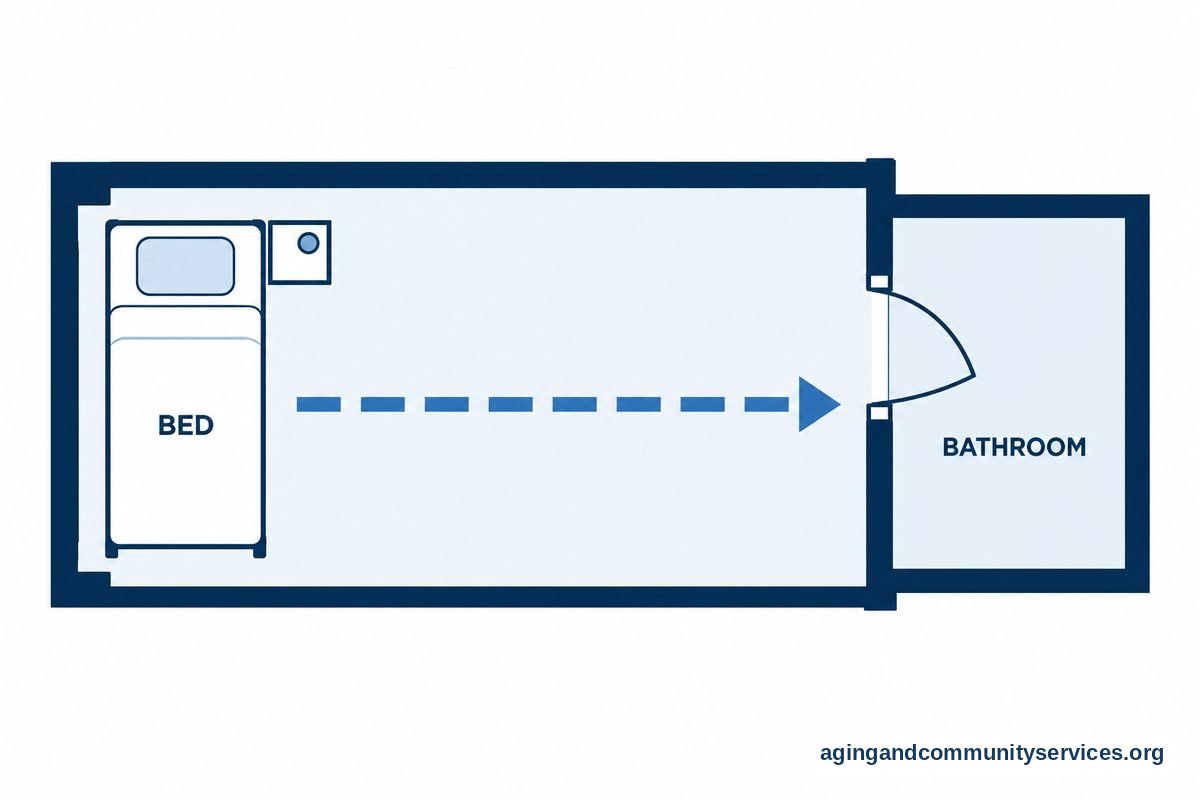
A well arranged room can make daily movement simpler. The safest layout is usually clear, calm, and easy to understand. The resident should not have to step around extra furniture or reach across the bed for important items.
Helpful room checks include:
- Keep the path from bed to bathroom clear.
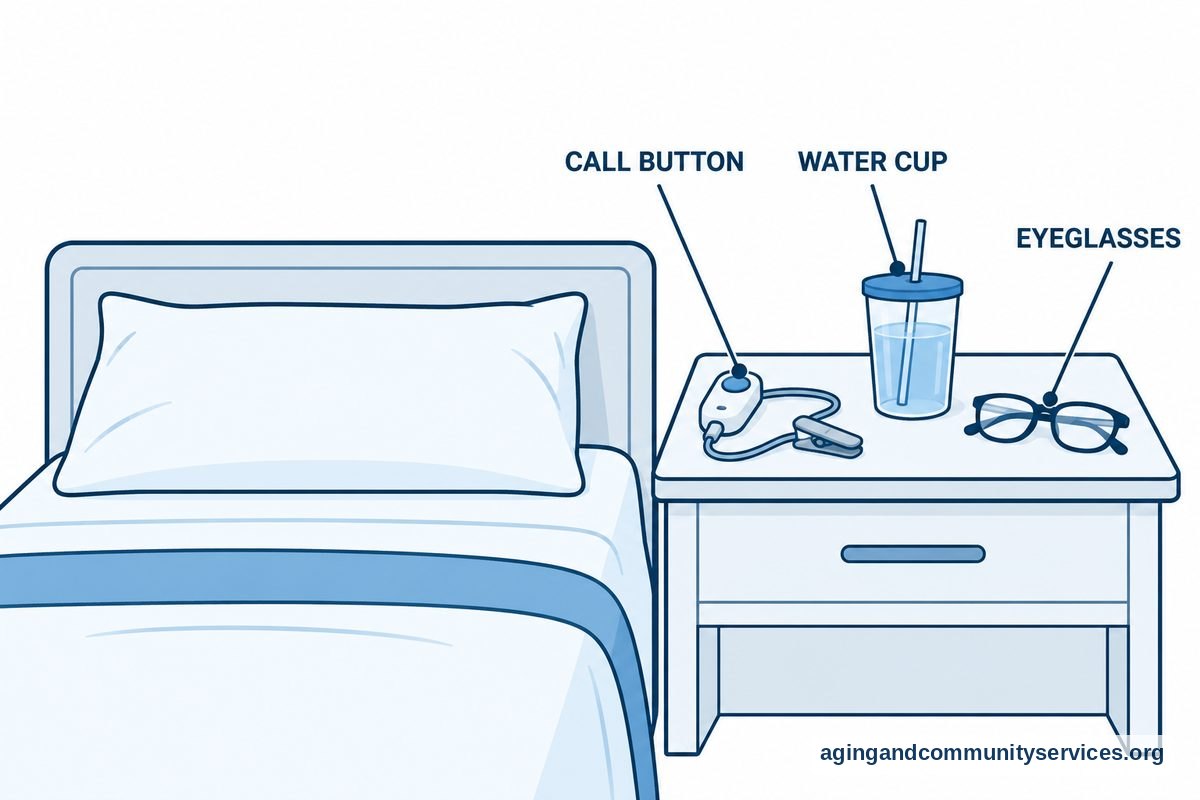
- Place the call button, phone, water, glasses, and tissues within easy reach.
- Use good lighting near the bed, bathroom, and doorway.
- Make sure shoes, slippers, and walking aids are easy to find.
- Ask staff to remove loose cords, clutter, and unstable furniture.
- Check that the bed height works for safe sitting and standing.
Bathrooms need special attention because many falls happen when people are hurrying or half awake. Grab bars, non slip surfaces, raised toilet seats, and shower chairs may help when recommended by the care team. Families can ask an occupational therapist to review the room if movement looks difficult.
Personal items can also affect safety. A favorite blanket that trails on the floor, a long robe, or slippers without grip may create extra risk. The best setup balances comfort with clear space and steady support.
Daily Routines That Can Lower Risk
Fall prevention in care homes is not only about equipment. It also depends on calm routines that match the resident’s habits and needs. When staff know when someone usually wakes, uses the bathroom, gets tired, or becomes restless, they can plan support at the right times.
Useful routine questions include:
- When does the resident usually need the bathroom?
- Does the resident try to stand without calling for help?
- Are there certain times of day when balance seems worse?
- Does the resident walk better after meals, rest, or therapy?
- Is the walking aid always nearby and in good repair?
- Do staff document changes in walking, strength, or alertness?
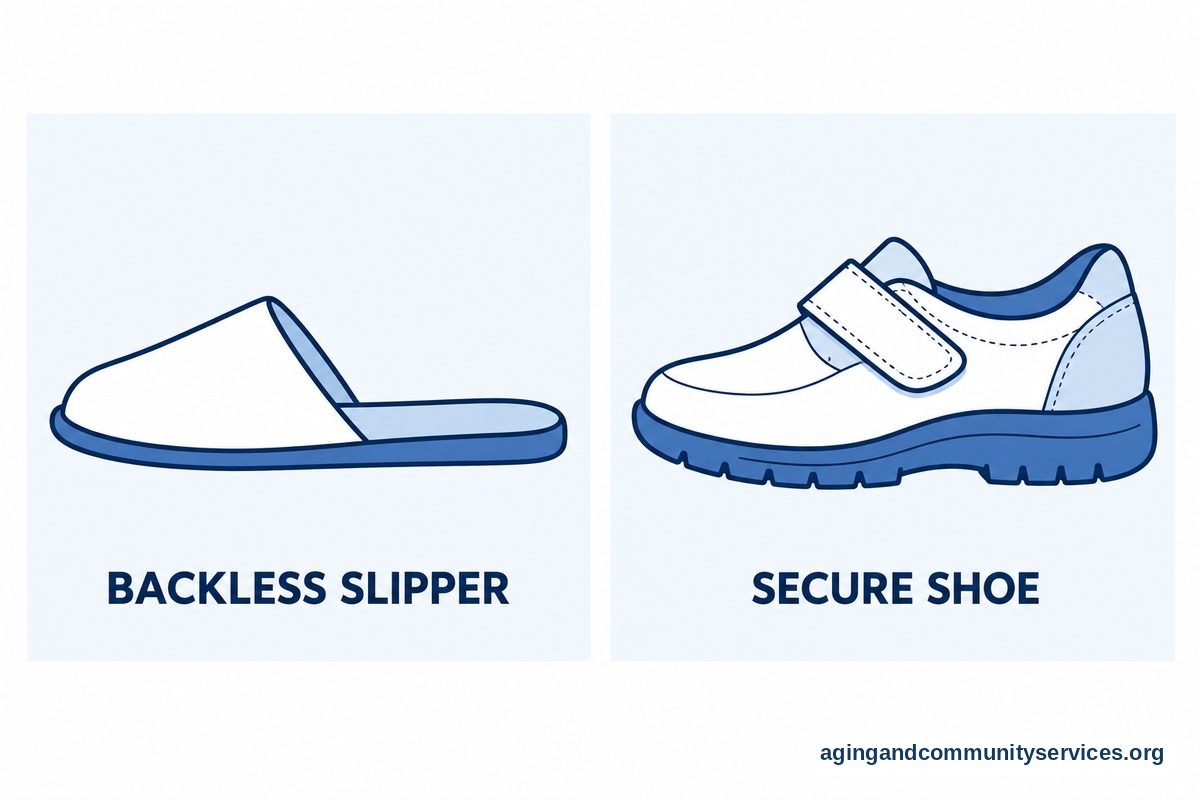
Good footwear is part of the daily routine. Shoes should fit well, have backs, and provide grip. Socks without grip can be slippery on smooth floors. If feet are swollen, painful, or hard to fit, ask the doctor, podiatrist, or therapy team for guidance.
Movement also matters. A physical therapist can suggest safe exercises, walking plans, transfer methods, or mobility aids. Families can ask whether the resident has been assessed and whether staff are using the same transfer plan across shifts.
For people living with memory changes, instructions may need to be simple and repeated with patience. This resource on falls and dementia may help families think through routines, cues, and room setup.
Staff Communication and Care Planning
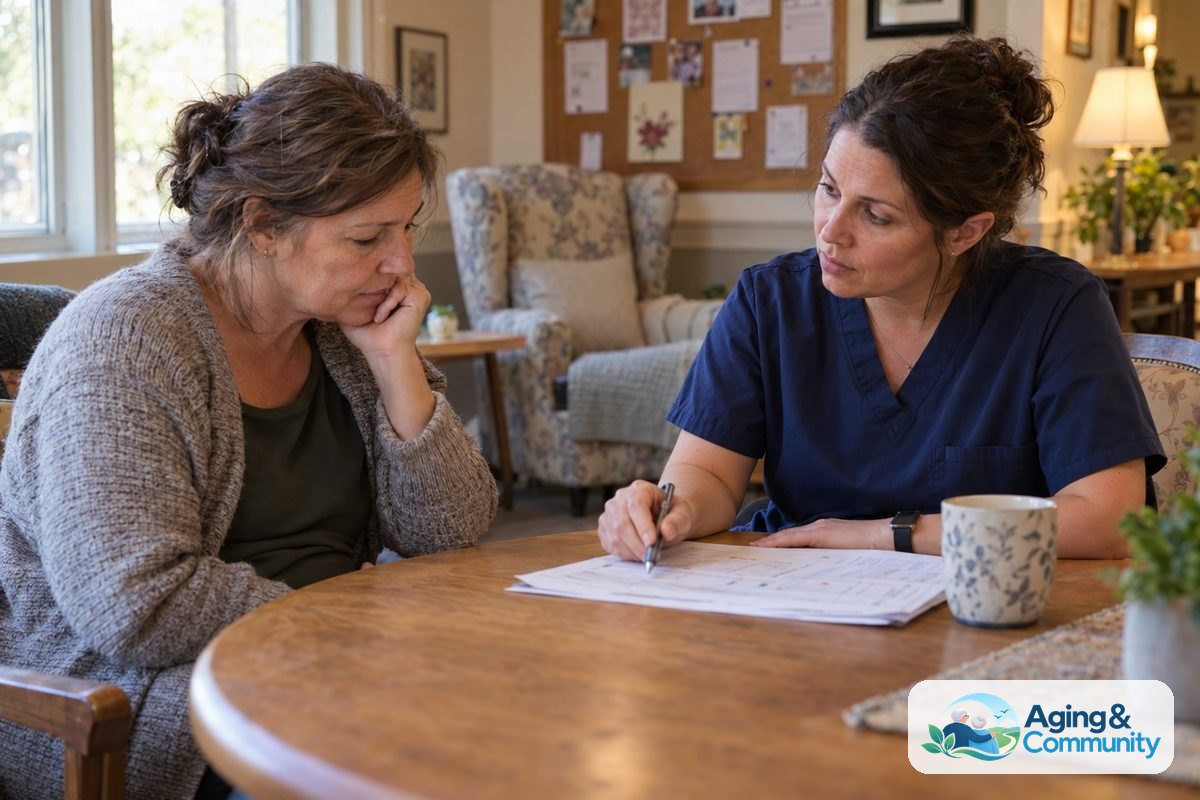
How to prevent falls in the elderly in nursing homes is partly a communication question. Families can ask how the care home identifies risk, updates care plans, and shares concerns between day, evening, and night staff. A clear plan helps everyone respond the same way.
A fall risk plan may include toileting support, transfer help, therapy input, footwear checks, room changes, vision or hearing support, and medication review by a qualified clinician. Families should not change medicines or mobility equipment on their own. Ask the doctor, pharmacist, physical therapist, or occupational therapist before making changes that affect health or movement.
Helpful care plan questions include:
- What changes have staff noticed in walking or balance?
- What help does the resident need when getting out of bed?
- How is bathroom support handled during the night?
- Has a therapist reviewed transfers and mobility aids?
- Are medicines reviewed if dizziness, sleepiness, or confusion appears?
- How will the family be told about changes or falls?
If a fall has already happened, ask for a calm review of what was learned. The goal is to understand the setting, time, footwear, lighting, activity, and support in place. This article on after an elderly fall can help families know what to ask without assuming fault.
Staff training also matters. Ask whether aides and nurses are trained on transfers, walking aids, call light response, and safe bathroom support. Consistent care is especially important when different staff members cover weekends or nights.
Health Changes to Discuss With Professionals
Some fall risks are tied to health changes that families and care staff should bring to a clinician. These can include dizziness, faintness, sudden weakness, foot pain, vision changes, confusion, sleepiness, or a new fear of walking. These signs do not always mean one specific problem, but they are worth discussing.
Medication changes are also important to review. Some medicines can affect alertness, blood pressure, balance, or bathroom urgency. A doctor, nurse practitioner, or pharmacist can review the medicine list and decide whether any changes are appropriate.
Vision and hearing support can affect movement too. If a resident cannot see the floor clearly or hear staff directions, walking may become harder. Make sure glasses are clean and nearby, hearing aids are working if used, and the room is bright enough without glare.
Nutrition and hydration should be discussed with the care team, especially if the resident is eating or drinking less than usual. Weakness, tiredness, and lightheaded feelings should be shared with a clinician. Families can ask what is being tracked and how concerns are reported.
The National Council on Aging notes that many practical steps can lower risk, including talking with health care providers, reviewing medicines, and checking vision, in its overview of falls prevention facts.
What Families Can Do During Visits
Family visits can support fall prevention for seniors in nursing homes without taking over staff duties. A visitor may notice small changes because they know the resident’s usual habits, voice, walking style, and comfort level. Share observations kindly and clearly with the care team.
During visits, look for practical details:
- Is the call button within reach?
- Are shoes or slippers safe and easy to put on?
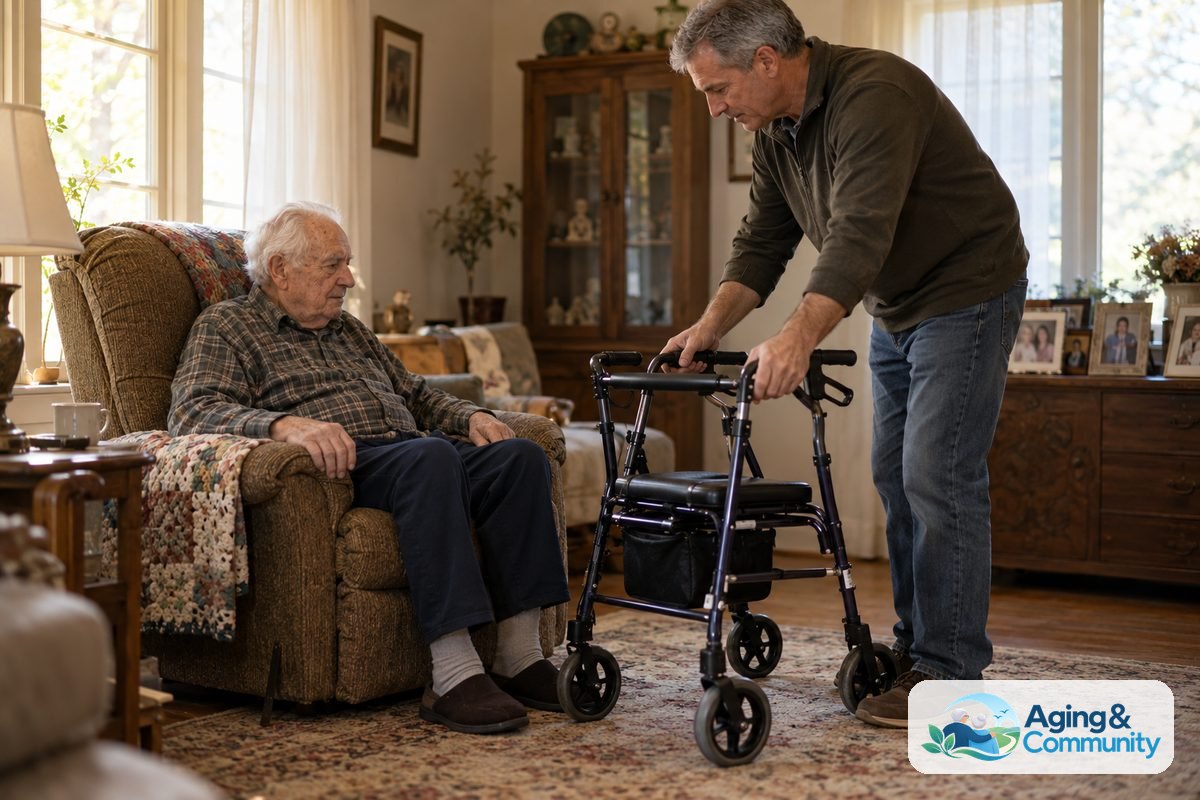
- Is the walker or cane close by if used?
- Is the room free of clutter?
- Is the bathroom path well lit?
- Does the resident seem more tired, dizzy, or confused than usual?
It helps to keep notes. Write down the date, what you noticed, and who you spoke with. If the same concern happens more than once, ask for a care plan meeting instead of trying to solve it in the hallway.
You can also ask about activities that support strength and confidence. Some communities offer walking groups, balance classes, or therapy guided movement. This page on fall prevention programs can help you understand what to ask about.
If your family member is still partly independent, respect their choices and dignity. Ask what feels hard, what feels safe, and what support they would accept. A person is more likely to follow a plan when it fits their preferences and daily rhythm.
What the Reader Can Do Next
Start with one calm conversation. Ask the nurse, social worker, or care plan coordinator how fall prevention in care homes is handled for your family member. Request clear answers, not blame.
- Ask for the current fall risk plan and whether it has changed recently.
- Request a room safety check, especially the bed, bathroom path, lighting, and call button.
- Ask whether a physical therapist or occupational therapist has reviewed mobility and transfers.
- Review shoes, slippers, glasses, hearing aids, and walking aids during your next visit.
- Share any changes you notice in walking, energy, mood, memory, or confidence.
- Ask how staff communicate fall concerns across shifts.
If you are comparing options or planning ahead, this broader guide to fall prevention for seniors may help you build a simple checklist. Keep the focus on steady support, clear routines, and practical changes that fit the person’s needs.
If you need help finding local aging services or caregiver support, the federal Eldercare Locator can point families toward community resources. For medical questions, speak with the resident’s doctor or therapy team.
Frequently Asked Questions
How do you prevent falls in the elderly in nursing homes?
No plan can remove every fall risk, but nursing homes can lower risk by keeping rooms clear, answering call lights, supporting bathroom routines, checking footwear, reviewing mobility needs, and sharing changes across shifts. Families can ask for the care plan, request therapy input, and speak with the doctor about dizziness, medicine effects, or sudden changes.
What is fall prevention in care homes?
Fall prevention in care homes means the steps staff, residents, families, and clinicians use to make daily movement safer. It may include room setup, lighting, toileting support, transfer help, exercise or therapy plans, medication review, and clear reporting after any fall or near fall.
What are common fall risks in a care home room?
Common risks include clutter, poor lighting, wet floors, loose cords, unstable furniture, hard to reach call buttons, and shoes without good grip. A room should have clear walking paths, needed items within reach, and equipment placed where the resident can use it safely.
How can families help with fall prevention for seniors in nursing homes?
Families can notice changes, ask questions, and support the care plan. During visits, check whether the call button, glasses, shoes, and walking aid are within reach. Share concerns with staff, especially if the resident seems weaker, sleepier, more confused, or less steady than usual.
When should a doctor or therapist be involved?
Ask for medical or therapy input when there is dizziness, faintness, sudden weakness, repeated falls, new confusion, foot pain, vision changes, or trouble getting out of a chair or bed. A doctor can review health and medicines, while a physical therapist or occupational therapist can assess movement, transfers, and room setup.
What should happen after a fall in a care home?
Staff should check the resident, follow the care home’s policy, notify the right people, and review what happened. Families can ask about the time, place, activity, footwear, lighting, walking aid, and any changes to the care plan. The purpose is to learn and adjust support.