

Hospice for seniors living alone can be possible when the person has a safe plan, regular help and a hospice team that understands the home setting. Hospice does not mean someone must move to a facility, but living alone at home usually calls for extra planning around daily care, visitors, meals, medicines and emergency support.
The right plan depends on the person’s needs, the home, nearby support and what the hospice provider can offer. A doctor, hospice nurse, social worker and family or trusted friends can help decide what is realistic and respectful.

Can Someone Receive Hospice While Living Alone?
Yes, a person may receive hospice care while living alone. Hospice is a type of supportive care for people with a serious illness when comfort, dignity and quality of life are the main goals. It can often be provided at home, including in a private house, apartment or senior housing setting.
Still, hospice is not the same as full time caregiving. A hospice team may visit on a schedule and may be available by phone, but they are not usually in the home all day and night. This is why a person who lives alone often needs a care circle.
A care circle may include family, friends, neighbors, paid caregivers, faith community members or volunteers. The hospice social worker can help talk through who can help, when they can come and what gaps still need to be filled.
If you are still weighing whether living alone is safe, a guide on living alone safely may help you think through daily needs before making a plan.
What Hospice Usually Provides at Home
Hospice services vary by provider and by the person’s care plan. In general, the team focuses on comfort, support and help for both the person and the family. The doctor and hospice team decide what services fit the person’s needs.
Common parts of home hospice may include:
- Nurse visits to check comfort, answer questions and guide the care plan.
- Help from a hospice aide with personal care, if included in the plan.
- Social work support for planning, resources and family concerns.
- Spiritual or emotional support, based on the person’s wishes.
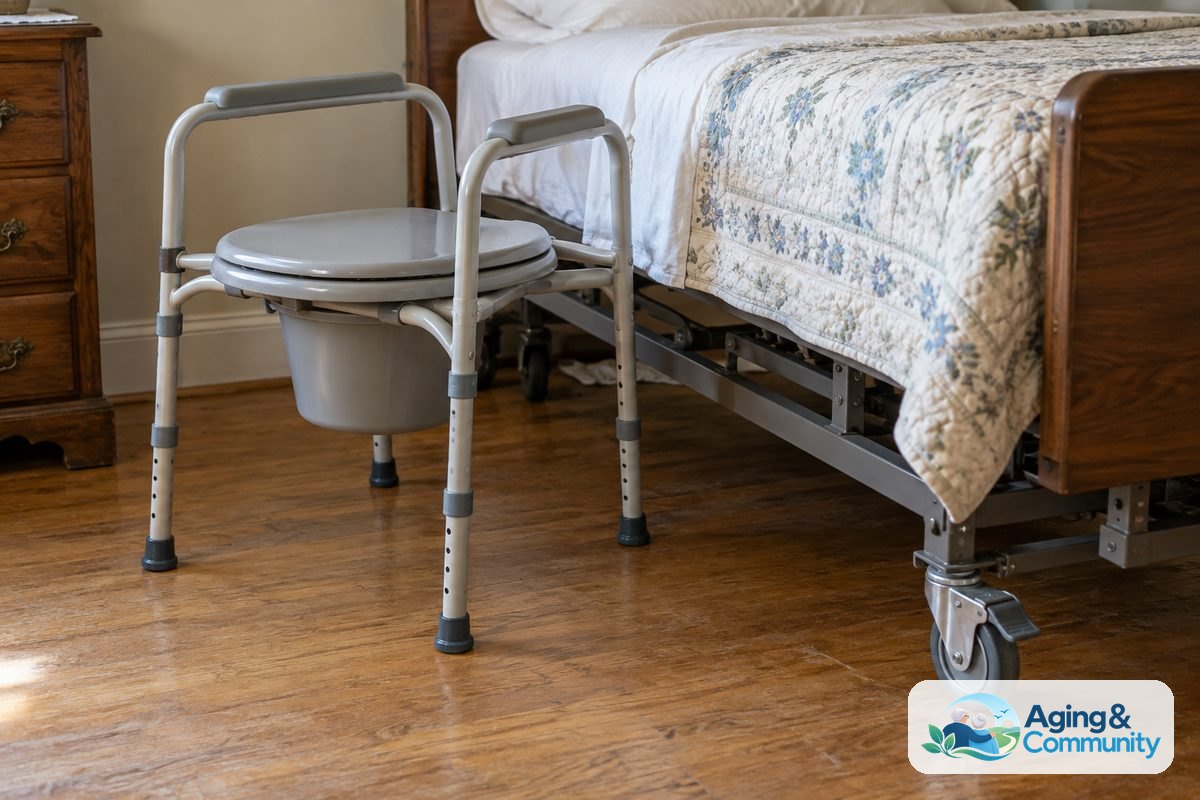
- Medical equipment related to the hospice plan, such as a hospital bed or bedside commode, when ordered.
- Guidance on comfort medicines and supplies that are part of the hospice plan.
The hospice team should explain what they do, how often they visit and who to call after hours. Ask for this information in writing so everyone helping has the same instructions.
For people who live alone, it is also helpful to ask what the hospice team expects family or caregivers to do between visits. Clear roles can lower confusion and help the person feel more supported.
What Extra Help May Be Needed When Living Alone
Hospice for the elderly living alone at home often works best when there is dependable help beyond the hospice team. This does not always mean one person must do everything. It can mean several people share small, clear jobs.
Extra help may be needed for:
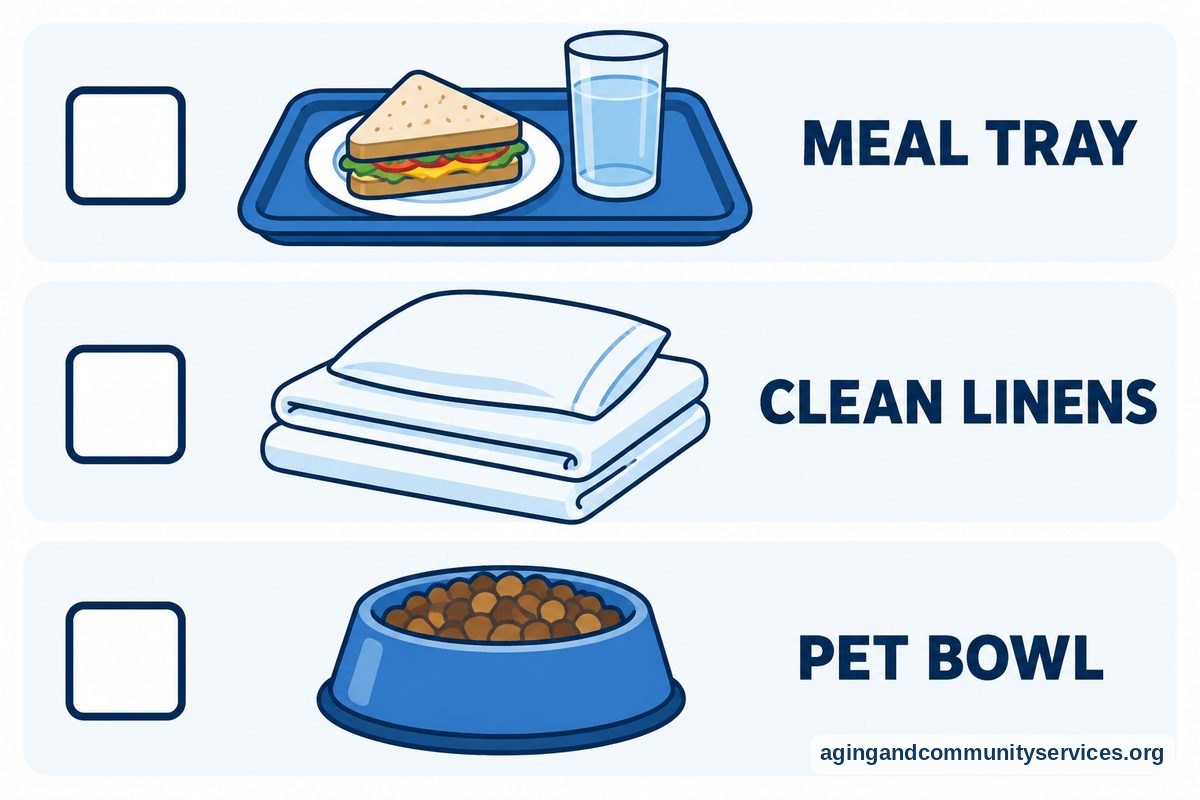
- Meals, drinks and simple snacks within reach.
- Medication reminders or help following the hospice team’s written directions.
- Bathing, dressing, laundry and changing bedding.
- Trips to the bathroom or safe use of a bedside commode.
- Pet care, trash, mail and light household tasks.
- Checking in by phone, video call or in person.
A written schedule can make this easier. It can list who visits each day, what they will do and what signs should lead them to call the hospice team.
If the person has very limited help nearby, ask the hospice social worker about local resources. The Eldercare Locator can also help connect families with aging services in the person’s area.
Making the Home Safer and Easier to Manage
A calm home setup can make daily life easier for someone receiving hospice at home. The goal is not to make the home perfect. It is to reduce common barriers and keep important items close.
Start with the areas used most: the bed, bathroom, kitchen and main walking path. As you evaluate each hospice bed need, remove loose clutter from walkways, improve lighting and place often used items where they can be reached without bending or climbing.
The National Institute on Aging says steps such as removing tripping hazards, adding grab bars and improving lighting can lower the risk of falls. You can read more in its guidance on falls and safety.
Families may also want to review home safety for elderly living alone for practical ideas that fit daily routines.
Helpful home changes may include:
- A clear path from the bed to the bathroom.
- A lamp, phone, water and tissues near the bed or chair.
- A list of hospice phone numbers in large print.
- Non slip mats where needed.
- A plan for keys, door access and who may enter the home.
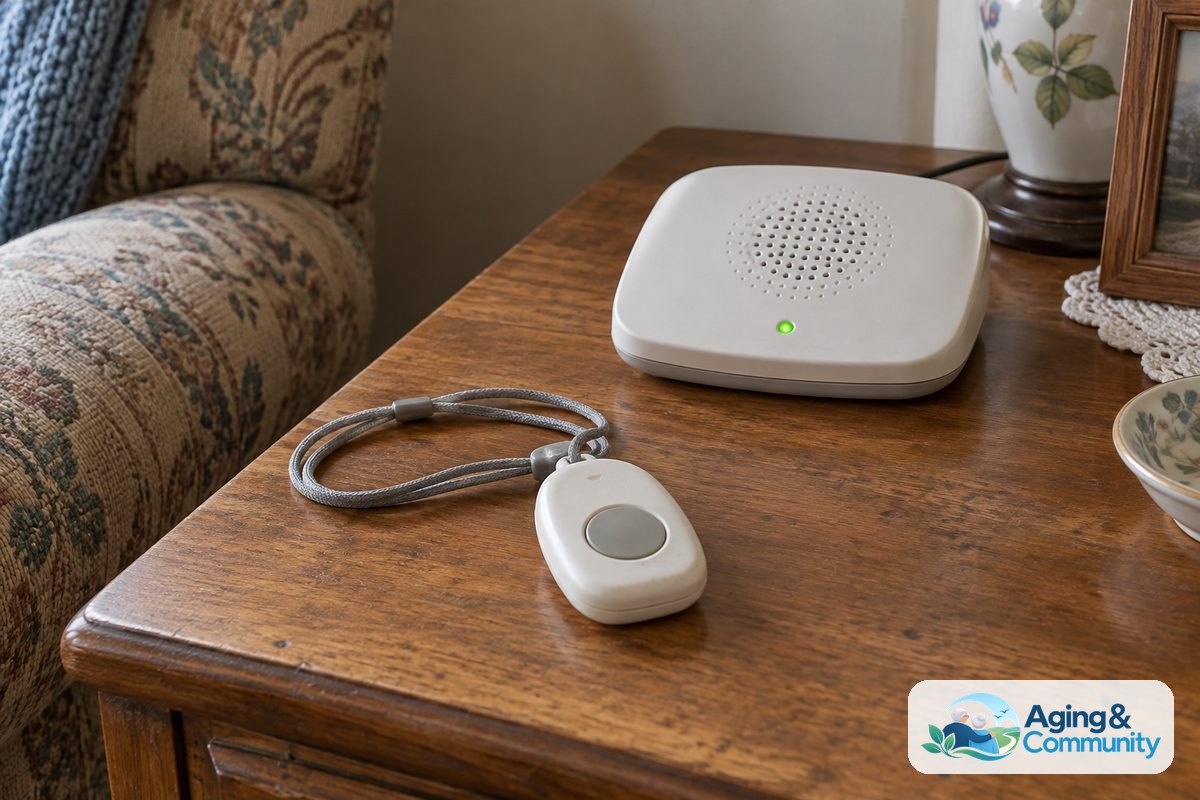
- A medical alert device or simple call system, if the person agrees.
For changes involving walking, transfers, bathroom safety or equipment, ask the doctor whether a physical therapist or occupational therapist should give advice. They can help match equipment and setup to the person’s abilities and home.

Questions to Ask a Hospice Provider
Before choosing hospice for the elderly living alone, ask direct questions about home support. Good questions do not need to be harsh. They help everyone understand what care will look like on an ordinary day.
You might ask:
- How often will a nurse visit, and who decides if visits change?
- What help can a hospice aide provide?
- Who answers calls after regular office hours?
- What should we do if the person cannot get to the door?
- What equipment may be ordered for the home?
- What tasks must family, friends or paid caregivers cover?
- Can the social worker help us plan for gaps in care?
- What happens if living alone stops being safe or comfortable?
It is also fair to ask how the team supports a person who wants privacy. Many people value independence, even when they need more help. A respectful plan should balance safety, comfort and personal choice.
If family members are unsure how much support is needed, a broader article on elderly living alone can help frame the conversation.
When Living Alone May Need a Different Plan
Sometimes a person can start hospice at home while living alone, but the plan may need to change later. This does not mean anyone failed. Needs can shift, and the care plan can shift too.
A different plan may be needed if the person cannot call for help, cannot safely move around the home, forgets important steps often or feels uneasy being alone for long periods. Speak with the hospice nurse, doctor or social worker if these concerns come up.
Options may include more scheduled visits from family, paid caregiving, staying with a relative, respite care if available, or moving to a care setting. The hospice team can explain which choices fit the person’s condition, care plan and local services.
A simple alert system may also be part of the plan for some households. If you are comparing options, a guide to an alarm for elderly living alone can help you think about features and limits.
What You Can Do Next
If you are helping someone explore hospice for seniors living alone at home, start with small, concrete steps. You do not need to solve everything in one conversation.
- Talk with the doctor. Ask whether hospice is appropriate and what referral steps are needed.
- Call hospice providers. Ask how they support people who live alone and what caregiver help they expect.
- Map the week. Write down who can visit, call, bring meals, handle errands and stay longer if needed.
- Walk through the home. Look for clutter, poor lighting, hard to reach items and bathroom concerns.
- Create a contact sheet. Include hospice, family, neighbors, pharmacy and any paid caregivers.
- Ask about equipment. Let the hospice nurse or doctor guide what is appropriate.
- Respect the person’s voice. Ask what matters most to them about privacy, comfort and daily routines.
If the person agrees, hold a short planning call with the hospice team and the main helpers. Keep the plan simple, written and easy to update.
Frequently Asked Questions
Can hospice for the elderly living alone work?
It can work for some people when the home is manageable and there is enough support between hospice visits. The hospice team can help decide what help is needed and whether the plan feels safe and realistic.
What does hospice for seniors living alone at home include?
It may include nurse visits, social work support, aide services, comfort focused guidance, supplies and equipment related to the hospice plan. Exact services depend on the provider and the person’s needs.
Does hospice for the elderly living alone at home mean someone is there all day?
Usually, no. Hospice staff visit based on the care plan and may be available by phone, but they are not usually present all day. Family, friends or paid caregivers may need to cover daily support.
Who helps with meals and personal care if a hospice patient lives alone?
Help may come from family, friends, neighbors, paid caregivers, community programs or hospice aides when included in the plan. Ask the hospice social worker to help identify gaps and local resources.
What if living alone becomes too hard during hospice?
Tell the hospice nurse or social worker as soon as concerns appear. The plan may change to include more help at home, respite options, staying with family or moving to another care setting.