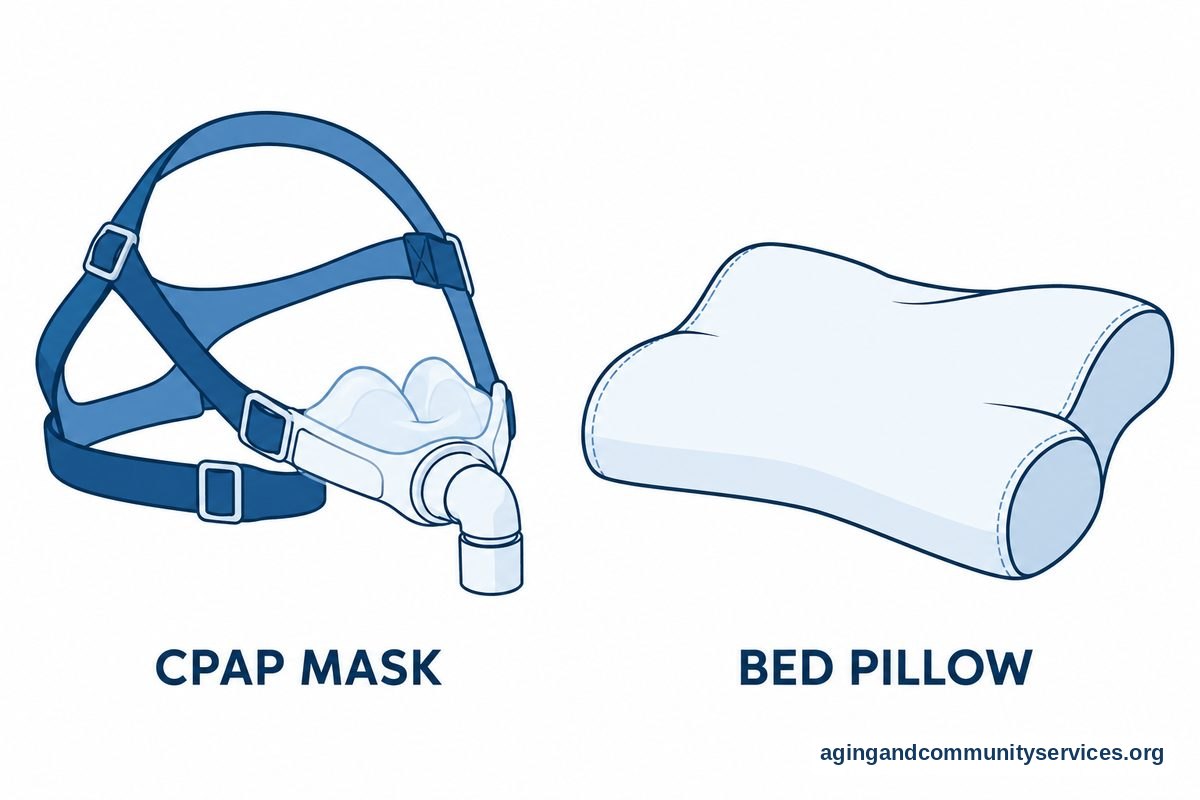
Yes, Medicare does cover CPAP machines when the equipment is prescribed as medically necessary for use in the home by a Medicare-enrolled doctor or other provider. The main condition is that the CPAP equipment must meet Medicare Part B rules for durable medical equipment.
For many older adults, the confusing part is not whether Medicare can help, but what paperwork, supplier rules, and plan rules apply. CPAP machines, masks, and supplies may be handled differently depending on Original Medicare or a Medicare Advantage plan. A calm step-by-step approach can help you avoid surprises.

What Medicare Covers and What It Doesn’t
Original Medicare Part B covers durable medical equipment, often called DME, when a Medicare-enrolled doctor or other provider prescribes it as medically necessary for use in the home. Medicare explains this under its rules for durable medical equipment.
A CPAP machine may fit under this DME coverage when it is ordered for home use and the Medicare rules are met. This is the basic answer to the questions, does Medicare cover CPAP, does Medicare cover CPAP machines for sleep apnea, and does Medicare cover CPAP equipment.
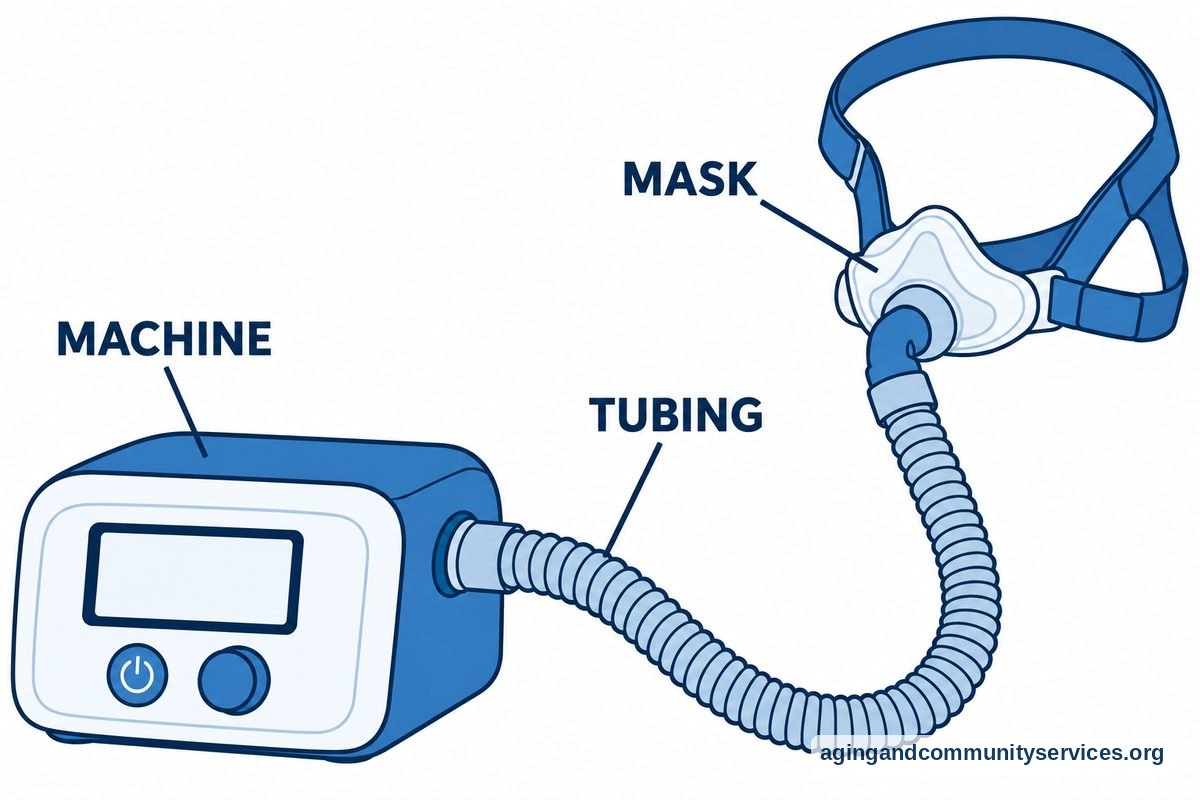
Medicare may also cover related equipment when it is part of the prescribed DME need. That can include CPAP masks and supplies if they are ordered and supplied through the right Medicare process. This is why many people ask whether Medicare covers CPAP machines and masks, CPAP machine and supplies, or CPAP machines and supplies.
The supplier matters. The supplier must be enrolled in Medicare. Suppliers that accept assignment agree to the Medicare-approved amount. If you use a supplier that is not enrolled in Medicare, Medicare may pay nothing.
Some DME is rented, and some is bought, depending on the item, similar to what patient lift devices require. That means CPAP rental can be part of the coverage process, but the exact setup depends on how Medicare handles the item and how the supplier bills it.
Original Medicare does not cover everything that sounds related to comfort or home routines. CPAP cleaning machines are not listed in the Medicare facts provided as covered DME, so do not assume Original Medicare will pay for one. Ask Medicare, your plan, or the supplier before buying one.
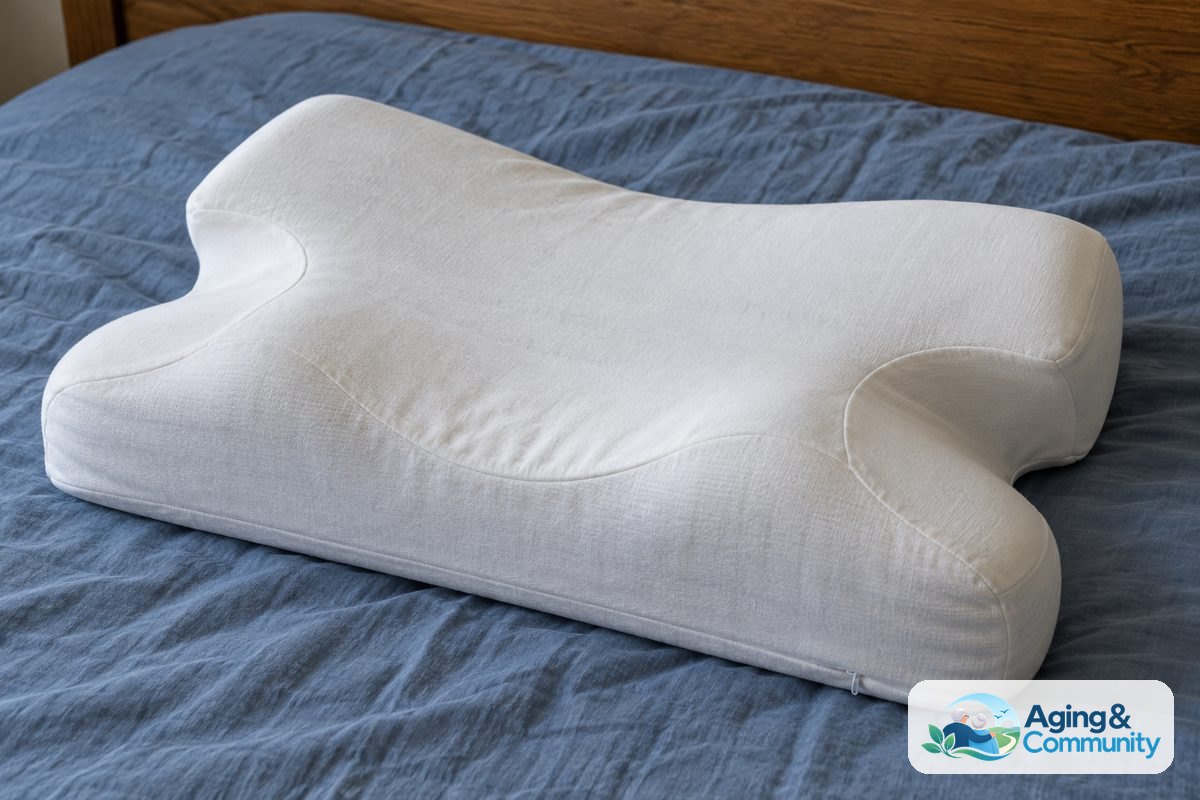
CPAP pillows are also not clearly covered under the DME facts provided. A bed pillow or specialty pillow is often viewed differently from prescribed medical equipment. If positioning is part of your comfort plan, you might also want to read about adjustable bed wedge pillows and ask your doctor what is appropriate for you.
Medicare Advantage plans, also called Part C, must cover what Original Medicare covers. They may add extra benefits, but their rules, networks, and prior approval steps differ by plan. If you have Medicare Advantage, call your plan before ordering a machine, mask, supplies, repair, or replacement.
How to Get It Covered
- Start with your doctor. Ask a Medicare-enrolled doctor or other provider whether CPAP equipment is medically necessary for use in your home. If you have questions about mild OSA, ask the doctor how your situation fits Medicare’s medical necessity rules.
- Get the prescription and records in order. The order should clearly match what you need, such as the CPAP machine, mask, tubing, or other supplies. Keep copies of paperwork in case the supplier or plan asks for it.
- Choose a Medicare-enrolled supplier. Use a supplier that is enrolled in Medicare. Medicare has a tool to find equipment suppliers in your area.
- Ask if the supplier accepts assignment. This is important because suppliers that accept assignment agree to the Medicare-approved amount. If they do not, your costs may be higher, and if they are not enrolled, Medicare may pay nothing.
- Check rental or purchase details. Ask whether the CPAP machine is being rented or bought. Some DME is rented, and some is bought, depending on the item.
- If you have Medicare Advantage, call the plan first. Ask about network suppliers, prior approval, and replacement supply rules. A plan may require certain steps before it pays.
- Keep notes. Write down dates, names, and what each person tells you. This helps if there is a billing question or denial later.
If sleep and breathing concerns are part of a broader health conversation, ask your doctor what tools are useful at home. For example, some families read about pulse oximeters for seniors, but a device should not replace medical advice.

What You Might Pay
Under Original Medicare Part B, after the yearly Part B deductible, you usually pay twenty percent of the Medicare-approved amount. Medicare gives a general overview of Medicare costs, including how deductibles and coinsurance work.
Your exact cost can depend on whether the equipment is rented or bought, whether the supplier accepts assignment, and whether all Medicare rules are met. It can also depend on whether you have other coverage that helps with Part B costs.
If you have a Medicare Advantage plan, your share of the cost may be different from Original Medicare. The plan may have its own network rules, prior approval rules, and cost sharing. Call the plan and ask for the answer in plain language before you order equipment.
For supplies, ask the supplier which items are billed to Medicare and how often they can be replaced under your coverage. Do not assume every mask, hose, filter, pillow, or cleaning item is covered the same way.
If Medicare Won’t Pay
If Medicare denies a claim, ask for a written explanation. Your Medicare Summary Notice explains how to file an appeal. An appeal is the formal way to ask Medicare to review the decision.
If you have Medicare Advantage, contact the plan and ask why the item was denied. The issue may be missing paperwork, use of an out-of-network supplier, lack of prior approval, or a plan rule you did not know about. Ask what steps are needed to request another review.
Medicaid may help some people with costs or items Medicare does not cover. Rules vary by state, so contact your state Medicaid office or ask a benefits counselor for help.
Veterans Affairs benefits may help eligible veterans with medical equipment or supplies. If you are a veteran, contact VA or your VA care team to ask what support may be available.
Your local Area Agency on Aging may also be able to point you toward benefits counseling, equipment programs, or community help. You can find the local agency through the Eldercare Locator.
If Medicare will not cover a comfort item, such as a CPAP pillow or cleaning machine, ask your doctor whether it is needed and whether there is a lower-cost option. If sleep routines are also a concern, you may want to discuss natural sleep aids for elderly with a clinician before trying anything new.
Frequently Asked Questions
Does Medicare Cover CPAP Supplies?
Medicare may cover CPAP supplies when they are part of medically necessary DME for home use and are ordered through the proper Medicare process. The supplier must be enrolled in Medicare, and it helps to use one that accepts assignment.
Ask the supplier which supplies are included, how they are billed, and whether any item needs extra approval. Keep copies of orders and receipts.
Does Medicare Cover CPAP Machines and Masks?
Medicare Part B may cover a CPAP machine when it is prescribed as medically necessary for home use. Masks may also be covered when they are part of the ordered equipment and Medicare rules are met.
Before choosing a mask, ask whether the supplier is enrolled in Medicare and accepts assignment. If you have Medicare Advantage, ask your plan whether you must use a certain supplier.
Does Medicare Cover CPAP for Mild OSA?
The facts provided here do not include a separate rule for mild OSA. The key Medicare standard is that a Medicare-enrolled doctor or other provider prescribes the equipment as medically necessary for use in the home.
If you have been told you have mild OSA, ask your doctor how Medicare’s medical necessity rules apply to your situation. If you have Medicare Advantage, also ask the plan about prior approval.
Does Medicare Cover CPAP Cleaning Machines?
Original Medicare does not clearly cover CPAP cleaning machines under the DME facts provided here. Do not assume Medicare will pay for one just because it is sold for use with CPAP equipment.
Before buying a cleaner, ask your supplier, Medicare, or your Medicare Advantage plan whether it is covered. Also ask your doctor how to care for your equipment safely.
Does Medicare Cover CPAP Repair or Replacement Machines?
Medicare may cover DME when the rules are met, but repair and replacement questions should be checked before work is done or a new machine is ordered. Ask the supplier whether the repair or replacement will be billed to Medicare and what paperwork is needed.
If you have Medicare Advantage, call the plan first. Plans can have network rules, prior approval rules, and specific steps for replacement equipment.
Does Medicare Cover CPAP Pillows?
CPAP pillows are not clearly covered under the Medicare DME facts provided here. A pillow may be treated as a comfort item rather than prescribed durable medical equipment.
If you are considering a pillow because of fit, comfort, or sleep position, talk with your doctor or supplier first. You can also ask whether any related item must be prescribed to be considered for coverage.