

Finding recommended medical alert smart watches gives you quick access to help while keeping the look of a modern timepiece. These wearable devices combine safety buttons, location tracking, and everyday features into one simple design. Choosing the right watch allows older adults to stay active and connected with loved ones every day.

How Medical Alert Smart Watches Work
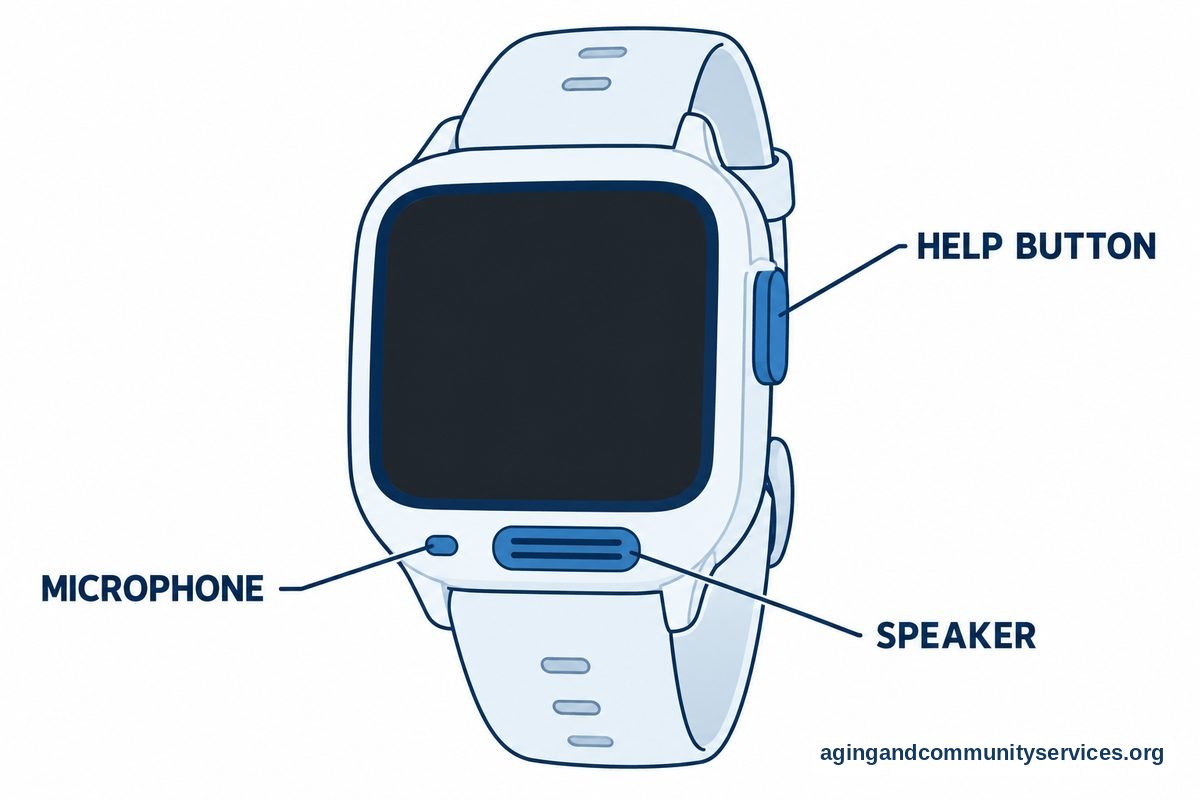
A medical alert watch works much like a standard mobile phone, but it is built for safety. Inside the watch casing, a tiny cellular chip connects directly to a wireless network. When you press and hold the help button, the watch dials a professional monitoring center or your family contacts.
Built-in speakers and microphones allow two-way voice communication directly through your wrist, much like learning how to use a hearing aid for clearer listening. This means you do not need to reach for a telephone across the room during an urgent moment. An operator or loved one can hear your voice clearly and talk you through the situation while dispatching assistance to your location.
Most models also include built-in global positioning system technology. When a call goes out, your location data travels with it. First responders or family caregivers can pinpoint your general whereabouts, whether you are walking in your neighborhood or resting in your backyard.
Key Features to Compare Before Buying
Not every wrist device operates the same way. Looking closely at everyday features will help you pick a watch that fits comfortably into your routine without causing frustration.
- Screen Readability: Look for large fonts, bright backlighting, and high-contrast color displays. A watch that is easy to read in direct sunlight saves strain on your eyes.
- Water Protection: Many slips happen in bathrooms. Selecting a water-resistant watch means you can wear it in the shower or while washing dishes.
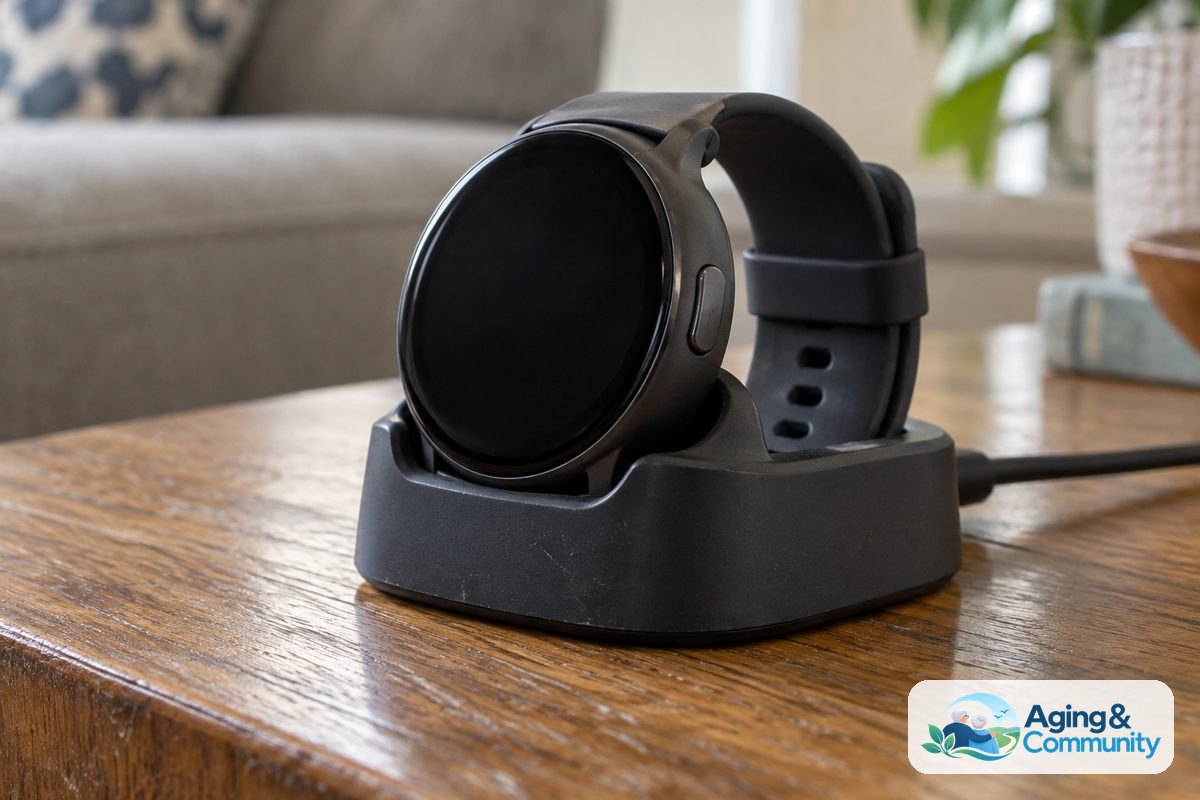
- Battery Life: Some watches need charging every night, while others last several days. A simple charging cradle makes it easier for stiff fingers to dock the device.
- Speaker Volume: Crisp audio is essential. Check that the watch has adjustable volume settings loud enough to hear over background noise.
- Physical Help Buttons: While touchscreens look modern, a dedicated, raised physical button is easier to press during a sudden emergency.
If ease of use is your primary goal, exploring the easiest smartwatch for seniors can help you narrow down models that skip confusing menus in favor of simple, single-touch commands.
Understanding Fall Detection Technology
Many shoppers look for automatic sensors that detect sudden movement changes. These built-in motion sensors measure speed, angle, and impact. When the sensors detect a motion pattern that resembles a fall, the watch can place an emergency call automatically.
While this tool provides helpful reassurance, no sensor catches every single incident. Gentle slides from a chair or slow descents might not trigger the motion threshold. Because of this, safety experts always advise pressing your help button manually whenever you can. Resources from the National Institute on Aging on falls offer helpful guidance on managing everyday home risks alongside personal equipment.
If you want this feature on your wrist, consider a medical alert smartwatch with fall detection that allows you to cancel false alarms easily before operators dispatch emergency services.
Monitoring Plans Versus No Monthly Fee Options
Another major decision is how your emergency calls get answered. Traditional medical alert companies connect you to a twenty-four-hour monitoring center. Trained staff answer your call, review your personal medical notes, and notify either your family circle or local first responders.
Other watches connect directly to private contacts, such as adult children or neighbors. These devices dial programmed phone numbers in a specific sequence until someone picks up. Choosing a medical alert watch with no monthly fee can save money over time, though it relies entirely on your family being near their phones to answer.
| Feature | Monitored Smartwatch | Direct-to-Family Smartwatch |
|---|---|---|
| Monthly Fee | Yes, ongoing service charge | No mandatory monthly fee |
| Emergency Response | Professional dispatch operator | Personal contacts or 911 directly |
| Health Record Access | Operators see stored health notes | Rely on family memory |
| Nighttime Availability | Staffed around the clock | Subject to family sleeping hours |
Thinking about your budget and family availability will make this choice clear. If your family works long hours or travels often, a monitored service provides steady coverage at any hour.
Comfort, Style, and Daily Wear
A safety device only works if you keep it on your wrist. Bulky, institutional-looking equipment often ends up forgotten on the nightstand. Fortunately, modern alert watches look just like standard fitness trackers and digital watches.
Pay attention to the wristband material. Soft silicone bands clean easily and resist moisture, while fabric or leather bands offer extra comfort for delicate skin. Magnetic or stretchy bands can make putting the watch on much simpler for people with arthritis in their hands.
For people managing regular health routines, a smart med alert watch offers extra tools, such as silent vibrating reminders to take daily medications or drink a glass of water.

Steps You Can Take Next
Choosing safety equipment should feel like a natural part of planning for the future. You can take a few simple, practical steps today to find the right setup for your lifestyle.
- Assess Your Daily Routine: Note where you spend the most time. If you garden, run errands, or walk outdoors often, ensure you pick a watch with nationwide cellular coverage.
- Involve Your Support Circle: Talk with family members or trusted neighbors about their comfort level being on your emergency call list.
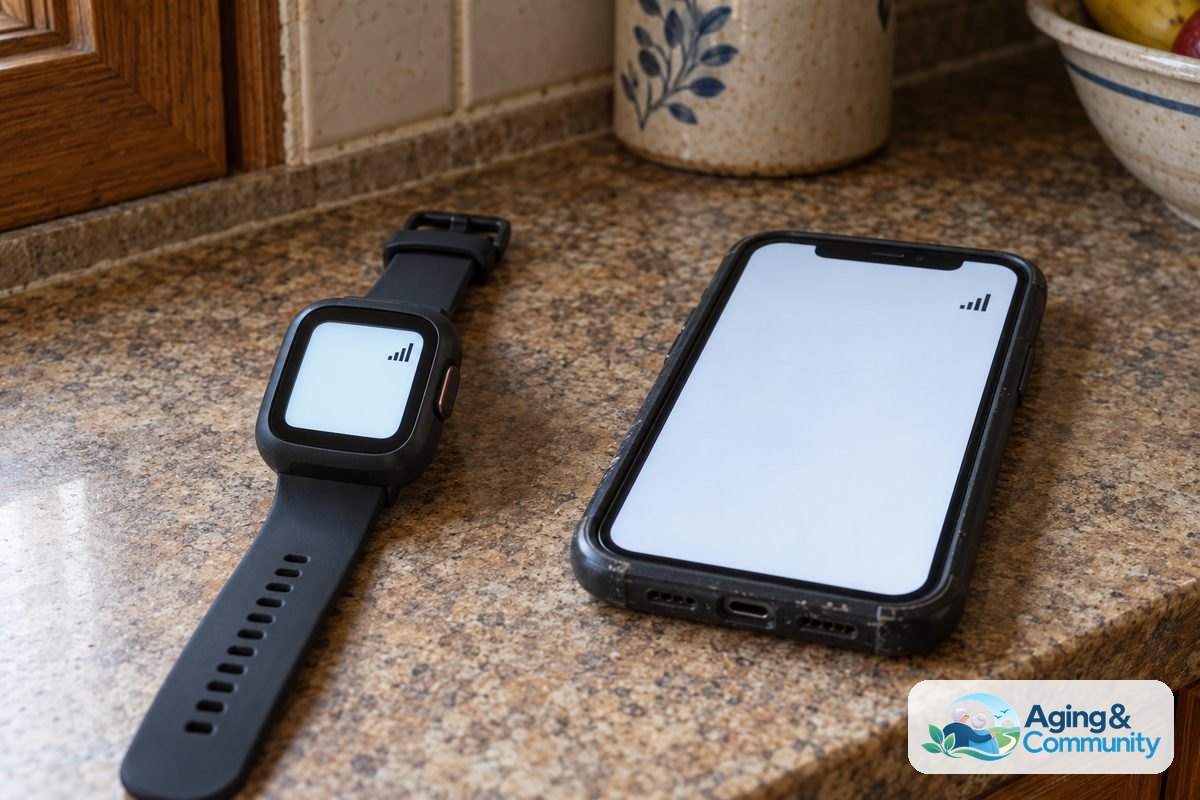
- Check Your Cell Reception: Look at which wireless carriers offer the strongest signal inside your house, as alert watches rely on these same networks.
- Consult Local Resources: Connect with community programs through the Eldercare Locator to learn about independent living aids and support programs in your county.
- Talk With a Professional: Speak with a physical therapist or occupational therapist during your next regular wellness visit. They can offer personalized advice on home safety adjustments and equipment fit.
Making thoughtful decisions about equipment supports long-term goals. The guidance from the National Institute on Aging on aging in place highlights how home modifications and personal safety tools work together to help people live comfortably in their own spaces.
Frequently Asked Questions
Do medical alert smart watches work outside the house?
Yes, mobile alert watches are designed to work anywhere there is adequate cellular coverage. They do not rely on your home Wi-Fi network to send an emergency signal, making them useful during trips to the grocery store, walks in the park, or visits with family.
Can I wear a medical alert watch in the shower?
Most modern safety watches are water-resistant and built specifically to withstand daily showering. However, you should check the manufacturer specifications for the exact depth and water rating. It is best to avoid submerging the watch in deep water or wearing it in hot tubs.
How often do alert watches need to be charged?
Battery performance varies based on screen brightness, cellular activity, and tracking settings. Many watches require daily charging, often taking about one to two hours to reach full power. Some users choose to charge their watch while sitting safely reading or watching television in the evening.
Can an alert watch replace my normal mobile phone?
While alert watches handle two-way emergency calls and some send automated text alerts to family, they do not replace standard smartphones. Most alert models do not support web browsing, social media, or open-ended phone calls with friends. They remain focused on health, safety, and basic connectivity.
What happens if I accidentally press the emergency button?
Accidental presses happen occasionally. If you trigger an alert by mistake, simply stay on the line until the operator answers. Calmly explain that you had an accidental press and that there is no emergency. Operators are accustomed to false alarms and will be happy to hear that you are safe.