

Learning how to choose a hearing aid comes down to understanding your daily communication needs, finding a comfortable style, and working with a licensed professional. Taking time to compare device shapes, battery styles, and sound features ensures you pick an option that fits your everyday routine comfortably.

Understanding the Common Styles of Hearing Aids
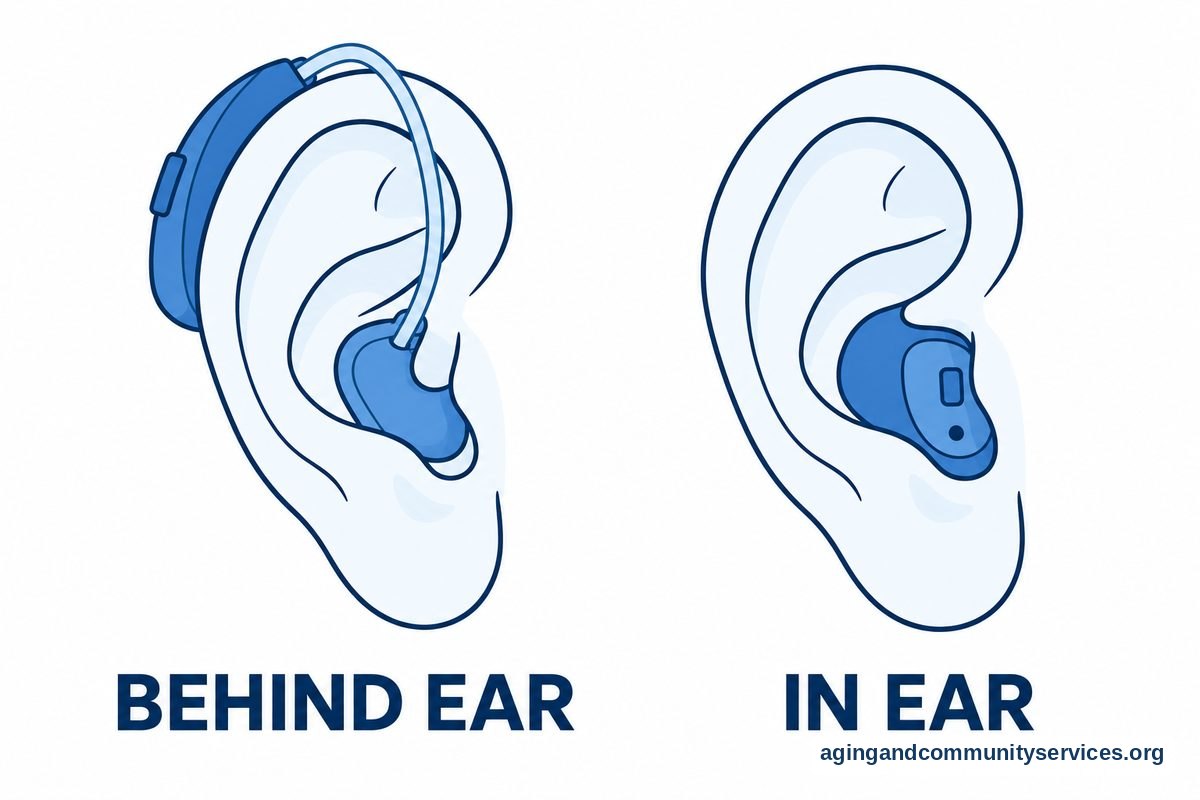
Hearing aids come in several main shapes and sizes. Each style offers different benefits depending on your manual dexterity, cosmetic preferences, and the specific sounds you want to hear better.
- Behind-the-Ear (BTE): The main body sits rests gently behind your ear. A thin clear tube directs sound into an earpiece placed inside your ear canal. These are durable and easy to handle.
- Receiver-in-Canal (RIC): Similar to BTE models, but the speaker rests directly inside your ear canal. This style often feels very natural and lightweight for daily wear.
- In-the-Ear (ITE): These custom-made shells fill the outer bowl of your ear. Because they are larger than canal devices, they can fit larger batteries and manual volume controls.
- In-the-Canal (ITC) and Completely-in-Canal (CIC): These fit partly or deeply inside your ear canal. They are very discreet, but their tiny size can make changing small batteries tricky.
When reviewing options, many families also compare a hearing aid vs hearing amplifier to understand which technology matches their specific hearing challenges.
How to Choose Hearing Aid for Elderly Family Members
When selecting a device for an older parent or relative, physical comfort and ease of daily handling matter just as much as sound quality. Dexterity changes, vision shifts, and daily routines all shape what will work smoothly at home.
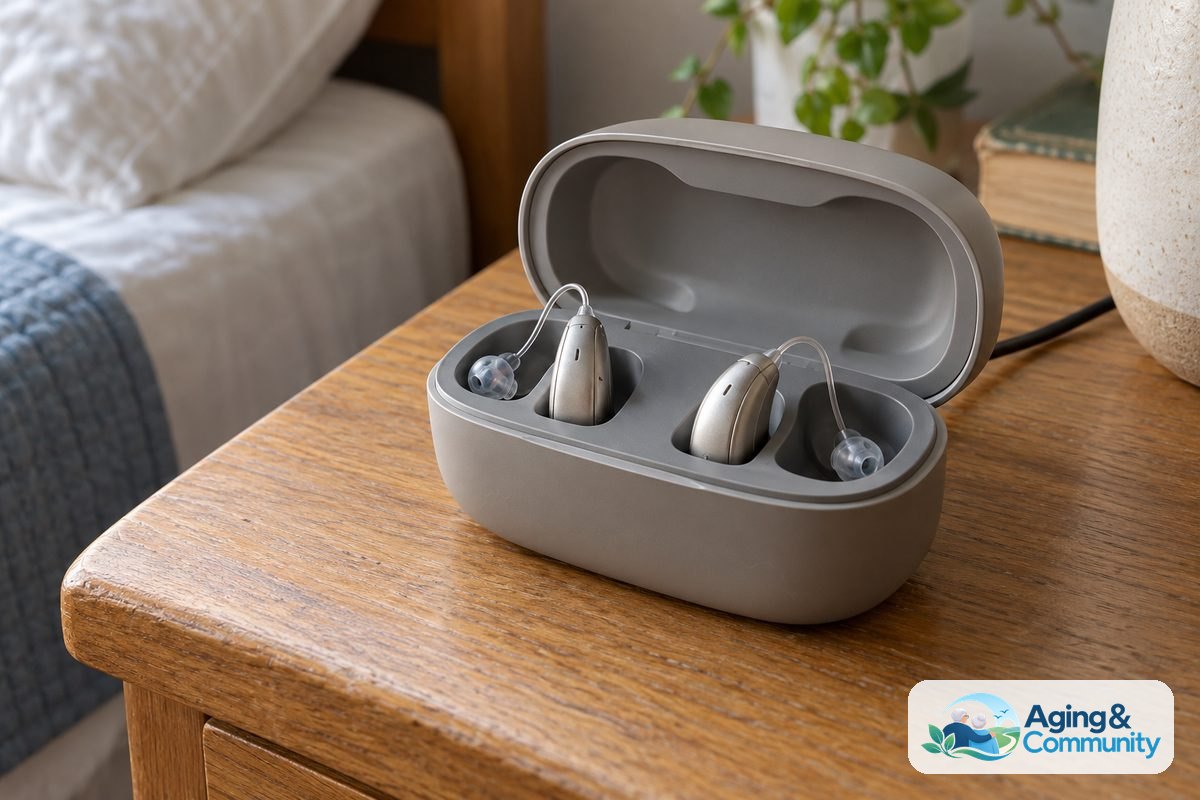
For many older adults, handling tiny button batteries can cause frustration. Choosing a rechargeable model eliminates the need to open small doors or drop miniature parts on the floor. Magnetic charging docks make it simple to set the devices down at night and pick them up ready in the morning.
Simple controls are another major factor. Automatic sound adjustment allows the wearer to move between a quiet room and a noisy restaurant without pressing buttons. Some families also find that pairing assistive tools, like specialized phones for elderly hard of hearing, creates a much smoother home communication system alongside the device.
You can also review our detailed guide on selecting a hearing aid for elderly users to see how different designs support daily independence.
How to Choose a Hearing Aid Color
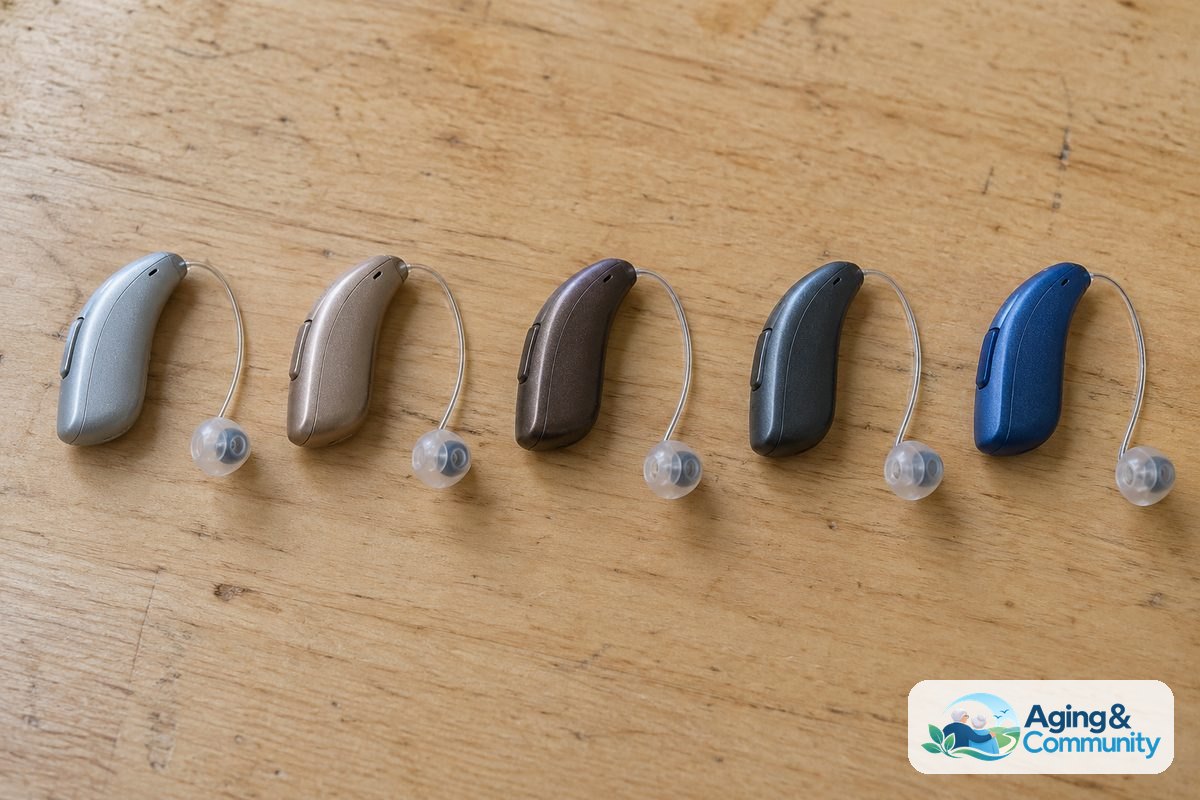
Color is an important personal choice that affects how confident you feel wearing your device every single day. Modern devices offer a wide palette designed either to blend into your natural appearance or stand out like modern tech accessories.
If you want your device to remain discreet, you can match the outer shell to your hair or skin tone:
- Hair matching: If you have silver, blonde, brown, or black hair, selecting a casing that mirrors that shade allows behind-the-ear units to disappear against your hairline.
- Skin tone matching: For custom in-the-ear models, choosing a neutral beige, tan, or deep bronze shade helps the device blend naturally into the ear canal opening.
- Modern metallic tones: Many people now choose champagne, graphite, silver, or rose gold. These look similar to wireless earbuds and feel like sleek consumer technology.
- High-visibility colors: If dropping small items is a concern, selecting a bright color or distinct shade makes the device much easier to spot on a nightstand or carpet.
Deciding how to choose hearing aid color simply comes down to whether you prefer quiet subtlety or easy visibility when handling the casing.
Key Features to Consider Before You Decide
Modern devices offer features that make daily conversations clearer and more enjoyable. Knowing which features match your lifestyle helps you avoid paying for extras you do not need.
| Feature | What It Does | Best For |
|---|---|---|
| Directional Microphones | Focuses on voices in front of you while softening background noise | Social gatherings and restaurants |
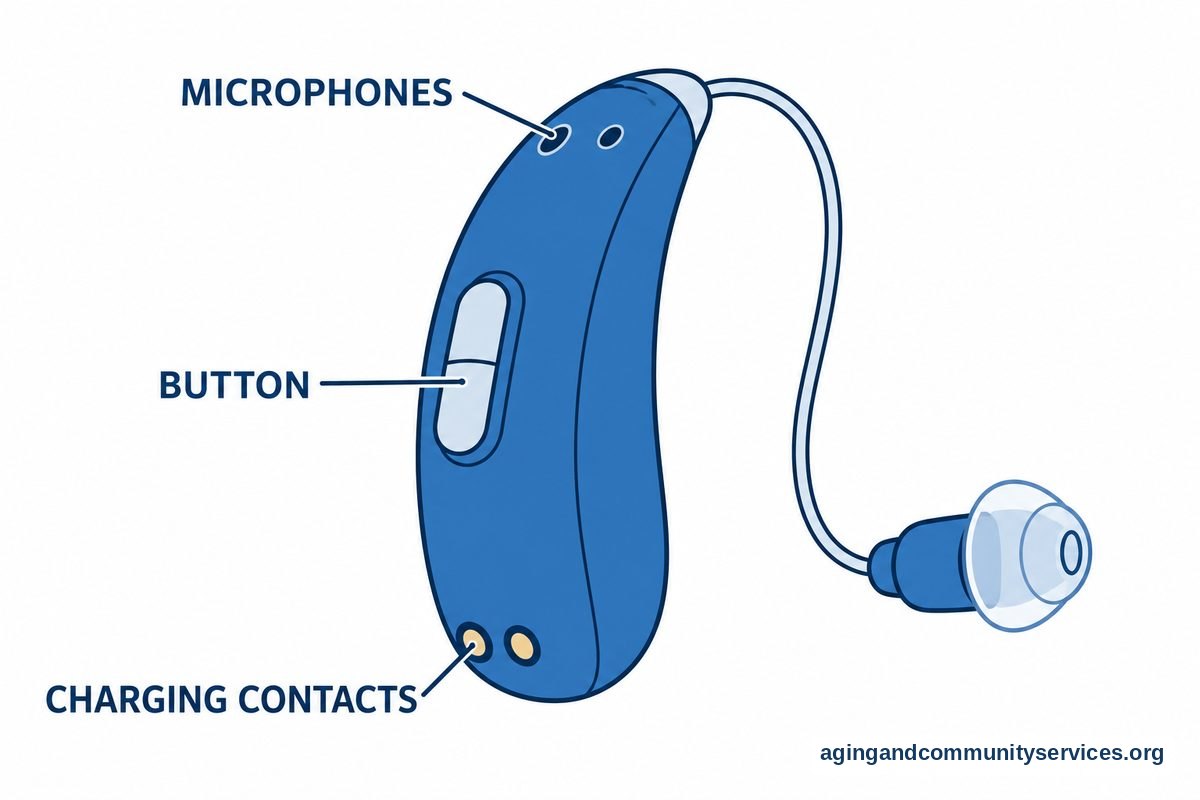
| Rechargeable Batteries | Charges overnight in a dock without small battery changes | Easy daily handling |
| Bluetooth Connectivity | Streams phone calls, music, and television audio directly to ears | Hands-free phone calls |
| Feedback Cancellation | Minimizes whistling sounds when putting on hats or hugging | Everyday comfort |
| Telecoil (T-Coil) | Picks up signals from compatible sound systems in public venues | Places of worship and theaters |
Thinking about where you spend your time will tell you which features matter most. A quiet home routine requires fewer complex settings than an active schedule filled with group meetings and travel.
Budgeting and Payment Options
Navigating payment is an essential step in your decision. It helps to look closely at insurance coverage, benefit programs, and available consumer protections before completing a purchase.
Many people wonder, does medicare cover hearing aid services? Traditional Medicare generally does not pay for hearing aids, though some Medicare Advantage plans offer partial allowances. Check your policy details directly with your plan administrator.
Always ask your hearing care provider for an itemized breakdown of costs. This breakdown shows the exact price of the hardware alongside bundled professional services such as cleanings, fittings, and follow-up adjustments. Make sure your agreement includes a trial period of at least thirty to sixty days so you can test the device at home risk-free.
What to Do Next
Finding the right hearing device is a steady process that works best when taken one step at a time. Here are practical next steps you can take today:
- Schedule a comprehensive hearing assessment: Make an appointment with a licensed audiologist or hearing instrument specialist to establish a clear baseline of your hearing needs.
- Write down your daily communication hurdles: Note the rooms, voices, or background sounds that give you the most trouble during a typical week.
- Explore local support programs: Reach out to community resources through the Eldercare Locator to learn about transportation, local health fairs, or regional assistance programs.
- Consider safe home mobility: Staying aware of environmental sounds supports steady balance and household safety. The National Institute on Aging: Falls and Falls Prevention page offers helpful guidance on keeping living spaces safe and accessible.
- Discuss your goals for home comfort: Sound awareness plays a large role in remaining comfortable in your community. Review resources from the National Institute on Aging: Aging in Place to see how sensory health supports independent daily living.
Frequently Asked Questions
How to choose hearing aid for elderly family members who have arthritis?
Focus on larger behind-the-ear or in-the-ear devices that feature rechargeable battery docks. Avoid tiny canal styles with miniature batteries. Look for automatic sound adjustment programs so your loved one does not have to manipulate small volume wheels or tiny toggle switches.
How to choose hearing aid color if my hair is graying?
Many manufacturers offer silver, slate, or cool gray finishes designed specifically to blend with graying hair. If your hair is mixed salt-and-pepper, a neutral titanium or soft silver behind-the-ear casing tends to rest unobtrusively against your hairline.
How to choose a hearing aid color that is easy to find if dropped?
Choose high-contrast tones such as bronze, bright blue, or darker graphite rather than pale beige or clear casings. Pale tones can easily blend into carpets, bedsheets, or flooring, whereas a distinct color makes visual recovery much easier.
Can I try a hearing aid at home before making my final choice?
Yes. Most states require a trial period, typically lasting thirty to sixty days. This gives you time to wear the devices in your normal home setting, around family members, and during outdoor errands to confirm they feel comfortable and work properly.