

Learning how to choose a walk in tub comes down to matching your personal mobility needs with your bathroom layout. A good choice provides a low threshold to enter, comfortable seating, and controls that are simple to operate. Taking time to compare dimensions, door styles, and plumbing requirements ensures you find a tub that supports your daily routine.
Assess Your Physical Needs and Comfort
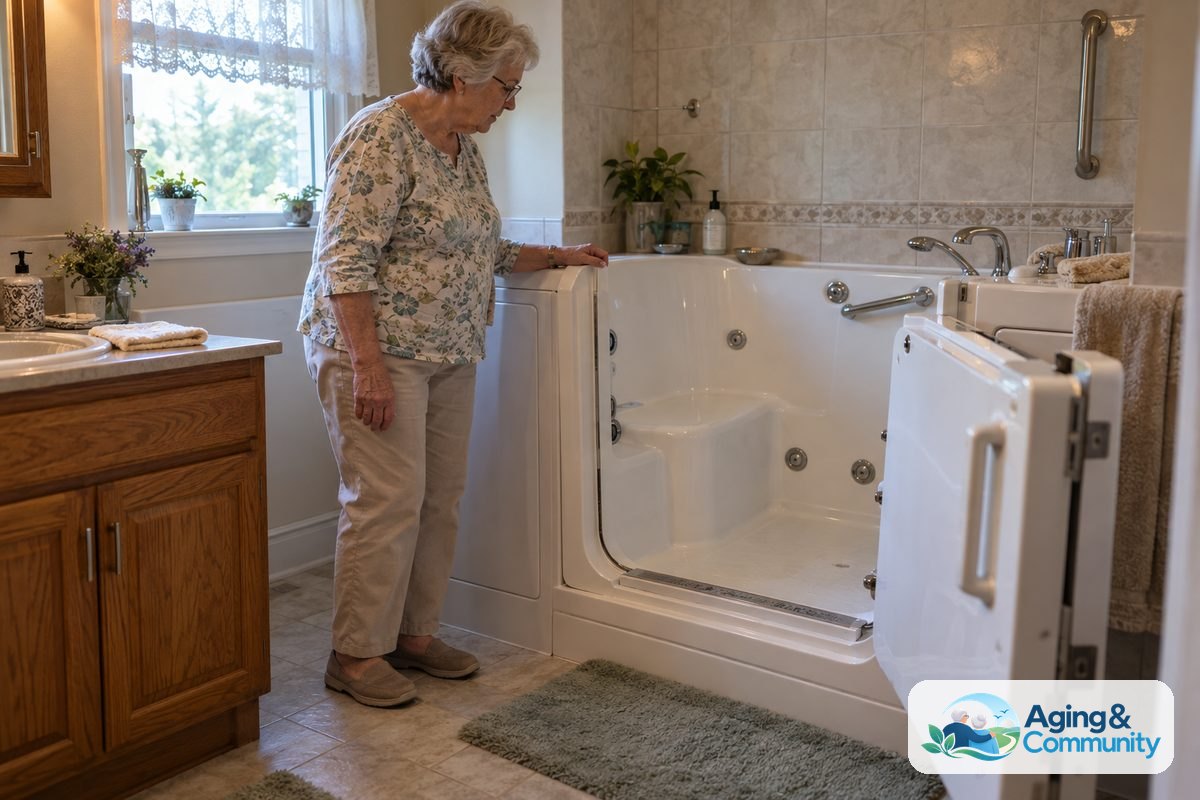
Every person moves differently, so your tub should fit your body and your daily habits. Think about how easily you can step over a low curb, sit down, and stand back up. If bending your knees is difficult, a higher seat height can make sitting and rising much more comfortable.
Seat height typically ranges from fourteen to seventeen inches. A seventeen-inch contoured seat meets standard chair height, which many people find easiest to use. You can also consult an occupational therapist for personalized advice on seating heights and transfers.
Door styles also affect how you move in and out of the bath. Here are the main options to consider:
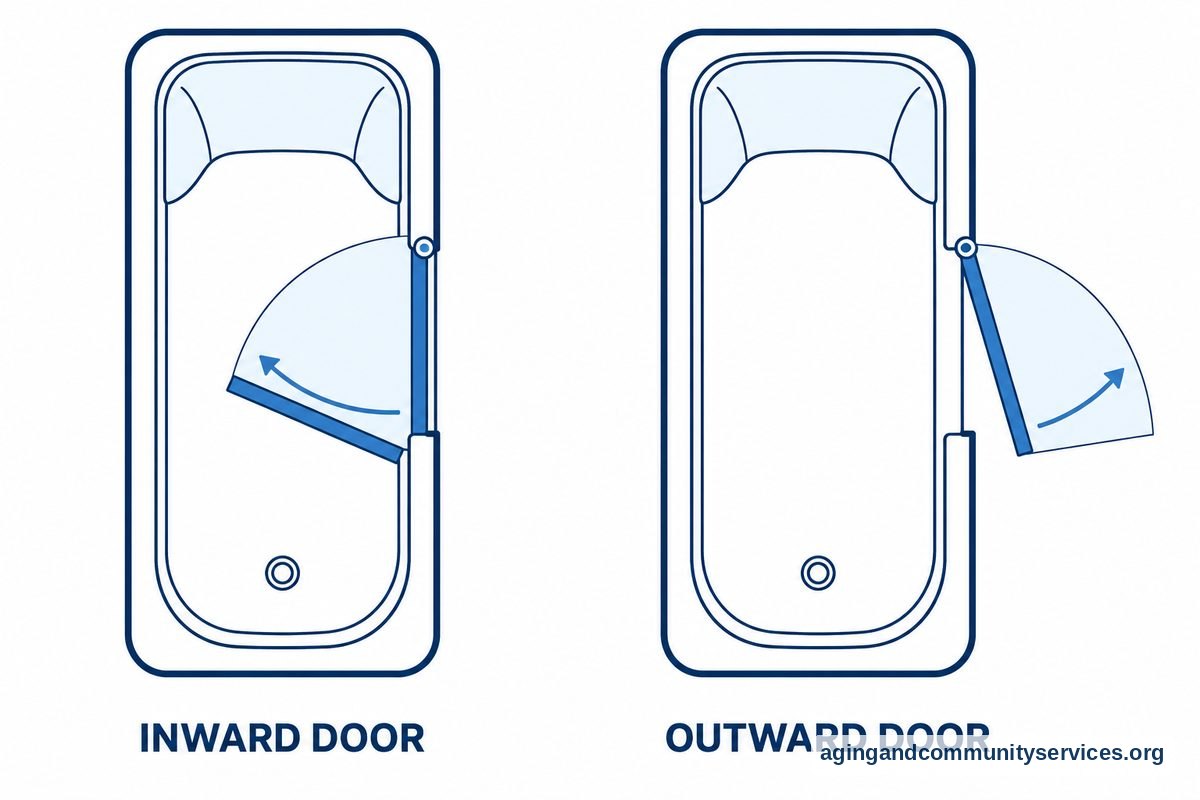
- Inward-swinging doors: These save space in small bathrooms because the door clears outside fixtures. However, you must step inside and step around the door to close it.
- Outward-swinging doors: These swing out into the bathroom, leaving the interior open and clear. They make sitting down much easier, but they require clear floor space outside the tub.
- Slide-in or transfer models: These tubs feature a wide door that opens completely to the seat level. They work well for anyone transferring from a wheelchair or walker.
Measure Your Bathroom Space and Doorways
Standard walk-in bathtubs are designed to fit into the sixty-inch opening left by a traditional tub. However, walk-in models are taller and sometimes wider than standard fixtures. Taking precise measurements of your room prevents surprises during delivery and installation.
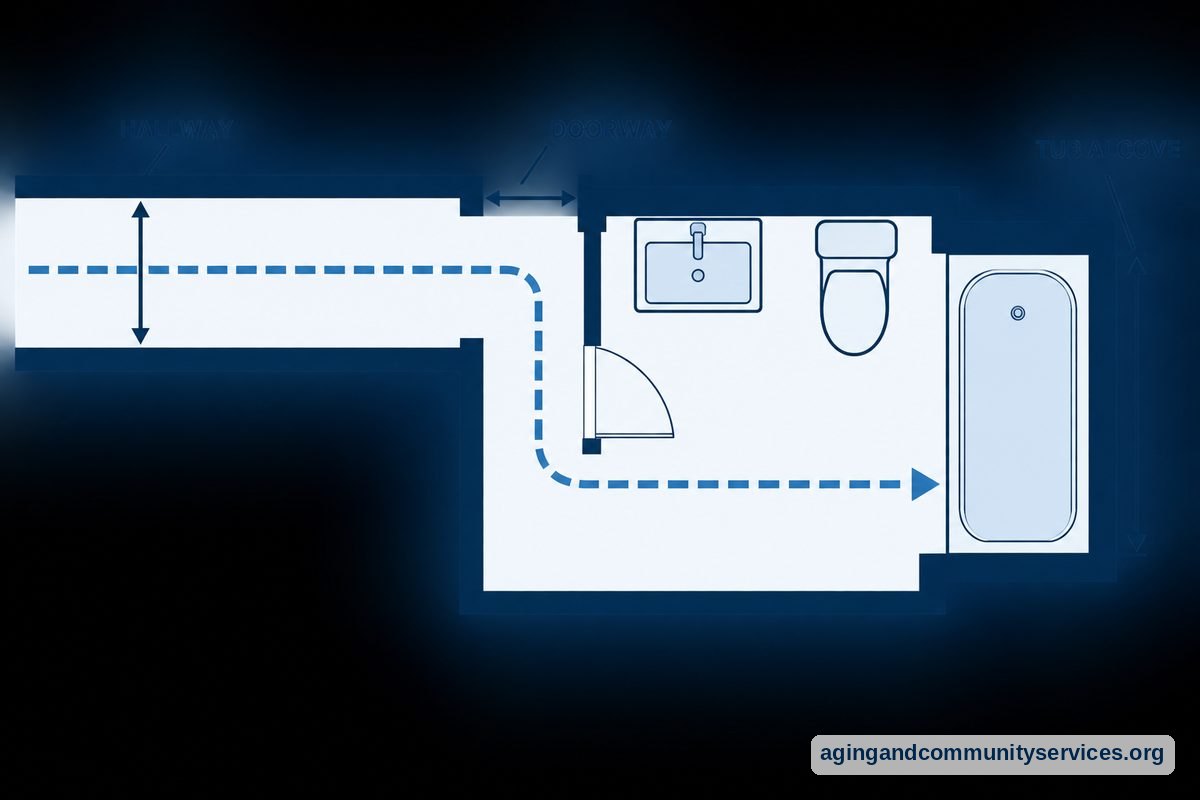
Begin by measuring the width and length of your current tub footprint. Check the path from your front entrance through the hallways and into the bathroom. Standard doorways are often thirty inches wide, while some tubs require thirty-two inches of clearance to pass through.
Think about how the tub works alongside your overall plan for bathroom remodeling for elderly safety. You want enough room around the tub to dry off comfortably and move safely around the sink and toilet. For additional ideas on planning a home that supports independence, the National Institute on Aging: Aging in Place guide offers valuable suggestions.
Review Water Heater and Plumbing Capacity
A walk-in tub holds significantly more water than a traditional bathtub. Standard tubs use around thirty to forty gallons, but walk-in tubs often require fifty to eighty gallons to cover your shoulders when seated. Your home water heater must be large enough to fill the tub with warm water.
Check the capacity of your existing water heater tank. A forty-gallon tank may run out of hot water before a large tub fills up completely. In many cases, homeowners upgrade to a fifty-gallon or larger tank, or they install a dedicated tankless water heater for the bathroom.
Drainage speed is another essential plumbing factor. Because the door cannot open until the water drains below the sill, you must sit in the tub while it empties. Look for models with dual drains or fast-drain pumps that empty the water in two to three minutes.
| Feature | Standard Tub | Walk In Tub |
|---|---|---|
| Water Volume | 30 to 40 gallons | 50 to 80 gallons |
| Threshold Height | 14 to 18 inches | 3 to 7 inches |
| Seating Position | Flat on tub floor | Upright chair height |
| Drain Time | 1 to 2 minutes | 2 to 8 minutes |
Select Practical Safety and Comfort Features
Manufacturers offer many therapeutic add-ons, but basic safety hardware should always come first. Sturdy grab bars built directly into the tub frame provide solid support when sitting and standing. Proper grab bar placement in bathtub areas gives you steady contact points from the moment you step inside.
Look for textured, slip-resistant flooring across the entire bottom of the tub. The door handle should latch securely with minimal hand strength, creating a watertight seal that does not leak. Flexible handheld shower heads for seniors make it easy to rinse off and wash hair while seated comfortably.
Optional comfort features can enhance your bathing experience:
- Hydrotherapy jets: Water jets offer a deep massage for tired muscles, though they require routine cleaning to keep internal lines clear.
- Air jets: Air bubbles produce a gentle, soothing sensation and are generally easier to keep clean than water jets.
- Heated seats: A heated seat and backrest keep you warm while the tub fills with water and while it drains.
- Ozone sanitation: An automatic cleaning system uses ozone to sanitize water lines and reduce buildup.

Consider Lower-Cost Alternatives
A complete walk-in tub installation involves plumbing, electrical work, and carpentry. If you need a practical solution right away or live in a rental, temporary equipment might meet your needs. Many older adults find that simple equipment provides great support without major renovations.
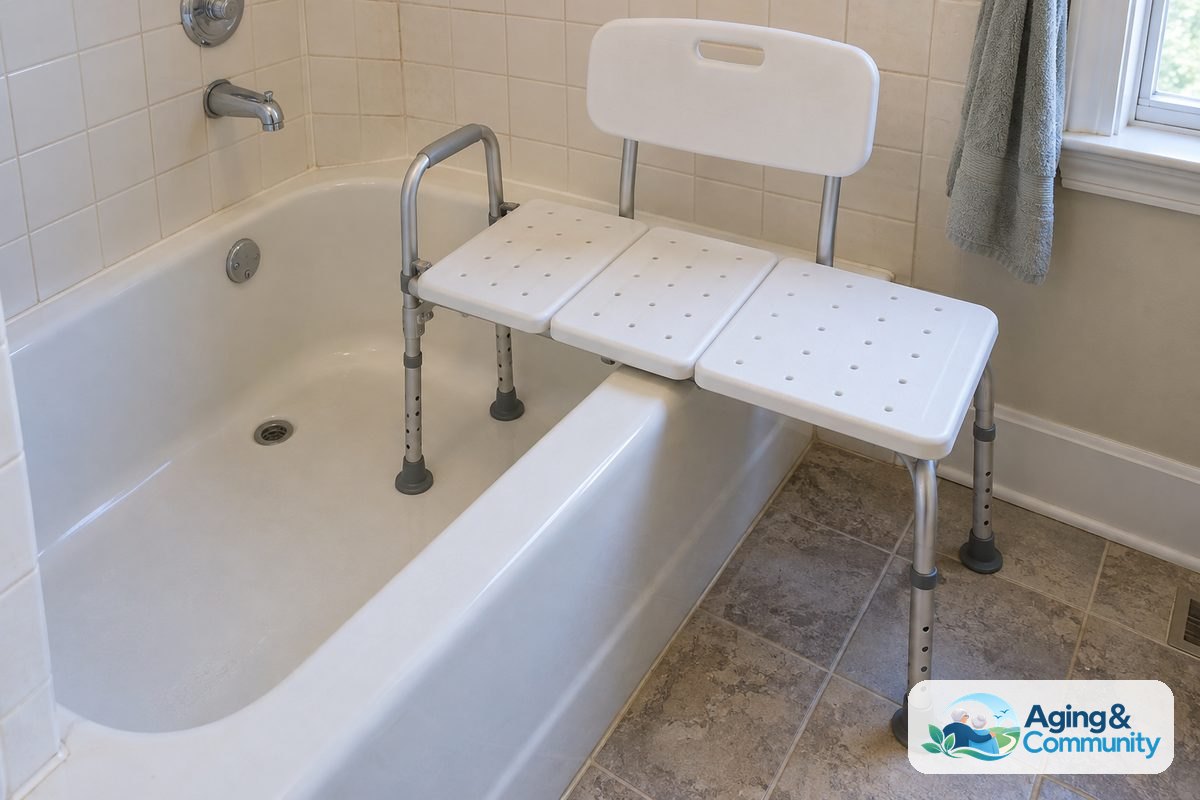
For example, sturdy tub transfer benches allow you to sit down outside the tub rim and slide smoothly across into the water. Tub-cut conversions are another option where a professional cuts a section out of your existing tub wall to create a low step-in opening. If you need help locating home modification programs in your area, contact the Eldercare Locator to find local assistance.
What to Do Next
Taking simple, methodical steps will help you choose the right model without feeling rushed or overwhelmed.
- Measure your doorways: Use a tape measure to check every doorway, hallway turn, and open space between your front door and the bathroom.
- Check your water heater: Note the gallon capacity listed on the side of your water heater tank to see if it can handle a larger tub.
- Consult a professional: Speak with a physical therapist or an occupational therapist to identify the exact seat height and door style that match your mobility.
- Request multiple estimates: Contact at least three licensed contractors who specialize in walk-in tubs to compare equipment warranties, labor costs, and installation timelines.
Frequently Asked Questions
How long does it take for a walk in tub to fill and drain?
Most walk-in bathtubs take between five and ten minutes to fill, depending on your home water pressure and pipe size. Draining typically takes between two and eight minutes. Models equipped with fast-drain pumps empty much quicker, which helps you step out into the warm room without waiting too long.
Can a walk in tub be installed in any bathroom?
Most walk-in tubs can fit into any bathroom that currently has a standard sixty-inch bathtub. However, the installer must be able to bring the unit through your hallways and doorways. You also need access to adequate electrical circuits if you choose models with pumps, heated surfaces, or air blowers.
Is a walk in tub better than a roll-in shower?
The choice between a tub and a roll-in shower depends on personal preference. Walk-in tubs are ideal for people who prefer warm, soaking baths for comfort and relaxation. Roll-in showers offer seamless entry without any door to wait behind, making them very practical for individuals who use wheelchairs or prefer quick showers.
What should I look for in a walk in tub warranty?
Look for a lifetime warranty on the door seal, as leaks can cause water damage over time. The tub shell and frame should also have long-term warranty coverage. Mechanical parts like water pumps, air blowers, and fast drains usually carry shorter warranties of one to five years.