

Learning how to choose a hospital bed for home starts with matching the bed functions to your daily physical needs, room size, and caregiver support. The right bed offers restful sleep while making transfers into and out of bed much easier. Taking time to review adjustments, mattress types, and safety options will help you make a confident decision.

Understand the Three Main Hospital Bed Types
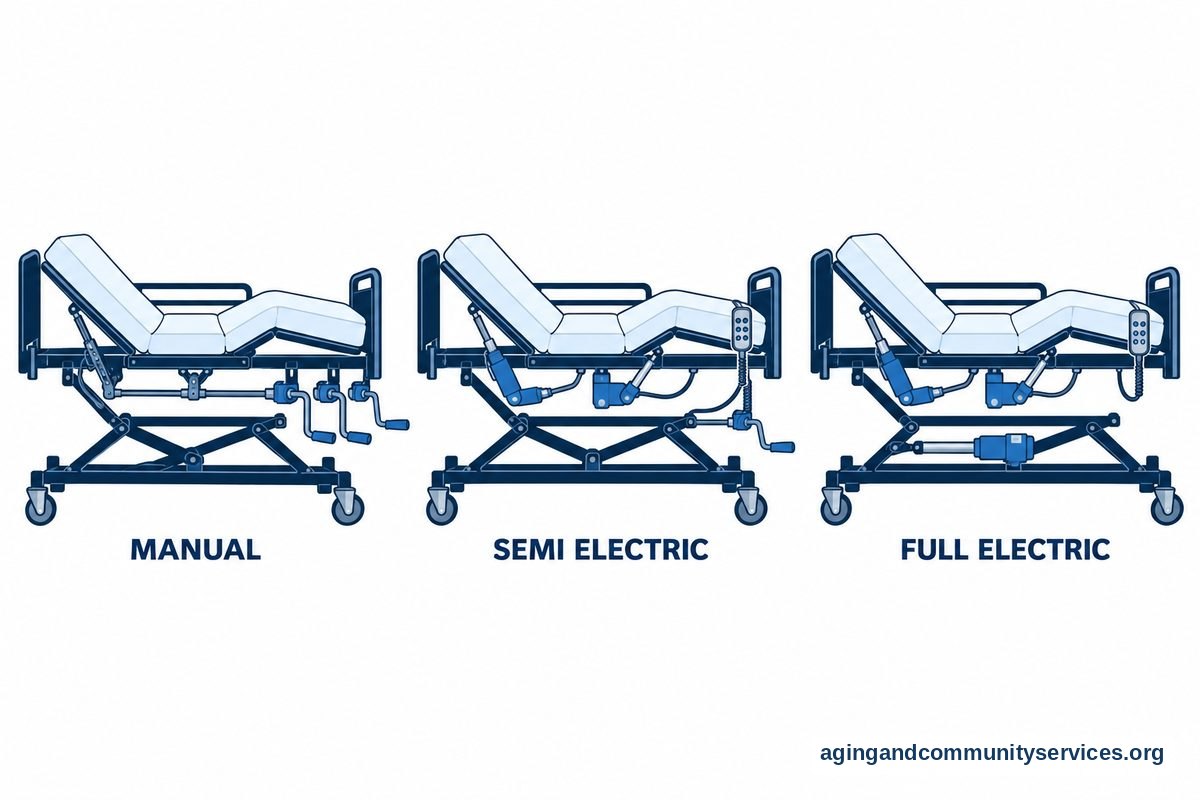
When you start exploring how to choose a hospital bed, you will notice three basic operating styles. Each style changes how the head, foot, and overall bed height move up and down.
- Manual beds: These models use hand cranks located at the foot of the bed. They require physical effort from a caregiver to turn the cranks. They work without electricity, but they can be tiring for daily adjustments.
- Semi-electric beds: A handheld remote controls the head and foot sections using an electric motor. The overall height of the frame from the floor is adjusted using a manual hand crank.
- Full-electric beds: The head, foot, and frame height are all powered by motors. The person resting in bed can manage their own comfort with a simple hand pendant, which supports independence.
For many households exploring hospital bed vs regular bed differences, a full-electric bed offers the greatest ease for both the user and family members.
Match the Bed to Daily Mobility and Safety Needs
Safety is often the primary reason families bring medical furniture into the living space. Changes in strength or balance can make an ordinary mattress difficult to use safely.
Resources from the National Institute on Aging on falls show that simple home adjustments can lower the risk of accidents. Choosing a frame that lowers close to the floor makes standing up much safer for people with unsteady footing.
Consider these key functional features:
- Height adjustability: Raising the bed helps a family caregiver assist with personal care without straining their back. Lowering the bed makes it easier for feet to touch the floor flat before standing.
- Assist rails: Half-length or quarter-length grab rails provide a sturdy handhold when turning over or sitting up. They offer physical support without creating a sense of confinement.
- Bariatric support: Standard home medical beds generally support up to 450 pounds. Heavy-duty bariatric models feature wider sleeping surfaces and reinforced frames for higher weight capacities.
If you are reviewing options for a family member with limited movement, exploring specialised beds for elderly with mobility issues can help you compare safety designs.

Select the Right Mattress for Skin Health and Comfort
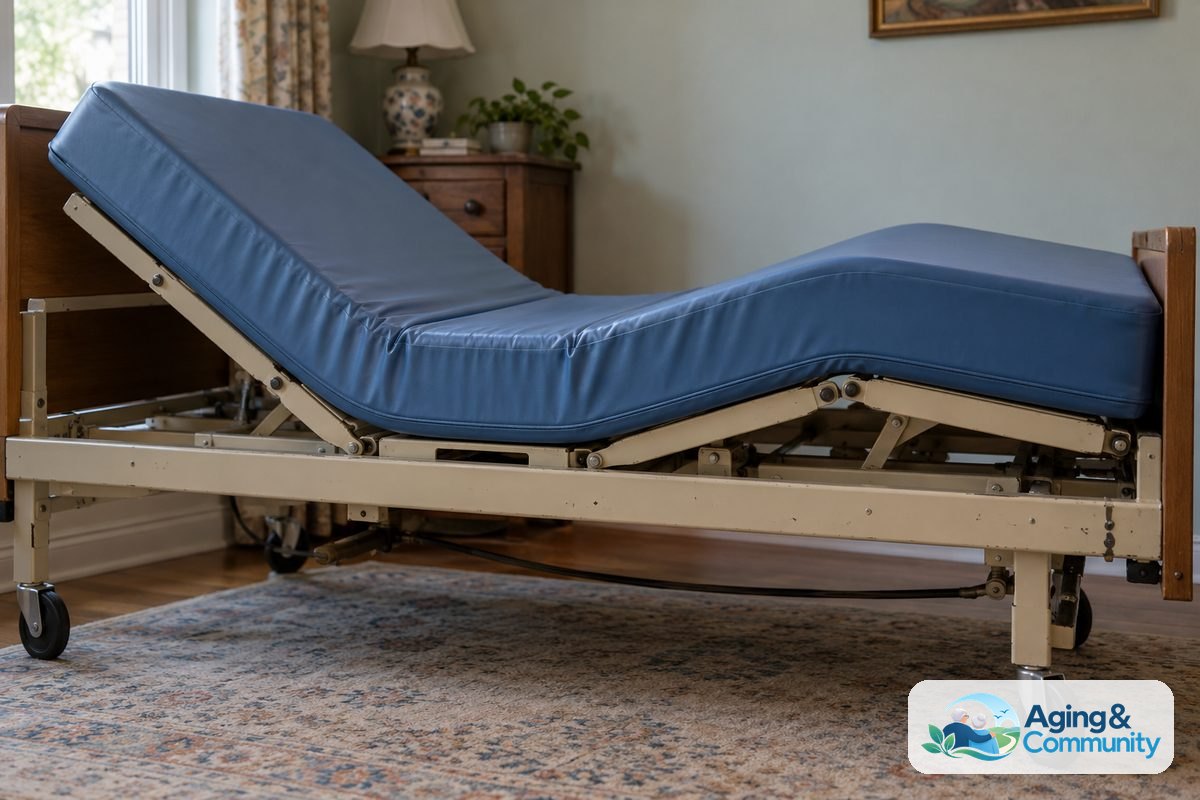
A hospital frame requires a flexible medical mattress that bends as the head and foot sections elevate. Standard innerspring mattresses from a furniture store cannot bend properly and should not be used on these frames.
Spending long periods resting in one position can put continuous pressure on sensitive skin. Choosing the proper surface helps protect skin integrity over time:
- Therapeutic foam: High-density foam mattresses distribute body weight evenly across the surface. Many include distinct firmness zones to relieve pressure on the heels, hips, and shoulders.
- Alternating pressure mattresses: These systems use rows of air cells that gently inflate and deflate on a set timer. This movement constantly shifts pressure points across the body to support blood circulation.
- Waterproof covers: Look for breathable, antimicrobial covers that wipe clean easily. Moisture-resistant fabrics protect the core materials while keeping the sleeping surface cool.
Measure Room Space and Delivery Access
Hospital frames are larger and heavier than standard twin beds. Careful measuring before ordering prevents delivery surprises and ensures the room remains pleasant and easy to navigate.
Keep these layout points in mind:
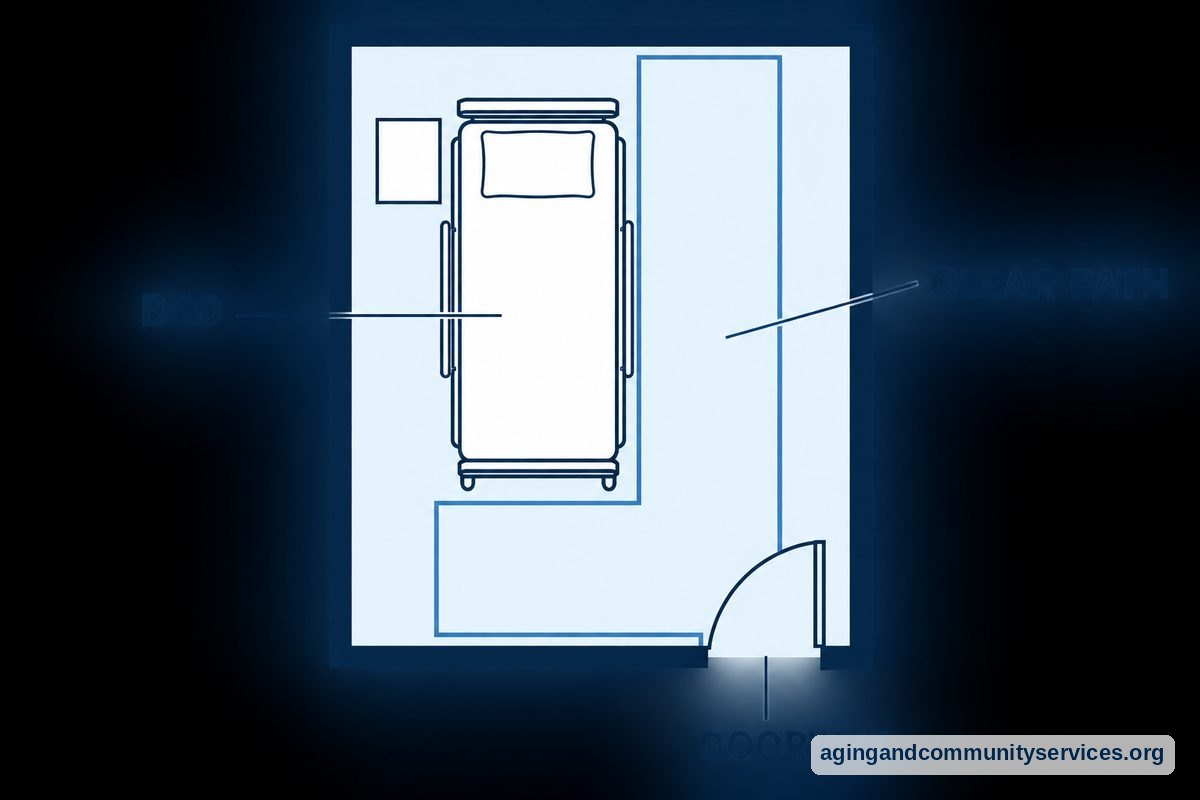
- Clear pathways: Allow at least three feet of open walking space on the side of the bed where transfers happen. Make sure there is enough room for a walker or wheelchair to turn.
- Wall and ceiling clearance: When the head of the bed elevates, the frame may shift slightly. Keep space between the headboard and the wall so drywall does not get scratched.
- Power outlets: Electric models need a grounded wall outlet nearby. Avoid running power cords across open walkways where they might present a tripping hazard.
- Doorways and turns: Measure door frames, hallways, and stairwells to confirm the delivery team can bring the equipment inside without difficulty.
Setting up the bedroom thoughtfully supports comfortable aging in place in familiar surroundings.
Look at Insurance and Rental Options
A home hospital bed is considered durable medical equipment by most health insurance plans. Coverage usually requires a written order from a primary care doctor stating that the bed is medically necessary.
Understanding whether Medicare covers hospital bed rentals helps you decide whether to rent or purchase the frame. Monthly rentals are often practical for short-term recovery after a surgery or hospital stay. Outright purchase can make more financial sense for permanent, long-term living needs.
What to Do Next
Taking a few organised steps will help your family move forward smoothly:
- Speak with the healthcare team: Ask a doctor, physical therapist, or occupational therapist for clear recommendations on bed functions. They can explain which positions best support breathing, digestion, and transfers.
- Measure the bedroom: Grab a tape measure and map out the floor plan. Ensure there is plenty of room for caregiving tasks and mobility equipment.
- Review local suppliers: Contact local medical supply companies to see models in person. Test the hand controls and listen to how quietly the motors run.
- Connect with community support: If you need guidance on local programs for older adults, the Eldercare Locator connects families to local resources and area agencies on aging.
- Plan the setup: Once the bed arrives, practice using the controls before the user rests on it. Learning how to use hospital bed safety features ahead of time builds confidence for everyone involved.
Frequently Asked Questions
What is the difference between a semi-electric and full-electric bed?
A semi-electric bed uses electric motors to raise and lower the head and foot sections, but requires a manual hand crank to adjust the overall frame height. A full-electric bed uses electric controls for all three movements, including raising the entire bed frame up and down from the floor.
Can I use my regular twin mattress on an adjustable hospital frame?
No, standard twin mattresses are built with rigid borders and inner springs that cannot bend safely when the bed articulates. Medical mattresses are made with specialized flexible cores that adjust to frame angles without damaging the internal structure.
What size sheets fit a home medical bed?
Most standard medical frames take twin extra-long (Twin XL) sheets, measuring 36 inches by 80 inches. Be sure to choose deep-pocket fitted sheets, especially if you add a mattress topper or an alternating air pressure pad.
Are side rails included when ordering a bed frame?
Side rails are often sold separately because different users have different physical requirements. You can choose full-length rails for rolling support or smaller assist handles designed primarily to assist with standing up and sitting down.
How do I know if an adjustable bed can handle my weight?
Every medical bed features a stated manufacturer weight capacity. Standard frames typically hold up to 450 pounds, which includes the sleeper, mattress, and bedding. Bariatric frames are available with wider platforms that safely support between 600 and 1,000 pounds.