

Learning how to choose adult diapers starts with matching the product style and absorbency level to a person’s daily routine and physical mobility. Getting a secure fit around the waist and legs ensures comfort while protecting everyday clothing and bedding. By taking simple body measurements and reviewing daily routines, families can select supportive products that protect skin health and personal dignity.
Understanding the Main Types of Incontinence Products
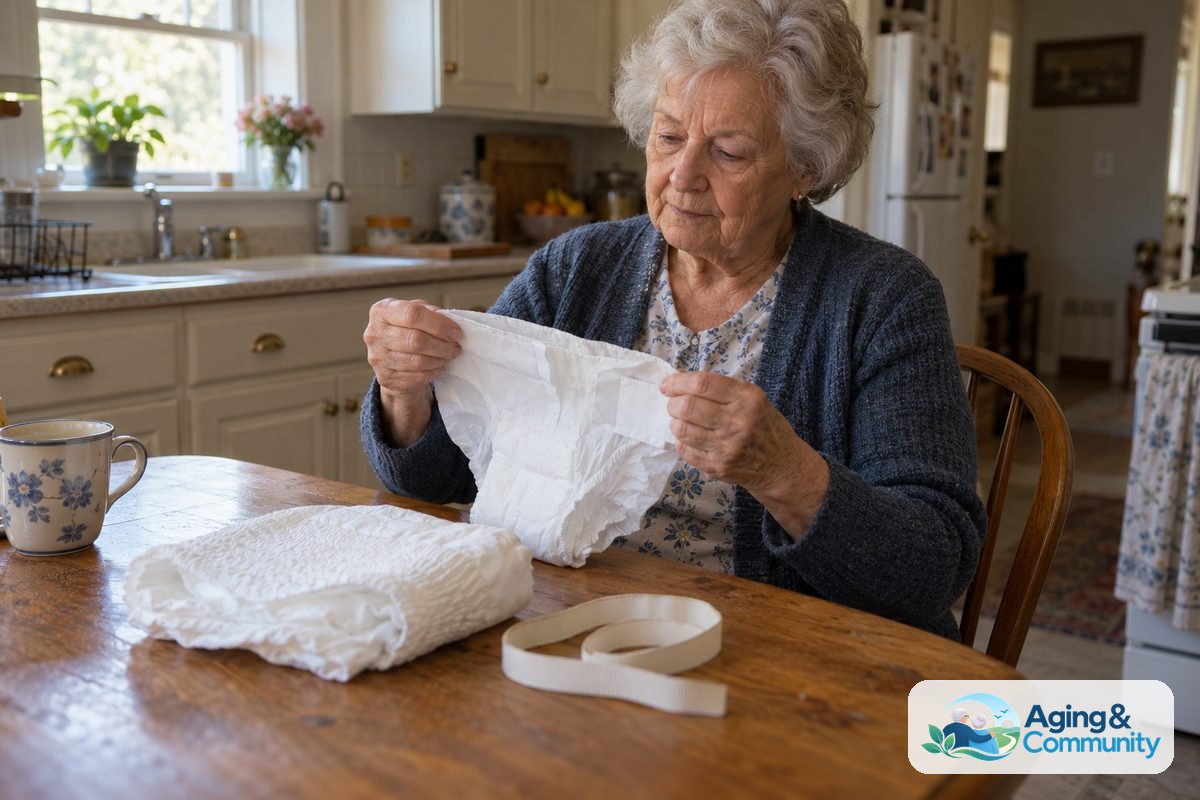
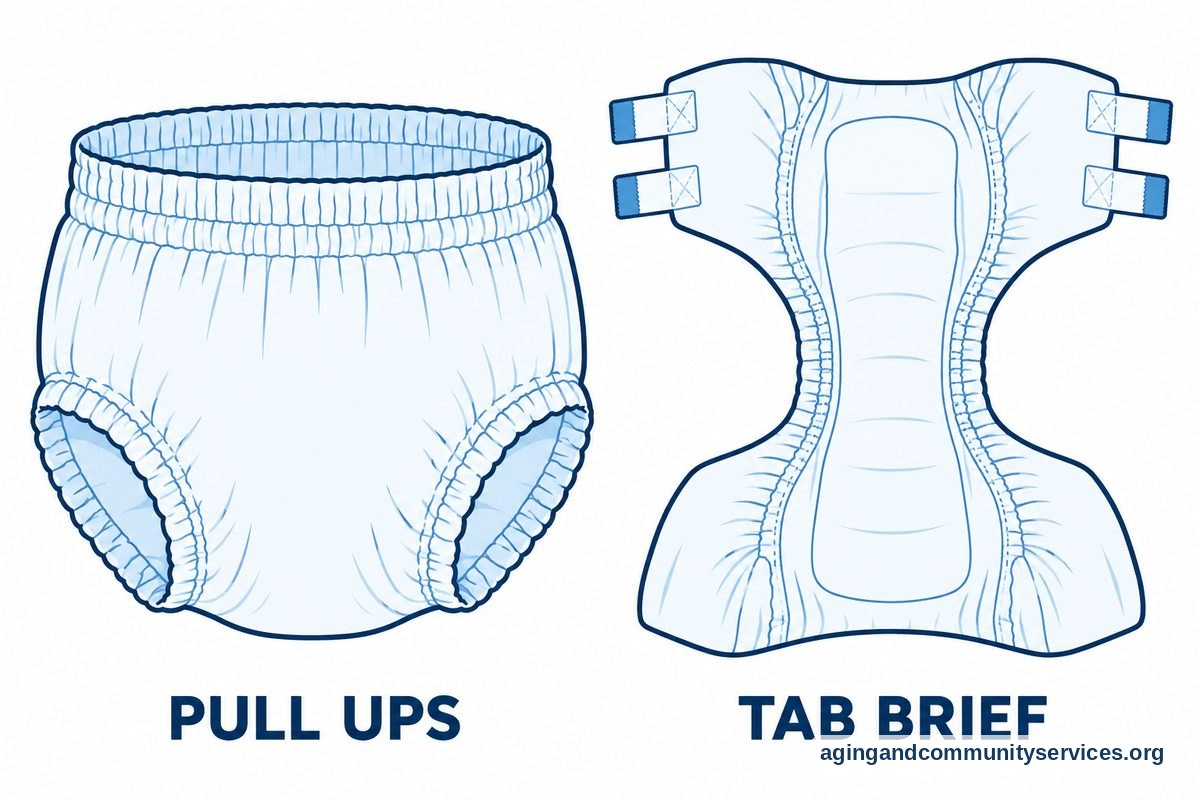
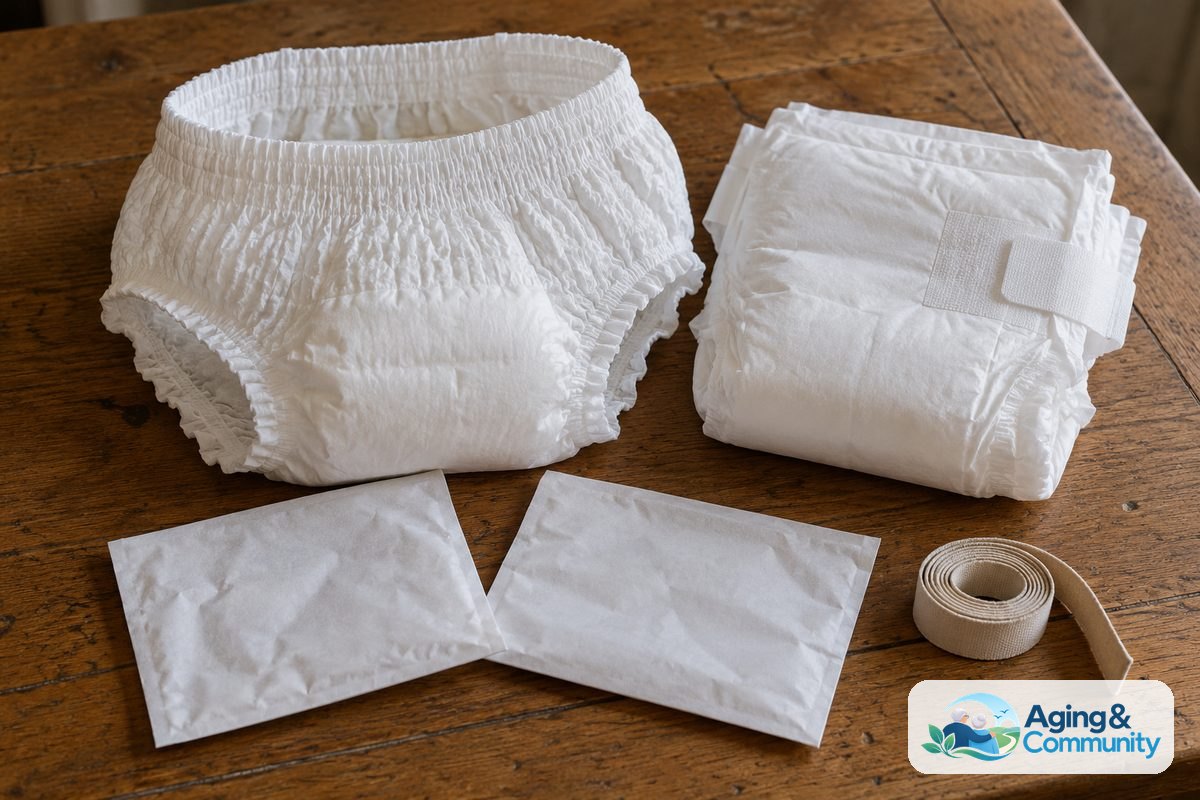
Adult incontinence products generally fall into two broad styles: pull-up underwear and tab-style briefs. Pull-up underwear looks and feels similar to regular cotton undergarments. They feature an elastic waistband that slides on and off easily, making them ideal for individuals who walk independently and can use the bathroom on their own.
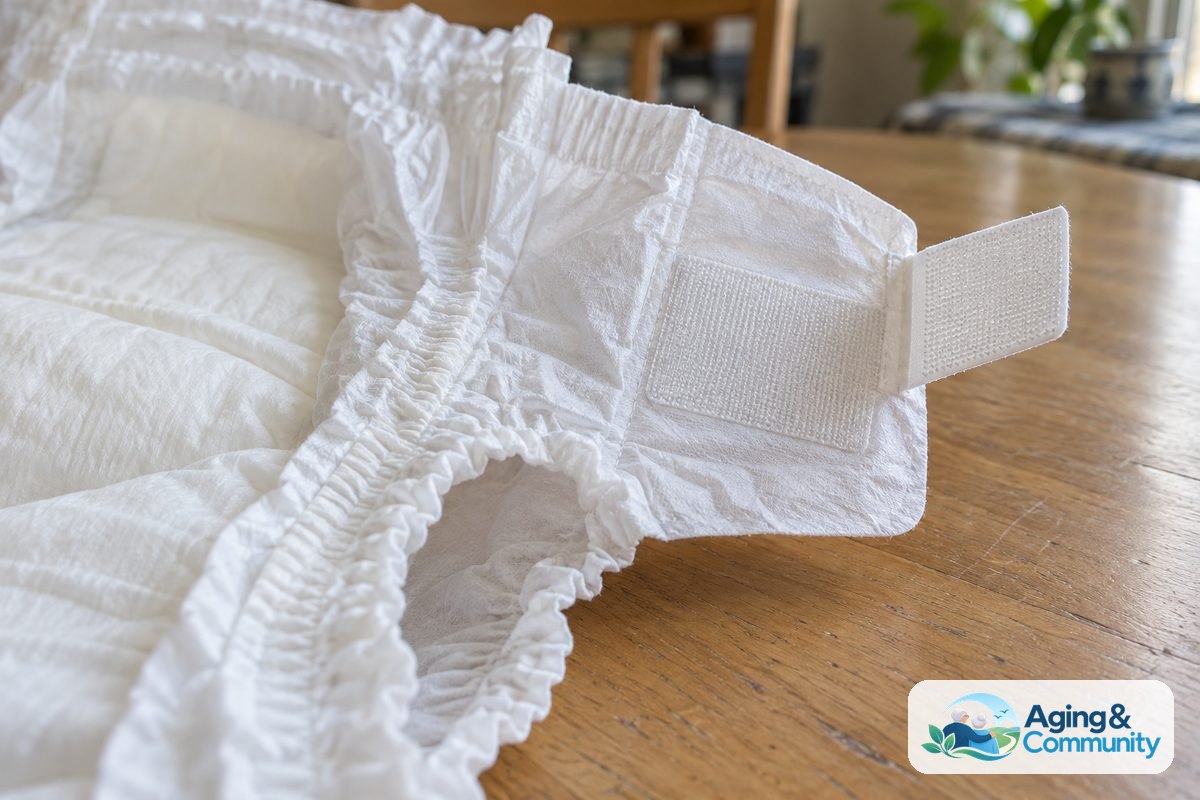
Tab-style briefs feature re-fastenable side tape closures. These products work well for individuals who have limited mobility or need help from a caregiver while lying down. Side tabs allow caregivers to change products quickly without removing pants or shoes entirely. For lighter leaks, comparing adult diapers vs pads can help you decide if a lighter pant liner is sufficient instead of a full brief.
Some products are tailored for specific body anatomies. For example, absorbent products designed for women often place extra padding in the center and lower areas, which is common in specialized diapers for elderly woman styles.
How to Choose Adult Diapers Size Correctly
Getting the right size is essential because an improper fit is the primary cause of leaks. Many people think buying a larger size offers more absorbency, but it actually creates loose gaps around the legs where fluid can escape. Adult diaper sizes do not always match standard clothing sizes, so using actual body measurements is the best approach.
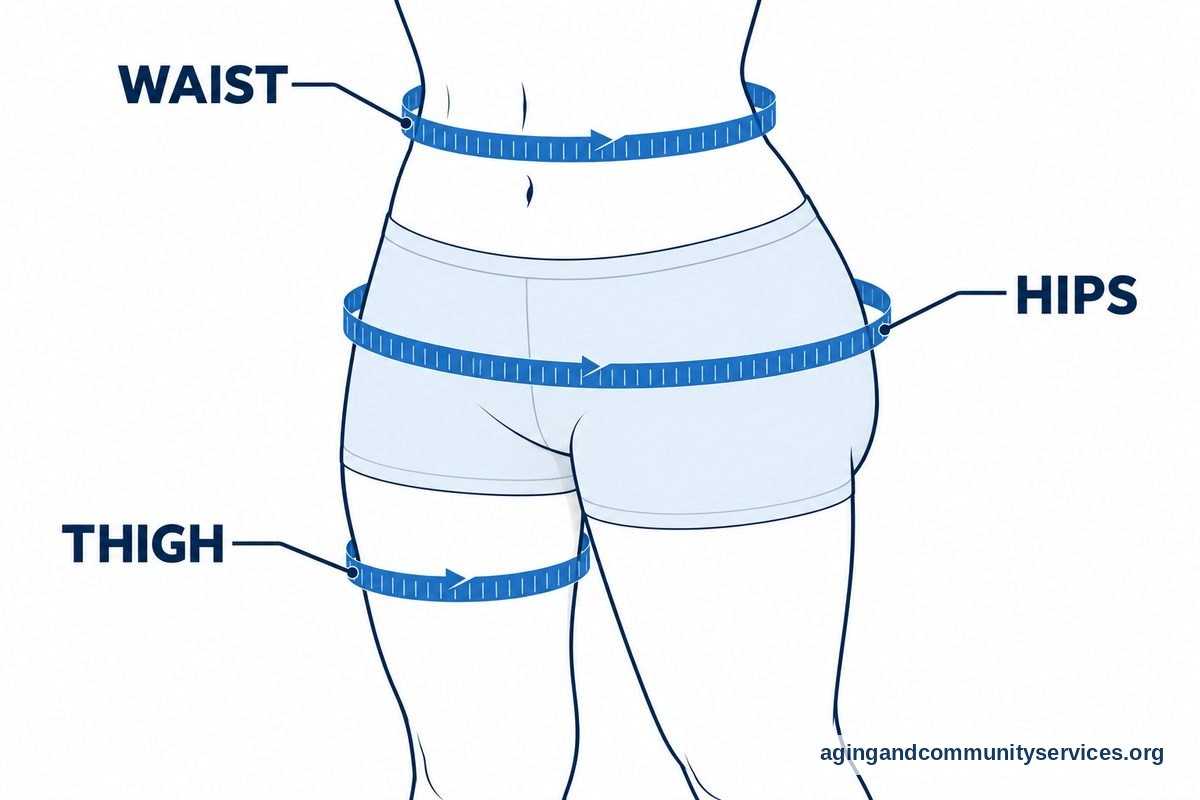
To measure accurately, use a flexible cloth tape measure and record two primary areas:
- Waist and Hips: Measure around the natural waistline near the belly button, and then measure around the widest part of the hips. Use the larger of these two numbers when consulting brand size charts.
- Leg Openings: Measure around the top of the thigh where the leg cuff will sit. The leg gathers should rest snugly against the skin without digging into tissue or leaving red marks.
- Weight Guidelines: Weight ranges on packaging can provide a secondary reference point, but hip and waist dimensions are always the most accurate guide.
If measurements fall directly between two sizes, it is generally best to choose the smaller size. A snug fit against the skin stops leaks far better than a loose garment with gaps.
Matching Absorbency Levels to Daily Needs
Absorbency needs change depending on the time of day, fluid intake, and the underlying reasons for incontinence. Matching the absorbency rating to actual daily patterns helps reduce unnecessary bulk while maintaining dry skin throughout the day and night.
- Light Absorbency: Designed for occasional dribbles when coughing, laughing, or exercising. These are thin and discreet under lightweight clothing.
- Moderate Absorbency: Suitable for larger surges when an individual cannot reach the bathroom immediately upon feeling the urge.
- Heavy Absorbency: Needed for continuous leakage or full bladder voids. These garments have thicker polymer cores that turn liquid into gel.
- Overnight Absorbency: Built with extended front-to-back padding and heavy-duty wicking cores. They hold higher fluid volumes so that older adults and their caregivers can sleep through the night without frequent disruptions.
Features That Improve Comfort and Skin Wellness
Long-term comfort depends heavily on product materials and manufacturing details. Modern absorbent garments use breathable outer layers rather than traditional crinkly plastic backing. Breathable fabric allows heat and humidity to escape, which keeps skin cooler and lowers the chances of irritation.
Look for products with wide, tear-away side seams on pull-on styles, which make disposal clean and quick. For tab-style garments, refastenable tabs allow you to open the brief, check for dampness, and refasten the garment without ripping the material.
Moisture can compromise delicate skin quickly. Alongside wearing the right products, using protective barrier creams for elderly incontinence helps shield skin from moisture damage. For step-by-step guidance on positioning and changing these garments properly, reviewing how to use adult diapers can help family caregivers build a smooth daily routine.
Managing Costs and Supply Options
Purchasing incontinence supplies is an ongoing household expense that benefits from advance planning. Buying in bulk cases online often provides significant cost savings compared to purchasing small retail packages at local drugstores. Regular home delivery also removes the physical burden of transporting large packages home.
Many families wonder about insurance coverage for these personal care essentials. Checking whether does medicare cover adult diapers can clarify coverage boundaries, as standard Medicare usually does not pay for routine disposable briefs, although some Medicaid and Medicare Advantage programs provide monthly allowances.
Local community resources can also help families find support. Contacting the Eldercare Locator can connect you with regional area agencies on aging that offer caregiver support services and supply resources.
What to Do Next
Taking a few methodical steps will help you establish a dependable routine without unnecessary stress:
- Take careful measurements: Write down exact waist, hip, and thigh measurements using a soft tape measure before ordering any products.
- Order small sample packs: Many manufacturers and medical supply companies offer trial kits or travel-size packs. Test one or two pairs during the day to evaluate fit and absorbency before buying full cases.
- Assess nighttime needs: If morning leaks occur, test an overnight-rated product or consider an absorbent booster pad rather than moving to a larger size.
- Consult healthcare professionals: Talk with a primary care doctor, physical therapist, or occupational therapist. Sudden changes in bladder control can stem from urinary tract infections or medication changes, and a doctor can evaluate any underlying medical causes.
- Review safety and surroundings: Frequent rushes to the bathroom can lead to balance issues. Review the guide from the National Institute on Aging: Falls and Falls Prevention to keep pathways clear and reduce hurry-related hazards.
Frequently Asked Questions
How do I know if an adult diaper fits properly?
A properly fitting diaper rests flat against the stomach and back without rolling down at the waistband. The leg cuffs should fit close to the skin like snug underwear, with no loose gaps, pinching, or red indentations after removal. You should be able to slide one finger comfortably between the leg band and the skin.
Why is my adult diaper leaking around the legs?
Leg leaks usually happen because the product is too large, creating open gaps when sitting or moving. Leaks can also occur if the absorbent core reaches full capacity faster than expected. Switching to a smaller size or selecting a product with higher absorbency usually resolves the issue.
Can you wear an adult diaper all day?
An adult diaper should not be worn all day without changing. Products should be changed promptly when wet or soiled, typically every two to four hours for moderate use. Prolonged contact with moisture can cause skin breakdown, irritation, and odor.
What is the difference between pull-ups and adult diapers with tabs?
Pull-ups have a continuous elastic waistband and are worn like standard underwear, making them ideal for active individuals who use the toilet. Tab-style adult diapers open flat and secure on the sides with adhesive or hook-and-loop tabs, making them easier to put on someone who is bed-bound or requires caregiver assistance.
How should I measure someone who is bedridden for adult diapers?
Have the person lie flat or turn gently on their side. Wrap the measuring tape around the widest part of their hips, across the buttocks, and around to the front hip bone. Use this hip measurement along with their waist size to match the manufacturer sizing chart.