

When comparing a traditional blood pressure monitor vs smart watch, the right pick comes down to whether you need medical accuracy or everyday habit tracking. A dedicated upper-arm cuff remains the top choice for doctor-approved numbers and managing prescriptions. A wearable watch works nicely for checking daily movement and general wellness trends on your wrist.
Keeping an eye on your cardiovascular wellness is an important part of healthy living. Many older adults find that checking numbers at home gives them confidence between regular clinic visits. Talking with your healthcare provider will help you choose a routine that matches your specific health goals.
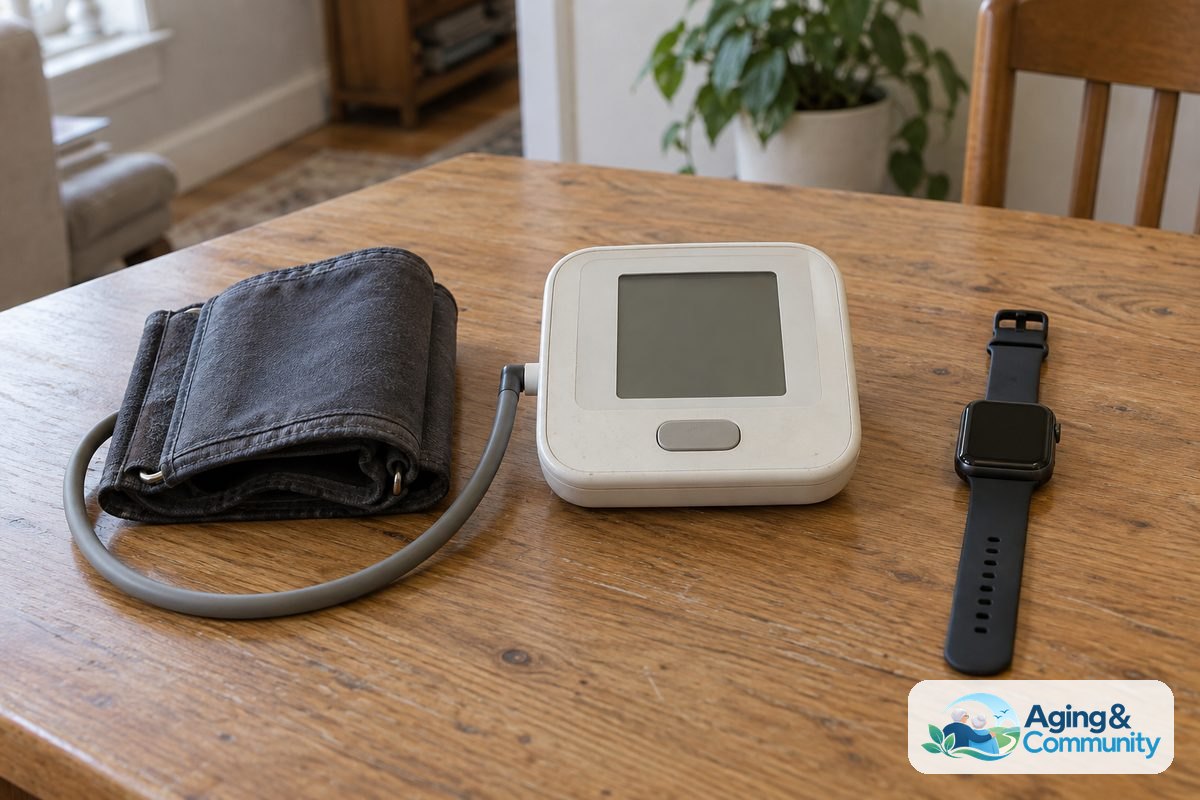
Key Differences Between Monitors and Smartwatches
Both tools can help you pay closer attention to your daily habits. However, they work in very different ways and offer different levels of detail. Here is how they compare across several practical areas.
| Feature | Traditional Blood Pressure Monitor | Smart Watch Wearable |
|---|---|---|
| Measurement Method | Inflatable arm or wrist cuff that senses physical blood pulse waves | Optical light sensors or micro-cuff bands on the wrist |
| Doctor Acceptance | Widely trusted and recommended for clinical decisions | Viewed as an estimate or general wellness indicator |
| Ease of Daily Wear | Stored in a drawer or basket and used while sitting quietly | Worn on the wrist all day and night like a piece of jewelry |
| Extra Health Features | Heart rate pulse check and basic irregular beat alerts | Step counts, sleep tracking, fall detection, and text alerts |
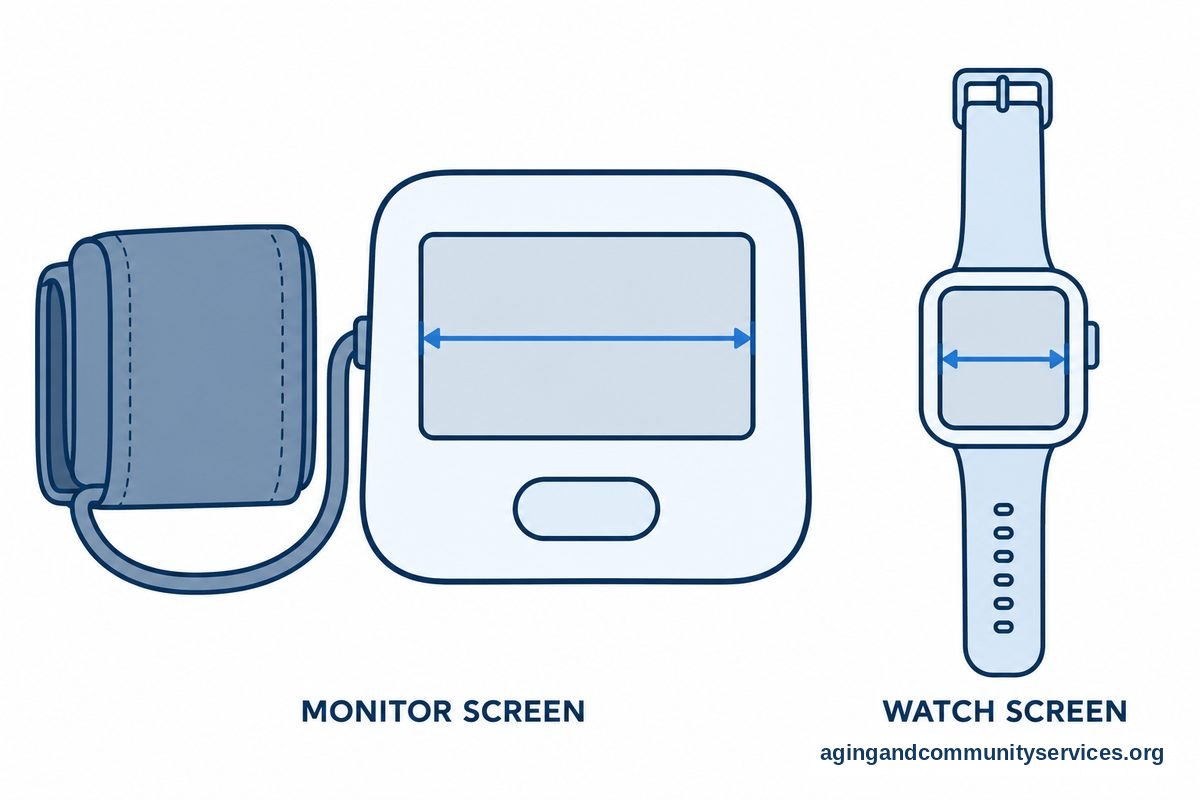
| Ease of Reading | Large display screens with very big numbers | Small digital screens with menus and touch icons |
| Setup Routine | Put on cuff, rest arm on table, and press one start button | Pair with a smartphone, charge battery often, and calibrate |
Dedicated Blood Pressure Monitors
A dedicated blood pressure monitor is built for one specific job. Most models use an inflatable cuff that wraps snugly around your upper arm. When you press the start button, the cuff fills with air, gently squeezes, and listens to the flow of blood through your artery as it deflates.
These units are considered the gold standard for home health tracking. Doctors and cardiologists rely on these readings because the cuff sits level with your heart. When you take your logbook to your next appointment, your provider can use those exact numbers to adjust medications or check on your progress.
Many people find these devices very simple to manage each day. Most units feature large screens with bold black numbers that are easy to view without reading glasses. If you are reviewing your options, learning how to choose a blood pressure monitor can help you find a comfortable cuff size and an easy one-touch interface.
Who It Suits
A standard monitor suits anyone who has a formal diagnosis like hypertension. It is also the right fit if your doctor specifically asked you to keep a morning and evening blood pressure log. People who prefer straightforward gadgets without smartphone apps or complex charging cords will appreciate how simple these units are to use.
Family caregivers also find cuffs reassuring. It takes only a minute to slide the cuff onto a loved one’s arm, press a single button, and write down the result. Many models also save past readings in memory so you can show them to visiting nurses.
Limits to Keep in Mind
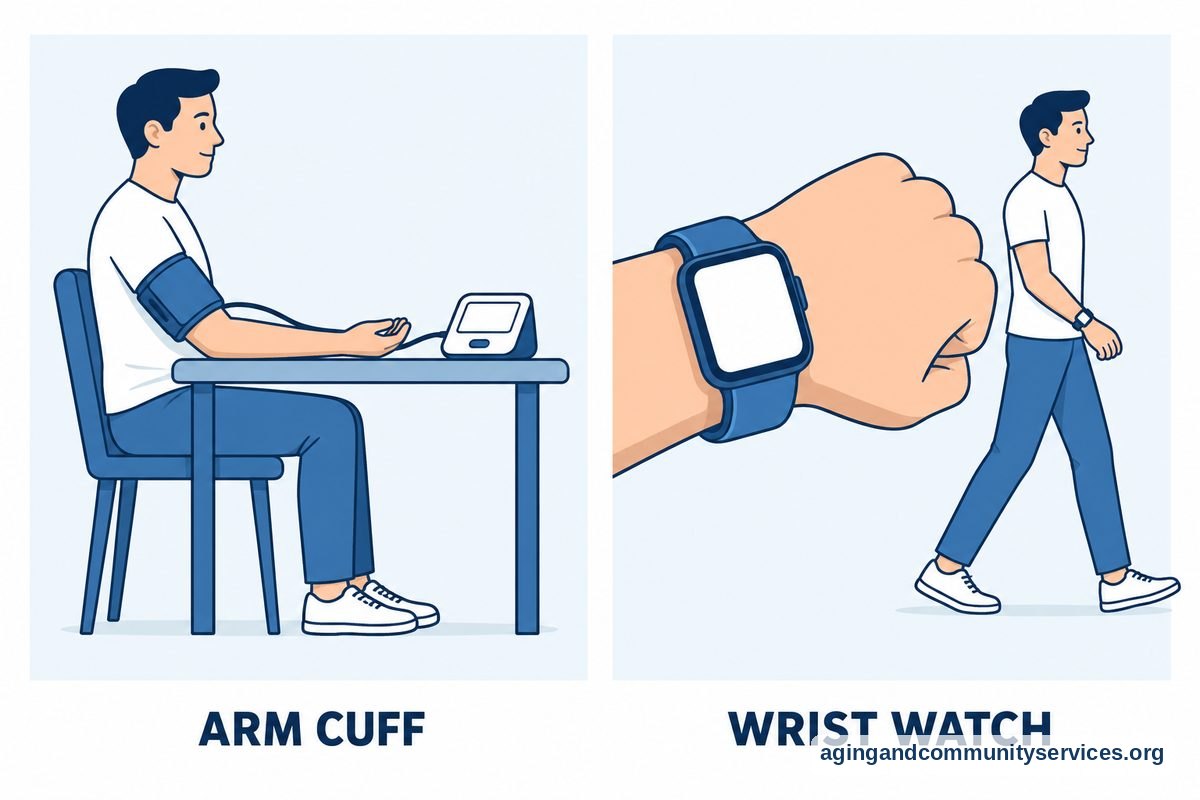
Traditional monitors are not designed for on-the-go checks during a walk or shopping trip. You need to sit down in a quiet room, place your feet flat on the floor, and support your arm on a table for several minutes before pressing start. Moving around or talking during a reading can easily throw off the result.
The inflatable cuff can also feel a bit tight for a few seconds. While this squeeze is necessary to measure arterial pressure, some people with sensitive skin or fragile veins find the pressure briefly uncomfortable. To see models with soft cuffs and easy displays, explore reliable blood pressure monitors for seniors.

Smart Watches with Health Tracking
Smartwatches are modern wrist computers that track your daily habits throughout the day. While traditional monitors focus on a single reading, a watch sits on your wrist continuously. It quietly counts your steps, tracks your resting pulse, and monitors your sleep patterns each night.
Some newer watches claim to measure or estimate blood pressure. Most of these models use optical sensors that shine tiny lights through your skin to study pulse waves. A few specialized models use miniature inflatable straps built right into the watchband to take a more direct reading.
Many families also look at wearables because they include safety tools. Some watches include emergency calling features that support independent living at home. The National Institute on Aging: Aging in Place resources highlight how helpful home tools and safety supports can be for maintaining everyday independence.
Who It Suits
A smartwatch suits active people who want an overall picture of their daily lifestyle. If you enjoy seeing how many steps you take during a morning walk or how well you sleep at night, a watch can make everyday tracking enjoyable. It is also helpful for people who want gentle wrist vibrations that remind them to drink water or stand up and stretch.
A watch can also be a helpful secondary device alongside a regular cuff. You can wear the watch for daily exercise notes while keeping your arm cuff at home for clinical measurements. You can review current wearable models by looking into smartwatches for seniors blood pressure.
Limits to Keep in Mind
It is very important to understand that most smartwatches do not match the accuracy of an upper-arm cuff. Medical organizations do not recommend making medication adjustments based solely on optical watch readings. Many watches also require regular calibration, which means you must test them against a standard arm cuff every few weeks to keep the sensors aligned.
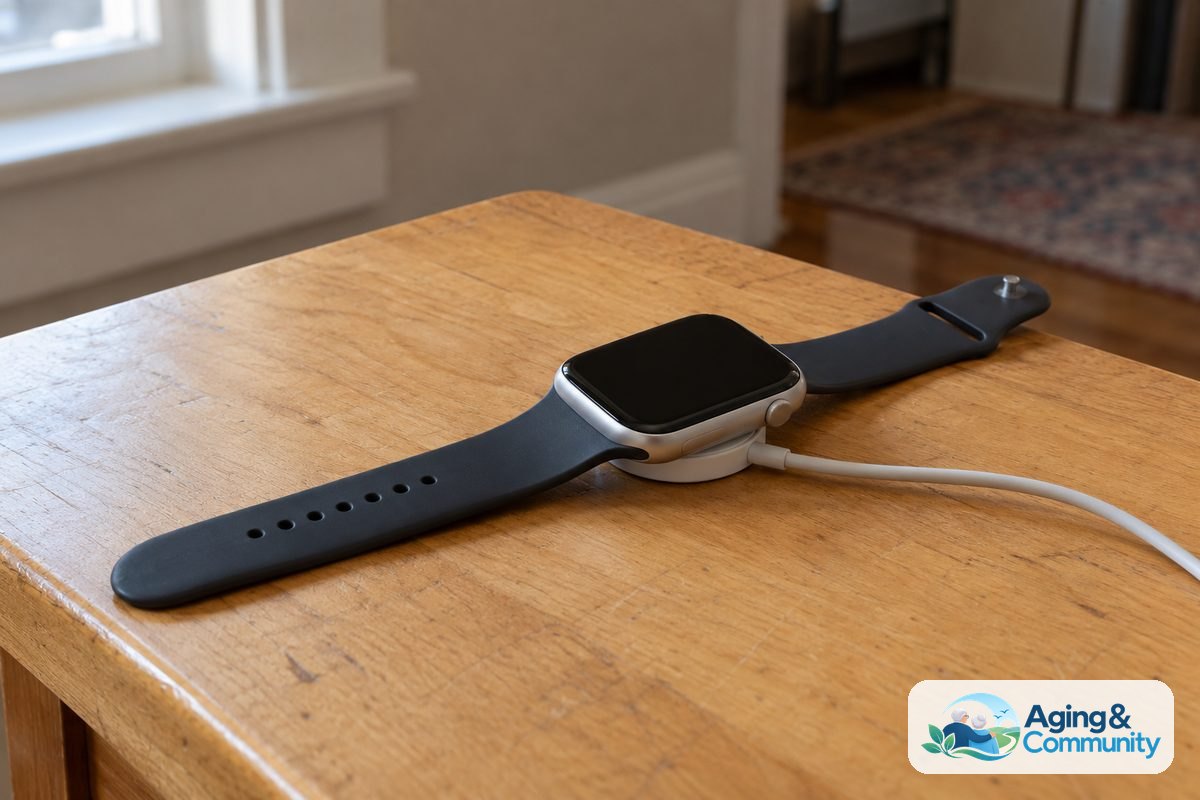
Battery life can also be an issue. Unlike an arm cuff that runs on standard batteries for months, a smartwatch often requires daily charging. Small touchscreens can also be frustrating for hands with stiffness or tremors. If you are comparing brand options, reading about a blood pressure monitor vs apple watch explains what major watch brands can and cannot do.
How to Decide
Choosing between these two health devices comes down to your personal health needs, your daily routine, and what your doctor recommends. Review the situations below to see which choice fits your home best:
- Choose a traditional blood pressure monitor if your doctor needs verified records to manage your cardiovascular health or heart medications.
- Choose a traditional blood pressure monitor if you want a large screen with big numbers and prefer not to deal with touchscreens or smartphone apps.
- Choose a smartwatch if your main goal is staying motivated with daily exercise, tracking daily steps, and receiving medication reminders on your wrist.
- Choose a smartwatch if you want added safety features like built-in motion alerts, which can complement broader routines like the National Institute on Aging: Falls and Falls Prevention guidelines.
- Choose both devices if you want daily fitness tracking on your wrist, but plan to take official, seated measurements with an arm cuff at home.
If you or your family need help finding local resources, health wellness classes, or home care supports, you can connect with community programs through the Eldercare Locator. Talking with a registered nurse or your primary care doctor is always the best first step before buying new health equipment.
Frequently Asked Questions
Can a smartwatch replace my doctor-prescribed arm cuff?
No, a smartwatch cannot replace a standard cuff for medical tracking. Most doctors require upper-arm cuff readings because the cuff sits at the exact level of your heart and measures true arterial pressure. A watch can give you a helpful estimate of trends, but clinical decisions require a validated monitor.
Why do wrist readings often differ from upper-arm readings?
The blood vessels in your wrist are narrower and sit closer to the surface than the large artery in your upper arm. In addition, wrist position matters a great deal. If your wrist is held even slightly above or below heart level, the reading will change. Upper-arm cuffs are much less sensitive to minor hand position errors.
How often do smartwatches need to be calibrated?
Most smartwatches that estimate blood pressure require calibration about once a month. To calibrate the watch, you must take three separate readings with a standard upper-arm cuff and type those numbers into the watch app. If you skip this calibration step, the watch readings can become inaccurate over time.
Is an upper-arm cuff difficult to put on by yourself?
Most modern upper-arm cuffs are pre-formed with a gentle curve, making them easy to slide up your arm using one hand. Many models feature clear fabric markings that show exactly where to position the air tube over your artery. If mobility makes an arm cuff difficult, speak with an occupational therapist about ergonomic cuff styles.
What is the most accurate time of day to take a reading?
Doctors often suggest checking your numbers twice a day. The first check is usually in the morning before eating or taking medications, and the second check is in the evening before bed. Sitting quietly for five minutes before pressing the start button helps ensure your reading is steady and reliable.