

The VA aid and attendance benefit is an increased monthly pension payment for eligible wartime veterans and surviving spouses who need extra help each day. This VA benefit adds money to a monthly pension to help cover the cost of care when everyday tasks become hard to manage alone. It is designed to provide practical support for those who qualify based on medical and personal care needs.
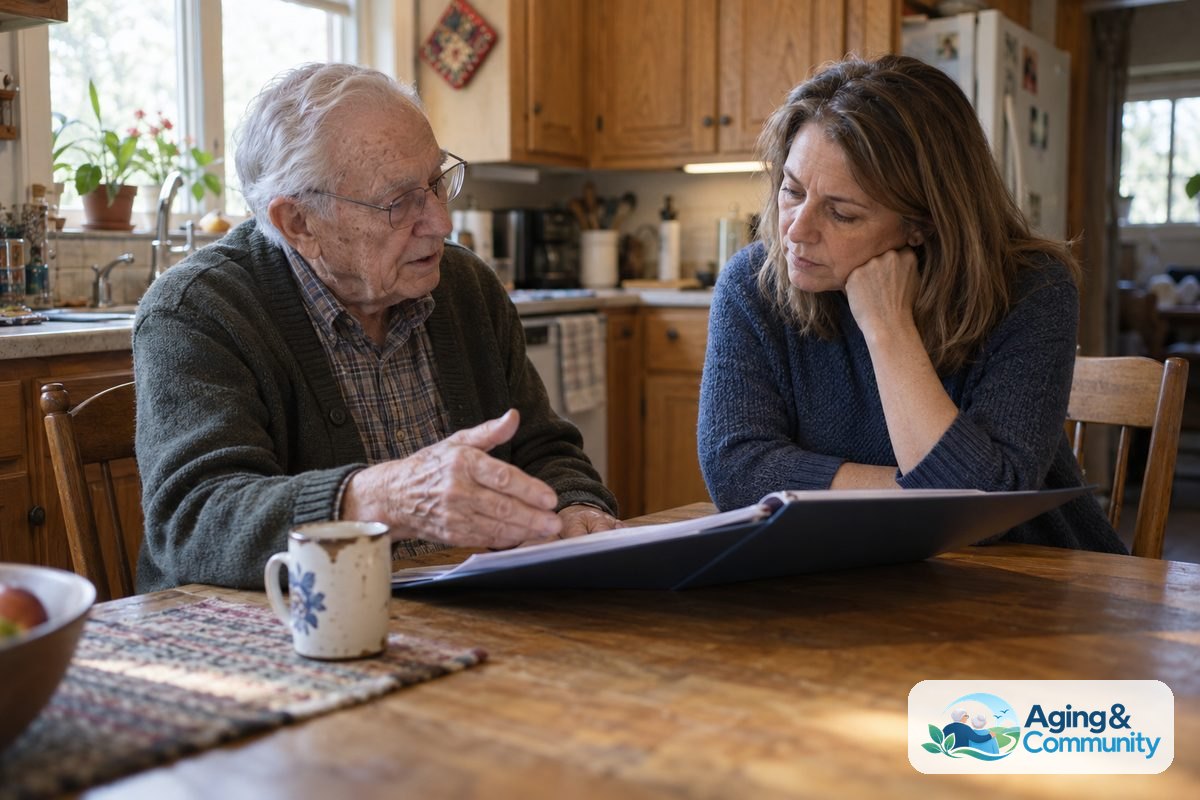
What the Aid and Attendance Allowance Provides
As people age, daily routines can take more effort and time. The VA pension with Aid and Attendance or Housebound allowance provides supplemental payments directly to eligible individuals. These funds help people handle the extra expenses that come with physical or cognitive challenges.
Because the payment is added to a monthly pension, families have the flexibility to use it where it helps most. Depending on individual circumstances, it can help pay for personal care, adult day health care, or assistance in a long-term care setting.
For many families wondering what benefits can a senior veteran get, this program represents an important layer of monthly financial support.
Who May Be Eligible for the Allowance
Eligibility for this supplemental allowance is based on specific service requirements and everyday health needs. To qualify, a person must first be eligible for a basic VA pension. This generally means the veteran served during a recognized period of wartime.
In addition to basic pension requirements, at least one of the following health conditions must usually be met:
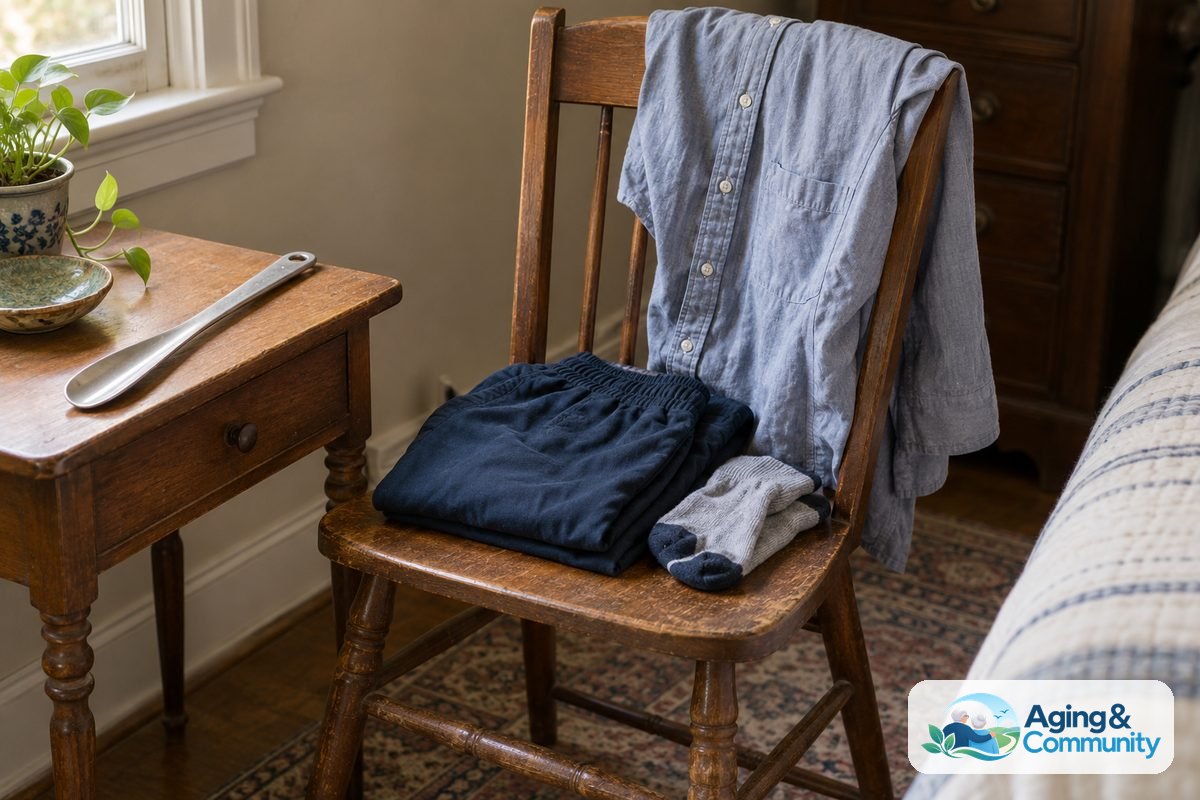
- The individual requires the regular help of another person to perform daily activities, such as bathing, dressing, eating, or adjusting prosthetic devices.
- The individual must stay in bed for a large part of the day due to illness.
- The individual lives in a nursing home because of physical or mental incapacity.
- The individual has severely limited eyesight that meets specific low-vision standards.
The related Housebound allowance has different criteria. It is meant for individuals who are substantially confined to their immediate premises because of a permanent disability.
Care Options Supported by the VA
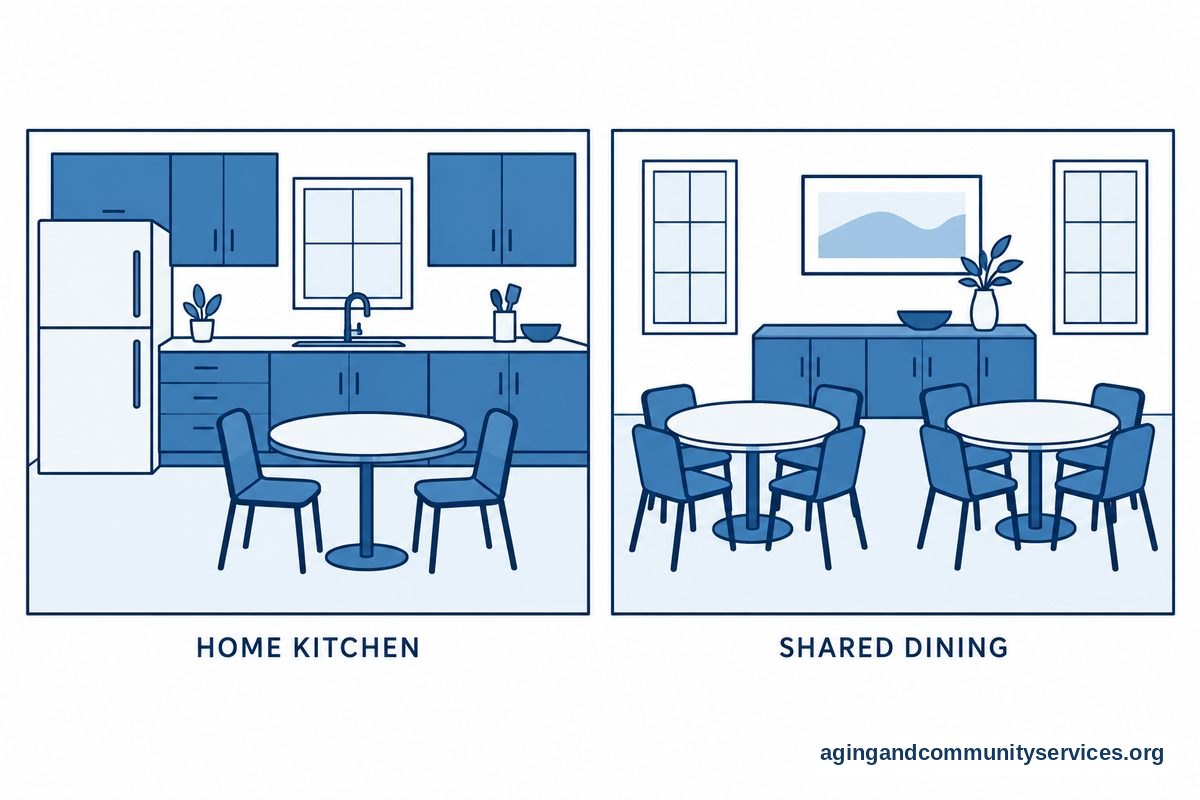
Veterans who need help at home or in the community can often access multiple layers of assistance. The Department of Veterans Affairs provides a wide spectrum of care options alongside monthly pension benefits.
For instance, eligible individuals can explore a veteran in home care program to receive support right in their own houses. VA home and community care includes home-based primary care, homemaker and home health aide services, respite care, adult day health care, and Veteran-Directed Care.
When living at home is no longer safe or practical, other options may be available. State veterans homes and VA community living centers provide long-term care for eligible individuals. To explore the full scope of medical coverage, you can review VA health benefits directly. Keep in mind that VA health care eligibility depends on military service, disability rating, income, and other factors.
Support for Family Caregivers
Family members often carry the responsibility of caring for an aging veteran. The VA recognizes this commitment and provides programs designed to assist family members in their caregiving roles.
The VA Program of Comprehensive Assistance for Family Caregivers supports caregivers of eligible veterans with education, resources, and potential financial stipends. Many families also research how to get paid as a caregiver for a family member without medicaid when organizing family care routines. You can read more about caregiver options through the official VA family and caregiver benefits resources.
Additional Equipment and End of Life Benefits
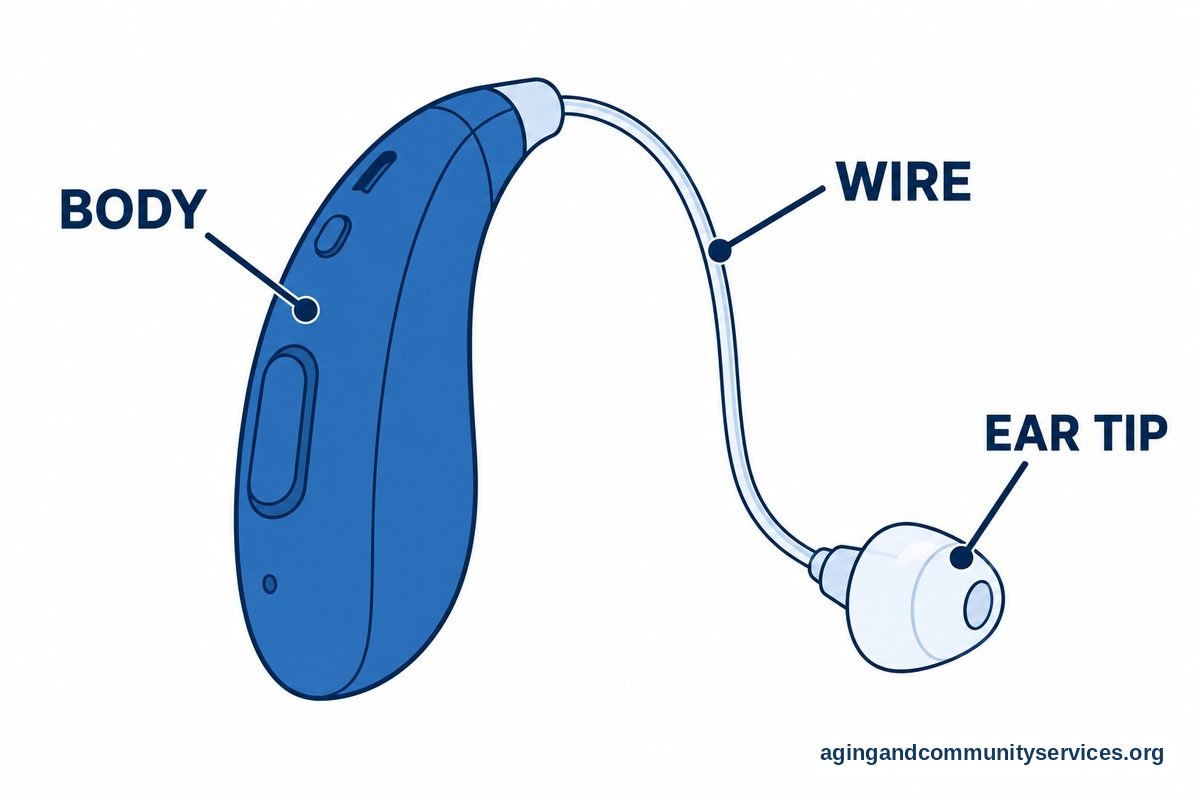
Beyond personal care, the VA offers assistance with daily health devices. Eligible veterans can receive hearing aids, eyeglasses, prosthetics, and medical equipment through the VA health system. You can learn more about how do veterans get free hearing aids through proper VA audiology channels.
Planning ahead also involves understanding final arrangements. VA burial benefits may include burial in a national cemetery along with a headstone or marker, helping relieve families of significant end of life planning burdens.
How to Avoid Benefit Application Scams
Applying for VA benefits can feel complex, and unfortunately, dishonest operators target older adults seeking help. You should know that accredited veterans service organizations help veterans file claims for free. Charging a fee to prepare an initial claim is not allowed by law. Any individual or company offering to speed up claims for a fee is presenting a serious warning sign. Never hand over control of your personal bank accounts or pensions to unaccredited advisors.
What You Can Do Next
Applying for benefits takes patience and preparation. You can take several practical steps today to get organized and seek reliable guidance:
- Gather military separation paperwork, such as the veteran DD Form 214, along with current medical records.
- Speak with your primary care doctor, physical therapist, or occupational therapist about documenting your daily functional limitations and care needs.
- Review comprehensive benefits for senior veterans to understand all available programs.
- Consult the official Aid and Attendance and Housebound benefits page to view current forms and application instructions.
- Connect with your local Area Agency on Aging by calling the Eldercare Locator at 1-800-677-1116 or visiting eldercare.acl.gov.
- Call the 211 helpline for free referrals to local veteran service officers and county resources.
- Check NCOA BenefitsCheckUp to see what other federal or state programs may apply to your household.
Remember that while federal policies set the framework for VA programs, local resources and community living options are run across states and counties. Eligibility and availability change over time, so it is always wise to confirm details directly with your local agency.

Frequently Asked Questions
Can surviving spouses receive this pension increase?
Yes. An eligible surviving spouse of a wartime veteran who meets the medical and daily living requirements may qualify for the VA pension with Aid and Attendance.
Can a person receive both Aid and Attendance and Housebound allowances at once?
No. The VA allows an individual to receive either the Aid and Attendance allowance or the Housebound allowance, but not both at the same time.
Does the VA pay an outside caregiver directly through this program?
The Aid and Attendance allowance is added directly to the monthly pension check paid to the veteran or spouse. The recipient or their family can then use those funds to pay for care services as they see fit.
Do I have to pay someone to help me file my application?
No. Accredited Veterans Service Officers and veterans service organizations assist with initial applications free of charge. You should not pay anyone to prepare your original application.