When planning for care, many families ask, does insurance help pay for assisted living? In most cases, standard health insurance and Medicare do not cover the rent or daily living costs at these facilities. However, private long-term care policies, certain life insurance options, and state Medicaid programs may help cover specific services.

Understanding Standard Health Insurance and Medicare
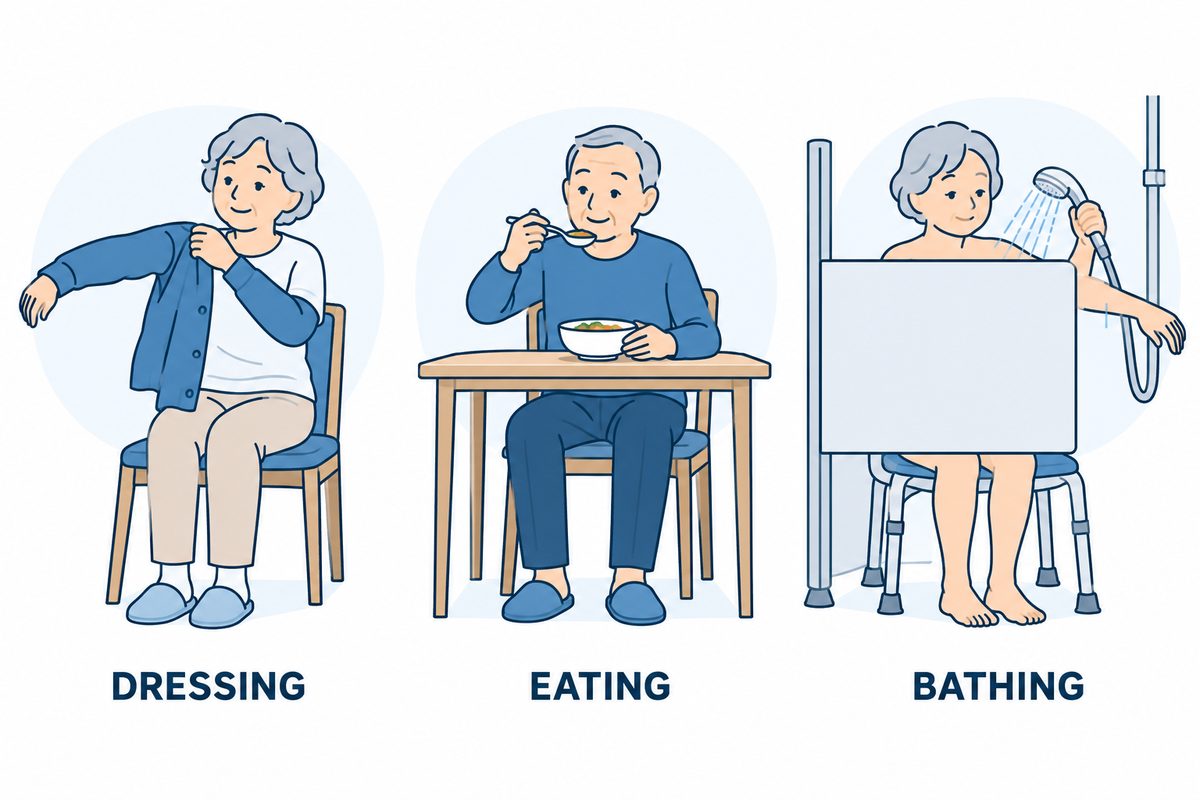
Standard private health insurance policies are designed to pay for hospital visits, doctor appointments, and prescription drugs. They do not cover non-medical personal assistance, such as help with dressing, eating, or bathing. These non-medical tasks are often called custodial care.
Original Medicare also does not pay for long-term custodial care in assisted living, memory care, or nursing homes. Medicare focuses strictly on acute medical needs. In some situations, it may cover a limited number of days of skilled nursing facility care after a qualifying inpatient hospital stay, but this is only for short-term skilled therapy or nursing care.
How Long-Term Care Insurance Works
Long-term care insurance is a private policy purchased specifically to cover daily care needs. Unlike standard health plans, these policies are intended to pay for personal support when a person cannot perform everyday tasks on their own. Coverage amounts, waiting periods, and eligible services depend entirely on the specific contract.
Some people also have hybrid life insurance policies that allow them to draw from the death benefit early to cover care expenses. If you or a loved one holds a policy like this, review the contract terms carefully to see which facility settings and services qualify for reimbursement.

How Medicaid May Help with Care Services
Medicaid is the largest payer of long-term nursing home care in the nation. It is a joint federal and state program designed for individuals with limited income and assets. Eligibility depends on your financial resources as well as your medical needs, and the rules vary by state.
As a rule, Medicaid does not pay for room and board in assisted living communities. However, many states use home and community-based services waivers to help pay for assisted living care services provided inside residences. To learn more about how state waivers work, read about how does medicaid pay for assisted living in different regions.
When you apply, the state reviews asset transfers made during a look-back period to ensure property was not gifted away simply to qualify. Many older adults spend down their assets on legitimate care expenses before becoming eligible for these state waiver programs.
Veterans Benefits and Other Programs
If you are an eligible wartime veteran or a surviving spouse, you may have access to monthly benefits that help offset facility costs. The Department of Veterans Affairs offers a pension addition known as the va aid and attendance benefit for individuals who need help with daily activities. You can read more about these Aid and Attendance and Housebound benefits directly through the VA.
There are also State Veterans Homes and VA community living centers that provide residential support to eligible veterans. In addition, people who need a nursing-home level of care but wish to remain in a community setting might qualify for Programs of All-Inclusive Care for the Elderly, known as PACE, in areas where those programs operate.
Comparing Ways to Cover Daily Support
Finding ways to handle care expenses often involves using several resources together, especially when exploring how to get help paying for services. Here is an overview of how different coverage types treat residential living costs:
| Coverage Type | Pays Room and Board? | Pays Care Services? |
|---|---|---|
| Medicare | No | No (only short-term skilled medical care) |
| Standard Health Insurance | No | No |
| Long-Term Care Insurance | Yes, if policy allows | Yes, based on policy terms |
| Medicaid (HCBS Waivers) | No | Yes, in participating states |
| VA Aid and Attendance | Yes, via monthly pension | Yes, via monthly pension |
For a complete breakdown of what different care settings cost and how families plan for them, explore our full guide on paying for assisted living and other residential options.
Next Steps You Can Take
Sorting through insurance papers and public benefits can feel overwhelming, but taking small, orderly steps makes the process manageable.
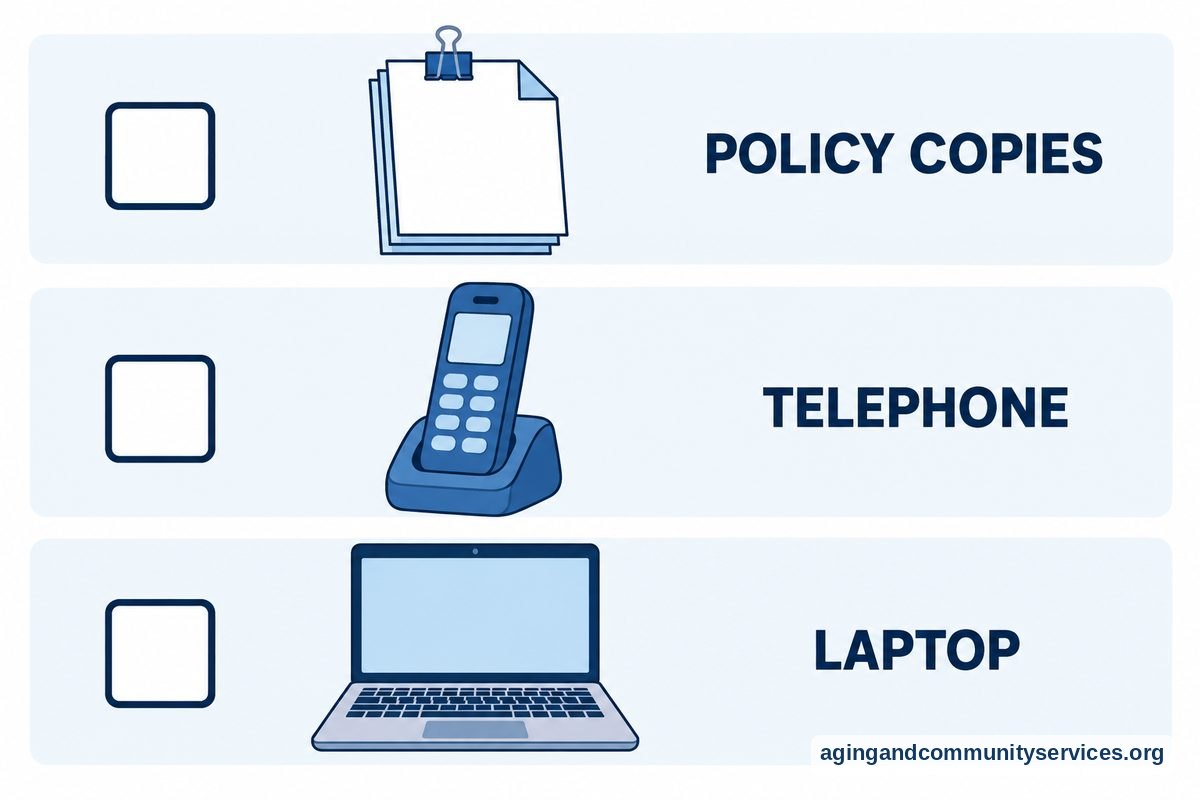
- Gather existing paperwork: Collect copies of all private health insurance, life insurance, and long-term care insurance policies to check for riders or personal care benefits.
- Contact your local Area Agency on Aging: These public agencies serve every community across the United States. You can reach yours through the Eldercare Locator at 1-800-677-1116 or eldercare.acl.gov.
- Call 211: Dialing 211 connects you to local specialists who can point you toward regional housing assistance and community support programs.
- Run a benefits check: Use the National Council on Aging BenefitsCheckUp tool online to screen for federal, state, and local programs you might qualify for.
- Speak with an advocate: If you are already looking at specific communities, contact a local long-term care ombudsman. These advocates support facility residents and their families at no cost.
Frequently Asked Questions
Does Medicare cover any assisted living expenses?
No, Medicare does not pay for monthly room and board or non-medical personal care in assisted living. It continues to cover your doctor visits, medical tests, and hospital care just as it would if you were living in your own private house.
Can life insurance help pay for assisted living?
Some life insurance policies include an accelerated death benefit or a long-term care rider. These features allow you to access a portion of the policy value while you are living to pay for necessary daily care. Contact your insurance company to ask if your specific contract includes this option.
Does Medicaid pay for memory care communities?
Like assisted living, Medicare does not pay for room and board in dedicated memory care units. However, in states that offer home and community-based services waivers, Medicaid may help cover the cost of personal care services provided in a memory care setting. For more details on this topic, review our guide on does medicaid pay for memory care across the country.
What should I do if my insurance claim for care is denied?
If a private long-term care insurance claim is turned down, read the denial letter carefully to understand the reason. Often, claims are rejected due to missing medical records or an incomplete assessment of daily living activities. You have the right to file an appeal, and you can ask your physician or an occupational therapist to provide updated functional evaluations.
Where can families get help exploring financial aid?
Your local Area Agency on Aging is one of the best places to start because their advisors do not work on commission. You can also explore our practical tips on how to get help paying for assisted living to see other community and state resources that may be available in your area.