

Yes, banks do report elder abuse when they suspect financial exploitation or mistreatment. Tellers, branch managers, and fraud analysts are often on the front lines of spotting unusual financial patterns. Federal law protects trained employees who report suspected financial exploitation in good faith, and state rules often require or encourage these alerts.

How Banks Spot Suspected Abuse
Bank employees handle daily transactions and often get to know their regular customers well. Because of this regular contact, staff can quickly notice when account habits suddenly change. They look for transactions that do not match a customer’s typical lifestyle or past spending patterns.
Common warning signs that financial staff look for include:
- Sudden large withdrawals or transfers that do not match regular spending.
- A new person accompanying an account holder and demanding access to funds.
- Uncharacteristic changes to account beneficiaries, wills, or account titles.
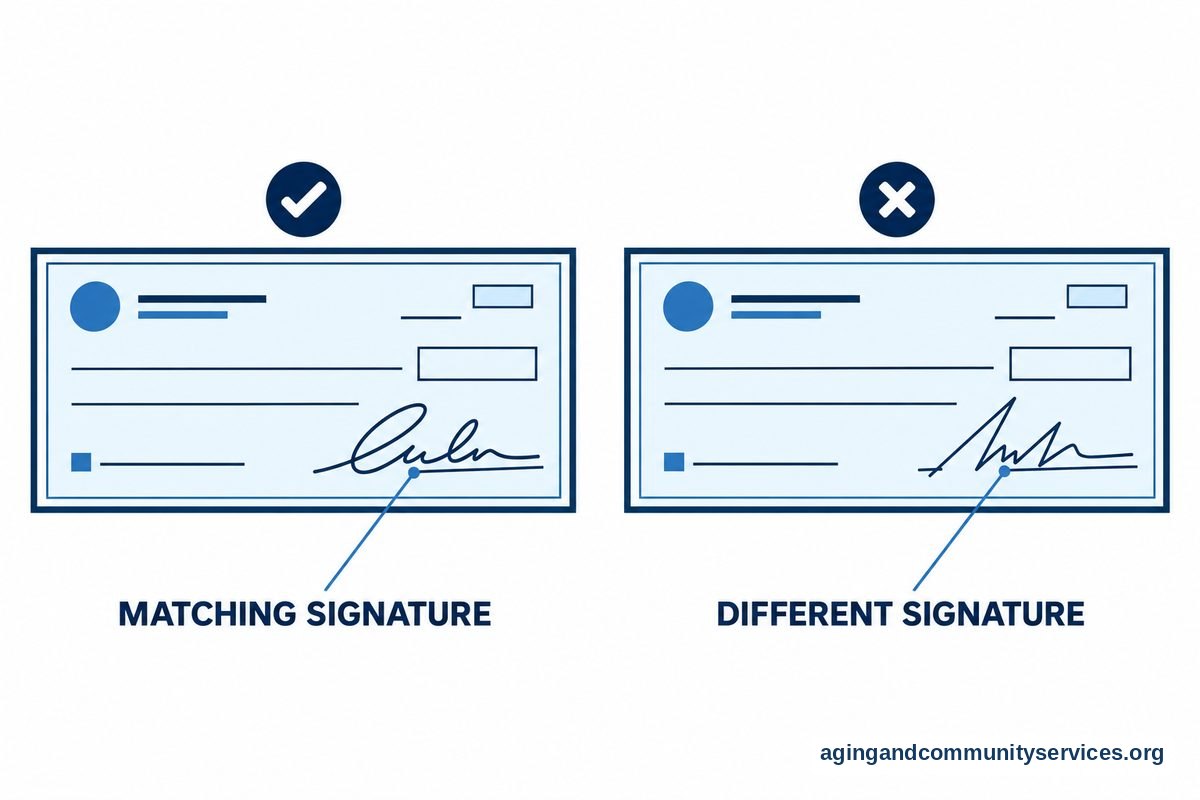
- Checks written out of order or with signatures that do not match account records.
- An older person appearing nervous, fearful, or confused about their own money.
Understanding what is elder financial abuse helps families see why these signs trigger reviews within a branch.
Laws Protecting Bank Staff Who Report Abuse
Bank workers were once hesitant to share account information due to strict customer privacy laws. Today, federal rules provide legal protection to trained employees who report suspected financial exploitation. These protections give workers peace of mind when alerting authorities about red flags.
Many states also have their own statutes that classify bank workers as mandated reporters. This means they are required by state law to notify protective agencies when they notice suspicious behavior. Because these programs run through state and county networks, exact reporting requirements can vary depending on where you live.
Who Banks Contact When They Suspect a Problem
When a bank worker sees signs of trouble, they usually start by filing an internal report with their bank fraud team. From there, the financial institution may notify local or state authorities to look into the situation.
Depending on the case, banks may notify several groups:
- Adult Protective Services: Adult Protective Services exists in every state and investigates reports of abuse, neglect, and financial exploitation of older or vulnerable adults.
- Local Law Enforcement: If theft, fraud, or an immediate scam is taking place, branch staff may contact local police.
- State Regulatory Agencies: Financial institutions often submit specialized reports to state and federal regulators to track wider scam networks.
If someone is in immediate physical danger, always call 911 right away. For situations inside residential care, the long-term care ombudsman program advocates for residents and helps resolve complaints, while state licensing agencies investigate facilities.
Can Banks Put a Hold on Suspicious Transactions?
Many financial institutions have established policies that allow them to place a temporary pause on certain disbursements. If staff believe a withdrawal is the result of coercion or a scam, putting a brief hold on the money allows time to check the facts.
During a hold, bank staff may reach out to trusted emergency contacts listed on the account. They may also speak with Adult Protective Services or law enforcement before releasing funds. This cooling-off period often gives families and workers time to figure out how to prove elder financial abuse before money disappears permanently.

What Happens After a Bank Makes a Report?
Once a bank files a report, the case is assigned to an investigator, usually through Adult Protective Services. Knowing what happens when you report elder abuse can help remove anxiety for the family.
An investigator will review the financial documents and may visit the person at home to check on their well-being. Adult Protective Services can arrange services to help keep the person safe and independent. However, an adult who is able to make decisions can usually accept or refuse services offered by the agency.

Practical Steps You Can Take Next
You do not have to wait for a bank to take the first step if you suspect an older adult is facing exploitation. Family members and friends can take several practical actions to safeguard assets:
- Add a trusted contact: Ask your loved one’s bank if they allow a trusted contact on the account. This allows staff to call you if they notice strange withdrawals, without giving you direct access to the money.
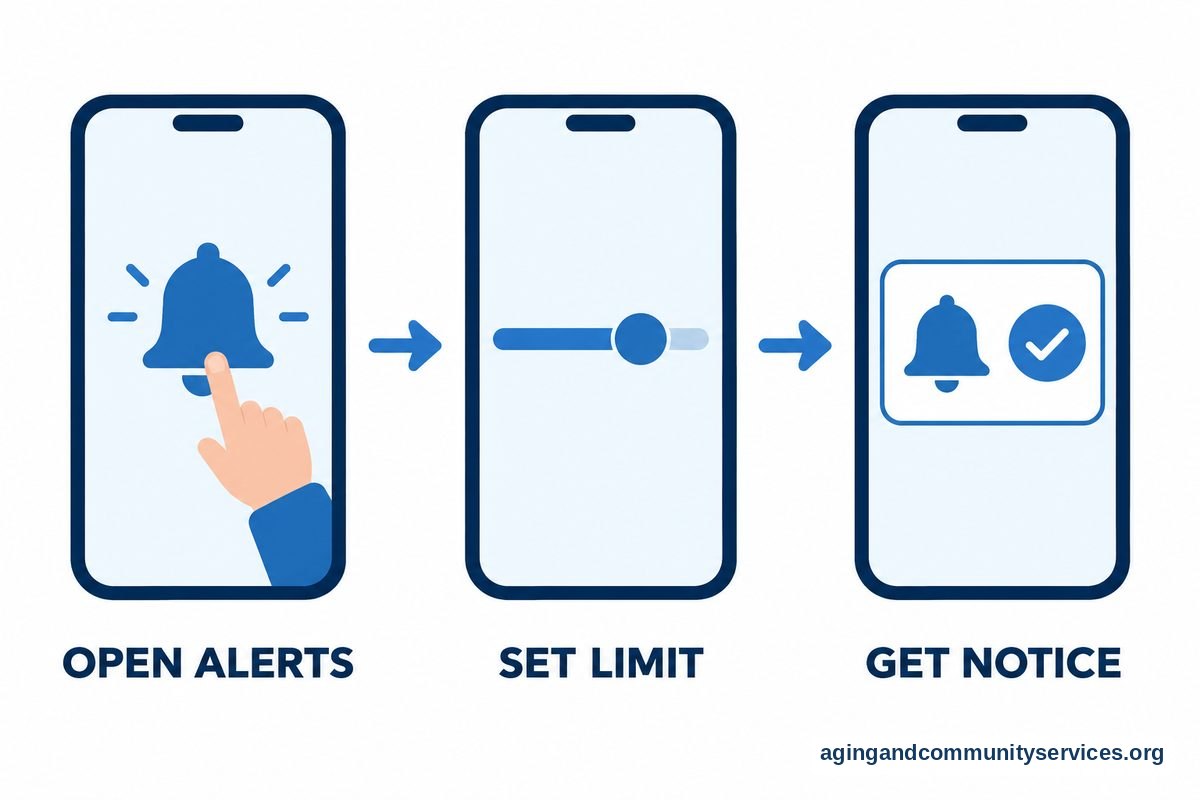
- Set up balance alerts: Turn on automatic text or email alerts for large withdrawals, low balances, or password changes.
- Contact local protective agencies: Anyone can report suspected mistreatment directly. The Eldercare Locator at 1-800-677-1116 can help you find your local Adult Protective Services office.
- Explore local community resources: Area Agencies on Aging serve every part of the country, and the 211 helpline can connect you to nearby support programs.
- Learn about safety options: You can review our full guide on elder abuse and protective services to understand how different agencies work together.
Frequently Asked Questions
Can family members make reports to Adult Protective Services?
Yes, any concerned family member, friend, or neighbor can make a report. If you are unsure of the process, our guide on how to report elder abuse explains the steps involved.
Are bank reports kept confidential?
Yes, bank reports are handled through secure, confidential channels. Most states allow reports to be made without giving your name, and many protect reporters who report in good faith. You can read more about can you report elder abuse anonymously to understand your privacy protections.
What other types of mistreatment do agencies handle?
Adult Protective Services looks into many issues beyond money. General types of mistreatment include physical, emotional, sexual, neglect, abandonment, and self-neglect.
Will a bank freeze the entire account if abuse is suspected?
Banks generally try to avoid freezing entire accounts because customers need access to money for basic living expenses. Usually, holds are placed only on specific suspicious checks, transfers, or large cash requests while staff investigate.
Where can I find my local Adult Protective Services agency?
You can find local office numbers through the Eldercare Locator at 1-800-677-1116. You can also look up state programs through the national directory on the National adult protective services association website.