

Stiff pillows can let the head tip too far forward, sink too low, or rotate to 1 side, which is why the best orthopedic pillows for seniors should match the person’s usual sleep or sitting position before anything else. After comparing 6 options on paper, we looked for support shapes that caregivers can set up without fuss, covers that can be washed, and designs with clear sizing or adjustment details. For a single bed pillow, the Emircey Sleep stands out for its butterfly-patented contour and 2.0 cooling cover. For more flexible bed positioning after a procedure, the FifthQuarter 6PCS Orthopedic offers a 6PCS modular wedge setup.

Pros
- Memory foam offers contoured neck support
- 2.0 cooling cover helps manage warm nights
- Butterfly-patented contour supports multiple positions
Cons
- Contour shape may take time to get comfortable
- Single pillow design may not suit very broad shoulders

Pros
- 6PCS modular set supports multiple body positions
- 40D memory foam pairs softness with firm base foam
- CertiPUR-US certified foams for added reassurance
- Removable washable cover over foam helps hygiene
Cons
- Six-piece setup may feel bulky in smaller beds
- Elevated angles can take adjustment for side sleepers
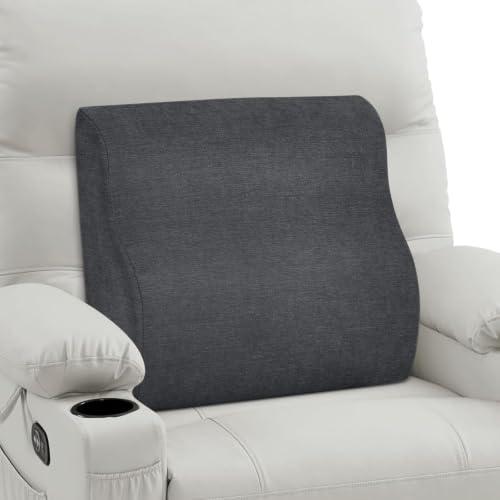
Pros
- Gel memory foam top layer adds a cooler feel
- 20 x 16.5 x 5 inch size covers recliner backs
- Washable fabric cover unzips for cleaning
Cons
- Compressed foam needs 24-48 hours to expand
- 5 inch thickness may push some sitters forward
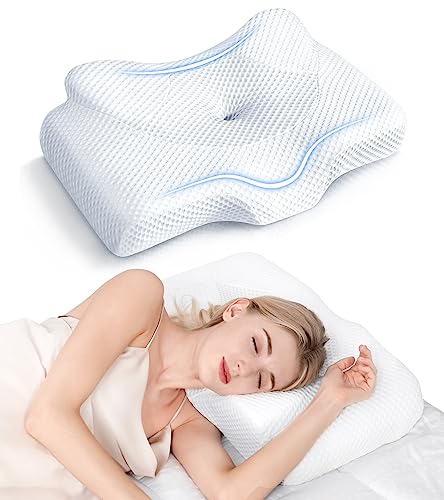
Pros
- Hollow memory foam contour supports side and back sleep
- 3D mesh fiber case helps hot sleepers vent heat
- Memory foam insert lets caregivers tune pillow height
- 48-hour airing tip sets clear first-use expectations
Cons
- Requires 48 hours of airing before first use
- Contour shape may feel restrictive for stomach sleepers

Pros
- 24x14x5 inch size fits many queen pillowcases
- 3-layer foam design allows loft adjustment
- CertiPUR-US memory foam responds to body warmth
- OEKO-TEX bamboo rayon cover is washable
Cons
- Contour shape may feel restrictive for frequent position changes
- Medium firmness may be too high or firm for some users
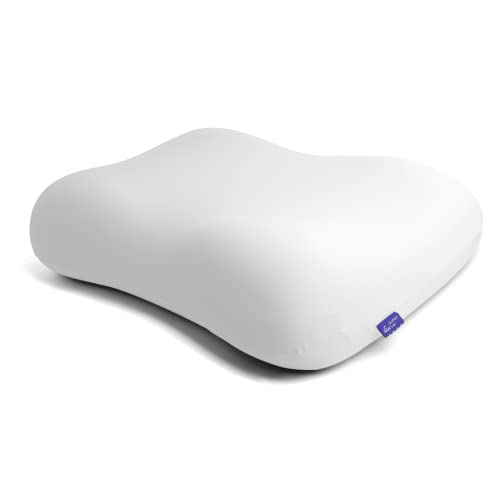
Pros
- Dual-density memory foam balances softness and support
- Patented contour has side bolsters for 2 sleep styles
- Zero-drag washable cover helps limit hair frizz
- CloudSupport cushioning pairs 2 foam densities
Cons
- Contoured shape may feel restrictive to stomach sleepers
- Memory foam can feel warmer than loose-fill pillows
A Closer Look at Our Top Pick
The strongest place to start for many households is the cooling cervical memory foam pillow from Emircey Sleep, because it combines a familiar single-pillow format with a shaped orthopedic design. Its contoured hollow shape is meant to help align the head and neck at bedtime, which can be useful when your parent sleeps on the side, back, or stomach. The 2.0 cooling cover is also a practical detail for warm sleepers, since memory foam can feel different from a loose-fill pillow. On paper, that gives it a clear role: a supportive night pillow for someone who wants more structure without moving to a multi-piece wedge set.
The trade-off is comfort adaptation. A butterfly-patented contour is more specific than a flat pillow, so the person may need a gradual adjustment period rather than a full-night switch on the 1st try. It may also be less suitable for very broad shoulders, because the single pillow design has a fixed overall shape. If your parent changes positions often but still wants a bed pillow rather than a 6PCS wedge system, this is the option we would consider first. If they mainly need sitting support or elevated recovery positioning, another shape in this guide may fit better.
Find Your Situation
- the Emircey Sleep: suits older adults who sleep in 1 of several positions and want a contoured neck pillow with a 2.0 cooling cover. Watch out: the contour may take time to feel comfortable, especially if the person is used to a flatter pillow.
- the FifthQuarter 6PCS Orthopedic: suits caregivers arranging elevated bed support with 6PCS for head, back, lumbar, or leg positioning. Watch out: the full set can feel bulky in a smaller bed.
- the TANYOO Back Support: suits someone who sits for long stretches in a recliner, armchair, or couch and needs a 20 x 16.5 x 5 inch lumbar cushion. Watch out: the 5 inch thickness may push some sitters forward.
- the Osteo Cervical Pillow: suits side or back sleepers who want an adjustable memory foam insert and a 3D mesh fiber case. Watch out: it needs 48 hours of airing before first use.
- the Royal Therapy Memory: suits sleepers who want a 24x14x5 inch contour pillow with a removable middle foam layer. Watch out: medium firmness may feel too high or firm for some people.
- the C CUSHION LAB: suits side and back sleepers who shift between 2 sleep styles and want dual-density memory foam. Watch out: the contoured shape may feel restrictive for stomach sleepers.
How We Narrowed It Down
We compared published specifications rather than handling the products, so we focused on details that families can verify before buying: foam type, cover care, adjustment options, stated size, and the number of pieces included. We excluded pillows that did not have a clear orthopedic role, such as a cervical contour, lumbar cushion, adjustable loft, or wedge positioning system. We also favored washable or removable covers when listed, because 1 spill can turn a helpful pillow into a chore. For medical positioning after surgery, ask a doctor or physical therapist which angle and support style fits the person’s plan. Good bedroom setup also includes clear walking paths, and the National Institute on Aging offers practical home safety guidance that can pair well with a 6PCS wedge or bedside routine.
What to Look For
Start with the main position, not the pillow label
A pillow that works for 1 sleep position can feel wrong in another. Side sleepers often need enough contour to fill the shoulder gap, while back sleepers usually need steadier head and neck support. Stomach sleepers may do better with a lower feel, so a tall contour can be too much. If your parent uses 2 positions most nights, choose a design that clearly lists both positions.
For neck support, check the contour before the cover
A cooling cover is useful, but the support shape matters first. The adjustable cervical pillow with a 3D mesh case is a good example of a design where height tuning and airflow are both part of the appeal. A hollow contour can cradle the head, but it may feel too guided for someone who turns frequently. Give any new contour at least a short trial period before judging it after 1 night.
For recovery positioning, count the pieces
A 6PCS wedge pillow set is different from a single pillow because it can support the back, legs, lumbar area, or head in separate ways. That flexibility helps a caregiver build a position in small steps instead of stacking loose pillows. The downside is space, since 6 pieces can crowd a shared or smaller bed. If the person sleeps mostly on the side, elevated angles may take extra adjustment.
For recliners, thickness can change posture
Lumbar pillows are not just smaller bed pillows. A 20 x 16.5 x 5 inch back cushion can fill the recliner gap, but the 5 inch depth may also move the sitter forward. That can be helpful for some chairs and awkward in others. If your parent’s feet no longer rest comfortably after adding the cushion, the fit is off.
Before you buy, plan the first 48 hours
Some foam pillows need time to expand or air out, and 48 hours is listed for more than 1 option in this guide. That means the pillow may not be ready for bedtime the day the box arrives. If your parent is replacing a familiar pillow, keep the old one nearby during the transition, especially when using a new bed for mobility support. A slower switch can make a contoured shape feel less abrupt.
Make cleaning part of the decision
Washable covers matter because a pillow used every night or every afternoon will collect skin oils, hair products, and occasional spills. A zip-off cover is especially helpful when a caregiver is managing laundry for 1 or more household members. Smooth covers can also reduce tugging on hair compared with rougher fabrics. Foam cores usually need more careful handling than the cover, so follow the listed care setup.
When this is not enough, bring in local help
A pillow can improve comfort setup, but it should not be treated as a full care plan. If the person has a new mobility change, a recent surgery, or a seating problem that persists after 1 adjustment, ask a clinician for guidance. Families who need local aging services can contact Eldercare Locator at 1-800-677-1116 for help finding community resources. A pillow is one part of the setup, not the whole support system.
Quick Tips for Choosing
- Choose a cervical pillow for bed and a lumbar pillow for sitting.
- Match the pillow to the person’s main sleep position first.
- Look for a washable cover if spills or hair products are common.
- Use adjustable loft when comfort needs may change.
- Give compressed foam 24-48 hours before judging the shape.
- Avoid bulky wedge setups in beds with limited space.
Frequently Asked Questions
What is an orthopedic pillow?
An orthopedic pillow is shaped to support a specific body area, such as the neck, back, lumbar area, or legs. The key is matching that shape to 1 main need rather than buying by label alone.
Are cervical pillows good for older adults?
They can be a reasonable option when the person wants more head and neck structure than a flat pillow provides. A contour can feel different, so start with short use if the person is sensitive to pillow changes.
Which pillow type is best for side sleepers?
Side sleepers often need support that helps fill the shoulder space and keeps the head from dipping too low. A contour designed for side sleeping or a dual-position pillow can be a better starting point than 1 very flat pillow.
What should a back sleeper look for?
A back sleeper usually needs steady support under the head and neck without pushing the chin too far forward. Adjustable height can help because even a small loft change can alter comfort.
Can a stomach sleeper use a contour pillow?
Some contour pillows list stomach sleeping, but a high or restrictive shape may not feel natural. If stomach sleeping is the main position, avoid choosing the tallest or firmest option first.
When is a wedge set better than a regular pillow?
A wedge set is more useful when the person needs elevation or separate support for the back, legs, or lumbar area. An adjustable bed can also provide this kind of positioning, and a 6PCS set gives more arrangement choices than 1 standard bed pillow.
Do foam pillows need time before use?
Yes, compressed foam may need 24-48 hours to expand or air before regular use. Plan for that delay so your parent is not left without a comfortable pillow at bedtime.
How important is a washable cover?
A washable cover is very practical for older adults who use the same pillow nightly or sit with it daily. It can make 1 spill or stain easier to manage without replacing the whole pillow.
Can a pillow replace medical advice?
No. A pillow can support a comfort routine, but it cannot diagnose or manage a medical condition. For post-surgery positioning or ongoing pain, ask a doctor or physical therapist for individualized guidance.
How do I know if the pillow is too high?
If the person’s chin feels pushed forward, the shoulders feel crowded, or sitting posture changes in an uncomfortable way, the pillow may be too high. Try 1 smaller adjustment before switching to a completely different shape.
Which One to Start With
If you are buying for a parent who mainly needs a bed pillow and sleeps in more than 1 position, start with the Emircey Sleep. It has the broadest everyday role in this group because it combines memory foam, a contoured hollow shape, and a 2.0 cooling cover in a single pillow. It is not the softest possible choice, and the contour may take adjustment, but it is the clearest first step for a typical side, back, or stomach sleeper who wants more structure.
If the need is not a normal sleep pillow, do not force that choice. For bed elevation after a procedure, the 6PCS modular wedge set is the better starting point because it can support the head, back, lumbar area, or legs in different arrangements. For someone who spends long afternoons in a recliner, choose the TANYOO Back Support instead, because its 20 x 16.5 x 5 inch shape is made for sitting support rather than sleeping. If your parent already knows they dislike guided contours, consider an adjustable loft option before committing to a fixed feel. The right first purchase is the one that matches the setting: bed sleep, bed elevation, or chair support.