

As women move into their 60s and beyond, meeting nutritional needs through food alone often becomes harder, whether due to changes in appetite, medication interactions, or shifts in how the body absorbs nutrients. A daily multivitamin can bridge those gaps, but finding the best multivitamins for senior women means looking past marketing claims to actual ingredients and format. Tablets, capsules, and gummies each have real trade-offs for swallowing, taste, and consistency. We compared 6 formulas designed specifically for women 50 and older, looking at what nutrients they contain, how many days’ supply each bottle gives you, and what makes each one practical for daily life. Whether you’re shopping for yourself or helping your parent find a supplement routine, this guide walks you through the options to match the right one to your situation.
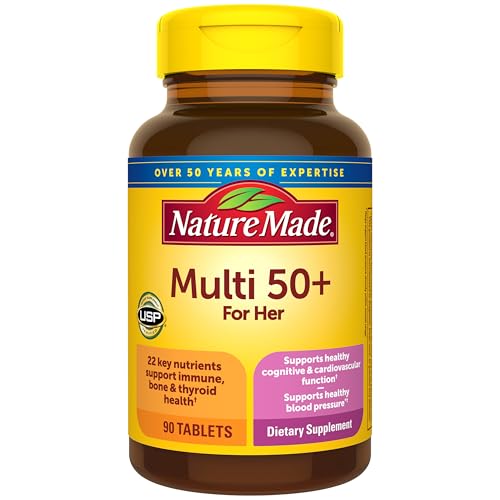
Pros
- Contains 22 key nutrients including vitamins B, C, D, and E
- Formulated specifically for women 50+ nutritional needs
- 90-tablet bottle provides a full 3-month supply
- Gluten-free with no artificial colors or flavors added
- USP Verified for quality and purity standards
Cons
- Requires daily adherence to one tablet to maintain benefits
- Tablet format may be difficult for those with swallowing challenges
- Does not contain iron, which some women may need supplemented separately

Pros
- Contains 90 tablets, providing a three-month supply per bottle
- Manufactured at cGMP certified facility in New York
- Formulated specifically for women 50+ nutritional needs
- Trusted brand with history dating back to 1960
Cons
- Once-daily format means missing a dose leaves a full day gap
- Tablet size not specified, may be difficult for those with swallowing issues
- Requires consistent daily routine to maintain effectiveness
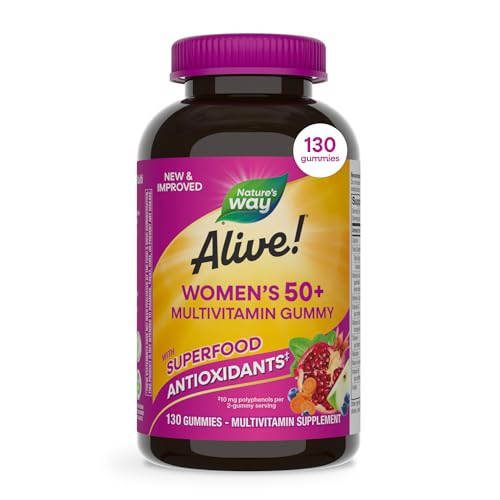
Pros
- Contains 16 essential vitamins and minerals including D3 and calcium
- Plant-based pectin instead of gelatin, plus free from dairy and wheat
- Provides 10 mg polyphenols per 2-gummy serving from fruit extracts
- 130-count bottle offers roughly 2 months of daily servings
Cons
- Requires chewing two gummies daily, which may be difficult with dental issues
- Mixed berry flavor may not appeal to all taste preferences
- Higher cost compared to standard multivitamin tablets

Pros
- Contains 180 capsules, providing a 6-month supply for daily use
- Includes chelated magnesium for cardiovascular support
- Features vitamins D and K2 for bone strength in postmenopause
- Third-party tested to confirm no unsafe contaminant levels
Cons
- Capsule format may be difficult for those with swallowing challenges
- Requires daily adherence to see full nutritional benefits
- Multiple capsules per dose could be hard to manage for some seniors

Pros
- Contains 180 tablets, providing six months of daily doses
- Manufactured at cGMP certified facility in New York
- Formulated with targeted nutrients for women over 50
- Once-daily tablet simplifies supplement routine for older adults
Cons
- Tablet form may be difficult to swallow for some seniors
- Only suitable for women, not for male partners or caregivers
- Once-daily timing may not align with all medication schedules

Pros
- Contains 16 essential vitamins and minerals for daily wellness
- Plant-based pectin formula with no gelatin, dairy, or wheat
- Includes 10 mg polyphenols per 2-gummy serving from superfoods
- Provides lutein plus vitamins A, C, D3, and E for vision support
Cons
- Requires chewing two gummies daily, which may challenge those with dental issues
- Antioxidant blend provides only 10 mg polyphenols per serving
- Gummy format may be less stable at warm temperatures during storage
A Closer Look at Our Top Pick
The Nature Made Multivitamin stands out for its combination of simplicity and proven reliability. It delivers 22 key nutrients in a single daily tablet, covering the vitamins and minerals that matter most for women in their later years: B vitamins for energy and nerve function, vitamins C and E for immune support, and vitamin D for bone health. The bottle contains 90 tablets, giving you a full three-month supply so you’re not restocking constantly. Nature Made holds USP Verification, meaning an independent third party has confirmed the formula matches what’s on the label and that it’s free from harmful contaminants. The tablet is straightforward, gluten-free, and has no artificial colors or flavors.
The main limitation is practical rather than nutritional: if swallowing tablets is already difficult for you or your parent, a smaller pill or a different format may be necessary. The formula also contains no iron, so if your doctor has recommended iron supplementation separate from your multivitamin, you’ll manage two products instead of one. For many women who can comfortably take a tablet and prefer a no-fuss daily routine, this choice removes the guesswork and delivers solid, recognizable nutrition without unnecessary additions.
Find Your Situation
- The Nature Made Multivitamin: Best for women who take a tablet easily and want 22 nutrients in one dose. Watch out: No iron included, so separate supplementation may be needed.
- The Bronson ONE Daily: Best for women who appreciate a trusted brand with a three-month supply. Watch out: Missing even one dose leaves a full day gap in your routine.
- The Nature’s Way Nature: Best for women who prefer a gummy and enjoy mixed berry flavor, with a two-month supply. Watch out: Chewing two gummies daily is difficult if dental work makes that uncomfortable.
- The THORNE Women: Best for women who want a six-month supply and don’t mind capsules, with third-party verification. Watch out: The capsule format may be harder to swallow than a tablet.
- The Bronson ONE Daily: Best for women seeking a six-month supply in tablet form from a cGMP-certified manufacturer. Watch out: Tablet size may pose challenges if swallowing is already difficult.
- The Nature’s Way Nature: Best for women who want gummies, are vegetarian, or avoid gelatin, with a one-month supply. Watch out: Gummies may soften in warm storage and require chewing.
How We Narrowed It Down
We compared the published nutritional specifications, bottle sizes, and intended use for each multivitamin rather than handling the products directly. All 6 formulas we included are designed specifically for women age 50 or older, meaning each one addresses the nutritional shifts that happen after menopause. We excluded multivitamins marketed only to general adults without age-specific formulations, as well as any that didn’t provide clear ingredient lists or supply duration. Every product on this list either has independent third-party testing, is manufactured at a certified facility, or comes from a brand with a long track record of quality. If you have specific health concerns such as bone loss, heart conditions, or trouble absorbing certain nutrients, a conversation with your doctor or a registered dietitian can help you choose a formula that aligns with your individual needs. The National Institute on Aging offers resources on nutrition and healthy aging that may also inform your decision.
What to Look For
Format matters for daily consistency
Tablets, capsules, and gummies each work differently in your mouth and throat. Tablets like the Nature Made and Bronson options are small enough for most people but require water and a moment to swallow. Capsules such as the THORNE can be slightly longer and may feel unusual if you’re not used to them. Gummies taste pleasant and don’t require water, but they demand chewing, which isn’t realistic if you have dental implants, loose dentures, or jaw discomfort. Be honest about which format you’ll actually take every single day, because the best multivitamin is the one you use consistently.
Supply length affects your refill rhythm
Some bottles last 30 days, others 90 days, and a few stretch to 180 days. A longer supply means fewer trips to the store or fewer online orders, which many busy families appreciate. The THORNE and one Bronson option both provide 180 tablets or capsules, covering six months. The Nature Made bottle has 90 tablets for three months. If your parent lives alone or you coordinate their refills, a six-month supply can ease that burden. However, if someone tends to misplace bottles or you want flexibility to switch formulas, a shorter supply may suit you better.
Nutrient count is a guide, not a guarantee
The Nature Made Multivitamin contains 22 key nutrients, while the Nature’s Way gummies provide 16. A higher number doesn’t automatically mean better value, because what matters is whether those specific nutrients address your body’s needs. Vitamins B, C, D, and E appear in nearly all of these formulas. Look for vitamin D in the list, since fewer older adults get enough from sunlight alone, and calcium or magnesium if bone health is a concern. Check the label to confirm the nutrients you most need aren’t missing or present in tiny doses.
Before you buy, verify the testing standard
USP Verification, cGMP certification, and third-party testing are your assurance that what’s inside the bottle matches what’s printed on the label and that no harmful contaminants are present. The Nature Made Multivitamin is USP Verified. The THORNE product is third-party tested. The two Bronson options are made at cGMP-certified facilities in New York. Any of these markers signal that someone independent has checked the quality, which removes a lot of guesswork when you’re buying on behalf of your parent.
Iron is sometimes in the formula, sometimes not
The Nature Made Multivitamin explicitly contains no iron, while several other formulas include it. Iron is important for energy and oxygen transport, but many women past age 50 don’t need supplemental iron and may get too much if they take it daily. If your doctor says iron is important for you, the Nature Made is not the right fit. If your doctor says to avoid iron, check product labels to confirm before buying. This is one of the few times when a blank ingredient can actually be the right choice for your situation.
Flavor and palatability matter for gummies
The Nature’s Way gummies come in mixed berry flavor, which appeals to many but not all palates. Gummy taste is personal, and if you find the flavor unpleasant, you’re less likely to take it daily. Neither gummy option in this comparison lists other flavors, so if mixed berry doesn’t excite you, the tablet or capsule options are worth considering. Gummies also need cool storage because they can soften in warm climates or sunny windows, which is a practical detail if your home runs hot.
When this is not enough, talk to your doctor
A standard multivitamin for women 50+ is a helpful base, but it doesn’t replace a real diet, and it can’t treat a diagnosed deficiency on its own. If you’ve had blood work showing you’re low in vitamin D, iron, or B12, your doctor may recommend a separate, higher-dose supplement in addition to a daily multivitamin. Some medications also interfere with nutrient absorption or interact with certain supplements. Before starting any new multivitamin, especially if your parent takes multiple medications, a quick check-in with their doctor or pharmacist takes just a few minutes and can prevent unexpected problems. The Eldercare Locator can help you find nutrition counseling or senior health services in your area if you want professional guidance on this choice.
Quick Tips for Choosing
- Set a specific time each day (breakfast, lunch, dinner) to take your multivitamin so it becomes automatic.
- Use a pill organizer or medication reminder app if you live alone or have trouble remembering daily tasks.
- Keep the bottle in plain sight on your kitchen counter or nightstand rather than hidden in a cabinet.
- Pair your multivitamin with a meal if that helps you remember and absorb nutrients better.
- Buy a supply that lasts at least three months so you’re not restocking constantly.
- Check the label for allergens or ingredients you want to avoid, such as gelatin, dairy, or wheat.
Frequently Asked Questions
Do I need a multivitamin if I eat a healthy diet?
Even with careful eating, many women over 60 absorb fewer nutrients from food than they did earlier in life. Stomach acid changes, digestive issues, and certain medications all make it harder to get enough vitamins and minerals from meals alone. A multivitamin for women over 60 can fill those gaps without replacing good food, which still provides fiber and phytonutrients that a pill never will.
Is a women’s formula different from a general adult multivitamin?
Yes. Formulas designed for women 50+ typically include less iron (or none), more calcium and vitamin D for bone health after menopause, and sometimes additional biotin or other nutrients for hair and skin. A general adult formula may not account for these shifts, so choosing one labeled specifically for your age and gender is worth the effort.
Can I take a multivitamin with my other medications?
Most multivitamins are safe alongside common medications, but some nutrients can interfere with blood thinners, certain heart drugs, or bone medications. Your pharmacist is the fastest way to check for interactions. A two-minute conversation can confirm whether your specific combination is safe.
What time of day should I take my multivitamin?
Many people take theirs with breakfast because they’re already at the table and it’s easy to remember. Others prefer it at lunch or dinner. The key is consistency, not the specific time. If taking it with a meal helps you remember or feel less nauseous, do that. If you prefer it on an empty stomach, that’s fine too.
Are gummies as effective as tablets?
If you take them daily as directed, gummies deliver the same nutrients as tablets. The difference is practical: you have to chew them, they soften in heat, and some people find the texture less appealing. Effectiveness is similar if you stick with whichever format you choose.
How long does it take to feel a difference from a multivitamin?
Unlike a pain reliever, a multivitamin doesn’t produce an obvious change you’ll notice overnight. You might gradually feel more energetic over weeks if you were truly deficient, but many people feel no dramatic difference at all. That’s normal and doesn’t mean it’s not working. Blood tests are the only reliable way to measure actual nutrient levels.
Can I skip days and make up for it by taking extra the next day?
No. Take one dose as directed, once daily. Doubling up doesn’t make up for a missed day and can deliver too much of fat-soluble vitamins like A, D, E, and K, which your body stores. If you miss a dose, just take the next scheduled dose and move on.
Are expensive multivitamins better than affordable ones?
Price doesn’t always match quality. A lower-cost tablet with USP Verification delivers the same verified nutrients as a pricier option. What matters is third-party testing or certification, not the price tag. Compare what’s inside and what’s verified, not just what you paid.
What should I do if a multivitamin makes me feel nauseated?
Try taking it with food, or switch to a different format. Some people tolerate gummies better than tablets, or vice versa. If nausea continues, mention it to your doctor, because it could signal an ingredient sensitivity or an interaction with another medication.
How do I store multivitamins so they stay fresh?
Keep them in a cool, dry place away from direct sunlight and moisture. A kitchen cabinet or bedroom drawer works fine. Avoid the bathroom because humidity from the shower breaks down supplements faster. Keep the original bottle sealed when not in use, and don’t transfer tablets to a pill organizer for weeks at a time.
Which One to Start With
If you’re just beginning a multivitamin routine and want something straightforward, the Nature Made Multivitamin is the logical starting point. It covers 22 important nutrients, comes in a familiar tablet that’s easy to manage, and carries USP Verification so you know what you’re getting. The 90-tablet bottle lasts three months, which gives you enough time to notice whether the routine fits your life and whether you tolerate the formula well. If you do well with it, you can stick with it for years. If you find that tablets are hard to swallow or you want a longer refill cycle, you now have a baseline to compare against.
If gummies appeal to you because you want something tasty and don’t need water, start with the smaller 60-count Nature’s Way gummies. A one-month supply is short enough that if mixed berry flavor turns out to be unpleasant or if chewing becomes uncomfortable, you haven’t committed to six months of an unsuitable product. The plant-based pectin formula is good if you’re vegetarian or avoid gelatin, and 16 nutrients still cover the essentials. The drawback is a higher price per month compared to tablets, and you need to commit to chewing two gummies every single day.
If you want maximum supply length and third-party verification, and you have no trouble swallowing capsules, the THORNE Women’s Multi 50+ with 180 capsules cuts down on restocking to just twice a year. The extra vitamin K2 and chelated magnesium support bone and heart health specifically, and the third-party testing gives you confidence in purity. Capsules are slightly less convenient than a tablet if you’re not used to them, but many people switch to them with no trouble once they try it.
For families coordinating a parent’s medications and supplements, the 180-tablet Bronson option balances a six-month supply with the simplicity of a once-daily tablet. Bronson has been making supplements since 1960, and these tablets are made at a certified facility, so you’re trusting a long-established manufacturer. One tablet a day is the easiest routine to remember and stick with, even if multiple other medications are part of the mix. If your parent already takes heart medication or bone pills alongside a multivitamin, a single once-daily tablet keeps the routine manageable.
The key is matching the format, supply length, and nutrient profile to what you’ll actually use every day. A multivitamin works only if it gets taken, so the best choice is whichever one fits into your routine so naturally that you forget you’re being good to yourself.