

An aging in place consultant helps a person plan how to stay in their home with more comfort, safety and support over time. They look at the home, daily routines and future needs, then suggest practical changes that may make the space easier to use.
This kind of help can be useful when a home feels harder to manage, after a change in mobility, or when family members want a clear plan. A consultant does not replace medical advice, but they can help connect home choices with advice from a doctor, physical therapist or occupational therapist.

What An Aging In Place Consultant Does
An aging in place consultant reviews the home and talks with the household about goals, habits and challenges. The focus is not only on safety. It is also on comfort, dignity, ease of movement and keeping daily life as normal as possible.
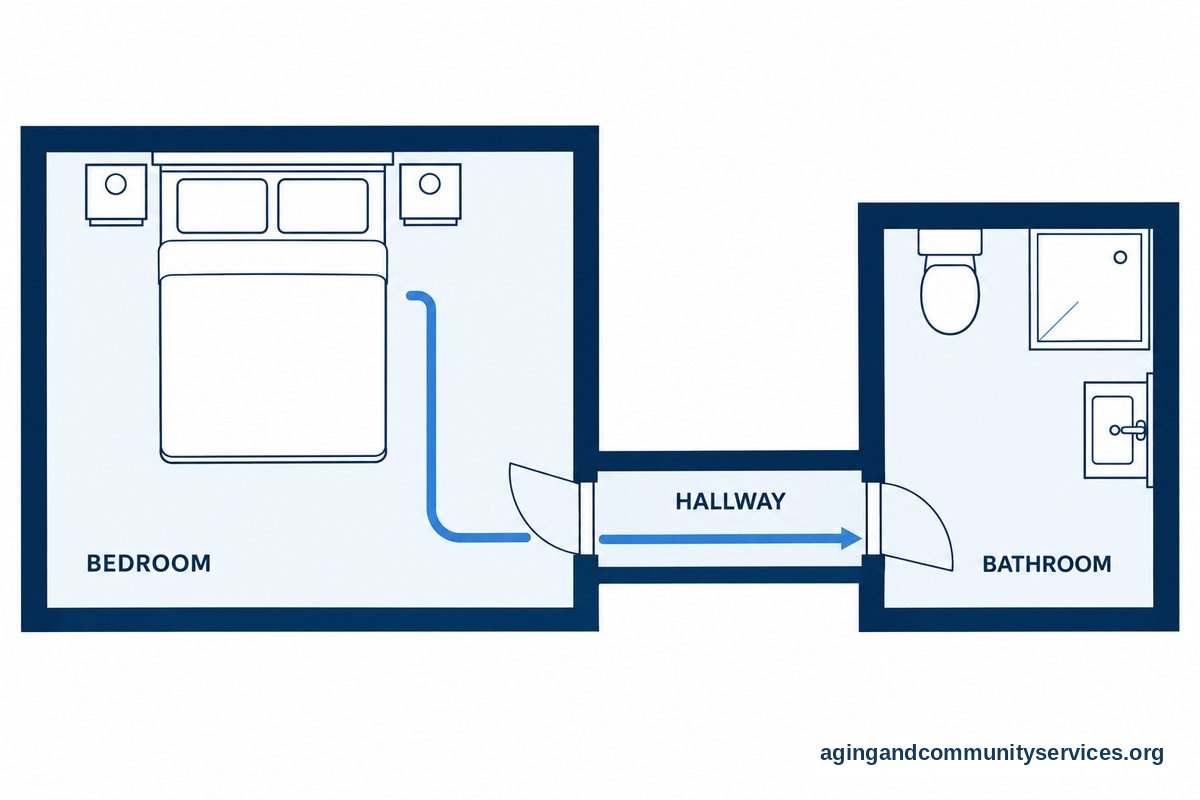
Many consultants walk through the home room by room. They may look at entries, lighting, stairs, bathrooms, kitchens, bedrooms and outdoor paths. They may also ask about cooking, bathing, laundry, visitors, pets, driving, deliveries and emergency plans.
Common tasks may include:
- Finding places where trips or slips are more likely.
- Suggesting grab bars, better lighting or easier door handles.
- Helping plan changes for walkers, canes or wheelchairs.
- Prioritizing projects from simple fixes to larger remodeling.
- Working with family members, contractors or care managers.
The National Institute on Aging explains that aging in place often takes planning for home setup, support and services. A consultant can help turn those broad ideas into a home plan that fits one person and one house.
When It May Be Helpful To Hire One
A consultant may be helpful when the home still works, but small problems are starting to add up. For example, a person may avoid the stairs, feel unsure in the shower, struggle with heavy doors or need more light at night.
It can also help to call someone before a major remodel. A contractor can build what is requested, but a consultant may help decide what changes make sense for daily use. If health needs are part of the plan, ask a doctor, physical therapist or occupational therapist what home features may support safe movement.
Families often seek help when everyone has different ideas. One person may want quick fixes. Another may want a full remodel. A consultant can offer a neutral review and help sort changes by need, effort and timing.
If you are just starting, an aging in place checklist can help you gather notes before a visit. Bring questions about rooms that feel hard to use, tasks that take more energy and any equipment already in the home.
What Happens During A Home Visit
A home visit is usually a calm walk through the space. The consultant may ask the person who lives there to explain daily routines, what feels easy and what feels frustrating. Good consultants listen first and avoid pushing changes that do not match the person’s goals.
They may take measurements, look at floor surfaces and note lighting levels. They may check whether doorways, hallways and bathroom spaces allow enough room for safe movement. If stairs or showers are a concern, they may suggest asking a physical therapist or occupational therapist for guidance tied to the person’s abilities.
After the visit, many consultants provide a written plan. This may include short term fixes, larger home changes and ideas to discuss with contractors or health professionals. The plan should be clear enough that the household can decide what to do first.
You can also compare the visit notes with a home safety checklist to make sure common areas have not been missed. A checklist is not a substitute for expert advice, but it can help keep the conversation organized.

Common Home Changes They May Suggest
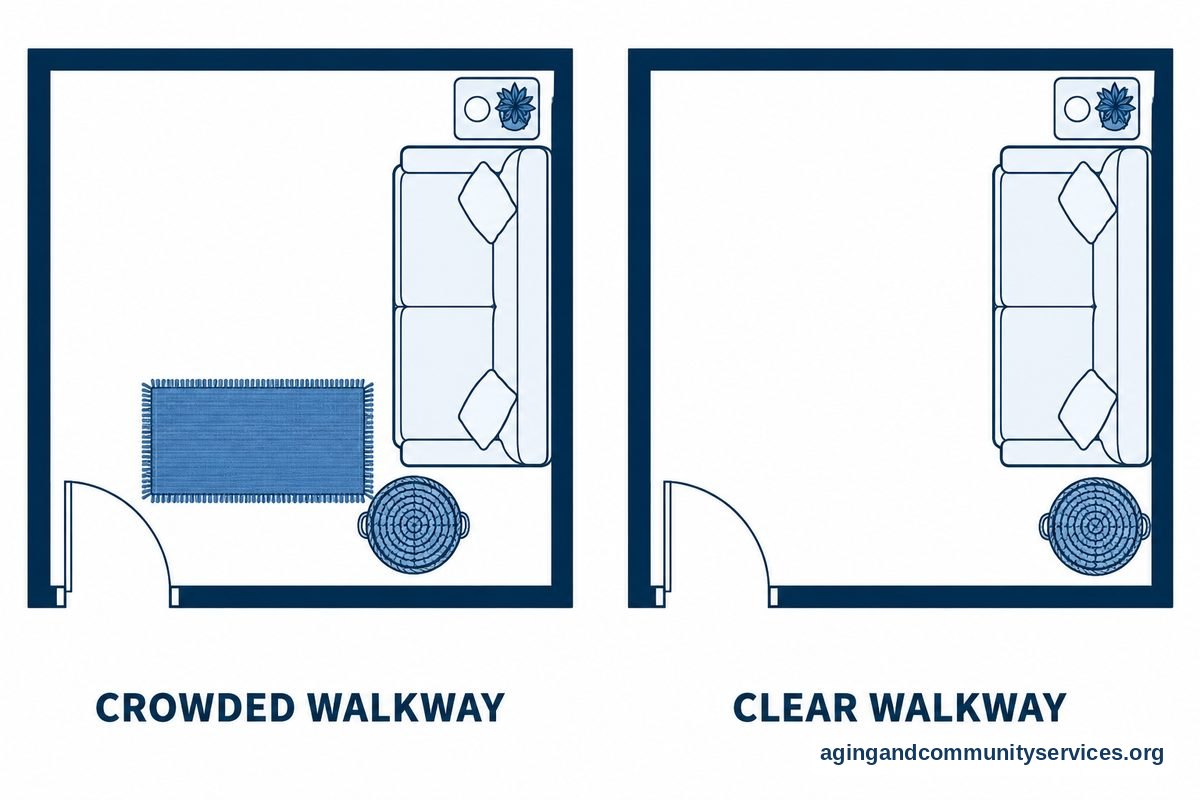
Not every home needs a large project. Many useful changes are simple, such as adding brighter bulbs, removing loose rugs, clearing crowded paths or moving often used items to easier shelves. The right plan depends on the home and the person using it.
Common suggestions may include:
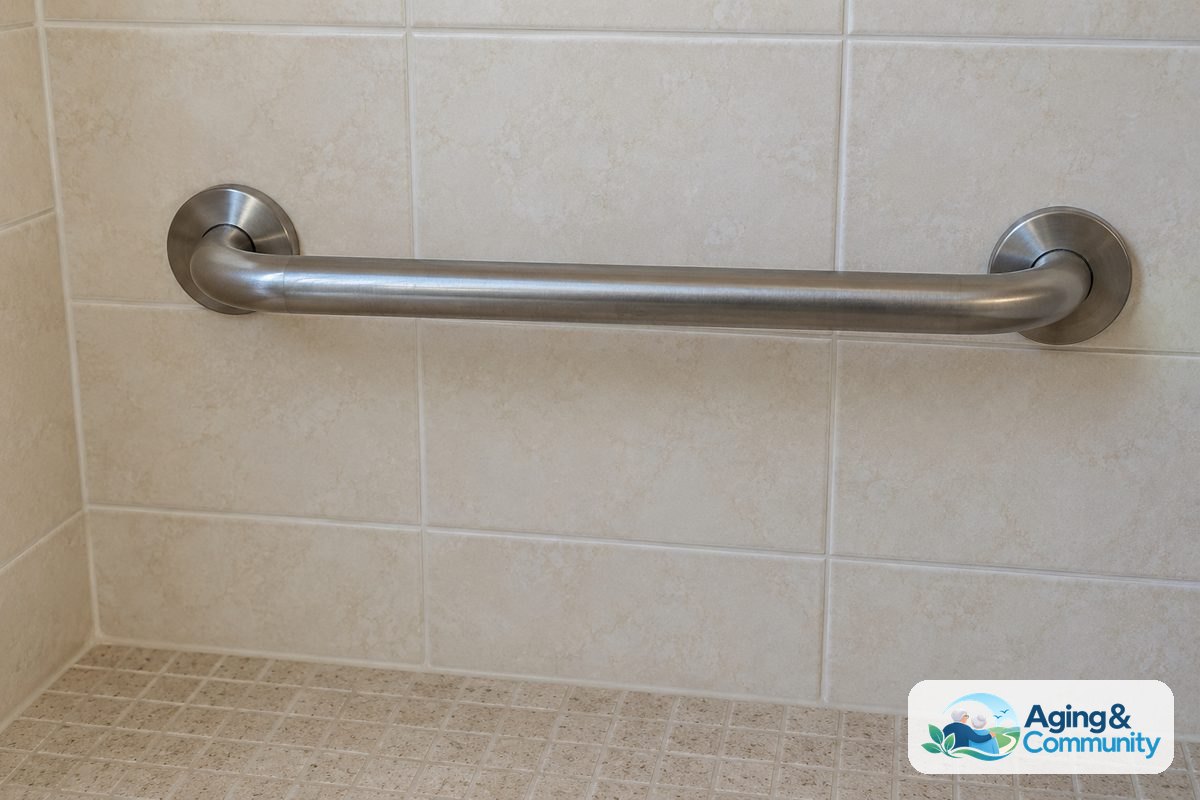
- Adding grab bars near the toilet or shower.
- Improving lighting in halls, stairs and entrances.
- Using lever style door handles and easy grip faucets.
- Adding a handrail on both sides of stairs when possible.
- Reducing thresholds that are hard to step over.
- Creating a bedroom, bathroom or laundry setup on one level.
For larger projects, a guide to home modifications for elderly can help explain common options. If walls, plumbing or major layout changes are involved, it can also help to read about aging in place remodeling before speaking with a contractor.
The goal is not to make the home look clinical. Many changes can blend into the home’s style. A respectful consultant should care about how the space feels, not just how it functions.
How To Choose The Right Consultant
Look for someone who explains their process in plain language and asks about personal goals. The right person should not make you feel rushed or judged. They should be willing to work with family, contractors and health professionals when needed.
Questions to ask include:
- What training or background do you have in home accessibility?
- Do you provide a written report after the visit?
- Can you separate urgent fixes from long term ideas?
- Do you work with contractors, or only provide planning advice?
- How do you include the person who lives in the home in decisions?
Some consultants have backgrounds in occupational therapy, design, construction, care management or accessibility planning. If the person has a health condition, pain, balance changes or new equipment, ask a doctor or therapist what home features to consider. A consultant can then use that input while reviewing the space.
If you need help finding local services, the Eldercare Locator can point families toward aging services in their area. Local agencies may know about home repair help, transportation options or support programs.
What The Reader Can Do Next
Start with a simple walk through the home at a normal pace. Notice where the person slows down, reaches for walls, avoids a step or needs extra effort. Write down the room, the task and what made it harder.
Next, make a short priority list. Put daily needs first, such as bathing, getting to the bathroom, entering the home, preparing food and moving safely at night. Then list comfort changes, such as easier storage, better seating or less bending.
Helpful next steps include:
- Ask the person who lives in the home what matters most to them.
- Take photos of problem spots to discuss with a consultant or contractor.
- Gather notes from a doctor, physical therapist or occupational therapist if mobility or equipment is part of the plan.
- Review possible home modification programs if cost or local help is a concern.
- Choose one small change to complete first, then review how it works.
Try to keep the process steady and respectful. A good plan supports independence while honoring the person’s choices, routines and sense of home.
Frequently Asked Questions
What Is An Aging In Place Consultant?
An aging in place consultant is a person who helps plan home changes so a person can keep living at home with more ease. They may review safety, layout, lighting, access, storage and daily routines.
Is An Aging In Place Consultant The Same As An Occupational Therapist?
No. An occupational therapist is a licensed health professional who can assess how a person performs daily tasks. Some consultants are occupational therapists, but many come from design, building or care planning backgrounds. If health, strength, balance or equipment use is involved, it is wise to ask a doctor or occupational therapist for guidance.
Do I Need A Consultant Or A Contractor?
You may need both, but they do different jobs. A consultant helps decide what changes may be useful and how to rank them. A contractor completes building work, repairs or installation.
Can A Consultant Help Without A Big Remodel?
Yes. Many plans include simple changes, such as better lighting, clearer walkways, safer storage and grab bars. A consultant can help decide which small changes may have the most value for daily life.
How Should I Prepare For A Home Visit?
Write down the tasks that feel hard, the rooms that cause concern and any recent changes in mobility or equipment. Keep notes from health professionals nearby if they are relevant. It also helps to have the person who lives in the home share their own goals.
Who Should Be Part Of The Planning Conversation?
The person living in the home should be central to the conversation. Family helpers, a trusted contractor and health professionals may also be included when their input is useful. The best plan is one the household understands and feels ready to follow.