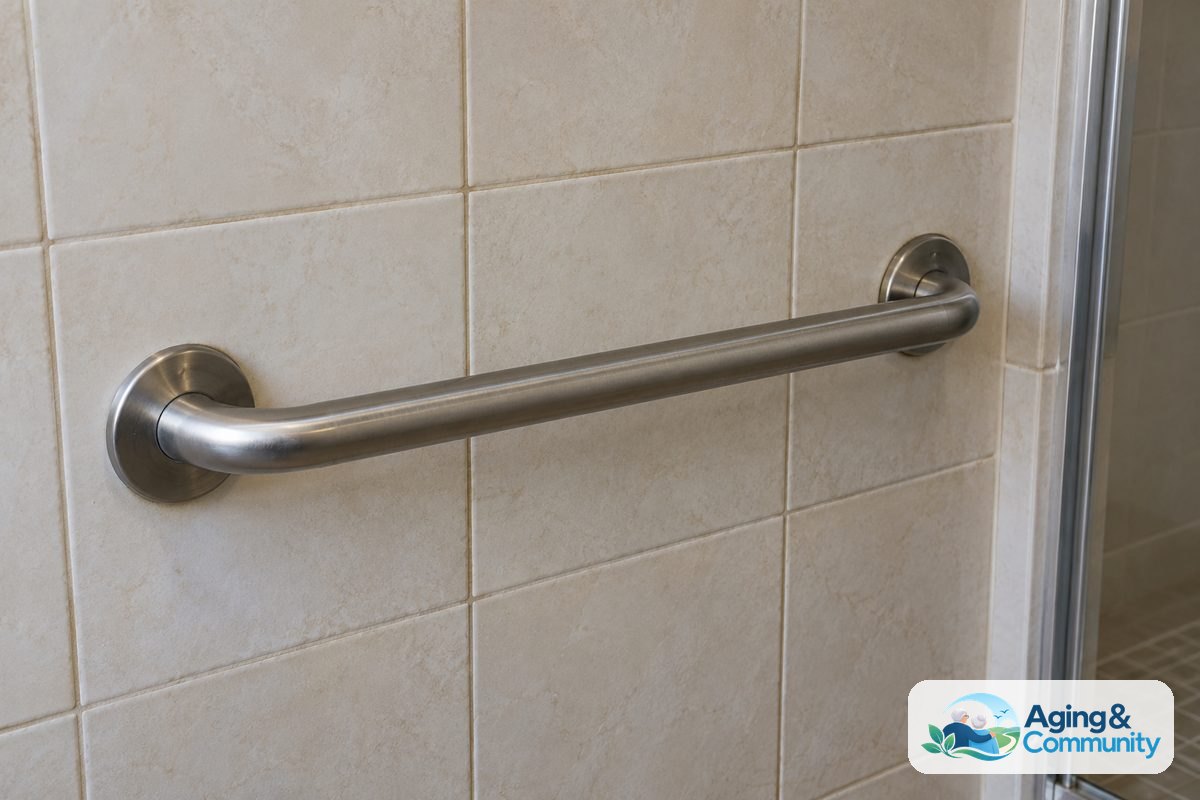
Aging in place grants can help pay for home changes that make daily life at home easier and more manageable. These grants are not one single program, and they often come from local, state, nonprofit, or federal sources.
The best place to start is close to home. Your city, county, Area Agency on Aging, housing office, veterans office, or community nonprofit may know which programs are open and what they cover.
What Aging In Place Grants Usually Mean
An aging in place grant is money that may help a person remain in their home by making the home safer, easier to use, or more accessible. Unlike a loan, a grant usually does not need to be paid back if the rules are followed.
Programs vary a lot by location. Some focus on low income households. Others help homeowners, renters with landlord approval, veterans, people with disabilities, or people who live in rural areas.
Many programs do not use the exact words aging in place grants. They may call the help home repair assistance, accessibility modification funds, weatherization, housing rehab, or independent living support.
If you are helping a parent or another family member, it can help to write down the home problems first. Then look for a program that fits the need, rather than searching only for one exact grant name.
What Home Changes Grants May Cover
Each program has its own rules, but many aging in place grants focus on basic changes that make daily routines easier. These changes are often practical, not fancy.
Common covered projects may include:
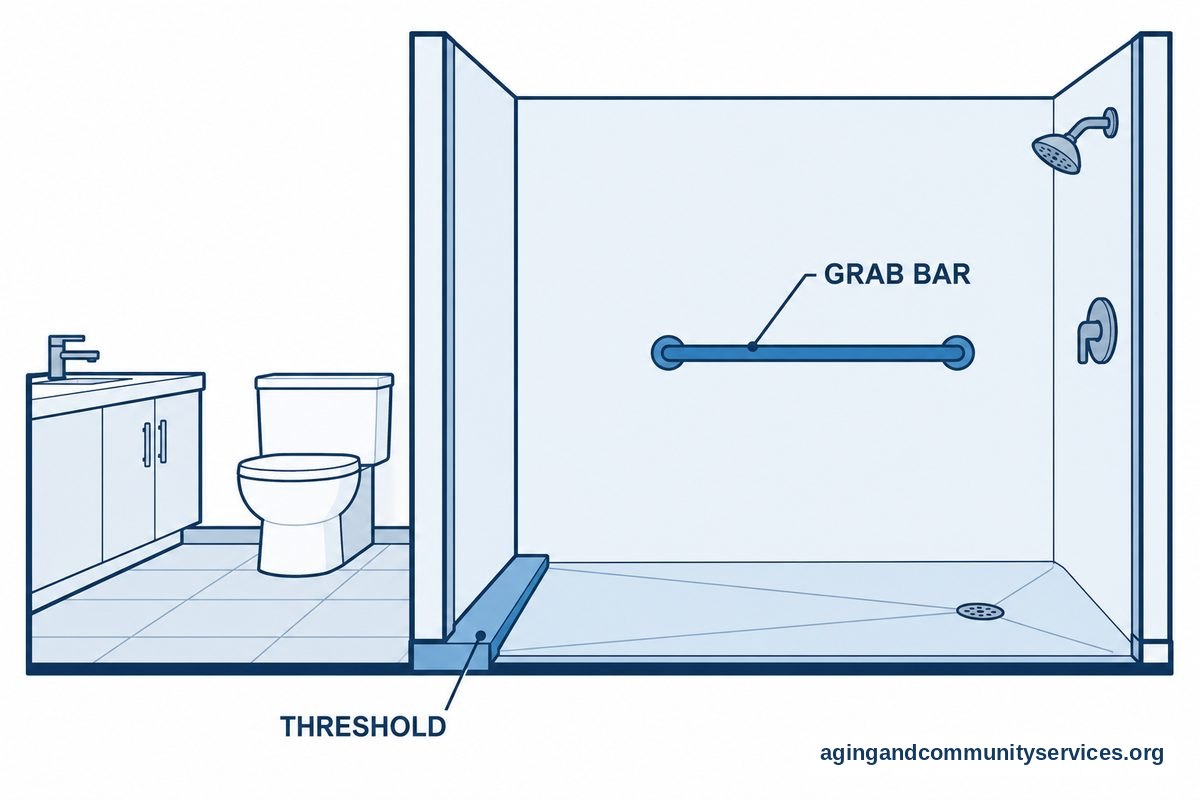
- Grab bars near toilets, tubs, or showers
- Handrails on steps or along hallways
- Ramps or safer entrances
- Better lighting in halls, stairs, and doorways
- Wider doorways or easier room access
- Floor repairs that reduce tripping concerns
- Bathroom changes, such as a walk in shower
Some programs also help with heating, cooling, plumbing, roof, or electrical repairs if those repairs are needed for safe use of the home. Others only cover accessibility changes.
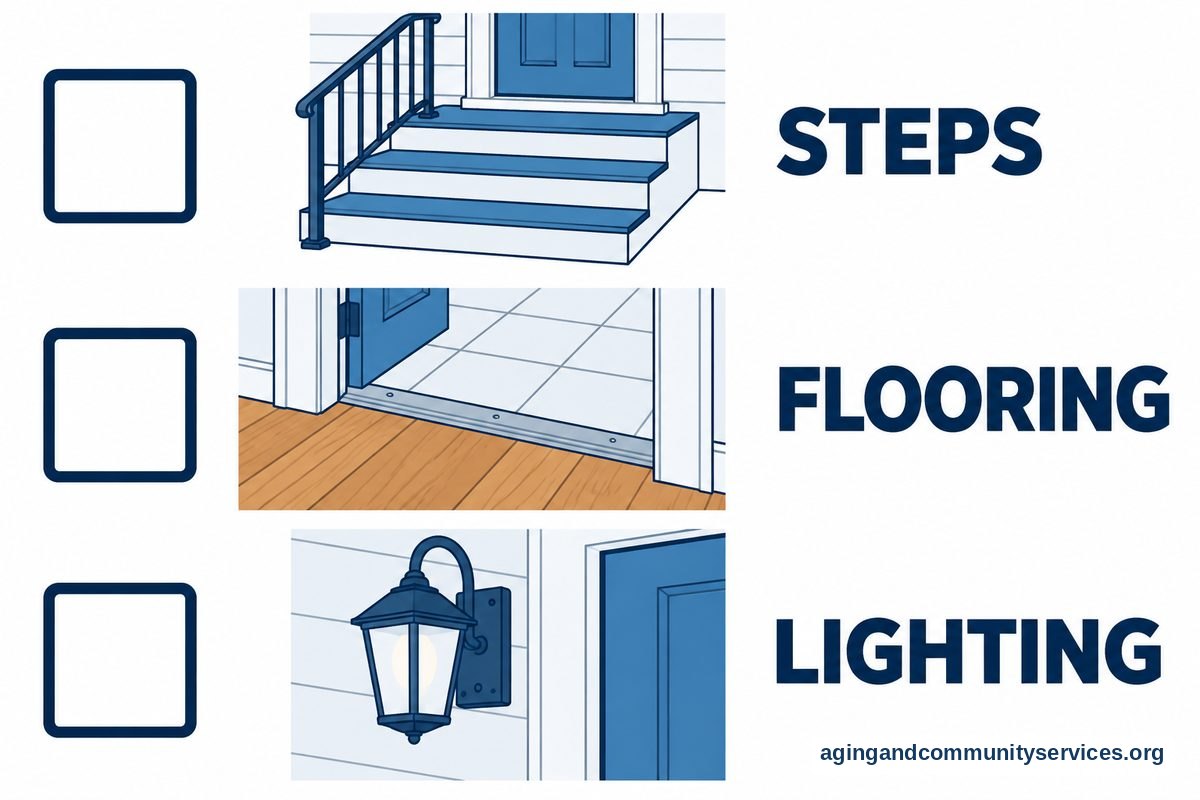
If you are still deciding what changes matter most, a simple aging in place checklist can help you look at the home room by room. For more detail on common projects, review home modifications for elderly before you apply.
For health related concerns, such as balance, walking, or bathing support, ask a doctor, physical therapist, or occupational therapist what types of home changes may be appropriate. Their notes may also help explain why a change is needed, if a program asks for paperwork.
Where To Look For Aging In Place Grants
There is no single national list that covers every local program. A good search uses several paths at the same time.
Start with public aging and housing offices. Many communities have staff who know about local repair funds, accessibility programs, and nonprofit partners.
Places to contact include:
- Your local Area Agency on Aging
- Your city or county housing department
- Your state housing finance agency
- Your local community action agency
- Veterans service offices, if the person served in the military
- Centers for independent living
- Habitat for Humanity or other local repair nonprofits
The National Institute on Aging has a helpful overview of growing older at home, including planning ideas for staying in a familiar place. You can also search for local aging services through the Eldercare Locator.
Local names can be confusing. A city repair program, a county accessibility fund, and a nonprofit home safety program may all support the same goal, even if none of them uses the phrase aging in place.
If you want a more focused starting point, compare local grants for home modifications with broader home modification programs. Some programs offer money, while others provide labor, supplies, inspections, or referrals.
Who May Qualify For Help
Rules are different from one program to the next. Some grants are based on income. Some are based on age, disability, homeownership, veteran status, location, or the type of repair needed.
Programs may ask for proof of:
- Identity and age
- Address and home ownership or lease status
- Household income
- Insurance or tax records
- Need for the home change
- Permission from a landlord, if renting
Renters should not assume they are excluded. Some programs can help renters if the landlord agrees in writing and the project is allowed under the program rules.
Homeowners should ask if there are any conditions. For example, some programs may require the person to stay in the home for a certain period, use approved contractors, or complete inspections.
If an application asks for medical information, provide only what is required. If you are unsure what to share, ask the program staff or a trusted professional for guidance.
How To Apply Without Getting Overwhelmed
Applying can take time, so it helps to move in small steps. You do not need to have every answer before making the first call.
Use this simple process:
- List the main home concerns. Focus on daily tasks, such as entering the home, bathing, cooking, doing laundry, or using stairs.
- Take clear photos. Photos of steps, bathrooms, loose flooring, or narrow entries can help explain the need.
- Gather basic papers. Keep copies of ID, proof of address, income papers, property tax records, lease papers, and utility bills if available.
- Call local offices. Ask what programs are open, who qualifies, and whether there is a waiting list.
- Ask about approved contractors. Some programs choose the contractor. Others let you choose from a list.
- Keep notes. Write down who you spoke with, the date, what they said, and what to send next.
When you call, use plain words. You might say, “We are looking for help with a ramp and bathroom safety changes so my parent can keep living at home.” That gives the staff a clear picture of the need.
If the first office cannot help, ask where else to call. Local staff often know other programs, even when their own funds are full.

How To Compare Programs And Avoid Problems
Before signing anything, read the rules carefully. A grant can be helpful, but it is still important to understand what is covered, who does the work, and what happens after the project is finished.
Ask these questions:
- What types of work are covered?
- Is there an income or location rule?
- Does the program pay the contractor directly?
- Do we need more than one estimate?
- Who checks the finished work?
- Are there any repayment rules if the home is sold or the person moves?
- Can the work begin before approval, or must we wait?
Be careful with anyone who pressures you to sign quickly, asks for full payment before work begins, or will not put details in writing. A real program should be able to explain its rules in clear terms.
It is also fine to ask a family member, friend, housing counselor, or trusted community worker to review papers with you. A second set of eyes can make the process feel less stressful.
What You Can Do Next
Start with one room or one problem. The most useful first step is often a short walk through the home with a notebook.
Look at entrances, stairs, bathrooms, bedrooms, lighting, flooring, and places where daily tasks feel hard. Write down what is difficult, not just what you think should be installed.
Next, call your local Area Agency on Aging, city housing office, or county housing department. Ask if they have aging in place grants, home repair help, accessibility funds, or partner nonprofits that serve your area.
If the person has mobility, balance, vision, or strength concerns, ask a doctor, physical therapist, or occupational therapist whether a home safety visit or home equipment advice would be helpful. Their guidance can help you choose changes that fit the person and the home.
You can also review an aging in place program to understand how support may be organized. Keep all notes, forms, and photos in one folder so each call and application is easier than the last.
Frequently Asked Questions
Are Aging In Place Grants Real?
Yes, but they are usually local or program specific. You may find them under names such as home repair grants, accessibility grants, housing rehab, weatherization, or independent living support.
Because names and rules vary, it helps to call local aging and housing offices rather than search for one national program only.
Can Renters Get Help With Aging In Place Changes?
Sometimes. Renters may qualify for certain programs, but many require written permission from the landlord before changes are made.
Ask the program what paperwork is needed. Also ask whether the change must stay in the home if the renter moves.
Do Grants Pay For Bathroom Updates?
Some grants may help with bathroom changes if the work fits the program rules. Covered work might include grab bars, safer shower access, toilet support, or flooring repairs.
For larger bathroom projects, ask whether the program covers full changes or only basic safety updates. An occupational therapist may be able to suggest practical options for the space.
What If I Do Not Qualify For A Grant?
If one program says no, ask why. You may be over an income limit, outside the service area, or asking for work the program does not cover.
Then ask for referrals. You may still find help through a nonprofit, a local repair program, a veterans office, a faith based group, or a low interest housing program.
How Long Does Approval Usually Take?
Timing depends on the program, the funding available, the number of applicants, and the type of work. Some programs also require inspections or contractor estimates before approval.
Ask about the expected wait, what papers are still needed, and whether urgent safety concerns can be reviewed sooner. Keep copies of everything you send.
Should We Make Changes Before Applying?
Ask first. Some programs will not pay for work that starts before written approval.
If a change is needed soon, call the program and explain the situation. They can tell you whether to wait, apply first, or look for another type of help.