

Getting out of bed can involve a small pivot, a weight shift, and one or more steps before the person is fully steady, so the floor area beside the bed matters. The best bedside fall mats add a cushioned surface where feet first land, but the right choice depends on thickness, edge shape, cleaning needs, and how much room sits beside the bed. After comparing published specifications, the VEVOR Fall Mat stands out for broad 24 x 70 inch coverage with a 3/4-inch profile, while the JZHLLA Bedside offers a thicker 2.5-inch foam option for families who want more padding and can manage the added height.

Pros
- 3/4-inch PU foam adds cushioned bedside coverage
- 70 x 24-inch size covers a long transfer zone
- PVC textured surface is waterproof and wipeable
- Anti-slip bottom helps keep the mat in place
Cons
- 70 x 24-inch footprint may crowd small bedrooms
- 3/4-inch height can still catch some walkers
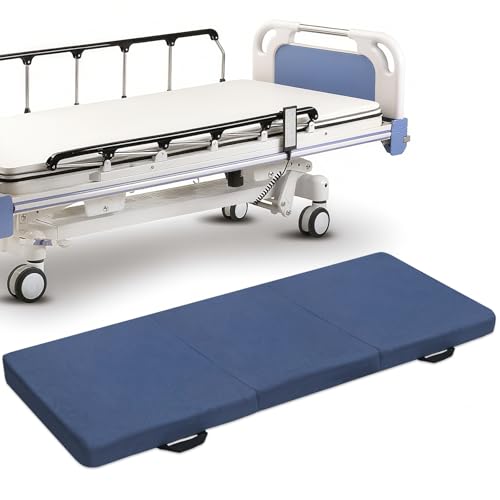
Pros
- 72 x 24 inch size covers a long bedside area
- 2 inch 35D sponge offers thick floor cushioning
- Waterproof Oxford fabric cover is simple to wipe
- Folds into 3 sections with a built-in handle
Cons
- 2 inch height may be a trip edge near the bed
- Vacuum-packed foam needs 48 hours to expand
- 72 x 24 inch footprint may crowd narrow rooms

Pros
- 70 x 24 inch size gives broad bedside coverage
- High density molded foam cushions floor contact
- Waterproof rubber surface handles bedside spills
- Non-skid back grips wood, tile, and carpet
Cons
- May take up to 24 hours to fully unroll flat
- 70 x 24 inch footprint can crowd small bedrooms

Pros
- 2.5-inch thickness adds substantial bedside cushioning
- 30d high-density foam rebounds after compression
- Waterproof oxford cover is removable for cleaning
- 71.6 x 24 inch size covers a long bedside area
Cons
- Vacuum packing requires at least 48 hours to expand
- May need heavy objects to flatten after unrolling
- 2.5-inch height could catch shuffling feet

Pros
- 72 x 24 inch size covers a long bedside area
- 2 inch sponge pad offers soft underfoot cushioning
- Waterproof Oxford cover is simple to wipe clean
- 3-panel fold and handle support compact storage
Cons
- Only 24 inches wide, so placement must be precise
- Needs 48 hours to expand before regular setup
- 2 inch height may catch shuffling feet at bedside

Pros
- 70 x 24 inch size covers the bedside landing area
- High-density molded foam cushions floor contact
- Waterproof rubber helps with spills and cleaning
- 2-panel bi-fold design stores more neatly between uses
Cons
- 70 x 24 inch footprint may crowd small bedrooms
- Rolled mat may need up to 24 hours to flatten
- Foam edges can still be a trip point if misplaced
A Closer Look at Our Top Pick
The VEVOR Fall Mat is the one we would look at first for many home bedrooms because it balances coverage, cleaning, and access without being the thickest option here. Its 24 x 70 inch size covers a long strip beside the bed, which is useful when the person does not always place their feet in exactly the same spot. The 3/4-inch PU foam core gives bedside cushioning, and the textured PVC top is waterproof and wipe-clean. On paper, that combination fits a family that wants a mat to stay in place most of the time rather than one that folds away after every use.
The main reason to choose a 3/4-inch bedside mat with beveled edges over a 2-inch or 2.5-inch option is foot clearance. A thinner mat may be easier for shuffling steps than a taller pad, though any raised floor surface still deserves attention. The trade-off is that PVC can feel firmer than fabric, and the 24 x 70 inch footprint may crowd a small bedroom. If the person uses a wheelchair, the beveled edges are a helpful design detail because they are meant to let mobility devices roll on more smoothly.
Find Your Situation
- the VEVOR Fall Mat: suits a bedroom that can fit a 24 x 70 inch mat and needs wipe-clean PVC with beveled edges. Watch out: the 3/4-inch height still creates a raised surface underfoot.
- the JZHLLA Foldable Fall: suits caregivers who want a 72 x 24 x 2 inch mat that folds into 3 sections with a handle. Watch out: vacuum packing requires 48 hours for the foam to regain softness.
- the NYOrtho Fall Mat: suits a long bedside area where 70 x 24 inch coverage and beveled molded foam are useful. Watch out: rolled shipping may need up to 24 hours to flatten.
- the JZHLLA Bedside: suits someone who wants 2.5-inch cushioning in a 71.6 x 24 inch rollable mat. Watch out: the 2.5-inch height may catch shuffling feet near the bed.
- the JZHLLA Foldable Fall: suits a family that wants a 72 x 24 x 2 inch sponge pad with a waterproof Oxford cover. Watch out: the 2 inch height may catch toes in tight bedside spaces.
- the NYOrtho Bedside Fall: suits care settings that can use a 5-pack of 70 x 24 inch bi-fold mats. Watch out: each mat still adds a raised edge on the floor.
How We Narrowed It Down
We compared published specifications rather than handling the products, focusing on size, thickness, surface material, edge design, cleaning, storage, and setup time. We favored mats with clear bedside dimensions, such as 70 x 24 inch or 72 x 24 inch coverage, because a vague size makes room planning harder. We excluded products from consideration when the supplied details did not fit bedside use for older adults, wheelchair users, or care recipients. We also looked for practical trade-offs, such as a 2.5-inch cushion that may feel softer but can create more of a step at the bed. A doctor or physical therapist can help match the mat height and placement to the person’s walking pattern, transfer routine, and mobility aids. The National Institute on Aging notes that many factors can affect falls, including medicines, vision, footwear, and home setup, so it is worth reviewing the full room plan at the National Institute on Aging falls prevention page.
What to Look For
Start with the height your parent can clear
Thickness is the first practical choice because every mat adds some height to the floor. In this group, the thinnest option is 3/4 inch, while the thickest listed option is 2.5 inches. A thicker mat may offer more cushioning, but it can be harder for shuffling feet or a walker path. If your parent tends to slide their feet, measure the bedside space and think carefully before choosing a 2 inch or 2.5 inch mat or a mattress for seniors.
Measure the bedside path, not just the bed
Most of these mats are long and narrow, with common sizes around 70 x 24 inches or 72 x 24 inches. That shape works well beside many beds, but it can crowd a nightstand, oxygen tubing path, walker turn, or closet door. A 24 inch width can be helpful for the first step, yet it still needs enough clearance around the bed. Before ordering, mark the footprint on the floor and have the person walk the usual route at least 1 time.
Look closely at edges if wheels are involved
Beveled edges matter when the person uses a wheelchair or another mobility aid near the bed. The VEVOR, NYOrtho Fall Mat, and NYOrtho Bedside Fall entries all list beveled edges for easier access. A raised edge can still be felt underfoot, even when it is sloped. If wheels cross the mat daily, a 70 x 24 inch mat with beveled molded foam may be easier to consider than a taller straight-sided pad.
Choose a surface you can clean without fuss
Bedside mats live where water cups, lotions, and nighttime spills happen. PVC, rubber, and waterproof Oxford covers all appear in this group, and each is described as wipe-clean or suited to cleanup. A removable cover can be convenient, while a rubber or PVC surface avoids fabric-like texture. If more than 1 person helps with care, pick a surface that everyone can clean the same way.
Before you buy, plan where it goes during the day
Some families leave a mat down all the time beside senior mattresses, while others move it after morning routines. The foldable JZHLLA options fold into 3 sections and include a handle, which may help in smaller rooms. The rollable JZHLLA Bedside uses straps for storage, and the NYOrtho styles may need up to 24 hours to flatten after rolled shipping. If the room is tight, storage may matter as much as thickness.
When this is not enough, widen the home plan
A bedside mat is only 1 part of a safer room setup. Lighting, footwear, medicine timing, rugs, grab points, and the route to the bathroom can all affect how steady the person feels. If the home setup feels hard to sort through, Eldercare Locator can connect older adults and caregivers with local support services by phone at 1-800-677-1116. A mat should support a broader plan, not replace a conversation with a clinician.
Think about expansion and setup time
Foam mats do not always arrive ready for immediate placement. The JZHLLA foldable and rollable options note 48 hours for vacuum-packed foam to expand or regain softness. The NYOrtho mats may need up to 24 hours to flatten after rolled shipping. If you need the room ready soon, plan setup time before the person relies on the mat beside the bed.
Quick Tips for Choosing
- Pick 3/4 inch if toe clearance is a bigger concern than deep cushioning.
- Pick 2 inch or 2.5 inch only if the person can step over that height safely.
- Use 70 x 24 inch or 72 x 24 inch sizes only where the room has space.
- Choose beveled edges when wheels or walkers cross the mat often.
- Allow 24 hours or 48 hours for mats that need flattening or expansion.
- Choose waterproof PVC, rubber, or Oxford surfaces when cleanup matters daily.
Frequently Asked Questions
What size bedside fall mat is easiest to place?
A 70 x 24 inch or 72 x 24 inch mat covers a long strip beside the bed without spreading far into the room. It still needs clear space for a walker, wheelchair, nightstand, or doorway.
Is a thicker bedside mat always better?
No. A 2 inch or 2.5 inch mat may provide more cushioning, but it also creates a taller edge. A 3/4-inch mat may be easier for some people to step onto and off of.
Can a bedside mat be used on carpet?
One option in this group lists a slip-resistant back for wood, tile, or carpet. Even so, check whether the mat shifts when the person takes the first 1 or 2 steps from bed.
Do beveled edges remove the tripping concern?
Beveled edges can make the transition onto the mat smoother for feet or wheels. They do not make the surface flat, so the person still needs to notice the edge.
How long does foam take to settle after shipping?
Some rolled mats may need up to 24 hours to flatten. Some vacuum-packed foam mats need 48 hours to expand or regain softness.
What surface is simplest to wipe clean?
Waterproof PVC, waterproof rubber, and waterproof Oxford covers are all described as wipe-clean or suited to spills. The right choice depends on whether you prefer a firm surface or a removable cover.
Can a mat stay beside the bed all day?
Yes, if it does not block walking paths, wheelchair movement, doors, or furniture. In a small room, a foldable 3-section design or rollable mat may be easier to move during the day.
Should the mat go under the bed or right beside it?
Place it where the person’s feet actually land when getting out of a bed for mobility issues. For many people, that means the long 70 inch or 72 inch edge runs parallel to the bed.
Is a bedside mat enough by itself?
A mat can add cushioning to the bedside floor, but it is only 1 part of the room setup. Lighting, footwear, assistive devices, and transfer habits should be reviewed too.
Who should help decide on mat height?
A doctor or physical therapist can help if the person has a complex walking pattern or uses several mobility aids. Bring the mat thickness, size, and room measurements to that conversation.
Which One to Start With
If you want one sensible place to begin, start with the VEVOR Fall Mat. Its 24 x 70 inch size covers a useful bedside strip, and the 3/4-inch thickness is less tall than the 2 inch and 2.5 inch options here. That makes it a strong first look for a home bedroom where the person needs cushioning but may not clear a taller edge confidently. The waterproof PVC surface also keeps daily wipe-downs simple, and the beveled edges are helpful if a wheelchair or other mobility aid crosses the mat.
If cushioning matters more than a low profile, shift your attention to the JZHLLA Bedside. It has 2.5-inch high-density foam and a 71.6 x 24 inch footprint, so it suits a room with enough open space and a person who can manage the height. Plan ahead because the vacuum-packed foam needs at least 48 hours to expand.
For a caregiver who needs to move the mat often, a foldable 72 x 24 x 2 inch mat with a handle is the more practical starting point. It folds into thirds, uses waterproof Oxford fabric, and gives a thicker cushioned surface than a 3/4-inch mat. In a care setting with several beds, the 5-pack NYOrtho option is worth a look, but most families shopping for 1 bedroom should choose by height, room fit, and cleanup first.