

Swallowing comfort, pill schedules, diet limits, and prescription routines all shape whether a daily multivitamin is realistic after age 80. The best multivitamins for seniors over 80 are not simply the broadest formulas; they are the ones the person can take consistently, check easily, and fit around meals or other daily medicines. After comparing 6 options on paper, the Centrum Minis Silver stands out for smaller tablets and a 320 count bottle, while the One A Day offers a 200 count men’s 50+ tablet with a simple 1 tablet daily dose with food. The better choice depends on the person’s swallowing comfort, refill help, and current supplement list.

Pros
- 200 count bottle supports long refill intervals
- Includes vitamins A, C, E, B6, B12 and D
- Has calcium, zinc, selenium, copper and iodine
- Free of 9 major US food allergens for simpler checks
Cons
- Tablet format may be hard for some people to swallow
- Requires food, less convenient for missed meals

Pros
- 320 count bottle supports long refill intervals
- 50 percent smaller tablets may be easier to swallow
- Includes Vitamin D3, B-Vitamins, calcium and zinc
- Gluten free and Non-GMO for common diet concerns
Cons
- Still requires daily tracking with other 50+ supplements
- Contains calcium and zinc, review alongside prescriptions

Pros
- 60 capsules per bottle for a simple monthly supply
- Includes vitamins A, B, C, D, E, K1, and K2
- Third party contents certified for label matching
- Two capsules daily keeps the routine straightforward
Cons
- Requires swallowing 2 capsules every day
- May add to a crowded pill box for older adults

Pros
- 90 capsules per bottle supports refill planning
- Folate as 5-MTHF for methylated folate preference
- Includes NAC, coenzyme Q10 and alpha lipoic acid
- B12 as hydroxocobalamin, with B6 as P-5-P
Cons
- 3-capsule serving may feel like a lot daily
- Weight-based dosing requires checking the package
- Broad formula may duplicate vitamin A, D, E or K supplements

Pros
- 30+ vitamins, minerals, and organic herbal blend
- 90 count bottle supports a three month routine
- Non-GMO and gluten-free for restricted diets
- Liposomal technology targets 3X bioavailability
Cons
- Men 70+ formula is not tailored for women or younger adults
- Herbal blend may not suit every medication routine
- Daily pill routine can be hard for some caregivers to track
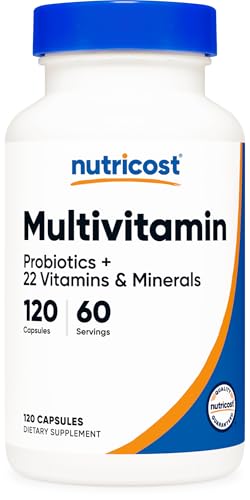
Pros
- 120 vegetarian capsules in each bottle
- 60 servings supports a two month supply
- Includes vitamins, minerals, and probiotics
- GMO free, soy free, and gluten free formula
Cons
- Two capsule serving may crowd weekly pill organizers
- Capsules can be difficult for some adults to swallow
A Closer Look at Our Top Pick
For many families, the most practical starting point is a 50 percent smaller tablet in a 320 count bottle. That combination matters because a daily supplement only helps as part of a steady routine, and a large bottle can reduce the number of refill decisions a caregiver has to manage. The Centrum Minis Silver is made for adults 50 and over, includes Vitamin D3, B-Vitamins, calcium, and zinc, and is listed as gluten free and Non-GMO. On paper, those details make it easier to compare against common diet concerns and a weekly pill organizer.
The trade-off is that smaller does not mean no planning. It is still a tablet, and the person may already have 1 or more daily supplements or prescriptions in the same time slot. Calcium and zinc also deserve a careful look alongside prescriptions, especially if your parent takes medicines with timing instructions. If swallowing is the main issue, this option has a clear advantage over larger-feeling routines, but if the person dislikes tablets altogether, a capsule product with 2 capsules daily or a different format may still feel easier. The safest first step is to compare the label with the person’s full medication and supplement list before adding it.
Find Your Situation
- the One A Day: Suits a man 50+ who wants a simple 1 tablet daily routine with food and a 200 count bottle. Watch out: the tablet format may be hard for some people to swallow.
- the Centrum Minis Silver: Suits an adult 50+ who wants 50 percent smaller tablets and a 320 count bottle for longer refill spacing. Watch out: it still needs daily tracking with other 50+ supplements.
- the THORNE Basic Nutrients: Suits a person who prefers a third party contents certified formula and can manage 2 capsules daily from a 60 capsule bottle. Watch out: 2 capsules may add clutter to a crowded pill box.
- the 10X Health System 10X: Suits an adult 65+ who wants methylated folate as 5-MTHF and a 90 capsule bottle. Watch out: the 3 capsule serving and weight-based directions require more daily checking.
- the ACTIF Multivitamin for: Suits a man 70+ who wants a 90 count bottle with 30+ vitamins, minerals, and an organic herbal blend. Watch out: the herbal blend may not fit every medication routine.
- the Nutricost Multivitamin with: Suits a person who wants 120 vegetarian capsules, 60 servings, and probiotics in the same bottle. Watch out: the 2 capsule serving can crowd a weekly organizer.
How We Narrowed It Down
We compared published specifications rather than handling the products, focusing on 6 practical details that matter for an older adult’s routine: serving size, pill form, bottle count, age fit, diet labels, and whether the formula might duplicate vitamins already taken. We excluded options from consideration when they required claims beyond the product facts here, such as disease-related benefits, lab values, or results after taking them. We also gave less weight to broad formulas when the daily serving could be difficult to fit into an already full pill schedule. Before starting any supplement, ask the person’s doctor or physical therapist to review the full medicine list, especially if balance, strength, or mobility are also being discussed; the National Institute on Aging notes practical home and activity steps for falls prevention at falls and falls prevention.
What to Look For
Start with the pill the person will actually take
A multivitamin can look strong on paper and still fail the routine test if the person avoids it after 2 days. Tablet size, capsule count, and the need to take it with food all matter when your parent already has a morning or evening schedule. For a person who dislikes large tablets, 50 percent smaller tablets for adults 50 and over may be more realistic than a larger-feeling daily pill. If the person prefers capsules, compare whether the serving is 2 capsules or 3 capsules before choosing.
For someone over 80, keep the routine boring on purpose
After age 80, the easiest routine is often the one with the fewest decisions. A 1 tablet daily direction is simpler to place in a pill organizer than a weight-based serving that changes by package instructions. A 200 count or 320 count bottle can also reduce how often a caregiver has to reorder. The goal is not a dramatic formula; it is a clear routine the person can repeat, whether using a general product or multivitamins formulated for women over 80.
Check overlap before adding more vitamins
Several options include vitamins A, D, E, or K, and those can overlap with other supplements. The 10X Health System 10X specifically notes broad formula duplication as a concern with vitamins A, D, E, or K supplements. If your parent already takes 1 separate vitamin D product, calcium product, or eye-health supplement, compare labels before adding a multivitamin for older adults. This is a good place for a pharmacist or doctor to help with timing.
Before you buy, count the capsules per day
Serving size affects both comfort and cost planning, even when no price is being compared. THORNE Basic Nutrients uses 2 capsules daily, Nutricost uses 2 capsules per serving, and 10X Health System 10X may involve a 3 capsule serving. A 60 capsule bottle can mean a different refill rhythm than a 120 capsule bottle, depending on serving size. If a weekly pill box already has 7 crowded compartments, a smaller serving may be easier.
Match the formula to diet limits and label checks
Diet labels can save caregivers from repeated label reading when the person avoids specific ingredients. The One A Day is listed as free of 9 major US food allergens, while the Centrum Minis Silver is gluten free and Non-GMO. Nutricost is GMO free, soy free, and gluten free, with 120 vegetarian capsules. If dietary restrictions are part of the decision, choose the label that directly matches the person’s needs rather than the longest ingredient list.
When this is not enough, look beyond the bottle
A supplement should not be asked to solve problems that need hands-on support, food help, medication review, or safer daily routines. If your parent is struggling with meals, transportation, or local services, the Eldercare Locator can connect older adults and caregivers to local support, and its phone number is 1-800-677-1116. That kind of help can matter as much as choosing between 2 capsules and 1 tablet. Use the multivitamin decision as 1 part of a broader care conversation.
Decide whether extras are helpful or just extra
Some formulas include features beyond standard vitamins and minerals. Nutricost includes probiotics, while 10X Health System 10X includes NAC, coenzyme Q10, and alpha lipoic acid. ACTIF includes 30+ vitamins, minerals, and an organic herbal blend, with liposomal technology targeting 3X bioavailability. Extras may appeal on paper, but they also create more ingredients to compare with prescriptions and existing supplements.
Quick Tips for Choosing
- Choose 1 daily tablet if routine simplicity matters most.
- Choose smaller tablets if swallowing comfort is the main concern.
- Count capsule servings before filling a 7 day organizer.
- Compare vitamins A, D, E, and K against current supplements.
- Use bottle count to plan refills for 60, 90, 120, 200, or 320 units.
- Ask a doctor or pharmacist to review the full list before starting.
Frequently Asked Questions
Should every adult over 80 take a multivitamin?
No single supplement fits every adult over 80. The better question is whether the person’s doctor sees a reason to add 1 daily product to the current food, medicine, and supplement routine.
Is a smaller tablet always better?
A smaller tablet can help if swallowing comfort is the barrier. It is not automatically better if the person prefers capsules, already takes 2 supplements, or needs a different diet label.
Are capsules easier than tablets?
Some people prefer capsules, while others find them harder to swallow. The practical issue is the daily count, because 2 capsules or 3 capsules can feel like a lot in a full pill organizer.
How important is bottle count?
Bottle count matters because it affects refill planning. A 320 count bottle may be easier for a caregiver to manage than a 60 capsule bottle, depending on the serving size.
What should caregivers check first?
Start with the person’s current medicine and supplement list. Then compare serving size, pill form, diet labels, and overlapping vitamins such as A, D, E, or K.
Can a multivitamin replace a balanced diet?
A multivitamin should not be treated as a replacement for regular meals. If the person is eating less than usual for more than a short stretch, ask a clinician for guidance.
Do men and women need different formulas?
Some products are made for men 50+ or men 70+, while others are for adults 50+ or multivitamins for adults 65+. Match the age and sex direction on the label to the person before comparing ingredients.
Are probiotics in a multivitamin necessary?
Probiotics are an added feature in some formulas, not a requirement for every person. If your parent already takes a separate probiotic, compare the full routine before adding another product.
What if the person misses doses?
Missed doses often point to a routine problem, not a motivation problem. A 1 tablet daily product, a visible pill organizer, or linking the dose to 1 meal may make the schedule easier.
When should a doctor be involved?
A doctor or pharmacist should be involved when the person takes prescriptions, has a crowded supplement list, or is considering a broad formula. Bring the full list, including over-the-counter products, so the review covers every item.
Which One to Start With
If you are choosing for a parent over 80 and want the safest practical starting point on paper, begin with the easiest routine the person is likely to accept. For many households, that means the Centrum Minis Silver, because the 50 percent smaller tablet design, 320 count bottle, and adult 50+ positioning solve several everyday problems at once. It is still a daily tablet, and calcium and zinc should be checked alongside prescriptions, but it is the most straightforward fit when swallowing comfort and refill spacing are the main concerns.
If the person is a man who already does well with tablets and meals are consistent, the One A Day is the simpler men’s 50+ alternative, with 1 tablet daily with food and a 200 count bottle. Choose it when a plain, once-daily schedule matters more than smaller-tablet positioning. If your parent wants capsules and the caregiver is comfortable managing a slightly fuller organizer, a third party contents certified 2 capsule formula is the more verification-focused choice, with 60 capsules and vitamins A, B, C, D, E, K1, and K2. I would not start with the broadest formula just because it has the longest list. Start with the product that creates the least friction for 7 ordinary days, then ask a clinician to review whether it belongs in the long-term routine.