

As we age, the omega-3 fatty acids EPA and DHA in fish oil become harder for the body to absorb efficiently, yet their role in supporting heart and brain function remains important. Many older adults struggle to find the best omega 3 for elderly because softgels can be difficult to swallow, and different supplements deliver vastly different amounts of active omega-3s per dose. The the Sports Research and the NOW Supplements options stand out because they address the most common frustrations: minimal fishy aftertaste, straightforward daily routines, and third-party testing for safety. This guide walks you through six options so you and your parent can match the right supplement to their specific needs and daily habits.
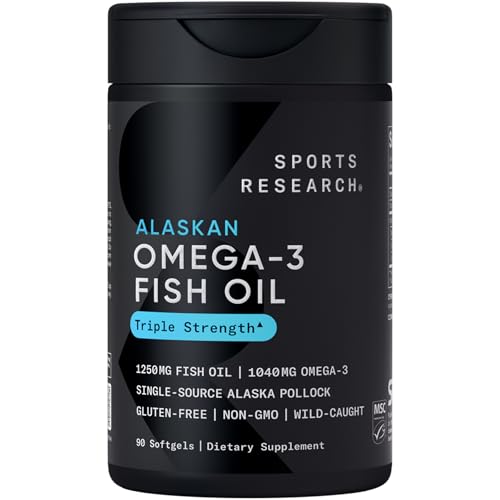
Pros
- 1250mg fish oil per softgel with 690mg EPA
- 260mg DHA and 1040mg omega-3 fatty acids
- Wild Alaska Pollock source with MSC certification
- 90-count bottle supports a once-daily routine
Cons
- Softgel format may not suit users with swallowing difficulty
- Contains fish oil, unsuitable for fish allergies or vegan diets
- One-a-day dosing still requires remembering a daily capsule

Pros
- 1,000 mg fish oil per softgel with 180 EPA/120 DHA content
- 100 softgels per bottle provides 50 days of twice-daily dosing
- NPA A-rated GMP certification ensures manufacturing quality standards
- Non-GMO and Kosher certified by an established family company since 1968
Cons
- Contains gelatin, unsuitable for vegetarian or vegan diets
- Requires swallowing two softgels daily for recommended dosage
- Fish-based formula may cause aftertaste or mild digestive changes

Pros
- Contains 1280 mg omega-3s per dose, matching American Heart Association guidelines
- Triglyceride molecular form supports better absorption than other fish oil types
- Wild-caught, non-GMO fish with no artificial colors, flavors, or preservatives
- 120 soft gel count provides a two-month supply at standard dosing
Cons
- Soft gels may be difficult to swallow for those with dysphagia or throat issues
- Fish oil supplements can interact with blood thinners and certain medications
- Requires refrigeration after opening to maintain freshness and prevent oxidation

Pros
- Each 3-softgel serving provides 1296 mg EPA and 864 mg DHA
- Flexible dosing: take 1, 2, or 3 softgels to customize daily amount
- Third-party tested and purified to remove mercury, arsenic, cadmium
- Lemon flavoring reduces fishy aftertaste and stomach discomfort
Cons
- Softgels may be difficult for older adults with swallowing challenges
- Requires taking up to 3 pills daily for full dosage amount
- Fish oil supplements can interact with blood thinning medications

Pros
- Contains 120 softgels per bottle for extended supply
- Includes olive polyphenols and sesame lignans for added benefits
- Sourced from South Pacific marine mammal-friendly fishery
- Manufactured in the USA with quality assurance documentation
Cons
- Softgel format may be difficult for those with swallowing challenges
- Fish-based product unsuitable for vegetarian or vegan diets
- Requires consistent daily use to maintain cardiovascular support
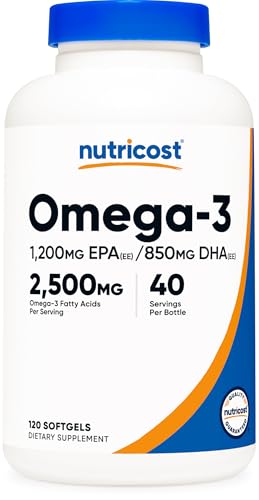
Pros
- Contains 1200mg EPA and 850mg DHA per serving
- 120 softgels provide 40 servings per bottle
- Third-party tested and NSF certified manufacturing
- Non-GMO and gluten-free formulation
Cons
- Fish oil softgels may cause fishy aftertaste or digestive upset
- Requires consistent daily dosing to maintain potential benefits
- Refrigeration may be needed after opening in warm climates
A Closer Look at Our Top Pick
The Sports Research supplement delivers 1250 mg of fish oil per softgel with 950 mg of combined EPA and DHA, meeting or exceeding the dose many cardiologists recommend for cardiovascular support. The 10-step molecular distillation process is the key differentiator here: it removes the compounds that cause the fishy burps and aftertaste that make many older adults quit supplements within weeks. The softgel is sourced from wild Alaska Pollock certified by the Marine Stewardship Council, meaning the fishery is managed sustainably. Third-party testing screens for heavy metals, oxidation, and potency, so you know what the label claims actually matches what is inside the bottle. The 90-count bottle is significant if your parent has never taken this supplement before, but the one-per-day routine is simple and easy to remember.
The main trade-off is the softgel size: some older adults with swallowing challenges will find even a standard fish oil softgel difficult to take. If that is the case, the molecularly distilled fish oil with flexible dosing or discussing options with a doctor may be a better starting point. The product is made in the USA in a cGMP-compliant facility, gluten-free, and non-GMO tested, which addresses concerns some families have about manufacturing standards and allergen safety.
Find Your Situation
- the Sports Research: One daily softgel, strong dose of 950 mg EPA and DHA, minimal aftertaste. Watch out: 90-count bottle is a big initial commitment if your parent is new to supplements.
- the NOW Supplements: Twice-daily routine fits those already taking morning and evening pills, 100 softgels per bottle (50 days supply). Watch out: requires swallowing two capsules daily, and the formula contains gelatin so it is not suitable if your parent is vegetarian or vegan.
- the Nordic Naturals Ultimate: Lemon flavor and triglyceride form reduce fishy aftertaste, 1280 mg omega-3s per dose, two-month supply. Watch out: requires refrigeration after opening to prevent oxidation, and the softgel size may be hard to swallow.
- the NUTRAHARMONY Omega: Flexible dosing lets your parent take 1, 2, or 3 softgels daily based on how they feel, lemon flavored. Watch out: the full dose of 2160 mg omega-3s requires taking 3 softgels daily, and it can interact with blood thinning medications.
- the Life Extension Super: Includes olive polyphenols and sesame lignans along with omega-3s, 120 softgels per bottle for extended supply. Watch out: softgel format may be difficult for those with swallowing challenges, and the added ingredients mean a higher price per dose.
- the Nutricost Omega 3: High dose of 2500 mg omega-3s per serving with 1200 mg EPA and 850 mg DHA, NSF certified manufacturing. Watch out: the full dose requires one softgel daily, and fish oil softgels may cause aftertaste or mild digestive changes.
How We Narrowed It Down
We compared the published specifications of these six omega-3 supplements rather than handling them ourselves, focusing on the dose of EPA and DHA per serving, the format and ease of swallowing, the number of softgels per bottle, and third-party testing or certification. We excluded liquid fish oil (which requires measuring and tastes stronger) and plant-based omega-3 alternatives like algae or flax because they are chemically different and less well studied in older adults. We also ruled out supplements making specific disease claims, since omega-3 fish oil supports general heart and brain health but does not treat any condition. If your parent is taking blood thinners or has a history of bleeding disorders, a conversation with their doctor or a clinical pharmacist is essential before starting any fish oil supplement. The National Institute on Aging offers evidence-based guidance on how supplements fit into an older adult’s overall health routine.
What to Look For
How much EPA and DHA does it deliver per day
The American Heart Association suggests 1000 mg of combined EPA and DHA daily for adults with heart disease risk, though the dose varies. The supplements in this comparison range from 1000 mg to 2500 mg per serving. Check the label carefully: some list the total fish oil amount (which is misleading) while others list only the EPA and DHA, the active compounds your parent actually needs. A supplement with 950 mg EPA and DHA is more useful than one with 3000 mg total fish oil but only 600 mg EPA and DHA.
Can your parent swallow the softgel size
Fish oil softgels are typically larger and more slippery than standard tablets. If your parent has any history of choking, difficulty swallowing, or conditions like Parkinson’s disease that affect swallowing, test the softgel size first before committing to a large bottle. Some supplements offer smaller capsules or flexible dosing (like the 1, 2, or 3 softgel options) so your parent can find what works. Never crush, cut, or dissolve a softgel unless the manufacturer explicitly approves it.
Does it list the type of omega-3 form
Fish oil comes in two forms: ethyl ester (cheaper, less absorption) and triglyceride (natural form, better absorption). One supplement in this comparison uses triglyceride form, which may mean your parent absorbs the omega-3s more efficiently. Triglyceride form is often more expensive but may reduce the dose needed to reach the same benefit.
Aftertaste and digestive comfort matter for sticking with it
The biggest reason older adults stop taking fish oil is the fishy aftertaste or burps. Three of these supplements address this directly: one uses a 10-step molecular distillation process, another adds lemon flavor, and a third uses the triglyceride form and lemon together. If your parent has complained about fish oil before, starting with one of these three is more likely to lead to consistent use, just as consistent use of other daily supplements like stool softeners requires finding a form that works. Taking the supplement with food also reduces aftertaste for many people.
Before you buy: check for interactions with your parent’s medications
Fish oil supplements can interact with blood thinners (warfarin, apixaban, clopidogrel) and with NSAIDs used for arthritis pain. The interaction is usually mild, but it is important enough that a doctor or pharmacist should review your parent’s current medications before starting omega-3. Even if the interaction is manageable, the dose or timing may need adjustment. This conversation takes 10 minutes and prevents unnecessary complications.
Third-party testing and certification add confidence
Look for supplements tested by NSF, USP, or ConsumerLab for purity and potency. Most of these six supplements include third-party testing for heavy metals, oxidation, or potency, similar to what you’ll find when evaluating multivitamins for seniors. If the label does not mention testing, it is a reason to keep looking. The testing does not guarantee a product is perfect, but it does mean the company submitted to independent verification rather than relying only on their own internal checks.
When this is not enough: adding other supports for heart and brain health
Omega-3 supplements are one piece of a larger routine. Older adults also benefit from aerobic activity (walking, swimming, cycling), strength training twice weekly, a diet rich in vegetables and whole grains, and consistent sleep. If your parent has had a stroke, heart attack, or is at high risk, omega-3 alone will not prevent future events. Work with their doctor to address blood pressure, cholesterol, blood sugar, and physical activity together. The Eldercare Locator can help you find local programs for exercise, nutrition counseling, or care coordination in your parent’s area.
Quick Tips for Choosing
- Start with one-per-day dosing unless your parent is already managing multiple daily pills easily.
- Buy the smallest bottle first if your parent has never taken omega-3 before, to test tolerance and taste.
- Take the supplement with a meal to reduce aftertaste and improve absorption.
- Store in a cool, dark place, and refrigerate after opening if the label recommends it.
- Set a phone reminder or use a weekly pill organizer so your parent does not miss doses.
- If aftertaste or digestive upset occurs, try a lemon-flavored option or ask the pharmacist about timing with meals.
Frequently Asked Questions
What is the difference between fish oil and krill oil
Krill oil is extracted from tiny shrimp-like creatures and contains slightly different omega-3s. Fish oil has far more research in older adults and is less expensive. Unless your parent has a specific reason to try krill oil, fish oil is the safer starting point.
Can older adults take omega-3 if they are vegetarian or vegan
Most fish oil supplements contain gelatin from animals, so they are not vegetarian. Plant-based omega-3 sources like algae oil or flax contain ALA rather than EPA and DHA, which your body converts less efficiently. A doctor can advise whether an algae supplement is appropriate for your parent.
How long does it take to feel a benefit from omega-3
Omega-3 supports heart and brain health over weeks and months, not days. Your parent may not feel anything, but the supplement may still be working at a cellular level. Consistency matters more than dramatic short-term effects.
What if my parent forgets to take it every day
One missed dose is not harmful. Encourage your parent to use a pill organizer, set a phone alarm, or take the supplement at the same time as a daily meal (like breakfast) to build the habit. Consistency over months matters more than perfection every single day.
Can omega-3 supplements replace eating fish
Eating fatty fish 2 or 3 times per week (salmon, mackerel, sardines) provides omega-3s plus other nutrients. Supplements are convenient for those who do not eat fish, but they are not a complete replacement for whole foods.
Is there a risk of taking too much omega-3
Very high doses (above 3000 mg daily) may thin the blood or cause digestive upset in some people. The doses in this comparison are in the safe range. A doctor can advise if your parent is taking other blood-thinning supplements or herbs.
Do older men and women need different doses of omega-3
The research does not show a strong difference in omega-3 needs between older men and women. Individual factors like heart disease risk, medications, and diet matter more than gender. A doctor can recommend a dose tailored to your parent’s health.
What should I do if my parent has a bad reaction to omega-3
Mild aftertaste and digestive changes are normal and often pass within a week or two. If your parent develops rash, swelling, or difficulty breathing, stop the supplement and contact a doctor immediately. For persistent digestive upset, try taking the supplement with a larger meal or switching to a brand with lemon flavoring.
Should omega-3 be taken in the morning or evening
There is no strong evidence that timing matters. Your parent should take it at whichever time they are most likely to remember, often with breakfast or dinner. Consistency in daily routine matters more than the time of day.
Can my parent take omega-3 if they have a fish allergy
No. Fish oil supplements are made from fish and can trigger an allergic reaction in people with fish allergy. An algae-based omega-3 supplement is a safer option, though the dose and form are different. A doctor should recommend and supervise any switch.
Which One to Start With
If your parent is new to omega-3 and wants simplicity, start with the Sports Research. One softgel daily, 950 mg of active EPA and DHA, and the 10-step distillation process means minimal aftertaste. The main risk is committing to 90 softgels upfront, but that translates to a three-month supply, which is long enough to know whether the supplement is working and being tolerated. Many people find that the lack of fishy burps makes them willing to stick with it longer than they would with a cheaper, less refined product.
If your parent is already in a rhythm of taking pills twice daily (for blood pressure, thyroid, arthritis, or other conditions), the the NOW Supplements option fits naturally into that routine. The 100 softgels per bottle provide 50 days of supply at twice daily, which is about 7 weeks, a good time frame for reassessing whether the supplement is helping. The NPA A-rated certification and the company’s long track record since 1968 add confidence that the manufacturing standards are solid. The drawback is that two softgels daily requires a bit more coordination, and the formula contains gelatin, so it is not an option for vegetarian or vegan diets.
If your parent has had trouble with fish oil aftertaste in the past or is sensitive to digestive upset, consider the triglyceride form with lemon flavor. Both the form and the lemon flavoring reduce the fishy taste and smell. The 1280 mg of omega-3s per dose meets the American Heart Association guideline, and the 120-count bottle provides roughly two months of supply. The catch is that it needs refrigeration after opening, which requires more attention, and the softgel size is still large, so swallowing is still a consideration. If your parent has already complained that fish oil bothers them, this option offers the best chance of success.
Start with whichever of these three matches your parent’s daily routine and past experience with supplements. After three to four weeks, check in on how the supplement feels: Is it easy to remember? Does it cause aftertaste or digestive changes? Is your parent willing to keep taking it? That feedback matters more than the fine details on paper. If the first choice is not working, trying a second option is reasonable, because personal tolerance often depends on individual factors that cannot be predicted in advance.