

As we age, our bodies need steady support for heart and brain function, and omega-3 fatty acids play a quiet but important role in that work. Many older adults find that adding an omega-3 supplement to their daily routine helps them feel more energetic and focused, though the choice of best omega 3 for seniors depends on what works with your parent’s lifestyle and any swallowing or digestion concerns. The options range from traditional fish oil softgels to gentler krill oil and even gummy formats, each with different dosing schedules and aftertaste profiles. We compared the published specifications of 6 leading products to help you narrow down which one fits your situation, so you can feel confident making a choice together.

Pros
- Contains 360 mg omega-3 fatty acids per softgel serving
- Burpless formula reduces the fishy aftertaste many find unpleasant
- Purified to remove mercury for safety
- Easy-to-swallow softgels need no food preparation
Cons
- 200 softgels require daily commitment to medication regimen
- Softgel size may be difficult for those with swallowing problems
- Requires refrigeration or cool storage after opening

Pros
- 900 mg omega-3 dose per softgel, 3X stronger than regular supplements
- Enteric coating prevents fishy burps and aftertaste common with fish oil
- Purified in Norway and third-party tested in the USA for purity
- Free from dairy, eggs, shellfish, nuts, gluten, soy, and GMOs
Cons
- Comes in a 30-softgel bottle, requiring frequent reorders for daily users
- Higher potency may cause mild digestive upset in sensitive individuals
- Premium pricing typical of triple-strength formulations limits budget options

Pros
- Provides 950mg combined EPA and DHA per softgel
- Triple-distilled and purified to reduce fishy aftertaste
- MSC certified sustainable Alaska Pollock source
- Manufactured in USA cGMP facility with third-party testing
- One softgel daily dosing for simple routine
Cons
- Only 30 capsules per bottle, requiring frequent reordering
- Softgel format may be difficult for those with swallowing issues
- Fish oil supplements can cause digestive upset in some users
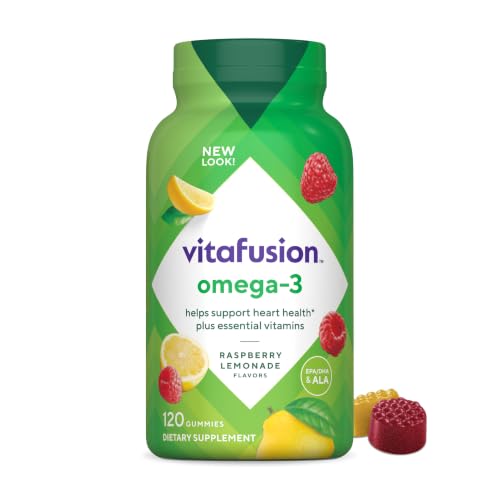
Pros
- Each serving delivers 100 mg of omega-3 EPA/DHA
- 120-count bottle provides 60 days of daily vitamins
- Contains vitamin A, C, D, and E for added nutrition
- Made with no artificial flavors, sweeteners, or synthetic dyes
Cons
- Chewy texture may pose challenges for those with dental work
- Gummy format requires daily adherence to two pieces per dose
- Berry lemonade flavor not suitable for those with citrus sensitivities

Pros
- 130 softgels per bottle provides about 4 months of daily doses
- Krill oil in phospholipid form absorbs better than fish oil
- Contains astaxanthin, a naturally occurring antioxidant
- No fishy aftertaste, unlike standard fish oil supplements
Cons
- Requires swallowing a softgel daily, which may be difficult for some
- Antarctic krill sourcing may concern environmentally conscious users
- Cost per dose typically higher than fish oil alternatives

Pros
- 180 softgels per bottle reduces frequent reordering
- Enteric coating helps minimize nausea and reflux issues
- Molecularly distilled for odor control and purity
- GMP A-rated certification ensures quality standards
Cons
- Requires taking 1-2 softgels daily, which is multiple pills
- Fish oil supplements may cause digestive upset in some users
- Not suitable for those with fish allergies or dietary restrictions
A Closer Look at Our Top Pick
The MegaRed stands out because it solves two of the most common complaints we hear from older adults: the fishy aftertaste that makes daily use unpleasant, and the inconvenience of frequent reordering. A single 350 mg softgel once per day gives you about 4 months of doses in one bottle, meaning you refill less often and have an easier time staying consistent. The krill oil format absorbs differently in the body than standard fish oil, and it naturally contains astaxanthin, an antioxidant your parent gets without paying extra for a separate supplement.
The trade-off is that krill oil typically costs more per dose than fish oil alternatives, and some people who care deeply about ocean sustainability may worry about Antarctic krill sourcing. If your parent has difficulty swallowing capsules or prefers a different approach, the options below offer solid alternatives with their own strengths. The softgel is small and easy to take with water or a light breakfast, making it realistic for someone to use day after day without forgetting or feeling burdened.
Find Your Situation
- the Nature’s Bounty Nature: Best for someone who wants a large bottle to minimize shopping trips and can swallow softgels easily. 200 softgels means fewer reorders. Watch out: Requires cool storage after opening, and the softgels are bigger than some alternatives.
- the InnovixLabs Triple Strength: Best for your parent seeking a higher dose of omega-3 in each serving, delivering 3 times as much as regular supplements. The enteric coating prevents fishy burps. Watch out: Only 30 softgels per bottle means frequent reordering, and higher potency can sometimes cause mild digestive upset.
- the Sports Research: Best for those who want a single daily capsule and prefer sustainably sourced, USA-manufactured supplements with strong quality testing. One dose covers most daily needs. Watch out: Also comes in a 30-count bottle, requiring regular reorders.
- the Vitafusion Omega 3: Best for someone who struggles with swallowing pills or prefers a chewable format; the berry lemonade flavor makes supplementing feel less clinical. 120 gummies last 60 days. Watch out: Requires chewing two pieces daily, which may be tricky for those with dentures or dental work.
- the MegaRed: Best for your parent who finds fish oil causes discomfort, wants no fishy aftertaste, and prefers buying less often. 130 softgels provide about 4 months of doses. Watch out: Costs more per serving than fish oil, and only one softgel daily means you’re relying on a single supply of that ingredient.
- the NOW Supplements: Best for someone concerned about nausea or reflux from fish oil, since the enteric coating helps minimize those side effects. 180 softgels reduce frequent reordering. Watch out: Requires taking 1 to 2 softgels daily, which is more pills than some single-dose options.
How We Narrowed It Down
We compared the published specifications of these 6 products rather than handling them ourselves, focusing on what matters most to older adults: dose strength, ease of daily use, and how well each format is tolerated. We excluded products with unclear sourcing, those requiring multiple pills per serving that seemed impractical for someone with arthritis or hand tremors, and any with significant allergen concerns that would limit their usefulness. We also paid close attention to storage requirements and bottle sizes, since restocking supplements shouldn’t become a burden. If your parent has existing heart conditions, digestive issues, or takes blood-thinning medications, a conversation with their doctor or a physical therapist familiar with their health history can help confirm which omega-3 format and dose level makes sense for them. The National Institute on Aging offers trusted information on how to approach supplement choices as part of overall wellness in later life.
What to Look For
Omega-3 dose per serving matters more than you might think
Fish oil softgels range from 100 mg of combined EPA and DHA (the active omega-3s) all the way up to 950 mg in a single capsule. The Vitafusion gummies deliver 100 mg per serving, while the InnovixLabs offers 900 mg, a difference of 9 times. Older adults don’t always need the highest dose available, but knowing what you’re getting helps you match it to your parent’s goal. A healthcare provider can suggest whether 200 mg daily, 500 mg, or closer to 1000 mg makes sense for their specific situation when considering omega-3 supplements for elderly.
Fishy aftertaste and digestive comfort are real quality-of-life issues
One of the top reasons people stop taking omega-3 supplements is the unpleasant aftertaste and burps. Enteric-coated options like the NOW Supplements and InnovixLabs Triple Strength address this by releasing the oil lower in the digestive tract, not in the mouth. If your parent has complained about fish oil in the past, this coating style can make the difference between a supplement they take consistently and one gathering dust on the shelf. Krill oil, as in the MegaRed, naturally avoids this problem altogether.
Softgels, gummies, and capsules each have their fans
Softgels work well for most people, but they require the ability to swallow without difficulty. Gummies like the Vitafusion remove that barrier entirely, though they require chewing and may not suit someone with extensive dental work. Capsules are smaller and easier for some to manage. Your parent knows their own mouth and throat best, so starting with a format that feels natural to them increases the chance they will use it reliably. Most people succeed with whichever format they commit to using daily.
Before you buy, check how often reordering fits your routine
A 180-softgel bottle means roughly 6 months of daily use if your parent takes one per day, while a 30-softgel bottle requires ordering every month. The MegaRed’s 130 softgels last about 4 months, and the Nature’s Bounty bottle of 200 lasts roughly 6 to 7 months depending on dose. If your parent or the person helping them shop prefers to reorder less often, larger bottles reduce both the frequency of deliveries and the mental load of tracking when supplies run low. Some people find smaller bottles more manageable if they worry about expiration or want to try a product before committing to a large supply.
Purity and third-party testing give you peace of mind
Fish oil can absorb mercury and other contaminants from ocean sources, which is why purification matters. The Nature’s Bounty formula is purified to remove mercury, while the Sports Research uses a 10-step purification process and is third-party tested in the USA. The InnovixLabs is purified in Norway and also third-party tested domestically. These steps aren’t visible in the final product, but they signal that the manufacturer took care to ensure your parent is getting a clean supplement, not an added risk.
Allergen-free formulas prevent unexpected reactions
The InnovixLabs Triple Strength explicitly lists that it is free from dairy, eggs, shellfish, nuts, gluten, soy, and GMOs, making it suitable for older adults with multiple food sensitivities. Other products do not specify allergen status as clearly. If your parent has known allergies or sensitivities, checking the full ingredient list before ordering protects against accidental cross-contamination or hidden sources of common allergens. The gummy format naturally avoids fish allergens while adding concern for those sensitive to gelatin or fruit flavors.
When this is not enough, talk to a health provider about next steps
Omega-3 supplements support overall heart and brain health, but they are not a replacement for medical care. If your parent has recently had a heart event, stroke, or cognitive changes, or if they take blood-thinning medication, a conversation with their doctor before starting any omega-3 product is important. Some health conditions interact with fish oil, and a medical professional can adjust timing or suggest alternatives. The Eldercare Locator can help connect your parent with local geriatric specialists or nutritionists who can provide personalized guidance beyond what a general guide can offer.
Quick Tips for Choosing
- Start with a smaller bottle if your parent has never taken fish oil before, so you can test whether it agrees with their digestion before committing to 6 months of supply.
- Take the supplement with a meal to reduce nausea or digestive upset, unless the product directs otherwise.
- Set a consistent daily time, like with breakfast or lunch, so taking the supplement becomes automatic rather than something to remember.
- Store softgels in a cool, dry place away from direct sunlight; some products need refrigeration after opening, so check the label.
- Ask your parent’s doctor or pharmacist whether omega-3 interacts with any other medications your parent takes.
- Plan to try a single product for at least 4 weeks before deciding it is not working, since benefits often emerge gradually rather than immediately.
Frequently Asked Questions
How long does it take to feel the effects of omega-3?
Most people do not notice dramatic changes within days or even weeks. Omega-3 fatty acids work gradually to support heart and brain function over months of consistent use, much like collagen products that require steady use for visible benefits. If your parent is looking for immediate results, omega-3 supplements are unlikely to deliver them. Steady use over 8 to 12 weeks gives the body time to benefit from the nutrient.
Is it safe to take omega-3 every single day?
For most older adults, daily omega-3 supplementation is considered safe when taken at normal doses, and it pairs well with other nutrients found in multivitamins for senior women. However, people on blood-thinning medications, those with fish allergies, or anyone with specific health conditions should check with their doctor first. Safety depends on individual health, so personalized medical guidance matters more than general rules.
What is the difference between fish oil and krill oil?
Fish oil comes from fatty fish like sardines and mackerel, while krill oil comes from tiny Antarctic shrimp. Krill oil contains the same omega-3 fatty acids but in a phospholipid form that some research suggests absorbs differently. Krill oil also naturally contains astaxanthin, an antioxidant. Both work, but krill oil typically costs more per dose.
Can older adults with dentures or dental work take gummy omega-3?
Gummies require chewing, which may be uncomfortable or difficult for someone with loose dentures, dental implants, or jaw issues. Softgels bypass this entirely since they are swallowed whole. If chewing is uncertain, a softgel or capsule format is the safer choice.
Do I need to refrigerate fish oil supplements after opening?
Some products require cool storage to maintain purity and prevent the oil from becoming rancid. The Nature’s Bounty formula specifically requires refrigeration or cool storage after opening. Check your product’s label, and when in doubt, store supplements in a cool cupboard away from heat and sunlight.
Will omega-3 supplements interfere with blood pressure or blood-thinning medications?
Fish oil and krill oil can have mild blood-thinning effects, which matters if your parent takes aspirin, warfarin, or other anticoagulants. A doctor can clarify whether the supplement is safe to use alongside existing medications and adjust timing if needed.
What should I do if the supplement causes stomach upset?
Taking the supplement with food, trying it at a different time of day, or switching to an enteric-coated product often reduces nausea and digestive discomfort. If upset continues despite these changes, your parent’s doctor can recommend whether to try a different product or dose.
Are gummy vitamins as effective as softgels for omega-3?
Gummies deliver omega-3 fatty acids successfully, though typically in lower doses per serving than softgels. The Vitafusion gummies provide 100 mg of combined EPA and DHA, compared to 350 to 950 mg in softgel options. Gummies work well for someone who cannot swallow pills and accepts a lower daily dose.
How do I know if the omega-3 supplement is actually pure?
Look for products that mention third-party testing, purification methods, and GMP certification on the label or company website. Many quality products list these details to show they have been checked by independent labs. Your parent’s doctor or a dietitian can also recommend trusted brands.
Should my parent take omega-3 on an empty stomach or with food?
Taking omega-3 with a meal reduces the chance of digestive upset and nausea. Most people tolerate it better when paired with breakfast or lunch. Some products may have specific instructions, so checking the label helps ensure your parent uses the supplement in the way that works best for their body.
Which One to Start With
If your parent has never taken omega-3 before and wants the simplest possible routine, start with the MegaRed. One softgel daily, no fishy aftertaste, and a 130-count bottle lasting about 4 months makes this the lowest-friction entry point. The krill oil format is genuinely different from fish oil in ways that some older adults prefer, and you will know within a few weeks whether the format suits your parent.
If your parent already tried fish oil and complained about aftertaste or burps, move directly to an enteric-coated option. The NOW Supplements Ultra Omega-3 Molecularly Distilled offers 180 softgels, a solid dose of omega-3, and the enteric coating specifically designed to prevent those complaints. If your parent is sensitive to nausea or has a history of reflux, this coating matters more than finding the absolute highest dose.
If your parent struggles to swallow pills or has expressed frustration with capsules in the past, skip softgels entirely and choose the Vitafusion Omega 3 gummies. Yes, the dose per serving is lower than softgels, but a supplement your parent actually takes consistently beats a higher-dose option they avoid. The 120-count bottle lasts 60 days, and the berry lemonade flavor makes supplementing feel more like a treat than a chore. Make sure your parent does not have dental issues that make chewing uncomfortable, and avoid this format if they have a citrus sensitivity.
If your parent wants a high dose of omega-3 in each serving and tolerates fish oil well, the InnovixLabs Triple Strength delivers 900 mg per softgel, roughly 3 times what regular supplements provide. The enteric coating still prevents aftertaste, and it is third-party tested in the USA for purity. The trade-off is that the 30-softgel bottle requires reordering monthly, which works fine if your parent likes variety or wants to try multiple products before settling on one.
If your parent has a large budget and wants a premium, sustainably sourced option with minimal reordering, the Sports Research checks all those boxes. The Alaska Pollock source is MSC certified sustainable, the product is manufactured in a USA facility with strong quality standards, and one softgel daily makes the routine genuinely simple. Again, the 30-count bottle is the only downside, though the single daily dose means fewer pills to manage overall.
Finally, if your parent wants the largest bottle to minimize shopping trips and has no trouble swallowing larger softgels, the Nature’s Bounty option with 200 softgels offers 6 to 7 months of supply from a single order. The burpless formula addresses a common complaint, and purification for mercury removal adds a safety layer. The softgel size is a real consideration for anyone with swallowing difficulty, so keep that in mind before ordering.
In all cases, give your parent’s choice at least 4 weeks of consistent daily use before deciding whether to stick with it or try something different. Omega-3 works gradually, and consistency matters far more than which specific product you choose. If your parent has questions once they start, their doctor or pharmacist can answer them quickly.