

Feet change shape with time, swelling can vary during the day, and a shoe that felt fine for 20 minutes can start rubbing after 1 longer errand. The best shoes for seniors to walk in are usually the ones that make fit easier first: more forefoot room, a simple closure, breathable uppers, and enough outsole texture for common indoor and outdoor surfaces. After comparing 4 published product listings, the LeIsfIt Women stands out for a size 10 wide slip-on style with memory foam and a drawstring, while the Scurtain Women is the better starting point when adjustable straps matter more.
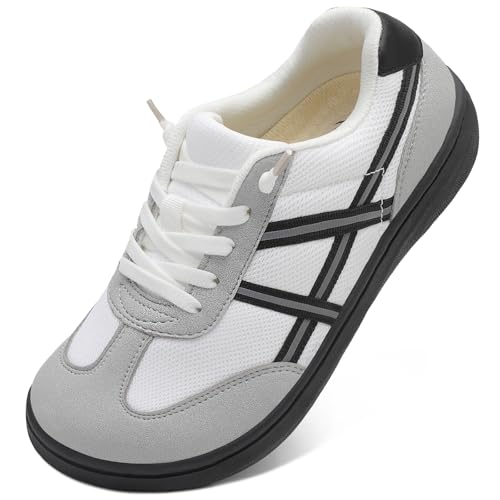
Pros
- Memory foam insole molds to the foot for comfort
- Breathable mesh upper helps feet stay cooler
- Textured rubber outsole adds grip indoors and outside
- Size 10 wide fit offers more room at the forefoot
Cons
- White mesh may show dirt faster with daily outdoor wear
- Slip-on fit may feel loose if the drawstring is not tightened

Pros
- Wide toe box gives size 6.5 feet extra forefoot room
- Adjustable straps pair with zero drop sole for fit
- Rubber sole has non-slip treads for varied surfaces
- 3D knitted upper adds stretch and breathability
Cons
- Minimalist zero drop feel may require adjustment time
- Closed toe design may feel warm during long summer walks
- Black color limits visibility in dim indoor hallways

Pros
- Size 8.5 option with roomy wide toe box
- EVA zero drop sole supports a level foot position
- Breathable knit mesh upper helps feet stay cooler
- Hook-and-loop closure adjusts over swelling
Cons
- Zero drop feel may require a gradual break-in period
- Knit mesh upper may not suit wet outdoor walks

Pros
- Wide toe box gives size 8 feet more front room
- Memory foam insole molds for softer step-in comfort
- Breathable mesh upper helps feet stay cooler
- Textured rubber outsole adds grip on indoor floors
Cons
- Barefoot-style sole may feel too minimal for some
- Drawstring fit may need readjusting during long walks
A Closer Look at Our Top Pick
The LeIsfIt Women in white earns the top spot on paper because it combines 4 practical details that often matter for older walkers: a wide forefoot, a slip-on opening, a stretch collar, and an adjustable drawstring. That mix is useful when your parent wants a shoe that does not require tying laces but still needs a way to snug the fit. The size 10 wide fit gives more room at the front of the foot, and the memory foam insole is designed to mold to the foot for softer step-in comfort. The breathable mesh upper is also a sensible choice for everyday walking because warmer feet can make a short outing feel longer than it is.
This is not the pick for every person. White mesh can show dirt quickly if the shoe is worn outside every day, and the slip-on design may feel loose unless the drawstring is tightened. Still, for a person who wants a low-effort walking sneaker with a flexible feel, a size 10 wide slip-on with a drawstring is a strong place to begin. The textured rubber outsole adds grip for indoor floors and outside surfaces, which makes it more versatile than a house-only slipper style.
Find Your Situation
- the LeIsfIt Women: best suited to an older woman who wears size 10 and wants a wide white slip-on with memory foam, breathable mesh, and a drawstring for easier daily walking. Watch out: the white mesh may show dirt faster with regular outdoor wear.
- the Scurtain Women: best suited to a person wearing women’s size 6.5 who needs a wide closed toe shoe with adjustable straps for bunions, swelling, recovery visits, or indoor walking. Watch out: the zero drop feel may take adjustment time.
- the YXCLD Womens: best suited to a person wearing size 8.5 who wants a grey walking shoe with a wide toe box, hook-and-loop closure, and breathable knit mesh. Watch out: the knit mesh upper is not the better choice for wet outdoor walks.
- the LeIsfIt Women: best suited to a person wearing size 8 who wants a black wide barefoot-style slip-on with memory foam and a textured rubber outsole for indoor floors. Watch out: the drawstring may need readjusting during long walks.
How We Narrowed It Down
We compared the published specifications and product summaries rather than handling the shoes in person. The focus was on details that matter during daily walking: a wide toe box, an adjustable closure, breathable materials, a grippy outsole, and a size that matched the listed product. We excluded shoes from consideration when the listing did not center on walking use, older adult fit needs, a wide forefoot, or an easier closure style. We also gave extra attention to trade-offs, such as zero drop soles that may feel different at first or mesh uppers that may not suit wet conditions. If your parent has pain, a recent change in walking, or a medical foot concern, ask a doctor or physical therapist before changing footwear. The National Institute on Aging notes that footwear and home setup are part of broader fall prevention habits in its falls and falls prevention guidance.
What to Look For
Start with toe room, not just shoe length
A shoe can be the right length and still feel tight across the forefoot. For many older adults, a wide toe box is the first feature to check because toes need space during a walking stride. In this group, all 4 shoes are described with wide or roomy forefoot language. If your parent often says shoes squeeze across the front, start with width before debating color or style.
Choose a closure your parent can manage
Closures matter because a good fit is not useful if the shoe is hard to put on. Slip-on shoes with drawstrings reduce lace tying, while hook-and-loop or adjustable straps can be easier for a caregiver to fine tune. The Scurtain Women and the YXCLD Womens both use adjustable upper designs, while the 2 LeIsfIt options use stretch collars with drawstrings. For swelling that changes during the day, adjustability is more important than a tight first feel.
Think about the surface they walk on most
Indoor floors, sidewalks, clinic hallways, and store aisles ask different things from a shoe. Textured rubber outsoles appear on the 2 LeIsfIt shoes, while the Scurtain Women has a rubber sole with non-slip treads for varied surfaces. If most walking happens indoors, grip and easy on-off may matter most. If most walking happens outdoors, consider whether mesh or knit uppers match the usual weather.
Be careful with zero drop if it is new
A zero drop sole keeps the foot more level from heel to toe, but it can feel different if your parent usually wears a raised heel. The Scurtain Women and the YXCLD Womens both include zero drop language in the product details. That does not make them wrong choices, but it does mean the person should build up wear time gradually. Start with 1 short indoor session before using them for a longer walk.
Before you buy, match the shoe to the real routine
The best choice for a 10 minute hallway walk may not be the best choice for errands, recovery visits, and outdoor paths. If your parent wants a lower-effort shoe for errands, the black size 8 slip-on walking sneaker has a wide toe box, memory foam, and a textured rubber outsole. If the routine includes help from a family member, straps or hook-and-loop closures may be easier to adjust than a drawstring. Pick for the routine that happens 5 days a week, not the rare outing.
When this is not enough, look beyond the shoe
Shoes are only 1 part of walking comfort and daily safety. Lighting, clutter, walking aids, vision changes, and medication side effects can all affect how steady a person feels. If your family needs local support, transportation help, or aging services, the Eldercare Locator can connect older adults and caregivers with local resources by phone at 1-800-677-1116. A shoe change should feel like part of a broader plan, not the whole plan.
Look at color and care more practically
Color is not only about taste. A white mesh shoe may look bright but can show dirt more quickly with daily outdoor wear, while a black shoe may be less visible in dim indoor hallways. The product group includes white, black, and grey options, which gives 4 practical appearance choices for shoes for older men and women. If the person walks in low light at home, contrast with floors and good lighting can matter as much as the shoe color itself.
Quick Tips for Choosing
- Check the listed size first, then the width details.
- Choose drawstrings, straps, or hook-and-loop if tying laces is frustrating.
- Use short indoor walks to judge a zero drop sole.
- Match mesh or knit uppers to dry walking conditions.
- Look for toe space if swelling changes during the day.
- Recheck the fit after 20 minutes of wear.
Frequently Asked Questions
What makes a walking shoe easier for an older adult to wear?
The most helpful features are usually a wide toe box, an easy closure, and a sole with useful traction. A shoe with 1 simple adjustment point can be easier than traditional laces.
Are slip-on shoes a good idea for seniors?
Slip-on shoes can work well when they include a way to snug the fit, such as a drawstring. A loose slip-on is less helpful, so the heel and midfoot should feel secure during a short walk.
Should older adults choose wide walking shoes?
Wide walking shoes can help when the front of the foot feels squeezed or swelling changes during the day. The key is not just width, but whether the toe box gives enough room without sliding.
What does zero drop mean in a walking shoe?
Zero drop means the heel and forefoot sit at a more level height. If the person is used to a raised heel, try the shoe for 1 short session before longer use.
Are mesh walking shoes good for daily use?
Mesh can help feet stay cooler, which is useful for daily indoor walking or dry errands. For wet outdoor walks, mesh or knit uppers may not be the most practical choice.
How should a caregiver check fit?
Ask the person to stand, walk a short distance, and describe any rubbing at the toes, heel, or top of the foot. Recheck after 20 minutes because swelling and pressure can change.
Is a memory foam insole enough support?
Memory foam can improve step-in softness, but comfort depends on the whole shoe. Look at the closure, outsole, toe room, and how the person walks in the shoe.
Are closed toe shoes better for walking?
Closed toe shoes can feel more secure for daily walking and clinic visits. They may also feel warmer during long summer walks, so breathability still matters.
How much grip should a walking shoe have?
Look for textured rubber or non-slip tread language in the product details. The outsole should feel appropriate for the person’s usual surfaces, whether that is indoor flooring or sidewalks.
When should a doctor or physical therapist be involved?
Bring in a professional if walking comfort changes quickly, pain affects daily movement, or the person has a medical foot concern. Footwear choices are easier when they fit the person’s health and walking pattern.
Which One to Start With
If you are choosing for most everyday walking needs, start with the LeIsfIt Women in white size 10 when that size matches your parent. It gives you the broadest mix of practical features in this set: a wide forefoot, slip-on entry, stretch collar, adjustable drawstring, memory foam, breathable mesh, and textured rubber outsole. The main compromise is care, because white mesh can show dirt sooner if worn outdoors often.
If fit changes through the day or a caregiver regularly helps with shoes, start with a grey size 8.5 hook-and-loop walking shoe instead. The wide toe box, breathable knit mesh, and adjustable upper make it a sensible match for swollen or sensitive feet, especially when quick adjustment matters. The zero drop sole should be introduced gradually, and the knit mesh is better for dry conditions than wet outdoor walks.
If your parent wears women’s size 6.5 and needs more adjustment around bunions or swelling, the Scurtain Women is the most targeted option here. It has a closed toe design, wide toe box, adjustable straps, rubber sole with non-slip treads, and a stretch 3D knitted upper. Choose it when adjustability is the deciding factor, but allow time for the minimalist zero drop feel.