

Comfort in everyday underwear matters more as skin becomes more sensitive and daily routines change with age. Many older women find that standard briefs bunch, roll at the waist, or create irritation during extended wear, especially if mobility is limited or incontinence is a concern. The best underwears for senior women combine soft, breathable fabric with a secure fit that doesn’t require constant adjustment. After comparing the fabric content, waistband design, and coverage options of leading styles, we found that high-waisted briefs with tagless construction and cotton or cotton-blend fabrics address the most common concerns. Whether your parent needs everyday comfort, nighttime protection, or support during recovery, there is a straightforward option in this group.
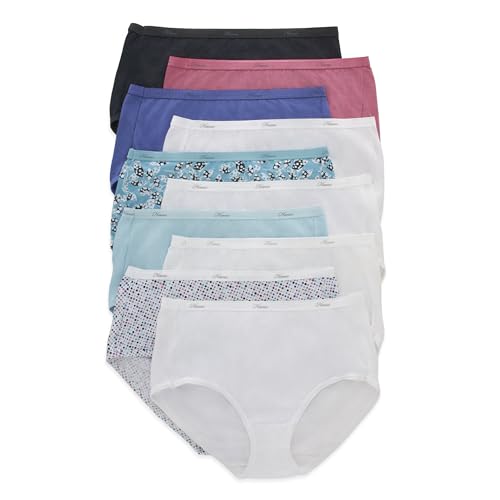
Pros
- Tagless construction eliminates annoying itching and bunching
- Cool Comfort moisture-wicking fabric keeps skin dry all day
- High-rise waist with full-coverage back provides security
- Smooth elasticized waistband prevents pinching or binding
- 10-pack value offers convenient bulk supply for caregivers
Cons
- Heather shade options use cotton/polyester blend rather than pure cotton
- High-rise style may not suit those preferring lower-waist fit
- Limited color variety beyond assorted shades in standard pack

Pros
- 95% cotton blend keeps skin cool and dry throughout the day
- Three-layer crotch design provides extra protection and coverage
- Front and rear hip areas are enlarged for better nighttime support
- Reusable briefs wash well without fading or losing shape
- Pack of 6 underwear offers multiple days between laundry
Cons
- Reusable design requires frequent washing, not ideal for travel
- Cotton fabric may retain moisture if absorbency is exceeded
- 3XL size limits options for women with different body types

Pros
- Made from premium organic cotton for breathability
- 5-pack offers good value for regular replacement needs
- High-waisted design pairs well with modern clothing styles
- Double-layer cotton crotch prevents irritation and chafing
- Available in extended sizes up to 4XL for all body types
Cons
- Requires low-temperature washing at maximum 30 degrees Celsius
- High-waisted style may not suit all body types or preferences
- Machine washing adds regular laundry maintenance to routines

Pros
- Double-layer crotch provides extra protection without chafing
- High-rise design with stretchy waistband in 4-pack assortment
- Soft cotton fabric works well during recovery periods
- Easy on and easy off design suits limited mobility needs
Cons
- High-waisted style may not suit all body types or preferences
- Full coverage design provides less breathability than shorter cuts
- 4-pack limits color options if one style doesn't fit well

Pros
- 5 pairs per pack reduces frequent laundry needs
- 100% cotton fabric provides breathability and comfort
- Machine washable for easy cleaning and maintenance
- Full coverage design offers security and dignity
Cons
- Limited color variety with only 5 pairs total in package
- May require ordering up a size if between size ranges
- Single-pack purchase necessary, no bulk options available

Pros
- 90% natural cotton blend offers breathability for sensitive skin
- Double-layer waistband prevents rolling or bunching during wear
- High-waist design reduces muffin top appearance under clothing
- One size fits two with stretch spandex for flexible fit
Cons
- Size chart shows XL/2XL fits waists 28.5-36 inches, limiting for larger frames
- Single product type offers no variety in coverage or style options
- Reinforced seams may feel stiff initially before softening with washing
A Closer Look at Our Top Pick
The Hanes womens Cotton stands out for everyday wear because it solves two common complaints at once: the itching caused by tags and the discomfort of a tight waistband. The tagless design removes the annoying scratching that can build up over hours of wear, and the smooth elasticized waistband avoids pinching that forces constant adjustment. With a 10-pack, the person or caregiver benefits from a full 10 days of underwear without rushing to do laundry, and the high-rise design with full-coverage back provides the kind of security that builds confidence during daily activities.
The Cool Comfort moisture-wicking fabric keeps skin dry all day, which matters especially for those managing light incontinence or living in warm climates. The ringspun cotton construction feels soft against sensitive skin right out of the package. The main trade-off is that heather shades use a cotton-polyester blend rather than pure cotton, so if pure cotton is important for your parent’s skin sensitivity, the solid color options will serve better. For most older women looking for a no-fuss, affordable, and widely available brief that simply works without special washing or recovery periods, this 10-pack is the practical starting point.
Find Your Situation
- The Hanes womens Cotton: everyday wear without irritation for women comfortable in high-rise style (10-pack). Watch out: color options are limited to assorted shades in the standard pack.
- The ZJHTK 6Pcs Cotton: nighttime or light incontinence management with reusable absorbent protection (6-pack). Watch out: reusable design requires frequent washing and is not convenient for travel.
- The Asbestt Womens Underwear: those wanting modern high-waisted style with double-layer crotch protection in extended sizes (5-pack). Watch out: requires cool water washing at a maximum 30 degrees Celsius, which adds laundry care demands.
- The wirarpa Women: postpartum or abdominal surgery recovery with easy on-and-off design for limited mobility (4-pack). Watch out: full coverage design offers less breathability than shorter cuts, so it may feel warm in summer.
- The Ogvfunv 5Pcs Seniors: machine-washable everyday briefs made specifically for older women with full coverage (5-pack). Watch out: color variety is limited to one shade per pack, so you may need to order multiple times for choice.
- The JojoQueen Womens Underwear: secure all-day wear with a double-layer waistband that prevents rolling, designed for extended size ranges (single product). Watch out: size chart shows one size fits waists 28.5 to 36 inches, which may be limiting for larger frames.
How We Narrowed It Down
We compared the published specifications, fabric content, design features, and pack quantities of 6 leading styles made for older women. We looked for briefs with cotton or high-cotton blends, full or high-rise coverage, and practical care instructions. We excluded styles with very limited size options, those requiring hand-washing only, and products marketed primarily for a single occasion rather than daily wear. If your parent has experienced falls or stability issues, speaking with a doctor or physical therapist about how clothing fit and comfort affect movement is worthwhile. The National Institute on Aging offers evidence-based information on fall prevention that touches on everyday safety habits.
What to Look For
Fabric that breathes and stays soft
Cotton and cotton-blend fabrics allow air to circulate around skin, which prevents moisture buildup and reduces odor. Pure 100% cotton is ideal if your parent has very sensitive skin, but fabrics that are 90 to 95 percent cotton still offer excellent breathability. The ringspun or organic cotton options feel softer on first wear and maintain their texture after many washes. Look for fabrics labeled as moisture-wicking if the person spends long hours sitting or in warm climates.
A waistband that stays put without pinching
The waistband holds the brief in place all day, so it must be snug enough to prevent rolling but soft enough to avoid creating a red mark or feeling tight after eating a meal. A smooth elasticized waistband avoids the irritation that comes from exposed elastic or seams digging into skin. Some briefs use a double-layer waistband design that creates a smoother surface and distributes pressure more evenly, which is especially helpful for older women who sit for long periods.
Full coverage or high-waist design for security and comfort
Full-coverage briefs extend up and over the hips, and high-waist styles sit higher on the belly, both offering protection and a feeling of security. These designs work well under fitted clothing, reduce visible panty lines, and provide the kind of all-day comfort that means the person is not thinking about adjustments, much like how walking shoes for women support comfort during extended wear. High-waist design also pairs well with modern clothing styles that sit lower on the hips. For women recovering from abdominal surgery or managing light incontinence, full coverage is especially important.
Tagless construction or flat seams to avoid irritation
Tags and raised seams can scratch sensitive skin during hours of wear, creating itching and discomfort that builds throughout the day. Tagless briefs use a printed label or woven label sewn flat, so nothing sticks out. Similarly, flat-seam or low-seam construction keeps the inner crotch smooth and reduces friction. These features matter more for older women whose skin is thinner and more prone to irritation from constant contact with fabric.
Before you buy: test one or two pairs first
Ordering a small pack or single pair before committing to a 10-pack is smart because fit and comfort are personal. The person wearing the briefs should try them on and wear them for at least a few hours to judge whether the waistband pinches, the leg openings roll, or the fabric feels too thick or too thin. If the person has difficulty trying things on independently, a family member can help by checking the fit at the waistband and leg openings while wearing similar bottoms.
Incontinence support: when light protection is needed
If your parent manages light leakage or nighttime accidents, look for briefs with a three-layer crotch or enlarged front and rear hip areas designed for absorbency. Some options are disposable, while others are reusable and machine-washable. Reusable briefs reduce waste and cost per wear if your parent uses them regularly, but they require frequent washing between wears. Disposable incontinence products are more convenient for travel or outings but cost more over time.
When this is not enough: talking to a healthcare provider
If standard briefs with absorption do not manage the level of incontinence your parent experiences, or if skin irritation or infection develops despite proper care, it is time to speak with their doctor or a continence specialist. Moderate to heavy incontinence may require medical-grade protective products, and persistent skin problems need professional evaluation. The Eldercare Locator can help you find local continence clinics or geriatric care specialists if needed.
Quick Tips for Choosing
- Start with a smaller pack (4 to 6 pairs) rather than jumping to a 10-pack until you know the fit and comfort level.
- Choose 100% or 90-95% cotton if your parent has sensitive skin or has experienced irritation with synthetic fabrics.
- Look for tagless or flat-seam construction to avoid the itching that builds during long days of wear.
- Pick high-waist or full-coverage styles for security and comfort, especially if your parent sits for extended periods.
- Consider pack quantity based on laundry schedule: 5 to 6 pairs allows every other day laundry, while 10 pairs stretches it to twice weekly.
- Read care instructions carefully: machine-washable at standard temperatures is easier for caregivers managing laundry for multiple people.
Frequently Asked Questions
At what age should older women switch to special underwear designed for seniors?
There is no specific age. The right time is when standard briefs no longer feel comfortable or when your parent’s body changes make them need different support, better moisture-wicking, additional coverage, or comfortable footwear like slippers for elderly women. Some women find senior-specific briefs helpful at 60, while others are comfortable in regular styles well into their 80s. The focus is fit and comfort, not age itself.
Is 100% cotton always better than a cotton blend?
Pure cotton is excellent for breathability and softness, but a blend with 5 to 10 percent spandex or polyester actually improves stretch and durability without sacrificing comfort. For women with very sensitive or compromised skin, 100% cotton may feel safer, but 90-95% cotton blends perform nearly as well and often last longer through repeated washing.
How often should underwear be replaced?
Most briefs remain comfortable and supportive for 50 to 100 washes if cared for properly. If elastic begins to sag, seams fray, or fabric loses softness, it is time to retire that pair. Buying in packs and rotating styles helps distribute wear and extends the life of each individual brief.
Can underwear contribute to urinary tract infections or yeast infections?
Tight, non-breathable underwear can trap moisture and create an environment where infection-causing organisms thrive. Breathable cotton briefs that allow air circulation and daily washing significantly reduce that risk. If your parent experiences recurring infections, discuss fabric choice and laundry practices with their doctor.
What is the best way to wash underwear for older women?
Machine wash in warm or cool water with mild detergent, and air dry or tumble dry on low heat. Avoid bleach, which weakens elastic and can irritate sensitive skin. Washing underwear separately or with other delicates protects elastic and seams. Most briefs are ready to wear after a few washes, so there is no break-in period required.
Are high-waist briefs less likely to cause discomfort?
High-waist briefs sit higher on the belly and hip bones, which spreads pressure over a wider area and can feel more comfortable during long sitting or for those with sensitive skin. However, comfort is personal: some women prefer the feeling, while others find lower-waist styles work better for their body, just as fit varies when choosing jeans for senior women. Trying a small pack first eliminates guesswork.
Can incontinence briefs be worn by people without incontinence?
Yes. Incontinence briefs with extra-absorbent or multi-layer crotches are simply briefs with more coverage and moisture protection, and they work fine for everyday wear. They are often thicker than standard briefs and may feel bulkier under tight clothing, but many people choose them for the extra comfort and peace of mind, especially during nighttime sleep.
What if my parent is between sizes?
Check the sizing chart on the product page for waist and hip measurements. If your parent falls between two sizes, ordering the larger size prevents waistband pinching and rolling. Elastic usually softens slightly with washing, so a brief that feels snug at first often becomes more comfortable after a few wears.
How long does a pack of underwear typically last?
A 10-pack lasts about 10 days if done laundry daily, 2 weeks with every-other-day washing, or 3 weeks if laundry happens once weekly. A 5-pack lasts 5 to 7 days with regular washing. Caregivers managing laundry for multiple people often prefer larger packs to reduce washing frequency.
Are there underwear options for people with very limited hand strength or dexterity?
High-waist briefs with elastic waistbands that stretch easily are easier to step into than low-waist styles that require more pulling. Avoiding styles with multiple snaps, hooks, or closures simplifies dressing. If dressing is difficult, working with an occupational therapist or caregiver to develop a routine that works for your parent’s strength and mobility is helpful.
Which One to Start With
If your parent has no special concerns and simply wants everyday underwear that feels soft and stays in place, the Hanes womens Cotton is the practical choice. The tagless design eliminates a common source of irritation, the 10-pack means fewer laundry cycles, and the Cool Comfort fabric keeps skin dry during long days. The high-rise fit is secure without feeling restrictive, and the price is affordable enough that replacing worn pairs is not a financial burden. Most older women find this style comfortable straight out of the package, and the range of sizes available means finding a good fit is straightforward.
If your parent manages light incontinence or is concerned about nighttime leakage, choose reusable briefs with extra absorbent layers like the ZJHTK 6Pcs Cotton. The 95% cotton fabric keeps skin comfortable, the three-layer crotch provides real protection, and the enlarged hip areas offer the coverage most older women need during sleep. Reusable briefs cost less over time if used consistently and reduce waste, though they require washing every 1 to 2 days. If your parent travels frequently or prefers not to manage daily laundry, disposable incontinence products may suit better, but for home use, reusable briefs combine comfort, protection, and practicality.
If your parent is recovering from abdominal surgery, childbirth, or injury and needs underwear that stays in place without pressure on healing areas, the wirarpa Women is designed for exactly that purpose. The stretchy waistband accommodates swelling, the easy on-and-off design saves effort during a recovery period, and the double-layer crotch provides gentle protection. The 4-pack allows several days between laundry, and the soft cotton fabric is kind to sensitive postoperative skin. As your parent heals and normal activity resumes, transitioning to a standard everyday brief is simple, so this is a temporary choice that makes the recovery period more comfortable. Always follow your healthcare provider’s guidance on wound care and activity restrictions during recovery.