

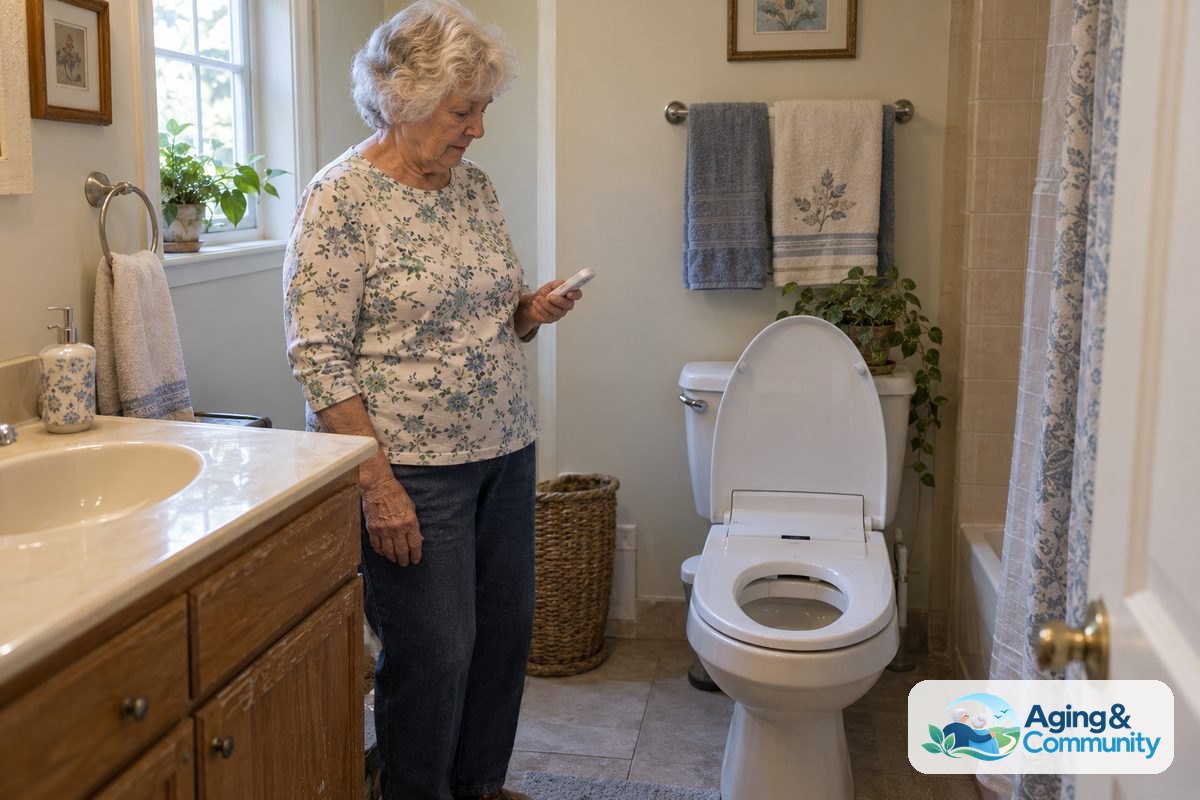
When comparing a bidet seat versus bidet toilet, the right choice depends on your space, budget, and future plans. An add-on seat works well for people who want warmth and water cleansing without replacing their current fixture. An integrated toilet suits those planning a full bathroom remodel who want a seamless look with fewer surface seams to clean.
Comparison of Bidet Seats and Bidet Toilets
Both fixtures offer warm water washes and gentle drying. However, to choose what is right for your home, they differ in how they fit into your home, how much plumbing work they need, and how easy they are to service over time.
| Feature | Bidet Seat | Integrated Bidet Toilet |
|---|---|---|
| Installation effort | Attaches to your existing porcelain bowl in under an hour. | Replaces your entire commode and requires lifting a heavy bowl. |
| Plumbing changes | Taps directly into the existing water supply line with a simple valve. | May require rerouting lines or adjusting rough-in measurements. |
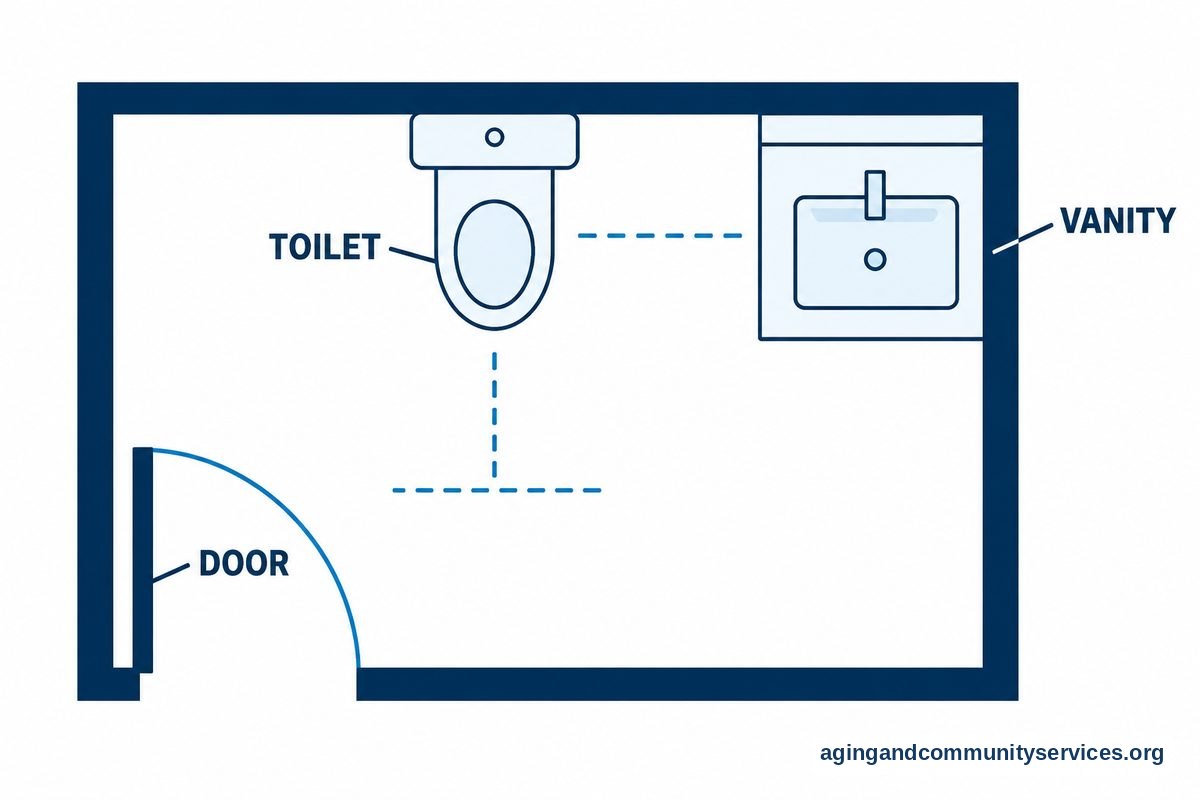
| Bathroom footprint | Keeps the exact same footprint as your current commode. | Often features a compact, sleek design that can save floor space. |
| Electrical needs | Most models need a standard GFCI electrical outlet nearby. | Requires a nearby GFCI outlet, sometimes hidden behind the porcelain. |
| Maintenance and repairs | Simple to remove, swap out, or take with you if you move. | Repairs often require a professional plumber or certified technician. |
| Appearance | Looks like a slightly thicker toilet seat resting on top of your bowl. | Offers a sleek, unified, modern look with hidden hoses and cables. |
Understanding the Bidet Seat
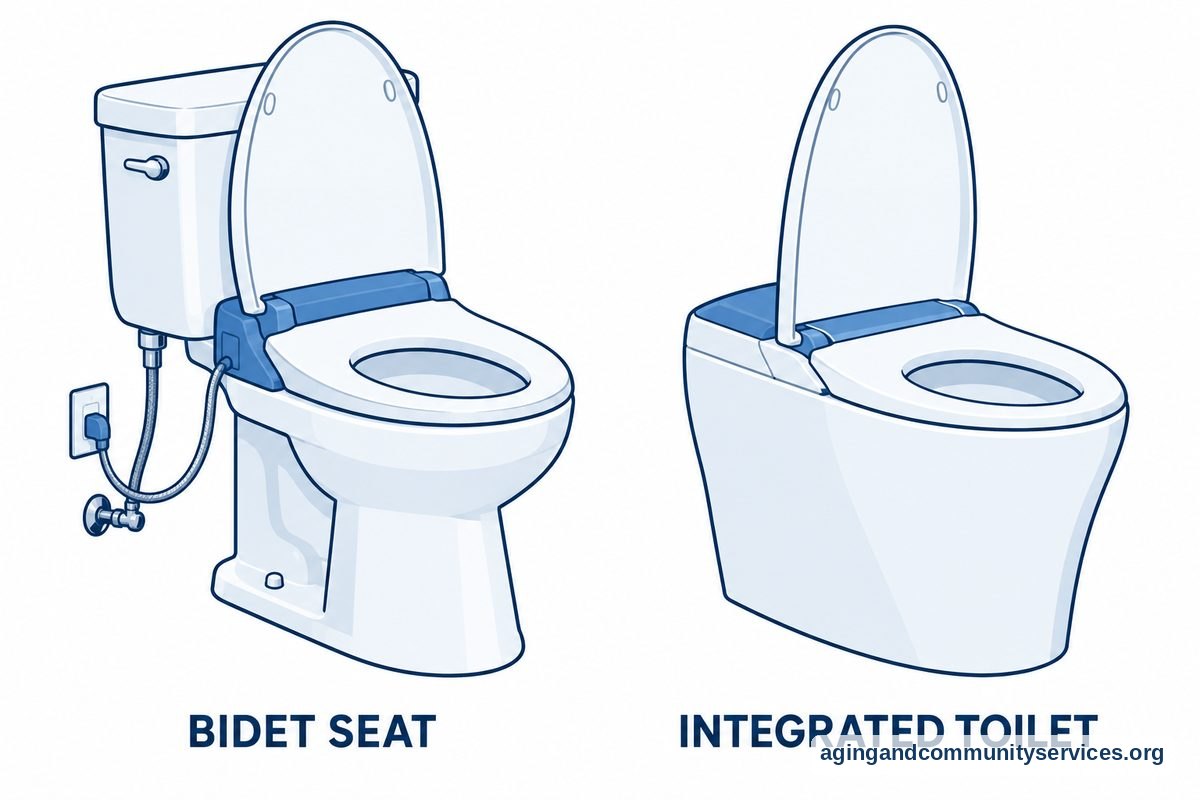
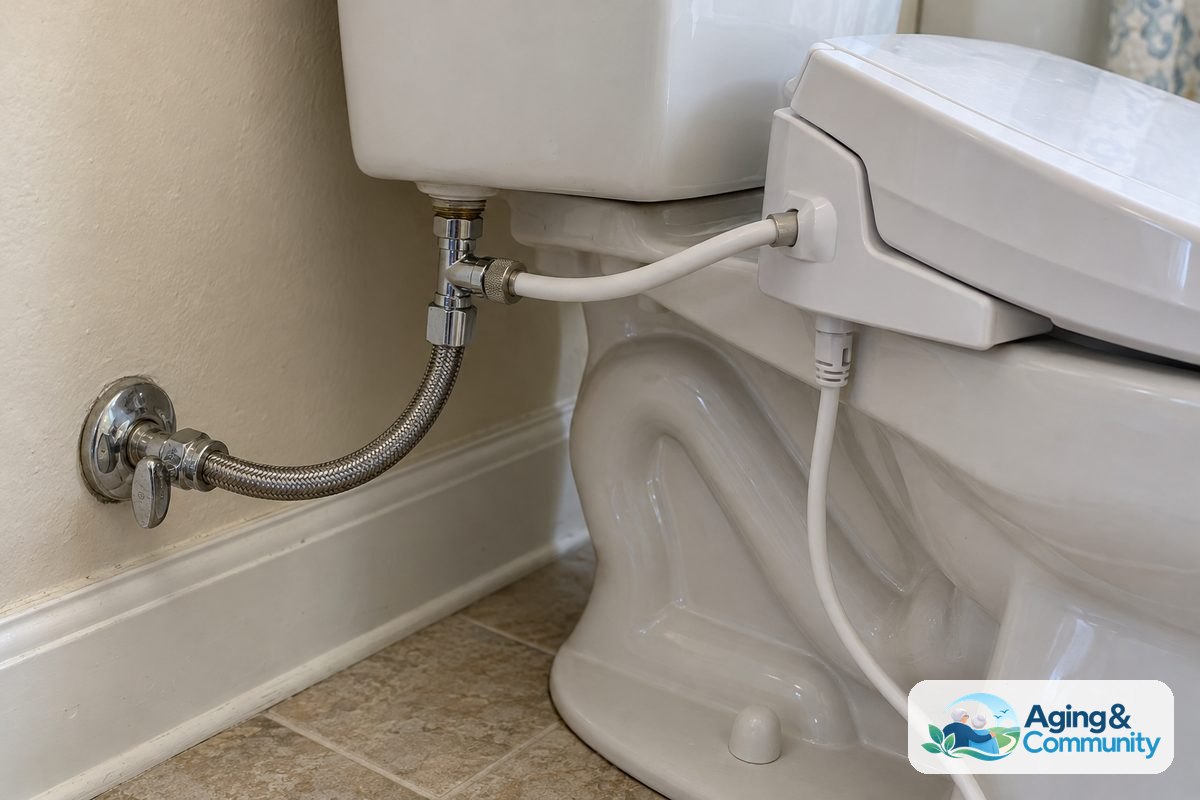
A bidet seat replaces your regular plastic or wooden toilet seat. It connects to the cold water shutoff valve next to your toilet and plugs into an electrical wall outlet. Inside the seat, an electric heating unit warms the water instantly so you can wash comfortably.
This option suits older adults who want to stay comfortable in their current residence without undertaking major construction. Many families review resources on aging in place when thinking about these practical bathroom updates. Adding a seat requires no demolition, which keeps bathroom disruption to a minimum.
A bidet seat also works nicely for renters or people who plan to downsize soon. If you move, you can simply disconnect the seat, put the original seat back on, and take your fixture to your new home. If you want to review basic steps before buying, reading about how to choose a bidet can help you measure your bowl correctly.
There are a few limits to keep in mind. Bidet seats have visible cords and water hoses that run along the side of the bowl. The back portion of the seat is raised to house the pump and heater, which slightly reduces the sitting area. If your toilet bowl is an older, round shape rather than an elongated shape, your choices may be somewhat limited.
Understanding the Integrated Bidet Toilet
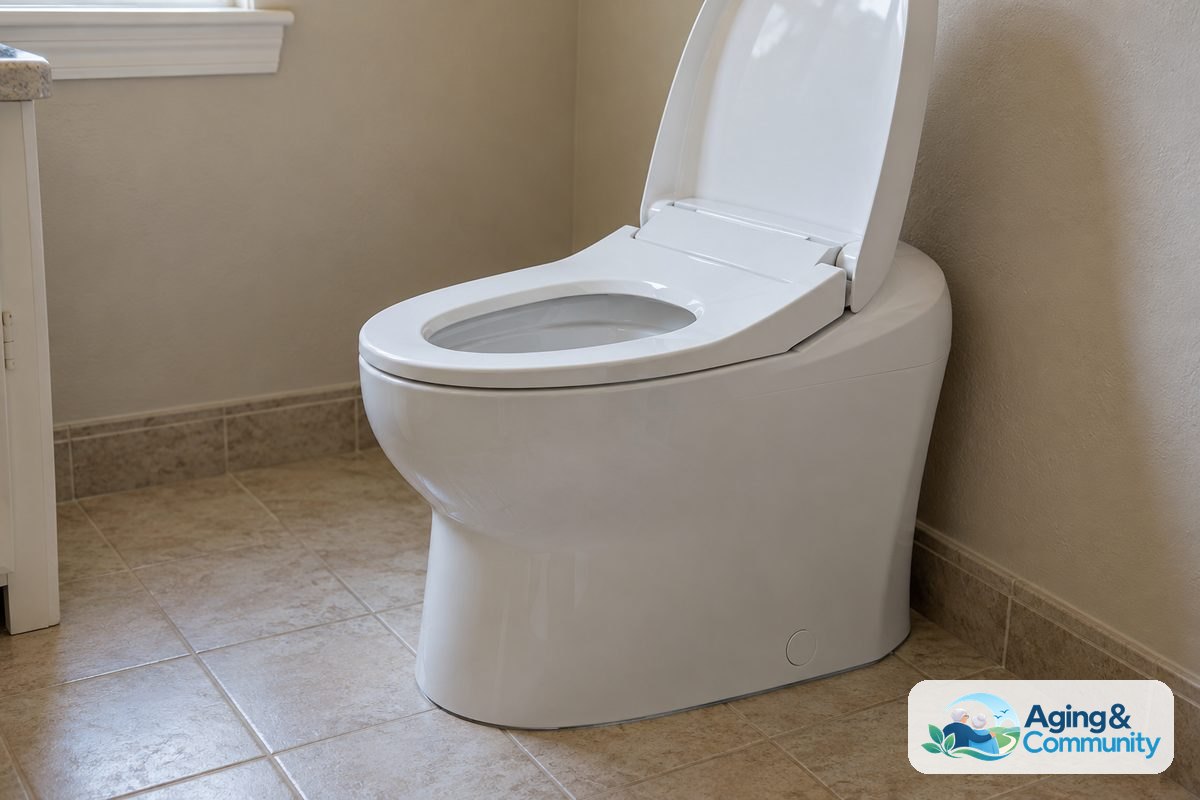
An integrated bidet toilet is a single unit that combines a ceramic bowl, flushing system, and built-in washing bidet. There is no separate seat bolted to the top. Everything from the water wand to the warm air dryer is built directly into the fixture from the factory.
This option suits homeowners who are already remodeling their bathroom. Because it is an all-in-one fixture, water lines and electrical connections hide neatly inside or behind the smooth ceramic shell. It gives the bathroom a clean, open look with very few crevices where dust can collect.
Integrated toilets often include luxury touches like hands-free lids that open as you approach, automatic flushing, and built-in nightlights. For people who have trouble bending over or twisting around to reach a flush handle, these hands-free features offer real convenience. If you are comparing full fixtures, looking closely at a bidet vs smart toilet comparison can clarify what features come standard.
The main limitation is the complexity of setup and care. Installing an integrated unit requires removing the existing toilet, which is a two-person job due to the weight of the ceramic. If an electronic component fails years later, finding replacement parts or scheduling a specialist can take more effort than replacing a modular seat. You will also need to hire an electrician if your bathroom lacks an outlet near the water supply.
How to Decide
Choosing between these two options comes down to your home layout, mobility needs, and future plans. Consider these common situations:
- Choose a bidet seat if you want to keep your existing toilet bowl and avoid heavy plumbing labor.
- Choose a bidet seat if you rent your home or plan to move to a new house in the coming years.
- Choose a bidet toilet if you are doing a full bathroom renovation and want clean lines without visible hoses.
- Choose a bidet toilet if automatic lid opening and hands-free flushing will make daily bathroom visits easier.
- Choose a bidet seat if you prefer simple DIY maintenance where a part can be swapped out without replacing the whole toilet.
If you or a loved one experience balance challenges or stiffness, simple bathroom modifications can be very helpful. Reviewing guidance on falls and falls prevention provides useful ideas for grab bars and non-slip surfaces. You can also consult an occupational therapist to help evaluate your bathroom layout for comfort and ease of use.
Frequently Asked Questions
Can a bidet seat fit on any existing toilet?
Most bidet seats fit standard residential toilets, but you must check your bowl shape first. Toilets in North America are either round or elongated. Measure the distance from the two seat bolt holes to the front of the porcelain rim. A distance of roughly sixteen and a half inches means a round bowl, while eighteen and a half inches indicates an elongated bowl. You also need about two inches of clear space between the bolt holes and the front of the water tank so the seat base can lock into place securely.
Do both options require an electrical outlet in the bathroom?
Yes, nearly all heated bidet seats and integrated bidet toilets need a dedicated electrical connection. The electricity powers the internal water heater, the heated seat, the air dryer, and the remote control receiver. For safety in wet areas, this outlet should be a GFCI receptacle located within a few feet of the toilet. If you do not have an outlet nearby, a licensed electrician can install one cleanly, often in just an afternoon.
How difficult is it to learn the controls?
Most people get comfortable with the controls after a couple of days. Integrated toilets and seats typically come with a wall-mounted wireless remote featuring clearly marked buttons for front wash, rear wash, water temperature, and drying. If you are unfamiliar with the process, reading a simple overview on how to use bidet features can take away the guesswork before your first try.
Which option is easier to clean around?
An integrated bidet toilet is usually easier to wipe down on the outside. Because the tank, bowl, and seat are built as one piece, there are no mounting brackets or exposed water supply lines to clean around. In contrast, an add-on bidet seat has a small gap between the bottom of the unit and the porcelain bowl. Fortunately, most modern seats have a quick-release button that lets you slide the entire unit forward so you can wipe the bowl surface underneath.
What should I do if my bathroom space is very tight?
In smaller powder rooms, an integrated bidet toilet can actually save a few inches of floor space because many tankless designs have a shorter depth than standard two-piece toilets. However, if your budget or plumbing rules out a full replacement, a compact bidet seat works nicely. Make sure to check the clearance on the side of the bowl so the seat does not bump into nearby vanity cabinets or walls.