

Yes, you can get help paying for Medicare Part B if you have limited income and resources. State programs exist specifically to help pay these monthly medical insurance premiums for those who qualify. While approval is never guaranteed, many older adults receive regular assistance that makes healthcare much more manageable.

How Medicare Savings Programs Work
The main way to get help with your premium is through state-based initiatives. State Medicaid programs manage these plans, which are collectively called Medicare savings programs. Depending on the specific program level you qualify for, the state may pay your monthly Part B premium directly.
In some cases, these programs offer even broader financial support. For individuals with very limited means, certain program levels also pay Medicare Part A and Part B deductibles, coinsurance, and copayments. You can read our broader guide on Medicare and prescription cost help to see how these pieces fit together across your total coverage.
Who Is Eligible for Part B Premium Assistance?
Eligibility for these programs depends primarily on your household income and countable assets. Federal guidelines establish the overall framework, but each individual state administers its own program rules. Because of this setup, income limits and asset thresholds vary from one state to another.
Because rules differ across the country, it is best not to assume you are over the limit. You apply directly through your state Medicaid office, which reviews your financial documents to determine eligibility. Once enrolled, your coverage is renewed periodically, meaning you will need to confirm your details over time to maintain your benefit.
Automatic Help with Prescription Drug Costs
Getting approved for premium assistance often opens the door to additional savings. If you qualify for any Medicare Savings Program, you automatically qualify for Extra Help. Extra Help, also known as the Part D Low-Income Subsidy, helps lower prescription drug premiums, deductibles, and pharmacy copayments.
People who receive full Medicaid benefits or Supplemental Security Income also receive Extra Help automatically. You can also explore how to get help paying Medicare premiums and drug expenses directly through Social Security. Keep in mind that Social Security may review your status periodically, and significant changes in your resources can alter your coverage level.
Additional Ways to Manage Healthcare Costs
Beyond state savings programs, other rules exist to keep total healthcare spending under control. Medicare Part D includes a yearly cap on out-of-pocket costs for covered prescription drugs. This cap ensures you do not face unlimited expenses for necessary medications during the calendar year.
You can also use the Medicare Prescription Payment Plan, which allows you to spread out your drug costs into predictable monthly payments rather than paying large amounts at the pharmacy counter. Additionally, some pharmaceutical manufacturers run patient assistance programs, and certain states manage dedicated pharmaceutical assistance plans to support residents with chronic medication needs.
How to Protect Yourself from Medicare Scams
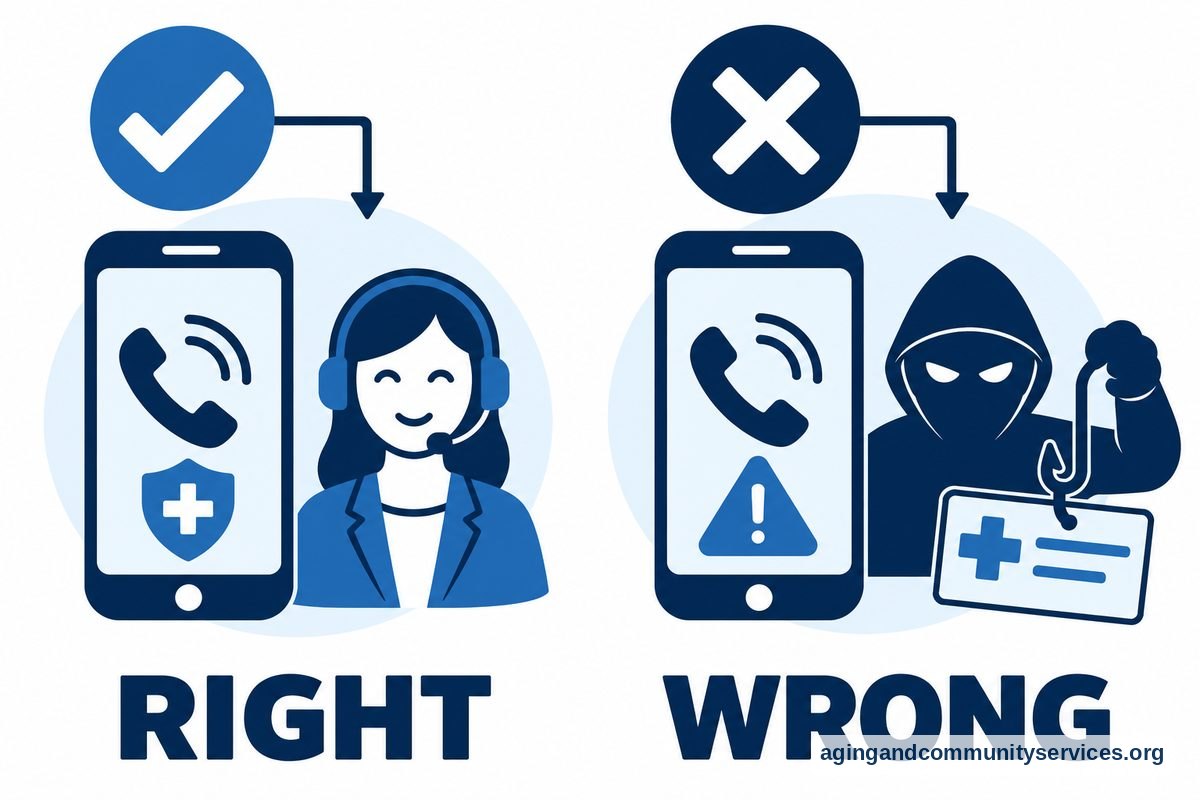
When looking for financial assistance, it is essential to stay alert against deceptive callers. Official Medicare representatives will never call you asking for your Medicare number to offer a refund or send an upgraded card. Anyone who contacts you unexpectedly asking for personal identification or payment details is running a scam.
If you receive a suspicious phone call, hang up immediately. You can reach the official Medicare help line directly at 1-800-633-4227 to report suspicious activity or ask questions about your account. Legitimate assistance programs will never pressure you or demand immediate payment over the phone.
Steps You Can Take Next
Finding out what support is available in your community is straightforward when you use verified public resources. Taking action step by step ensures you find the right programs without stress.
- Use an online benefits screener such as the BenefitsCheckUp tool to see what public assistance programs match your household profile.
- Contact your local Area Agency on Aging by calling the Eldercare Locator at 1-800-677-1116, or visit eldercare.acl.gov to locate regional offices.
- Connect with a trained counselor through the State Health Insurance Assistance Programs for free, one-on-one Medicare counseling.
- Dial the 211 helpline to ask about local utility, food, or medical support programs operating in your county.
- Submit an application through your state Medicaid office to determine if you qualify for a Medicare Savings Program.
Frequently Asked Questions
Where do I submit my application for Part B help?
You apply for Medicare Savings Programs through your local state Medicaid agency. Applications can usually be completed online, through the mail, or in person at a county social services office. Local counselors can assist you with completing the paperwork.
Does getting help with Part B affect my Social Security check?
If you currently have your Part B premium deducted from your monthly Social Security benefit, approval changes this process. When the state begins paying your Part B premium, that deduction stops, which can increase your monthly take-home check amount.
What is the difference between Medicaid and Medicare Savings Programs?
Medicaid is a broad health coverage program that provides comprehensive medical benefits to eligible individuals. Learning how these plans work to lower out-of-pocket costs helps explain why Medicare Savings Programs are specialized programs run by Medicaid that focus specifically on paying Medicare premiums, deductibles, or copays.
Can I apply for help if I have savings in the bank?
Yes, you can still apply. While asset limits do apply to most Medicare Savings Programs, each state defines countable resources differently. Some items, such as your primary home and one vehicle, are typically not counted toward the asset limit.
How often do I need to renew my assistance?
State Medicaid agencies review eligibility on a periodic basis, typically once every twelve months. You will receive renewal paperwork in the mail that you must complete and return to verify that your income and resources still meet the program criteria.