

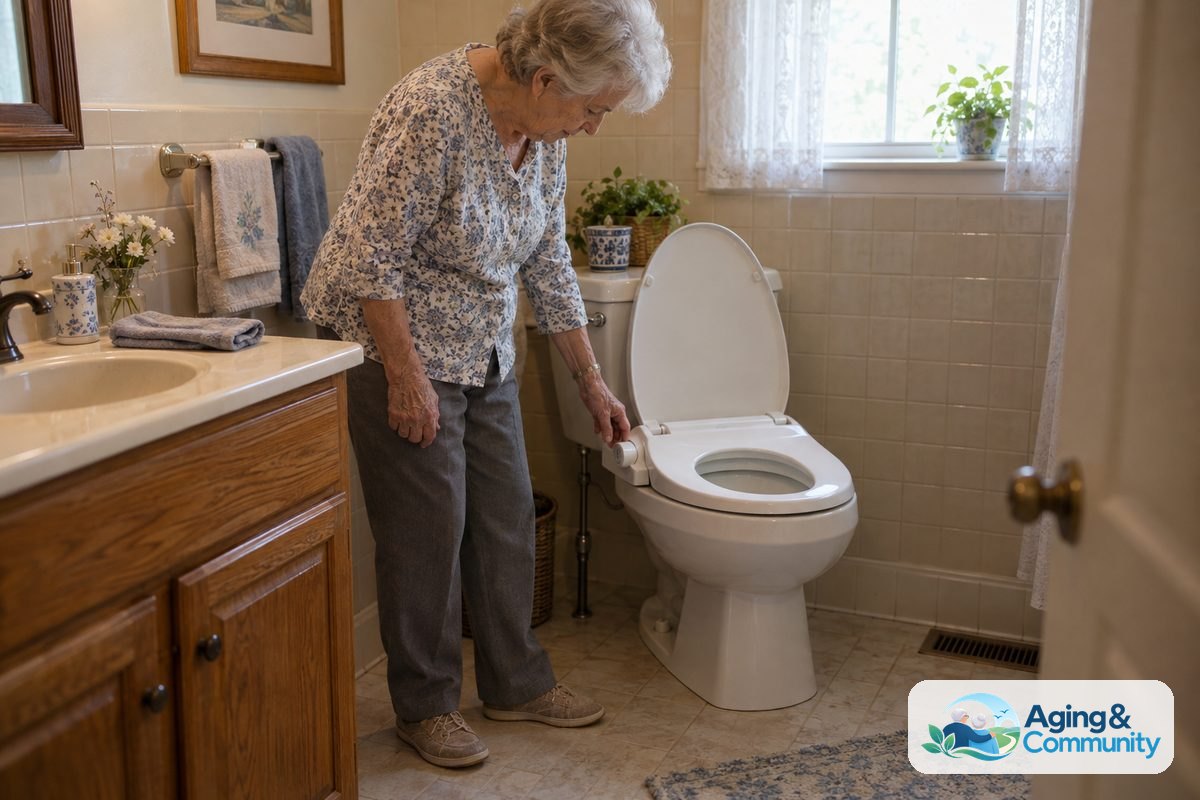
The short answer is no, Original Medicare does not cover a bidet in almost all situations. A person looking to see does Medicare cover bidet seats or attachments will find that the program views them as personal comfort or convenience items rather than required medical gear. To qualify for any help, a tool must meet strict rules as durable medical equipment prescribed by a doctor for home use.
What Medicare Covers and What It Doesn’t
Original Medicare Part B helps pay for medically necessary durable medical equipment, often called DME. For Medicare to pay, a Medicare-enrolled doctor or healthcare provider must write a prescription stating that the equipment is necessary for use in your home. The equipment must also come from an enrolled supplier who agrees to Medicare billing rules.
Medicare has clear standards for what counts as DME. The item must be durable, used for a medical reason, and generally not useful to someone who is not sick or injured. Because bidets are standard hygiene fixtures in many parts of the world, Medicare classifies them as convenience items. In that way, they are treated much like other home fixtures.
Original Medicare generally does not cover items it considers convenience or home modification. These non-covered items include grab bars, stair lifts, bath safety rails, and walk-in tubs. It also does not cover hearing aids or exams for fitting them, though some Medicare Advantage plans offer hearing benefits. A bidet seat or spray wand falls into this same non-covered category under Original Medicare rules.
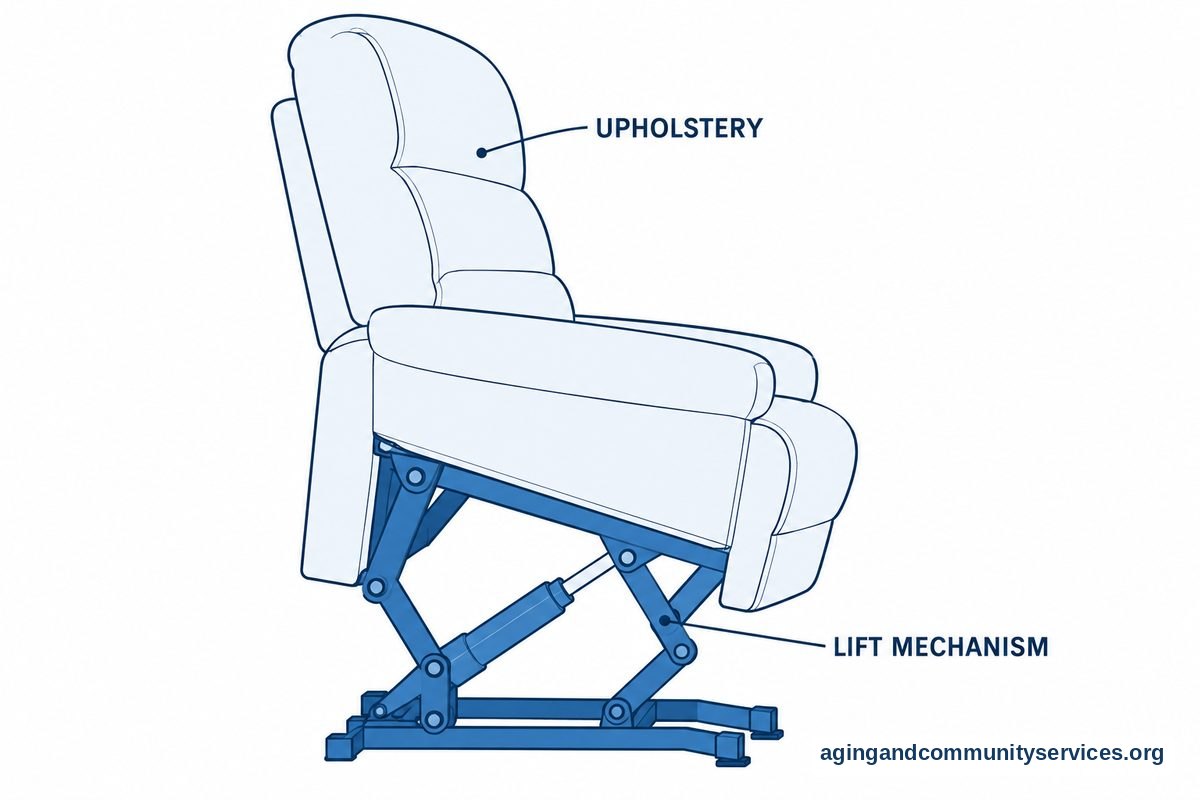
By comparison, Medicare Part B may cover the seat lift mechanism of a lift chair when a doctor prescribes it and the patient meets specific criteria. That is the motorized lifting part that helps a person stand up. Even in that case, Medicare does not pay for the chair itself, such as the frame, fabric, or reclining parts, because those are considered regular furniture. Standard bathroom hygiene units do not have a covered mechanical part like a lift chair does.
How to Get It Covered
Getting bathroom equipment covered requires careful steps and specific paperwork. While Original Medicare rarely pays for these units, following the proper medical path is essential if your care team believes an item is necessary for your care.
- Talk with your doctor: Schedule an appointment with your Medicare-enrolled doctor. Discuss your daily mobility, balance, and self-care challenges. You may also want to consult an occupational therapist to review your physical needs in the bathroom.
- Obtain a written prescription: If your doctor agrees that special equipment is medically required, ask for a detailed written order. The prescription must clearly explain your diagnosis and why standard hygiene methods are not possible.
- Select an enrolled supplier: Take the prescription to a medical supply company enrolled in the program. You can use the official tool to find medical equipment suppliers who participate in Medicare. Check that the supplier accepts assignment.
- Submit the formal claim: Have the supplier submit the claim to Medicare. Even if a denial is expected, a formal claim creates an official record of the request and decision.
- Check Medicare Advantage rules: If you have private Part C coverage, contact your plan provider before buying anything. Ask about prior authorization rules, in-network equipment vendors, and whether your plan includes special home safety benefits.
What You Might Pay
If you purchase covered durable medical equipment through Original Medicare, you must first pay the yearly Part B deductible. Once you meet that deductible, you generally pay twenty percent of the Medicare-approved amount. Medicare pays the remaining eighty percent of that approved cost directly to the enrolled supplier.
Some types of approved equipment are rented, while others are bought outright. This depends entirely on the specific item and how long you are expected to need it. You can review general rules on the official durable medical equipment coverage page.
Using a supplier that accepts assignment protects you from extra charges. An enrolled supplier who accepts assignment agrees to take the Medicare-approved charge as full payment. If you choose a supplier who is not enrolled in Medicare, the program will pay nothing, and you will be responsible for the entire bill. You can learn more about how out-of-pocket costs work on the Medicare costs information page.
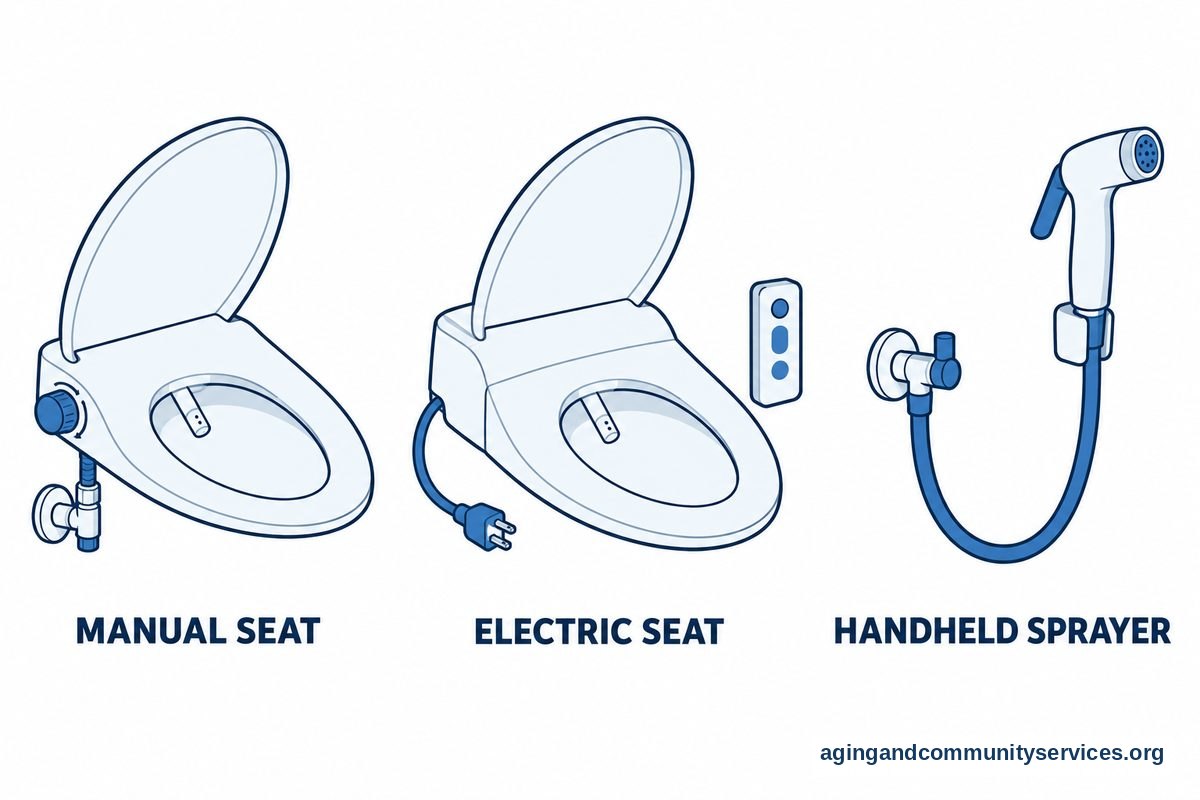
Because a washing attachment is rarely approved by Part B, you should expect to pay the full cash price out of pocket. Retail costs vary widely based on features like warm water lines, heated seats, air dryers, and remote controls. Exploring a guide on how to choose a bidet can help you compare manual seats, electric seats, and basic handheld models before you spend your own funds.
If Medicare Won’t Pay
When Medicare denies a claim for equipment, you have the right to ask for a written explanation. You can review your Medicare Summary Notice to see why the item was not approved. The notice provides clear instructions on how to file an appeal if you and your doctor believe the decision was incorrect.
If you have a Medicare Advantage plan, check your extra benefits. Medicare Advantage plans must cover everything Original Medicare covers, but many offer supplemental allowances. Some plans include over-the-counter allowances, bathroom safety packages, or specialized care benefits that help pay for helpful home equipment. Check with your plan administrator about network restrictions and prior approval steps.
Other programs may offer financial help when Medicare will not. Medicaid provides healthcare coverage for people with limited income and resources, and state programs sometimes help with personal hygiene devices or home modifications. Veterans may find assistance through Veterans Affairs health benefits, which sometimes provide home health aids and safety tools to qualified individuals. You can also reach out to your local Area Agency on Aging through the Eldercare Locator to ask about community grants, equipment loan closets, or local support programs.
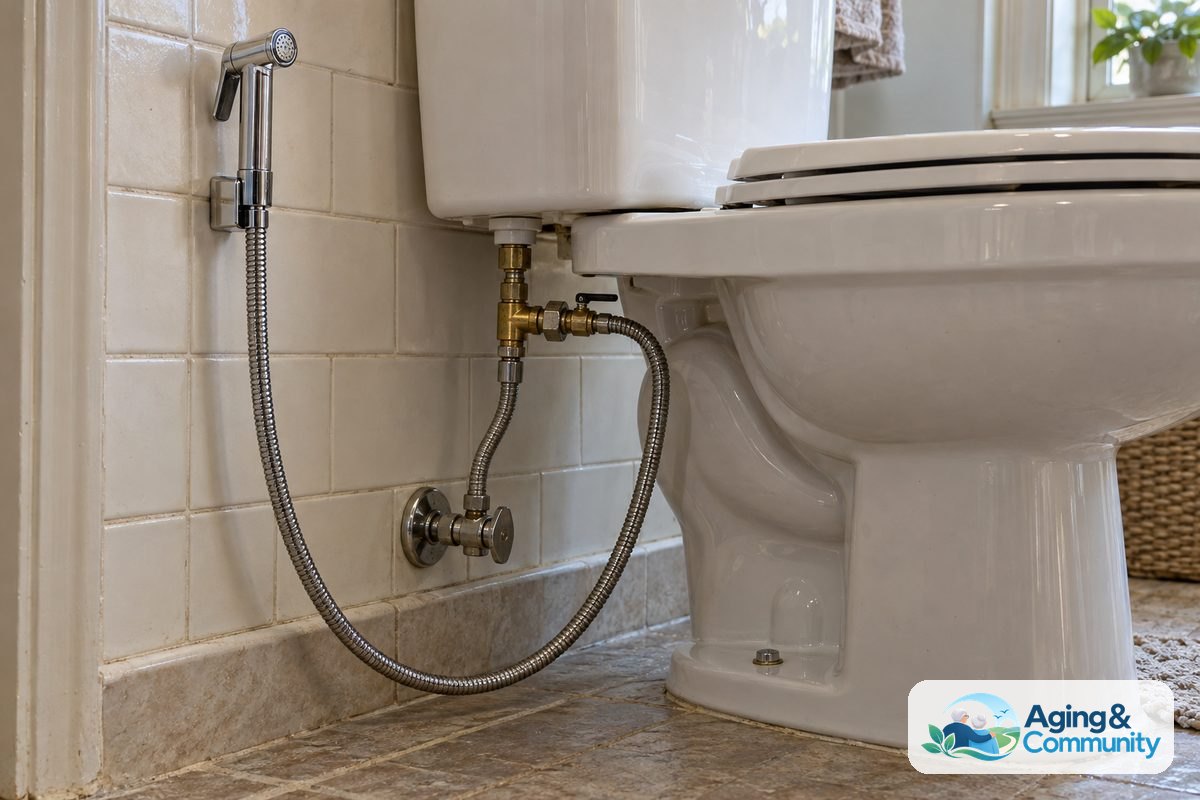
Many older adults choose to purchase affordable add-on equipment directly. A handheld sprayer attaches easily to a standard supply line and requires no electrical outlet. Reading about the differences between a bidet vs spray setup can clarify which design fits your bathroom layout. If you want a fixed seat replacement, looking at bidet attachments for seniors can help you find models with large, simple dials that work well for stiff fingers.
Frequently Asked Questions
Can a doctor write a prescription for a bidet?
Yes, any licensed doctor can write a prescription for hygiene equipment if they believe it assists your physical care. However, a prescription does not mean Medicare will pay for it. Original Medicare still excludes items that it considers general comfort or convenience devices.
Are bidet attachments easy to operate for someone with limited hand mobility?
Many units are built with simple controls, such as large push buttons, rotating knobs, or handheld remotes. Reading instructions on how to use bidet features can help you decide if a specific control panel suits your reach and hand strength.
Does Medicare Advantage cover bathroom safety items?
Some Medicare Advantage plans offer extra benefits that go beyond Original Medicare. These can include allowances for bathroom safety or assistive items. You must check with your specific plan to see if they offer coverage, require prior approval, or use specific suppliers.
What is the difference between durable medical equipment and convenience items?
Durable medical equipment must be primarily used to serve a medical purpose, withstand repeated use, and not be useful to an individual without an illness or injury. Convenience items are products that provide comfort or personal hygiene help for anyone, whether they have a medical condition or not.