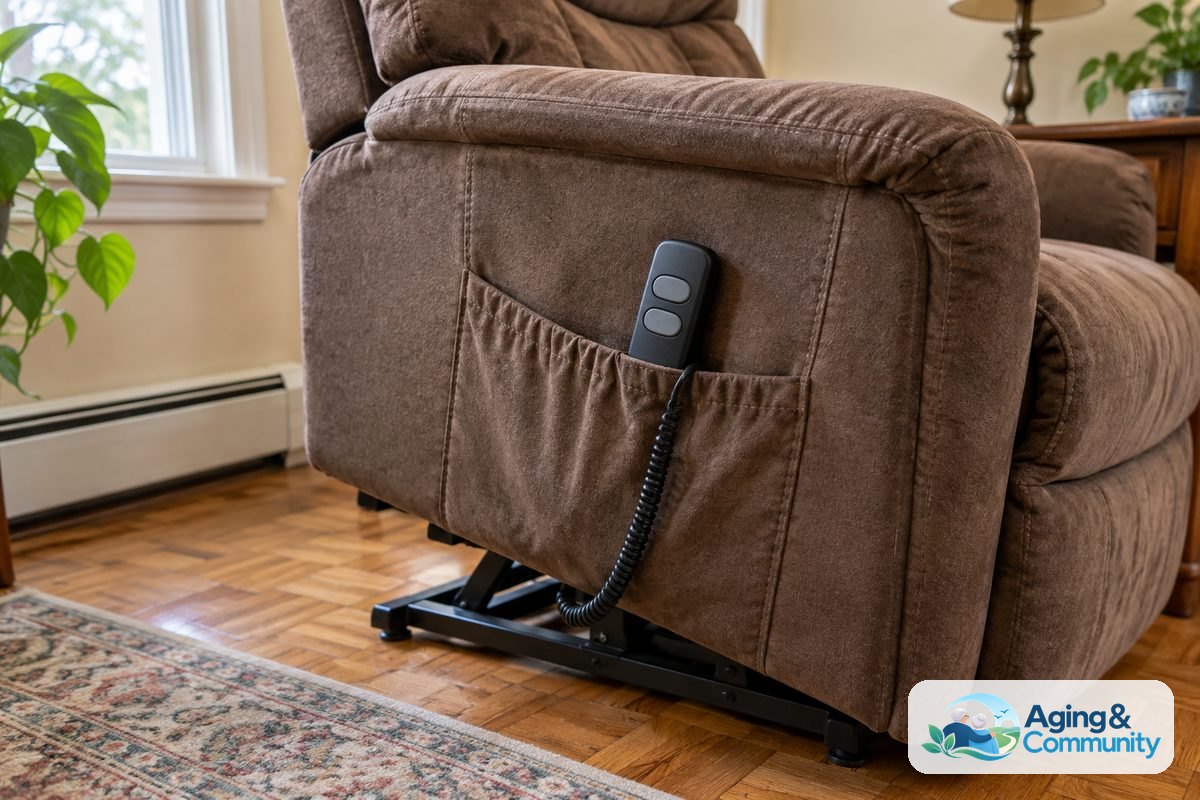
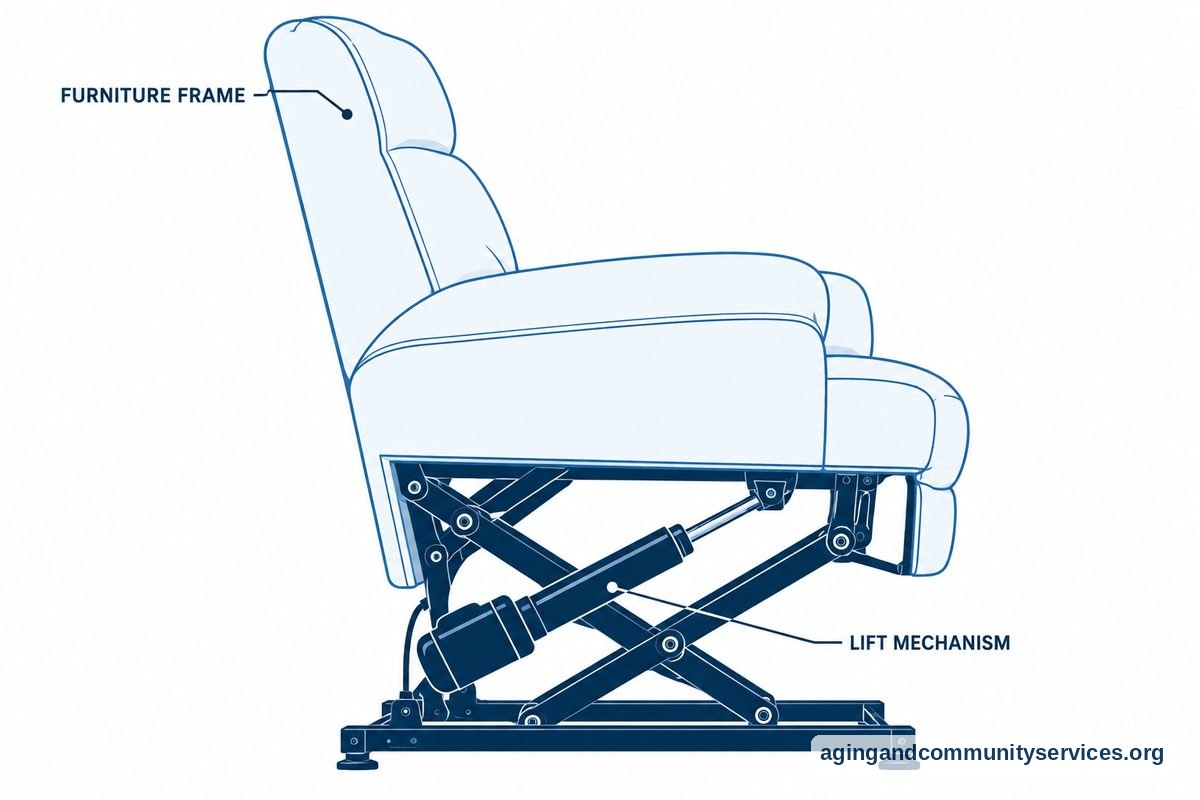
Medicare may cover part of a lift chair recliner, but not the way you might expect. Original Medicare Part B covers the motorized seat lift mechanism as durable medical equipment when a doctor prescribes it as medically necessary. However, Medicare does not cover the chair itself, including the recliner functions, upholstery, and frame, which are considered furniture rather than medical equipment.

What Medicare Covers and What It Doesn’t
Original Medicare Part B covers the motorized lifting mechanism of a lift chair when all of these are true: a Medicare-enrolled doctor or other qualified provider prescribes it, you meet the medical criteria for the equipment, and you use it in your home. The lift mechanism is classified as durable medical equipment (DME), similar to other medical mobility equipment and bed transfer support options.
What Medicare does not cover includes the chair frame, cushioning, upholstery, reclining function, and any other furniture-like features. These parts are considered home furnishings, not medical devices. If you choose to buy or rent a lift chair recliner, you pay for the whole chair yourself, but Medicare may help cover the cost of the lift mechanism component.
The supplier you use must be enrolled with Medicare. When a supplier “accepts assignment,” they agree to charge only the Medicare-approved amount. If you use a non-enrolled supplier, Medicare may pay nothing toward the cost.
If you have a Medicare Advantage plan (Part C), your coverage may be the same or better than Original Medicare. Contact your plan directly to ask what it covers, because rules and approval processes vary by plan.
How to Get It Covered
- Talk to your doctor about whether a lift chair would help you. Your doctor can discuss your medical situation and whether the equipment is medically necessary for your home use.
- Ask your doctor to write a prescription or order for the seat lift mechanism. The doctor must be enrolled in Medicare and willing to prescribe the equipment.
- Find a Medicare-enrolled DME supplier. You can search for suppliers online in your area, or ask your doctor for a recommendation.
- Contact the supplier and give them your prescription and insurance information. Ask if they accept Medicare assignment.
- Have the supplier submit the claim to Medicare. They will also tell you what your out-of-pocket costs will be.
- Review your Medicare Summary Notice when it arrives. This notice shows what Medicare approved and paid.
What You Might Pay
If Medicare approves your lift chair mechanism, you will usually pay twenty percent of the Medicare-approved amount after you have met your yearly Part B deductible. Your exact cost depends on the Medicare-approved price for the equipment in your area.
If you want additional features like a recliner function or a specific style of chair, you will pay the full price for those parts yourself. Some people choose to buy the entire chair and use Medicare’s payment toward the total cost.
If Medicare Won’t Pay
If Medicare denies your claim, ask for a written explanation. Your Medicare Summary Notice will explain why the claim was denied and how to appeal the decision. You have the right to file an appeal and present more information about why you need the equipment.
Other resources may help if Original Medicare does not cover your lift chair recliner:
- Medicaid: Your state’s Medicaid program may cover items that Medicare does not. Eligibility and coverage vary by state.
- Veterans Affairs: If you are a veteran, the VA may cover durable medical equipment through your benefits.
- Area Agency on Aging: Local agencies can connect you with programs and assistance for older adults. You can find your local agency through the Eldercare Locator.
- Manufacturer assistance: Some lift chair makers offer payment plans or financial help programs.
Frequently Asked Questions
Does Medicare cover lift chair rental?
Medicare may help cover the rental of the seat lift mechanism if a doctor prescribes it as medically necessary. Like purchases, the motorized lifting part is what Medicare considers eligible equipment. You would pay your share of the rental cost after the deductible, typically twenty percent of the Medicare-approved amount. Rental costs vary depending on your area and supplier.
Is a recliner covered by Medicare?
The reclining function of a chair is not covered by Medicare because it is considered a home furnishing feature, not medical equipment. The motorized seat lift mechanism may be covered, but the recliner feature is your responsibility to pay for. Recliner chairs for elderly come in many styles and price ranges.
What if I have Medicare Advantage?
Medicare Advantage plans must cover what Original Medicare covers, so they should cover the motorized seat lift mechanism. However, they may have different rules, require approval before you order, or have a different network of suppliers. Call your plan to ask about coverage and the approval process before moving forward.
Can I appeal if Medicare denies my claim?
Yes. If Medicare says no to your claim, you can request a written explanation and file an appeal. Your Medicare Summary Notice explains the steps to appeal. You can include new medical information or ask your doctor to provide more details about why the lift mechanism is medically necessary for you.
What if I need help paying my share?
If you qualify for both Medicare and Medicaid, your Medicaid program may help pay your Medicare costs. Some pharmaceutical assistance programs and nonprofit organizations also help older adults with medical equipment costs. Your Area Agency on Aging can point you toward local resources.
Are there special lift chairs I should know about?
Yes. Lift chairs for elderly come in standard sizes and bariatric lift chairs for people who need extra capacity. Medicare covers the seat lift mechanism regardless of the chair type, as long as it is prescribed. Talk with your doctor and supplier about which style suits your needs.