

Many family members find themselves asking, does Medicare cover respite care when they need a temporary break from caregiving duties? In most cases, Original Medicare does not cover routine respite services to give family members time off. However, Medicare does cover respite care under one specific circumstance, which is as part of the hospice benefit.
Understanding what Medicare will and will not pay for can help you plan your caregiving schedule and find relief. If you are exploring broader options for help, learning about community caregiver support can connect you to programs close to home. Here is a clear breakdown of how Medicare handles respite care and where else you can look for assistance.

Medicare Coverage for Respite Care Under Hospice
Original Medicare provides respite coverage only when a person qualifies for and receives hospice care. Hospice care is designed for people who are facing an advanced illness and are focusing on comfort rather than curative treatments. When a person is enrolled in hospice, their primary family caregiver may need time to rest, attend an event, or recover from their own illness.
Under the Medicare hospice benefit, a patient can receive short-term inpatient respite care in an approved facility. This might include a Medicare-certified hospital, a hospice facility, or a skilled nursing facility. The goal is to give the primary caregiver a temporary break while ensuring the patient stays safe and comfortable.
Medicare limits these respite stays to five consecutive days at a time. A person can receive respite care more than once, but each individual stay must meet Medicare rules. There may be a small copayment for each day of respite care under hospice.
What Original Medicare Does Not Cover
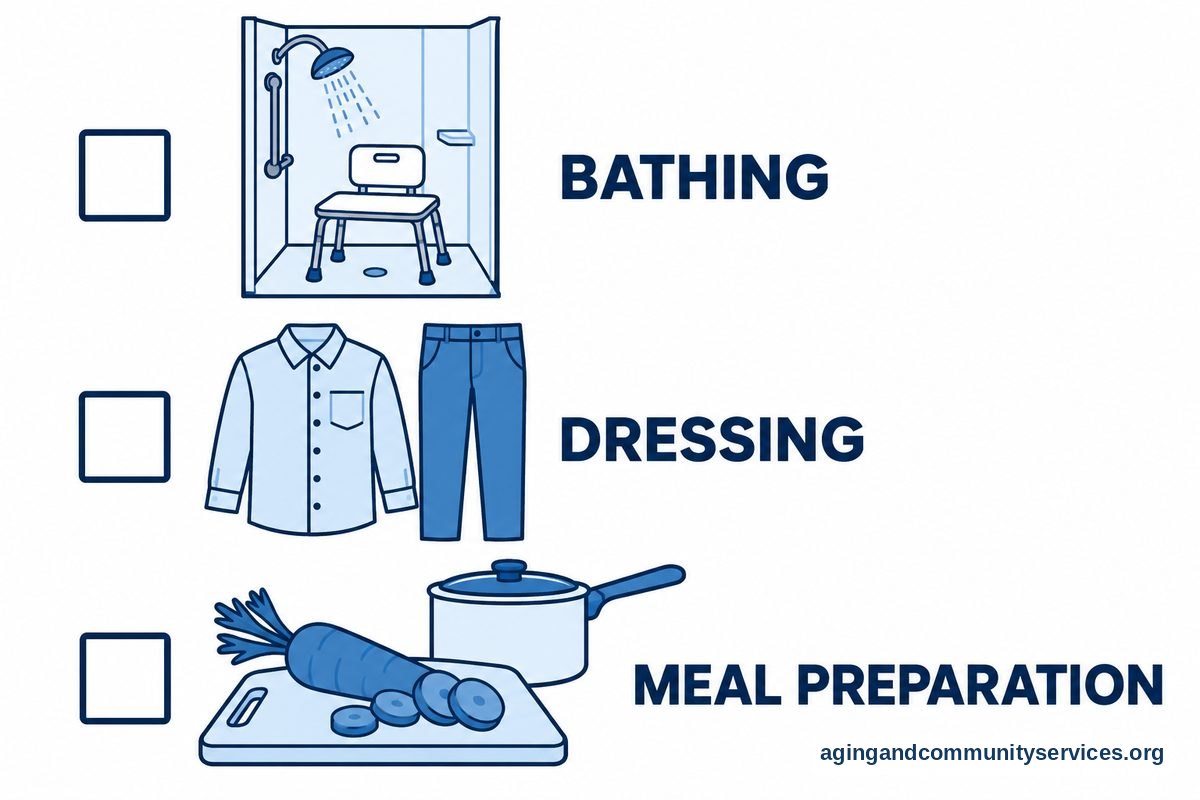
Outside of hospice care, Original Medicare does not pay for non-medical or custodial care at home. Custodial care includes help with everyday activities like bathing, dressing, meal preparation, and light housekeeping. Many caregivers wonder what is respite care for caregivers in everyday life, and it often involves these non-medical tasks that Medicare leaves out.
Medicare does cover home health care, but only under strict medical guidelines. To qualify, a person must be homebound and require skilled nursing care or therapy services from a physical therapist, speech therapist, or occupational therapist. A doctor must order these services and certify the medical need.
Even when Medicare approves home health visits, these visits are part-time or intermittent. They do not provide round-the-clock supervision, and the home health aide cannot stay simply to give the family caregiver a rest. Because of this, standard home health benefits cannot be used as routine respite care.
Medicaid and State Respite Programs
While Medicare offers limited respite options, Medicaid is often more flexible for those who meet financial and medical eligibility guidelines. Medicaid rules are set federally but run by states and counties, which means availability varies depending on where you live.
Many states use Medicaid waivers to help older adults remain in their homes instead of entering a nursing facility. These waivers may pay for in-home respite workers or adult day programs. Adult day programs provide daytime care, social activities, and supervision while family members work or run errands.
Additionally, many states run self-directed or consumer-directed personal care programs through Medicaid. These programs allow eligible individuals to hire their own attendants, and some states let people wonder can a family member be a paid caregiver and receive compensation for their hours. Note that some states exclude spouses from being hired as paid aides.
Federal and Community Caregiver Programs
If your family does not use hospice or qualify for Medicaid, community-funded programs may still offer relief. The National Family Caregiver Support Program provides funding across the country through local Area Agencies on Aging. This federal program helps family caregivers access:
- Information about available community services
- Assistance in gaining access to programs
- Individual counseling and caregiver support groups
- Caregiver training on practical skills
- Respite care to give caregivers scheduled breaks
- Limited supplemental services to complement care
Because funding is managed locally, services change over time and waiting lists can exist. It is always wise to ask your local agency about current availability. You can also research whether can you get free respite care through local non-profit groups or volunteer organizations in your neighborhood.
Other Ways to Fund Respite Support
Families also look to other benefits and private resources to give caregivers a much-needed break. If your loved one served in the military, the Department of Veterans Affairs offers dedicated support. The VA Program of Comprehensive Assistance for Family Caregivers can provide a monthly stipend, training, and mental health counseling. Caregivers of eligible veterans can call the VA Caregiver Support Line at 1-855-260-3274 or visit VA family and caregiver benefits to explore options.
Private long-term care insurance policies may also help cover respite care costs. Some policies include a respite benefit that pays for a professional caregiver or a short stay in an assisted living community. In certain cases, families explore how to get paid as a caregiver for a family member without medicaid by using these private policies, though coverage depends entirely on the written contract.
For nationwide options, the ARCH National respite network provides a national service locator to help you find qualified respite providers and local funding programs near you.

Practical Next Steps for Caregivers
Taking care of your own well-being is essential when you care for someone else. Here are practical steps you can take today to look for respite support in your community:
- Contact your local Area Agency on Aging. Area Agencies on Aging serve every part of the country. You can locate your regional office by calling the Eldercare Locator at 1-800-677-1116 or visiting eldercare.acl.gov. Ask them about National Family Caregiver Support Program funds in your county.
- Call the 211 helpline. Dialing 211 connects you to community operators who can refer you to local faith-based programs, volunteer respite groups, and non-profit services.
- Run a benefits check. Use NCOA BenefitsCheckUp online to screen for state, federal, and local programs that your loved one may qualify for.
- Speak with the care team. If your loved one has complex health needs, consult their doctor, physical therapist, or occupational therapist about safety needs, daily care requirements, and whether hospice or skilled home health could be appropriate.

Frequently Asked Questions
Does Medicare pay for in-home respite care?
Original Medicare does not pay for in-home respite care to simply give a caregiver time off. Medicare only covers short-term respite stays in a facility for patients who are already receiving hospice care.
How long can a hospice respite stay last under Medicare?
Medicare allows up to five consecutive days for each inpatient respite stay under the hospice benefit. These stays take place in an approved medical or nursing facility.
Will Medicare Advantage plans cover respite care?
Some Medicare Advantage plans offer supplemental benefits that go beyond Original Medicare. These extra perks might include limited adult day services or personal care hours, but availability varies by plan and county, so you must confirm directly with the plan provider.
What should I do if I cannot afford private respite care?
Reach out to your local Area Agency on Aging or dial 211 to ask about subsidized respite programs. You can also search the ARCH National Respite Network locator to find sliding-scale or volunteer-based caregiver support in your area.