

Yes, Medicare does cover a trapeze bar when your doctor decides it is medically necessary for your care at home. The main condition is that you must need the equipment to sit up, change body positions, or get out of bed because of an illness or injury.
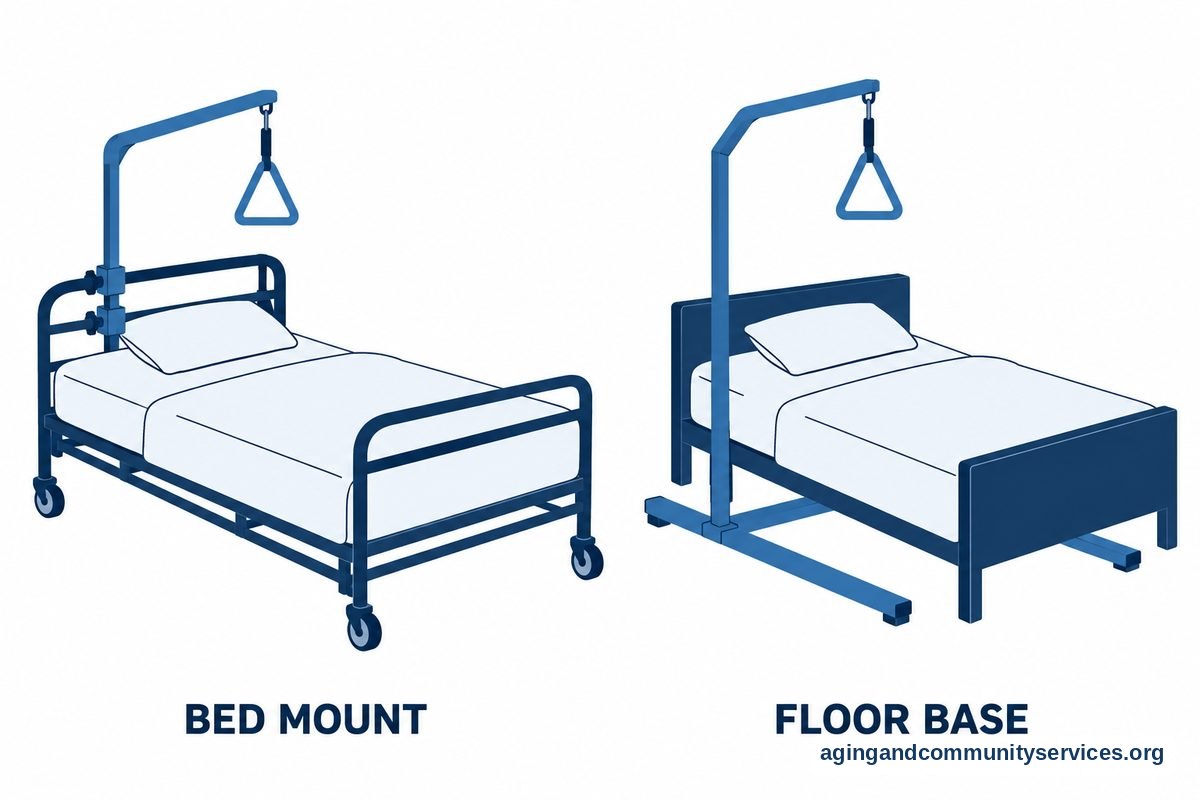
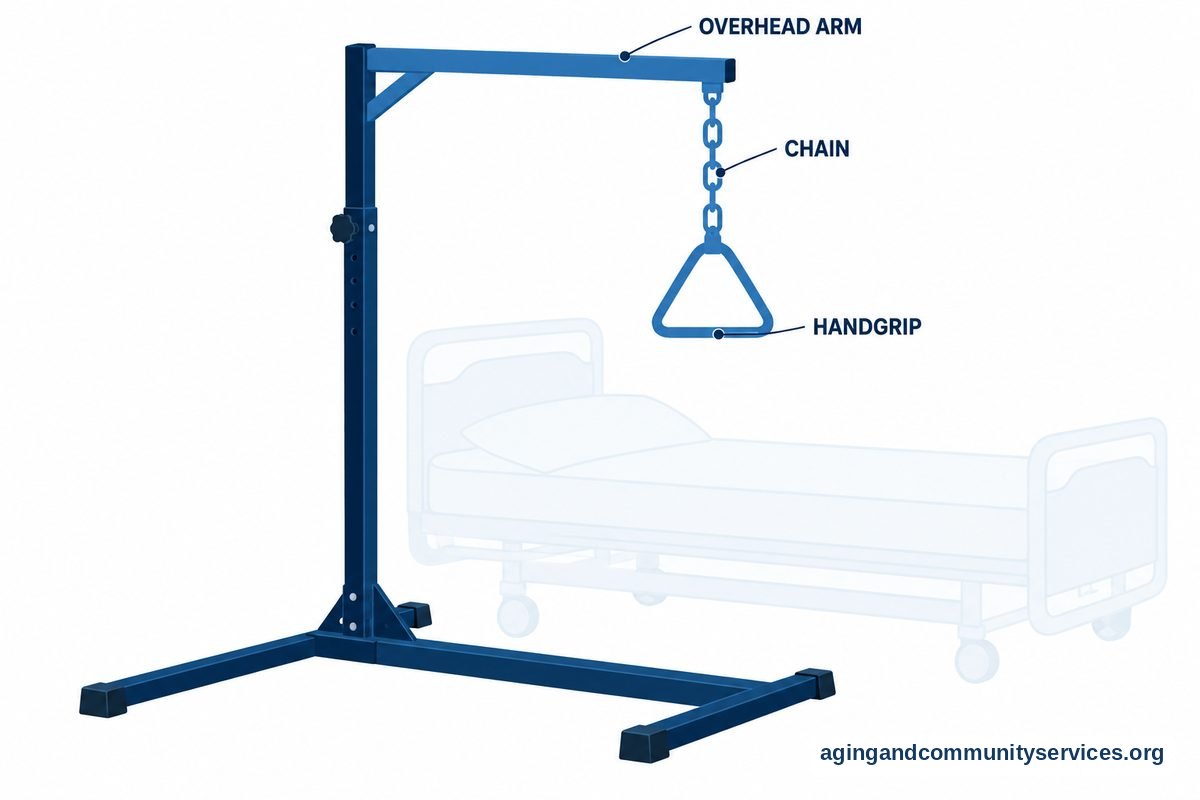
A trapeze bar is an overhead support frame with a triangular handgrip. It hangs over a bed to help someone pull themselves up into a seated position or shift their weight. For many older adults choosing a bed mobility aid, this device provides practical daily assistance right in their own bedroom.

What Medicare Covers and What It Doesn’t
Original Medicare Part B covers a trapeze bar under its benefit for durable medical equipment. You can read the official guidelines for durable medical equipment coverage to see how these general rules apply to home medical supplies.
To qualify for coverage, the equipment must serve a medical purpose, withstand repeated use, and be appropriate for home use. A Medicare-enrolled doctor or healthcare provider must write a prescription stating that you need the equipment to adjust your body position or get safely out of bed.
Depending on your medical needs and the item itself, Medicare may decide to rent or purchase the equipment for you. In some situations, a trapeze bar attaches directly to a home care bed. If you need a complete sleeping setup, you might also wonder does Medicare cover hospital bed rentals for your recovery.
Original Medicare has clear limits on what it will pay for in the bedroom and bathroom. It does not pay for convenience items or regular household modifications. For instance, Medicare does not cover standard grab bars, bath safety rails, stair lifts, or walk-in tubs. It also does not pay for hearing aids or routine hearing exams.
If you are looking at different mobility supports, you might consider alternatives like bed assist handles to help with sitting up. However, simple assist handles that slide under a regular mattress are usually treated as convenience items and are not covered by Original Medicare.
How to Get It Covered
Getting your equipment approved requires following a set of specific steps with your healthcare team. Here is the process you should follow:
- Schedule an appointment with your doctor. Visit a Medicare-enrolled doctor, physical therapist, or occupational therapist to review your mobility challenges and discuss your home setup.
- Obtain a detailed prescription. Your provider must write an order that explains why the equipment is medically necessary for your daily care.
- Locate an approved supplier. Use the official directory to find medical equipment suppliers who are enrolled in Medicare and accept assignment.
- Confirm the supplier accepts assignment. Suppliers who accept assignment agree to take the Medicare-approved amount as full payment. If you choose a supplier that is not enrolled, Medicare will not pay anything toward your bill.
- Arrange for delivery and setup. The supplier will deliver the equipment to your home. Make sure a caregiver or technician teaches you how to position the handgrip safely before you start using it.
What You Might Pay
Your out-of-pocket share depends on whether you have met your yearly deductible. Understanding your basic Medicare costs helps you plan for these upcoming medical bills.
Once you meet your yearly Part B deductible, you will typically pay twenty percent of the Medicare-approved amount. Medicare pays the remaining eighty percent directly to the medical supply company. If your equipment is rented each month, you pay twenty percent of each monthly rental charge.
If you receive your care through a Medicare Advantage plan, your costs might look different. Medicare Advantage plans must offer the same basic coverage as Original Medicare. However, these private plans often have their own supplier networks, copayment rules, and prior approval requirements. Contact your specific plan customer service department to check your benefits.
If Medicare Won’t Pay
If your claim is denied, you still have options to get the equipment or appeal the decision. First, check your Medicare Summary Notice to read the written explanation for the denial. The notice gives clear instructions on how to file an appeal and the paperwork your doctor must provide to show medical necessity.
If Original Medicare continues to deny coverage, look into other supportive programs that assist with medical hardware:
- Medicaid: State Medicaid programs often provide broader coverage for mobility devices and home safety items that help people stay in their homes.
- Veterans Affairs: If you are a veteran, the VA healthcare system may provide equipment or grant funds for mobility aids used in your residence.
- Area Agencies on Aging: You can reach out to your local Area Agency on Aging by using the Eldercare Locator. These local groups often run equipment loan closets or direct families to local financial assistance programs.
Frequently Asked Questions
Does a trapeze bar work on any type of bed?
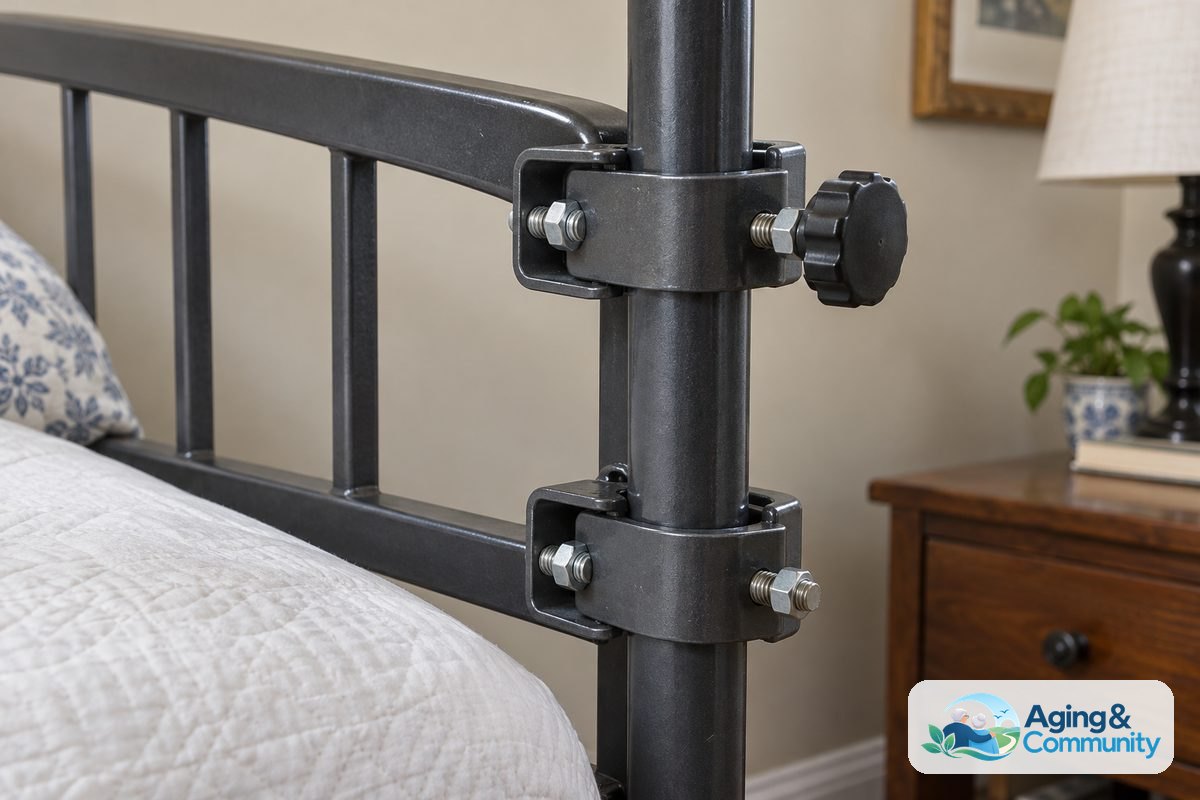
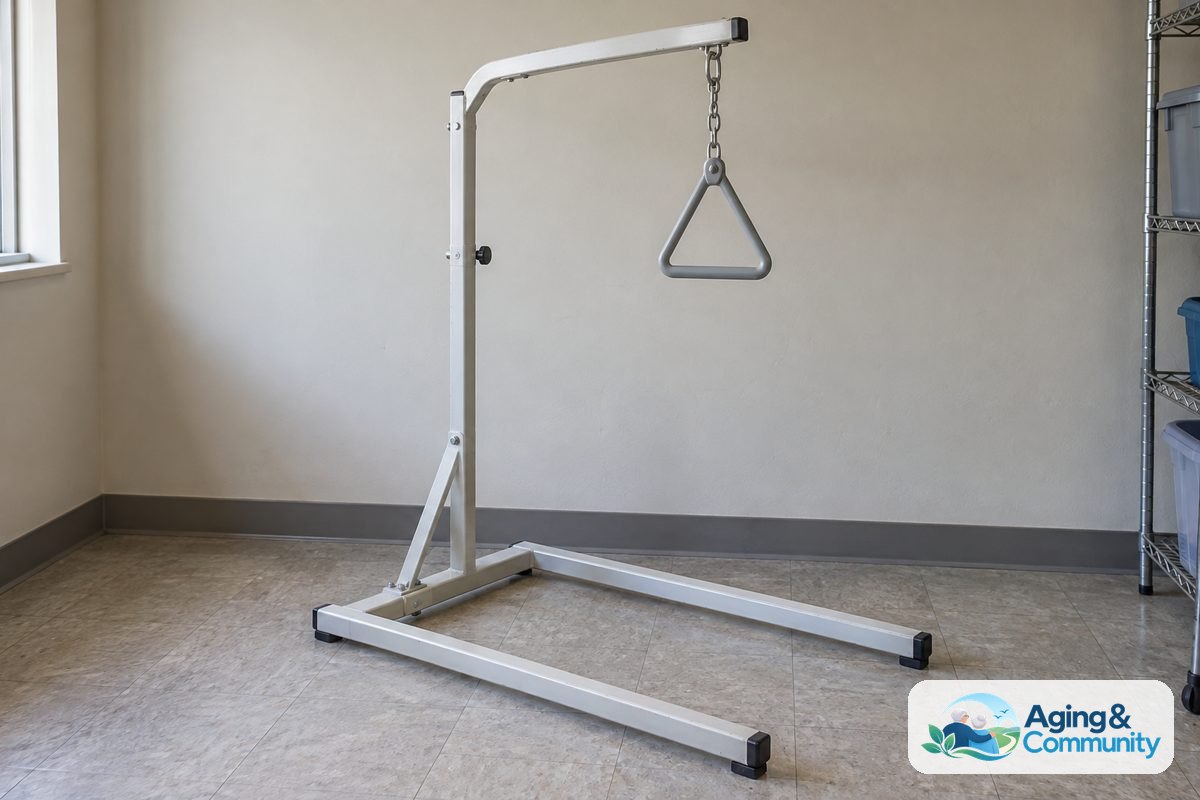
Trapeze bars come in two main styles. Some models clamp directly to the metal frame of a specialized bed, while other models are freestanding units that sit on wide floor bases. A freestanding model can slide underneath many regular home beds as long as there is enough clearance below the bed frame.
Can I get a trapeze bar if I already use bed rails?
Yes, you can use both if your doctor prescribes them for your care. While you research your choices, learning how to choose a bed rail can help you see how these two items serve different functions. A rail helps keep you from rolling out of bed, while an overhead bar gives you something to grasp when pulling yourself upward.
What should I do if my doctor suggests learning how to use the equipment?
Working with a physical therapist or occupational therapist is the safest way to build confidence. A therapist can show you the correct body mechanics so you do not strain your shoulders or wrists while lifting yourself.
Does Medicare pay for electric lift chairs as well?
Medicare Part B covers only the motorized seat lift mechanism of a lift chair when prescribed by a doctor as medically necessary. Medicare considers the chair itself, including the frame and fabric, to be furniture, so it does not pay for those parts.