

Many older adults wonder, does Medicare pay for eye exams for seniors who need a new prescription or a checkup? The short answer is that Original Medicare does not pay for routine vision exams to check your eyesight or get new glasses. However, Medicare does cover specific medical eye visits for certain conditions and risk factors.

How Original Medicare Handles Routine Eye Care
Original Medicare, which includes Part A and Part B, focuses on medical treatments rather than everyday preventive vision care. That means routine checkups to check your vision or update your prescription are not covered.
Because of this rule, you must pay the full cost out of pocket if you see an eye doctor only for a vision test. Most frames, lenses, and contact lenses are also not covered under regular Part B benefits. You can review the details on Medicare.gov eyeglasses and contact lenses coverage to see how these limits work.
Medical Eye Exams Covered by Part B
While routine visits are excluded, Part B does cover exams related to certain medical issues. If you have medical symptoms or conditions that affect your sight, Medicare may help pay for your visit.
Medicare Part B covers these specific vision services:
- Diabetic retinopathy exams: People with diabetes can get a yearly eye exam to check for retinopathy. An eye doctor licensed to provide this care in your state must do the exam.
- Glaucoma tests: Medicare covers these tests once every twelve months for individuals who are at high risk for glaucoma. This includes people with diabetes, a family history of glaucoma, or other qualifying medical factors.
- Macular degeneration care: Part B covers certain diagnostic tests and treatments for people with age-related macular degeneration.
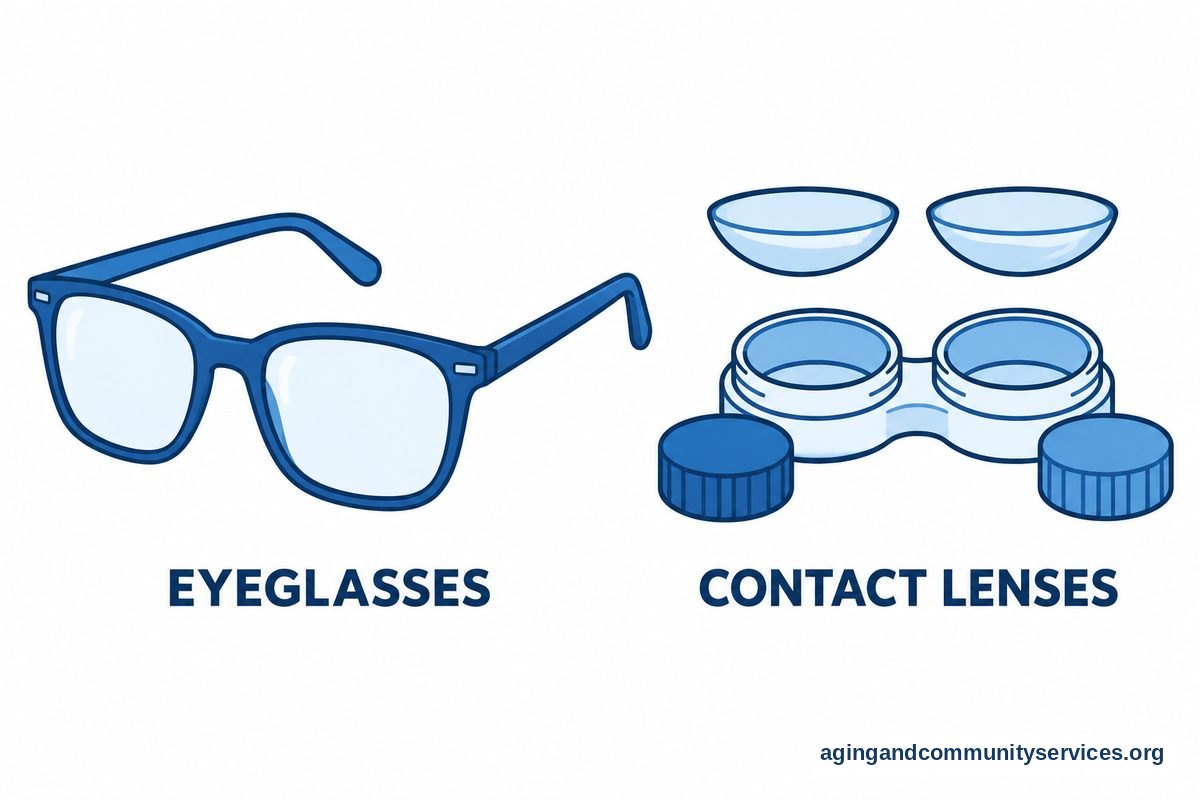
- Post-cataract eyewear: Medicare covers one pair of standard eyeglasses or contact lenses after cataract surgery that implants an intraocular lens.
If you have questions about vision conditions or corrective lenses, it is always a good idea to speak with a doctor or eye care specialist about your needs.
Vision Coverage Through Medicare Advantage Plans
Many people get their Medicare benefits through a private plan known as Medicare Advantage, or Part C. These plans must provide the same basic medical coverage as Original Medicare, but many also choose to include extra benefits.
Many Medicare Advantage plans include routine vision benefits like yearly eye exams, lens allowances, and discounts on frames. Because coverage differs by plan, you should call your plan provider directly to ask about your network, copays, and benefit limits.
Other Ways to Find Eye Care Help
If you have Original Medicare and need help paying for routine care, other programs may be able to assist. Many people seek out broader vision and eyeglass help for seniors through community non-profit groups and state agencies.
Here are several programs that may offer support:
- EyeCare America: This program from the American Academy of Ophthalmology connects eligible people aged sixty-five and older with volunteer ophthalmologists. If you have not seen an eye doctor in several years, you may receive a medical eye exam, often at no out-of-pocket cost. You can learn more directly through eyecare america.
- Medicaid: Medicaid coverage of adult eye exams and glasses varies by state. If you qualify for your state Medicaid program, check with your local office to see what vision benefits are offered.
- Lions Clubs: Local Lions Clubs collect and recycle eyeglasses and help with eye care in many communities across the country.
- Veterans benefits: Eligible veterans can get routine eye care and eyeglasses through VA health care. You can read about enrollment and services through VA health benefits.
Steps You Can Take Next
Taking practical steps today can help you locate affordable eye care options in your local area. You do not have to navigate these systems alone.
- Review your current coverage: Look at your insurance cards to see whether you have Original Medicare, a Medicare Advantage plan, or supplemental coverage. Call the customer service number on the back of your card to ask about your specific eye benefits.
- Contact local aging resources: Area Agencies on Aging serve every part of the country. You can find yours through the Eldercare Locator by calling 1-800-677-1116 or visiting eldercare.acl.gov. They can connect you with local clinics and support groups.
- Call the 211 helpline: Dialing 211 connects you to operators who can refer you to community health centers and low-cost vision resources nearby.
- Use online benefit screeners: Visit the National Council on Aging website to use BenefitsCheckUp, which screens for public and private benefits you may qualify for.
- Check with your state agency: Program rules are set federally but run by states and counties. Because eligibility and availability vary by state and change over time, always confirm details directly with the program or agency before scheduling an appointment.
Frequently Asked Questions
Do seniors get free eye exams under regular Medicare?
Original Medicare does not provide free routine eye exams. However, you can read more about whether seniors get free eye exams through volunteer programs and community clinics that serve older adults.
Are prescription glasses free for seniors who have Medicare?
Medicare does not pay for everyday glasses, with the exception of one pair after cataract surgery with an intraocular lens. To explore other programs that might assist with costs, learn more about whether prescription glasses are free for seniors through non-profit groups and state aid.
Do elderly get free glasses through community programs?
Some community groups and charities help older adults find low-cost or donated frames. For more information on local programs, see our guide on how the elderly get free glasses through volunteer organizations and recycled eyewear drives.
Does Medicare cover eye exams if you have diabetes?
Yes. Part B covers a yearly eye exam for diabetic retinopathy if you have been diagnosed with diabetes. The exam must be performed by an eye doctor who is legally licensed to provide that service in your state.