

This fall prevention for elderly at home checklist covers the main rooms, walking paths, and daily situations that can affect safety at home. Use it as a slow walk-through, checking one area at a time and writing down changes that feel realistic.
The goal is not to make a home feel clinical. It is to make normal routines easier, clearer, and less rushed. The National Institute on Aging says simple home and health steps can lower the risk of falls, and its falls prevention guidance is a helpful place to start.
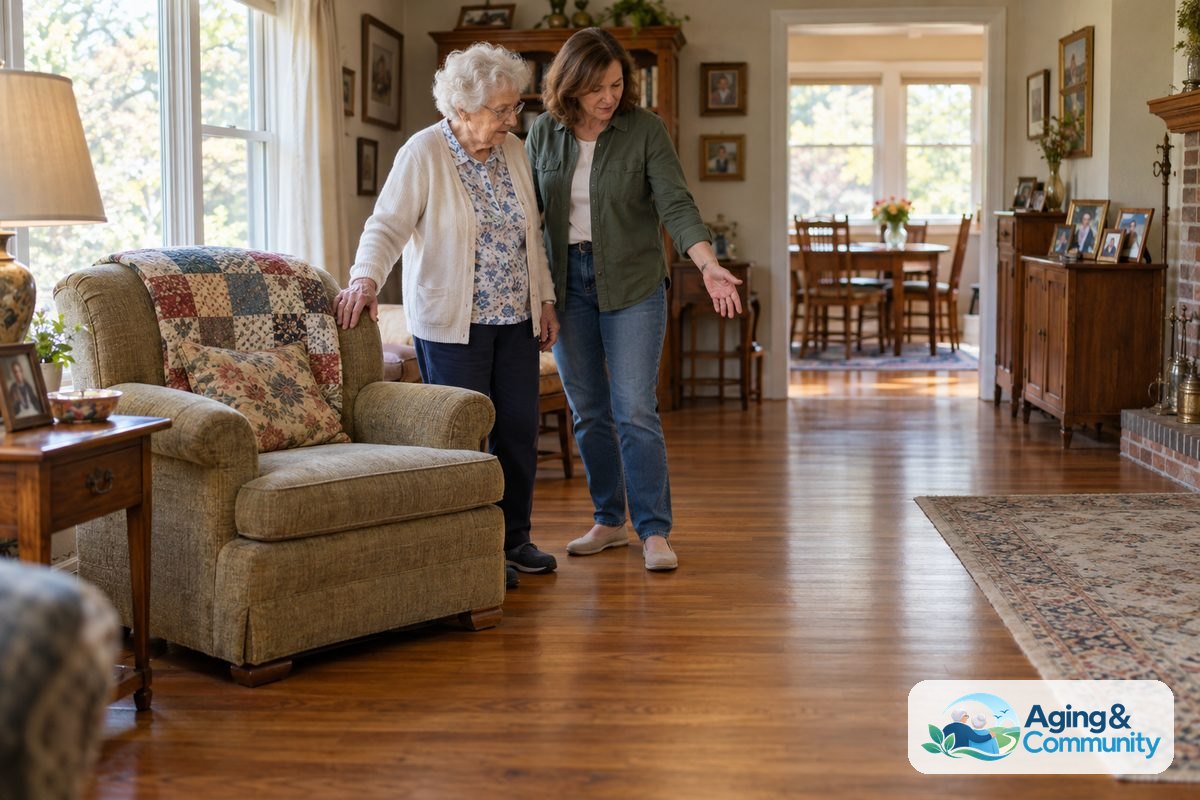
Entryways and Front Steps
- Check that the walkway to the door is even, clear, and easy to see.
- Add a bright outdoor light near each entrance used after dark.
- Move planters, packages, shoes, and hoses away from walking paths.
- Replace loose doormats with mats that have a firm, non-slip backing.
- Check handrails on porch steps and tighten any that wobble.
- Add contrast tape or paint to step edges if they are hard to see.
- Keep salt, sand, or traction supplies near the door during icy weather.
Living Room and Common Areas
- Check that there is a wide, clear path from room to room.
- Move low tables, footstools, baskets, and magazine racks out of walkways.
- Replace curled rugs or secure them with non-slip backing.
- Add lamps or brighter bulbs where shadows make furniture hard to judge.
- Check that favorite chairs are steady and easy to get in and out of.
- Move phone chargers and cords along walls instead of across open floors.
- Keep frequently used items within easy reach to reduce stretching or climbing.
For a broader room-by-room review, a home safety checklist can help families notice small hazards that are easy to miss during a normal day.
Kitchen and Dining Area
- Move everyday dishes, pans, and food to shelves between waist and shoulder height.
- Replace step stools that wobble with a sturdy model that has a handle.
- Check that spills are wiped up right away, especially near the sink and stove.
- Add non-slip mats only if they lie flat and do not bunch at the edges.
- Move pet bowls away from the main walking path.
- Keep a light within reach before walking into the kitchen at night.
- Check that dining chairs do not slide too easily on smooth floors.
Bathroom
- Check that the path to the toilet, sink, and shower is clear.
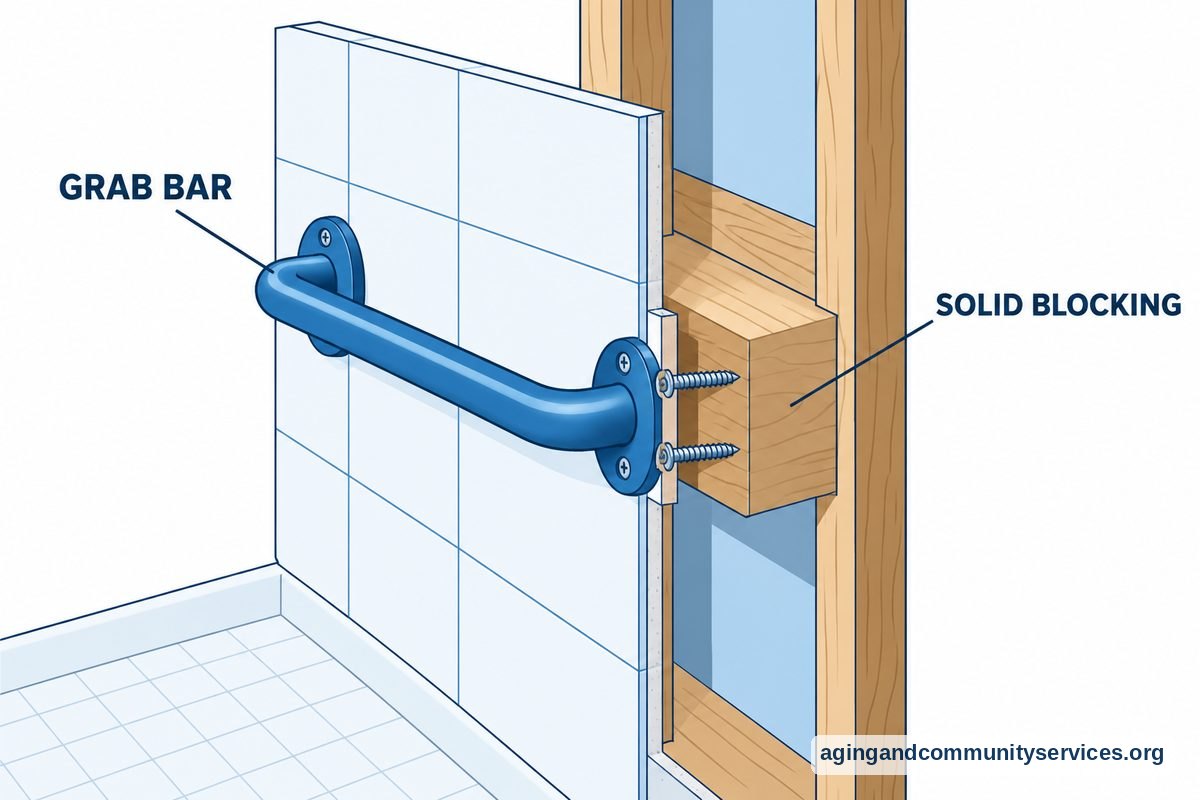
- Add grab bars near the toilet and inside the tub or shower, installed into solid support.
- Replace towel bars used for balance with proper grab bars.
- Add non-slip strips or a non-slip mat inside the tub or shower.
- Move shampoo, soap, and towels within easy reach before bathing.
- Check that bath mats outside the tub have a non-slip backing.
- Consider a shower chair or hand-held shower if standing to bathe feels tiring.
- Talk with an occupational therapist about bathroom changes if transfers feel difficult.
Bathrooms often need special attention because water, tile, and tight spaces can make movement harder. A guide to bathroom safety can help you plan changes without guessing.
Bedroom
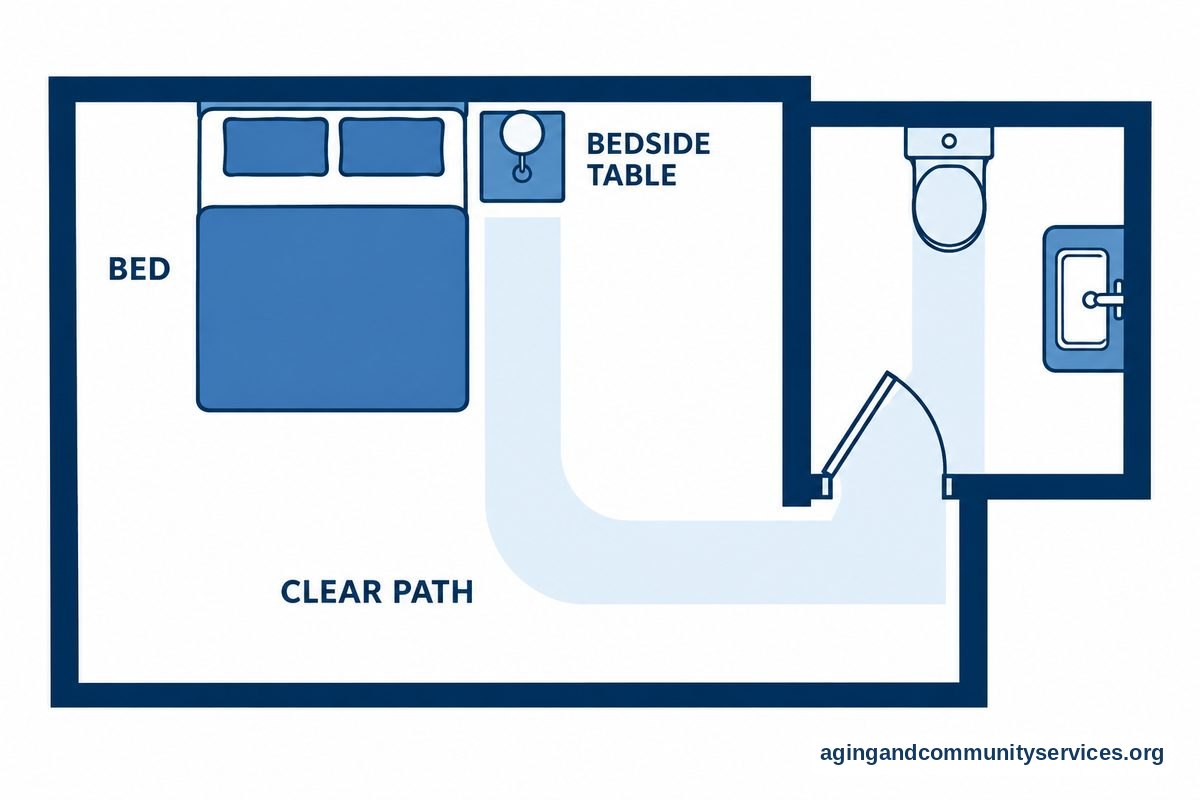
- Check that the route from the bed to the bathroom is clear every night.
- Add a lamp, touch light, or motion light within reach of the bed.
- Move shoes, laundry baskets, and bedding away from the floor path.
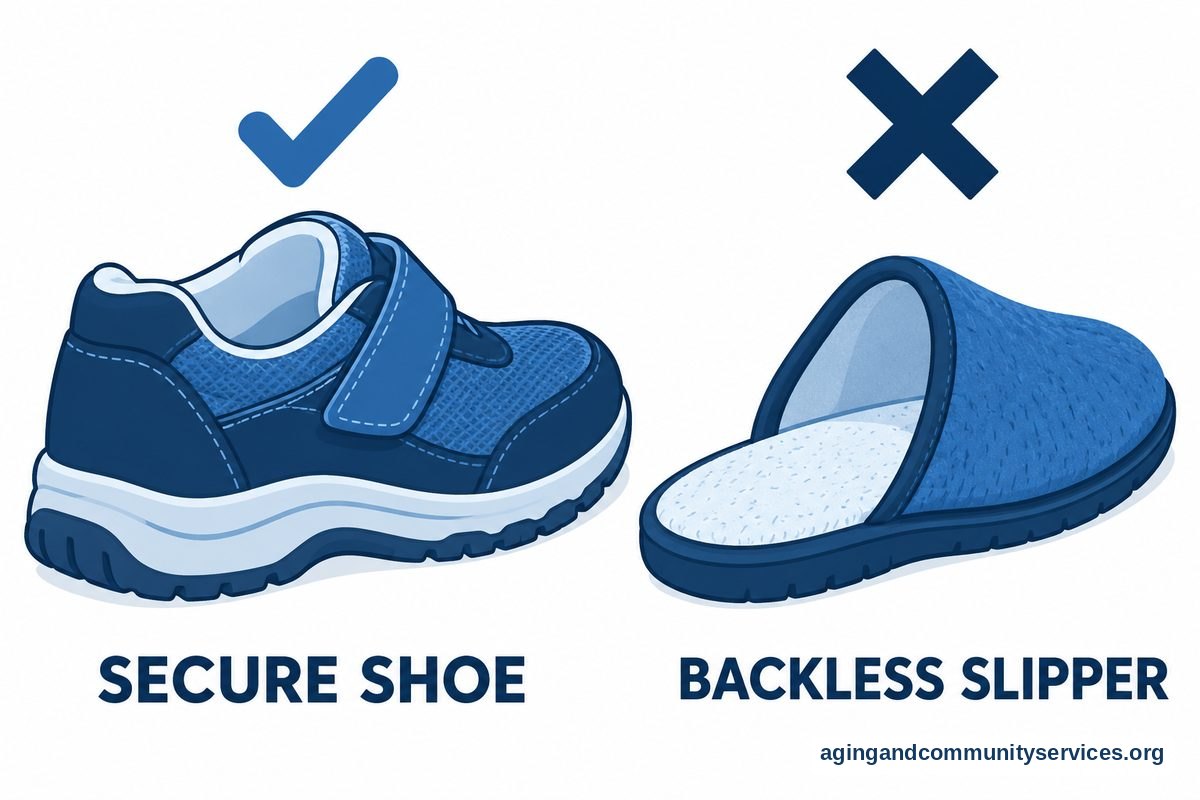
- Replace slippery slippers with footwear that has a closed back and good tread.
- Check that the bed height allows feet to rest flat on the floor when sitting.
- Keep glasses, hearing aids, a phone, and water on a stable bedside table.
- Add a nightlight in the hallway if the bathroom is outside the bedroom.
Stairs and Hallways
- Check that every stairway has a secure handrail, ideally on both sides.
- Add bright lighting at the top and bottom of stairs.
- Replace loose stair coverings or repair torn carpet right away.
- Move shoes, bags, laundry, and boxes off the stairs and hallway floor.
- Add contrast to the edge of each step if depth is hard to see.
- Check that hallway rugs are flat, secure, and not a tripping concern.
- Keep one hand free when using stairs, rather than carrying large loads.
If stairs are used often, review stair safety ideas before making changes. A physical therapist can also suggest safer ways to climb, turn, and carry items.
Floors, Rugs, and Clutter
- Check each room for loose rugs, raised thresholds, and uneven floorboards.
- Move clutter into bins, shelves, or closets instead of leaving it on the floor.
- Replace frayed carpet or tape down edges until a repair can be made.
- Add cord covers where cords must cross a path, or move furniture to avoid them.
- Keep pet toys, leashes, and bedding out of main walking areas.
- Check transitions between rooms, especially where carpet meets tile or wood.
- Use clear storage spots for canes, walkers, and other mobility items.
Lighting and Visibility
- Check that light switches are easy to reach at room entrances.
- Add nightlights in the bedroom, bathroom, hallway, and kitchen.
- Replace dim or burned-out bulbs as soon as possible.
- Move lamps closer to reading chairs, beds, and work areas.
- Add motion-sensor lights in areas used at night.
- Check glare from windows, shiny floors, and mirrors during the day.
- Keep eyeglasses clean and placed in the same easy-to-find spot.
Footwear and Clothing
- Check shoes for worn soles, loose stitching, or poor grip.
- Replace backless slippers or loose sandals with shoes that stay on the foot.
- Choose clothing that does not drag on the floor or catch underfoot.
- Move robe ties, long belts, and cords away from walking paths.
- Keep a pair of safe indoor shoes near the bed if walking barefoot feels unsteady.
- Ask a podiatrist or doctor about foot pain, numbness, or shoe fit concerns.
Medications, Vision, and Health Routines
- Check medication labels and schedules with a pharmacist or doctor if dizziness or sleepiness occurs.
- Ask a doctor whether any medicine timing could affect steadiness.
- Schedule vision and hearing checks as recommended by the care team.
- Keep glasses, hearing aids, and mobility aids in consistent places.
- Talk with a physical therapist about balance, strength, and safe movement exercises.
- Share recent slips, near falls, or worries with a doctor instead of brushing them aside.
- Review alcohol use with a clinician if it affects balance, sleep, or alertness.
The National Council on Aging offers helpful context on falls prevention, including why home setup, strength, vision, and medicines all matter. For home changes that are larger than a simple repair, this guide to home modifications may help you plan next steps.

Pets, Visitors, and Daily Habits
- Check where pets like to sleep, eat, and move during busy parts of the day.
- Add a bell or bright collar if a small pet is hard to see.
- Move pet bowls, toys, and beds away from doorways and tight corners.
- Ask visitors to place shoes, bags, and gifts away from walking paths.
- Keep delivery packages outside the walking path until they can be moved safely.
- Use a small table near the door for keys, mail, and glasses.
- Plan slower routines for times when the home is crowded or busy.
Getting In and Out of Chairs, Beds, and Cars
- Check that chairs have firm seats, stable arms, and a height that supports standing.
- Move favorite seating away from low rugs or slippery floor spots.
- Add a firm cushion only if it does not slide or make the chair unstable.
- Practice standing slowly and pausing before walking.
- Keep a cane, walker, or other aid within reach before getting up.
- Ask a physical therapist to review safe transfer methods if standing is difficult.
- Check that car entry areas are well lit and clear of ice, leaves, or clutter.
Emergency Readiness at Home
- Keep a phone within reach in the rooms used most often.
- Add emergency contacts near the phone in large, easy-to-read print.
- Check that house numbers are visible from the street for helpers or visitors.
- Move a spare key plan to a trusted person or secure lockbox if appropriate.
- Review how to call for help without rushing across the home.
- Keep a list of medications, allergies, and doctors in a known place.
- Talk with family or caregivers about what to do after a fall or near fall.
How to Use This Checklist
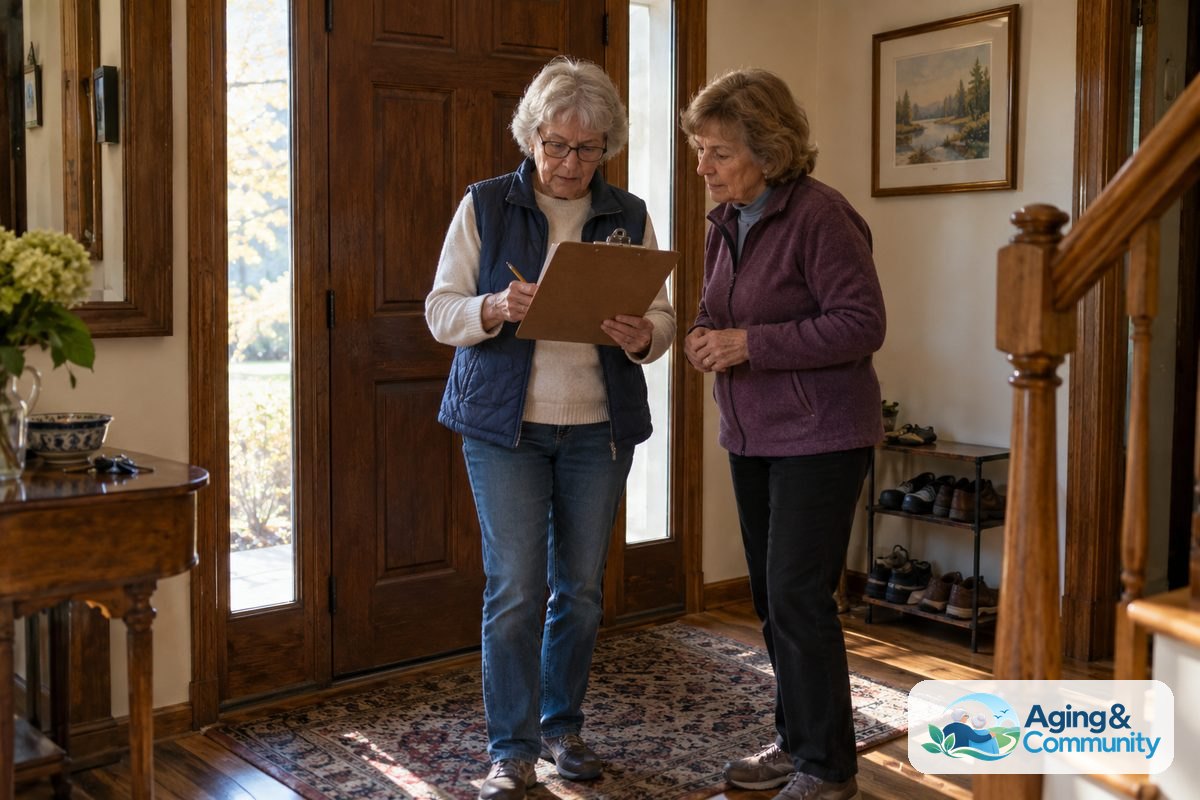
Walk through the home during the time of day when each area is used most. Check the bedroom and bathroom at night or early morning, the kitchen during meal prep, and entryways when the light is low.
It helps to have another person join the walk-through. A family member, trusted friend, caregiver, physical therapist, or occupational therapist may notice different things. If balance, weakness, dizziness, vision changes, or medicine side effects are concerns, speak with a doctor or therapist before choosing major changes.
Repeat this home fall prevention checklist after any change in health, medicine, vision, mobility, or home layout. Also review it after repairs, new furniture, seasonal weather changes, or a move. Small updates often work better than trying to fix everything in one day.
Use a simple rating as you go: done, needs help, or later. That keeps the checklist practical and reduces pressure. Start with the walking paths, lighting, bathroom, and stairs because those areas affect daily movement the most.
Frequently Asked Questions
What should be on a senior fall prevention home checklist?
A senior fall prevention home checklist should cover floors, rugs, lighting, stairs, bathrooms, footwear, medicines, and daily routines. It should also include outdoor entryways, pets, cords, and items that are often carried from room to room.
How is a home safety checklist for fall prevention different from a regular cleaning list?
A cleaning list focuses on tidiness. A home safety checklist for fall prevention looks at how a person moves through the home, where balance is needed, and what might make walking, turning, reaching, or standing harder.
How often should I use a fall prevention checklist for home safety?
Use it at least seasonally and whenever something changes. Good times include after a hospital stay, a new medicine, new glasses, a change in walking ability, new furniture, or a home repair.
Who can help with fall risk prevention at home?
A doctor can review health concerns and medicines. A physical therapist can look at strength, balance, and movement. An occupational therapist can suggest safer ways to set up rooms, bathrooms, stairs, and daily tasks.
What are the most important fall home care prevention steps to start with?
Start by clearing walking paths, improving lighting, securing rugs, adding bathroom support, and checking stairs. Then review shoes, medicines, vision, and the routines that happen when someone is tired or in a hurry.
Can one checklist work for every home?
One checklist can give a strong starting point, but every home has different rooms, habits, and needs. Add notes for the person who lives there, and ask a professional for guidance when a change affects health, mobility, or transfers.