

Home health for seniors who live alone can include skilled visits, personal help, home safety changes, and regular check-ins. The right mix depends on the person’s health, daily routine, home setup, and how much help family or friends can provide.
Many people want to stay in a familiar home for as long as it feels safe and workable. A good plan does not take away independence. It adds support around the parts of daily life that have become harder to manage alone.
What Home Health Can Mean at Home
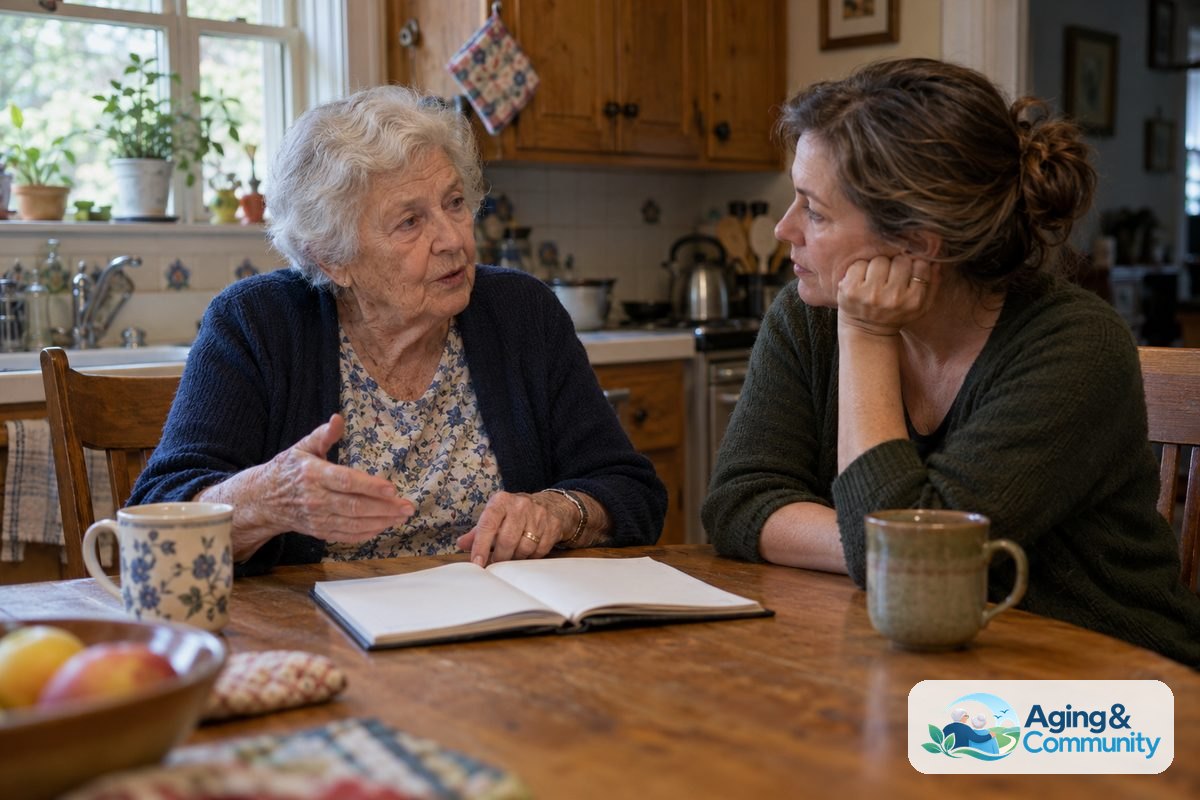
Home health is often used in different ways. Sometimes it means skilled care ordered by a doctor, such as nursing, physical therapy, or occupational therapy at home. Other times, families use the phrase to mean a wider set of aging in place services, such as help with meals, bathing, rides, errands, and safety checks.
It helps to separate medical support from daily living support. A doctor, physical therapist, or occupational therapist can help decide whether skilled home care is needed. Family members can also look at what is hard during a normal week.
- Skilled home health: Visits from licensed health professionals when ordered by a doctor.
- Personal care: Help with bathing, dressing, grooming, toileting, and moving around the home.
- Homemaker help: Light cleaning, laundry, simple meals, and basic errands.
- Companion care: Social visits, reminders, walks, games, and help keeping a routine.
- Safety support: Home changes, check-in systems, and fall risk review.
If the main concern is whether someone can manage daily life alone, a guide to living alone safely can help frame the conversation in a practical way.
Common Aging in Place Services
Aging in place services are the supports that help a person remain at home while needs change. They do not all need to start at once. Many families begin with the hardest task, then add help as routines change.
The National Institute on Aging explains that aging in place often takes planning around home safety, transportation, daily care, and social connection. A written plan can make choices feel less rushed.
| Need at Home | Helpful Service | What It Can Do |
|---|---|---|
| Meals are hard to prepare | Meal delivery or in-home meal help | Supports regular meals and reduces kitchen stress |
| Bathing feels unsteady | Personal care aide | Helps with bathing, dressing, and grooming |
| Getting to appointments is hard | Ride services or family ride plan | Makes travel more dependable |
| The home has trip hazards | Home safety review | Finds changes that may make rooms easier to use |
| Family worries about isolation | Companion visits or check-in calls | Adds social contact and routine contact |
Some communities also have adult day programs, chore services, caregiver support, and help with benefits. The Eldercare Locator can help families find local agencies and programs without guessing where to start.

How to Decide What Help Is Needed
Start with a calm look at daily life. The question is not whether the person is doing everything perfectly. The question is where a little help would make the day safer, easier, and less tiring.
Try walking through a normal day from morning to night. Notice what takes extra time, what gets skipped, and what causes worry. Include the person who lives at home in the discussion as much as possible.
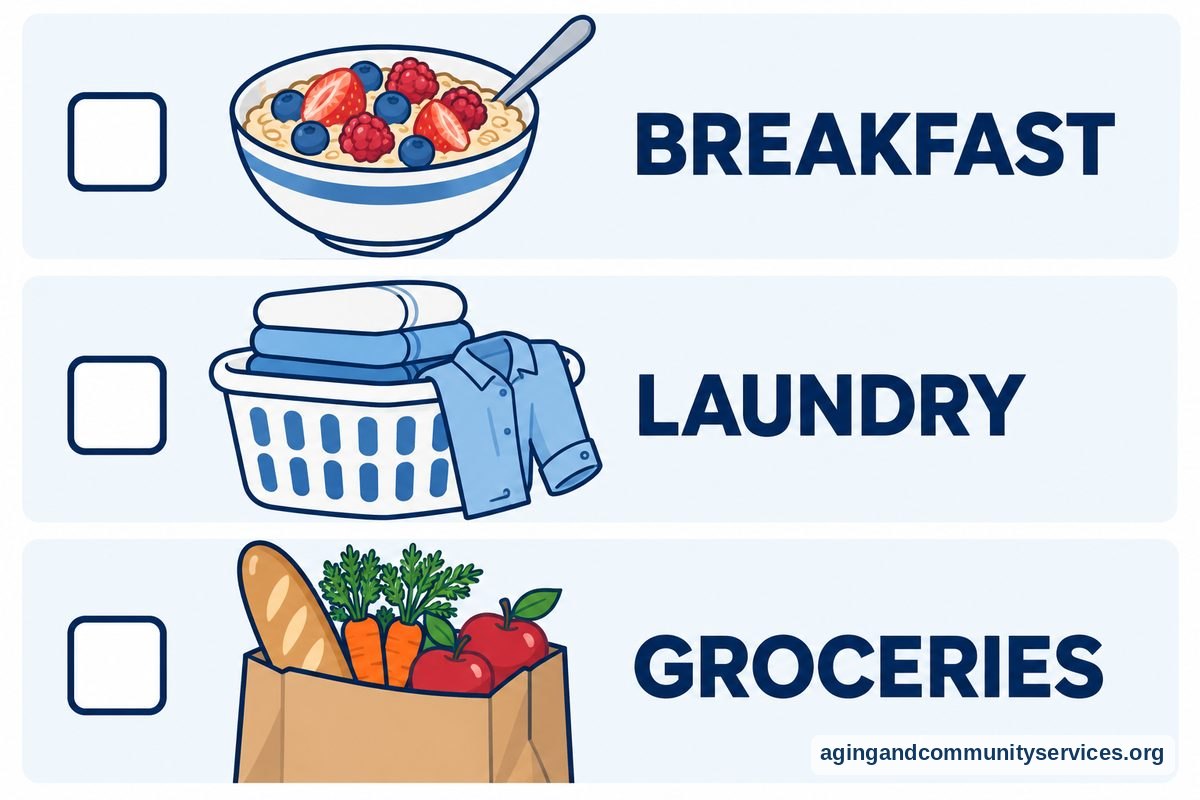
- Morning: Getting out of bed, bathing, dressing, taking medicines as directed, and eating breakfast.
- Daytime: Meals, laundry, cleaning, mail, phone calls, rides, and social time.
- Evening: Dinner, locking doors, setting out items for the next day, and bedtime routine.
- Weekly needs: Groceries, trash, bills, appointments, yard care, and home repairs.
- Safety concerns: Stairs, rugs, lighting, bathroom setup, pets, and emergency plans.
It may also help to read about elderly living alone if the family is trying to understand what support matters most. A doctor, physical therapist, or occupational therapist can give guidance when walking, balance, bathing, or transfers have become harder.
Home Safety and Fall Risk
Home safety is a key part of living alone. Small changes can make daily movement easier, especially in bathrooms, bedrooms, stairs, and kitchens. The goal is to reduce hazards while keeping the home comfortable and familiar.
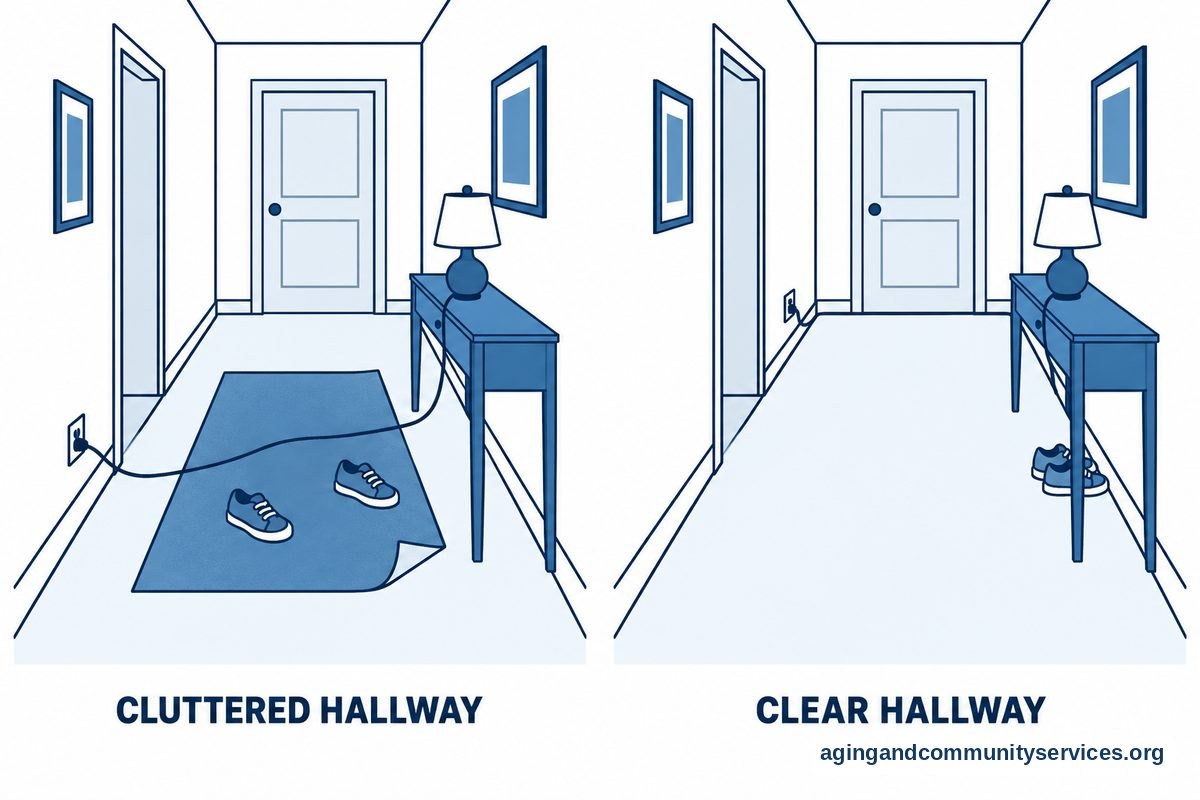
The National Institute on Aging says that changes such as removing clutter, improving lighting, and using handrails can lower fall risk. If there has been a recent fall, near fall, or new trouble walking, speak with a doctor or physical therapist before making a plan.
- Remove loose rugs or secure them well.
- Keep walkways clear of cords, shoes, boxes, and low furniture.
- Add brighter bulbs in halls, stairs, and entryways.
- Place often used items within easy reach.
- Use grab bars in the bathroom when recommended and installed safely.
- Make sure railings are steady on both sides of stairs when possible.
A room-by-room home safety checklist can make this task easier to handle. Families may also ask an occupational therapist about safer ways to bathe, cook, dress, and move through the home.
Ways to Check In Without Taking Over
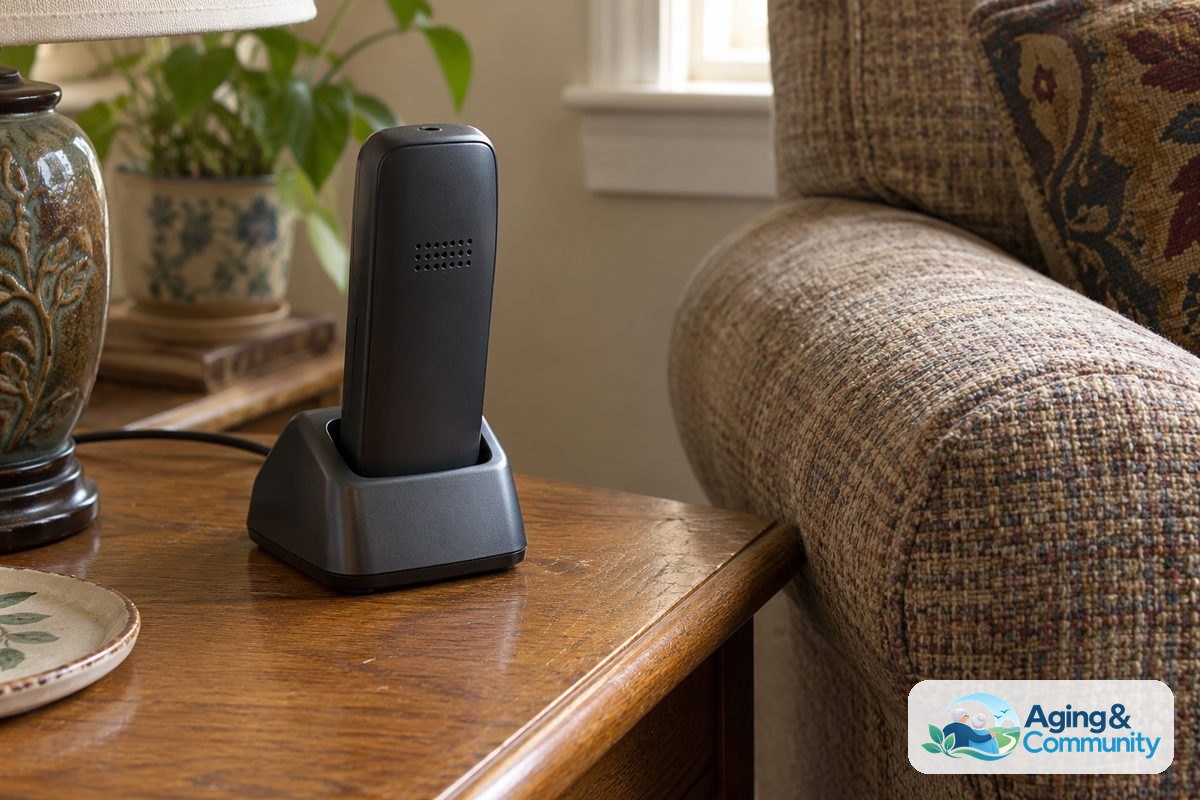
Regular check-ins can support independence when they are respectful and predictable. The person living alone should know who will call, when visits may happen, and what to do if plans change. This keeps support from feeling like surprise supervision.
Choose a check-in plan that fits the person’s habits. Some people like a morning phone call. Others prefer a text, a shared calendar, or a short visit a few times a week.
- Daily call: A short call at the same time each day.
- Shared calendar: A simple way to track appointments, visitors, and rides.
- Neighbor contact: One trusted nearby person who can be called if needed.
- Medication routine: A pill organizer or reminder system, with a pharmacist or doctor involved when questions come up.
- Emergency plan: A clear list of who to contact and where key information is kept.
If the family is unsure how much contact is enough, a guide on monitoring someone living alone can help balance privacy with support. The best plan is simple enough that everyone can follow it.
What Family Members Can Do Next
The next step is to make one practical plan, not solve every concern at once. Start with the area that causes the most stress, such as bathing, meals, transportation, or checking in. Then build from there.
- Ask what feels hardest. Begin with the person’s view of daily life, not only the family’s worries.
- List weekly tasks. Write down meals, laundry, rides, medicine routines, bills, cleaning, and social plans.
- Choose one service to explore. Consider personal care, meal help, transportation, companion visits, or a home safety review.
- Talk with a professional when needed. Ask a doctor, physical therapist, or occupational therapist about walking, balance, bathing, or safe transfers.
- Create a contact sheet. Include family, neighbors, doctors, pharmacy, home care agency, and preferred hospital.
- Review the plan often. Needs can change, so set a regular time to see what is working.
Safety planning does not need to feel harsh. A practical page on safety at home alone can help families talk about risks in a respectful way.
Frequently Asked Questions
What are aging in place services?
Aging in place services are supports that help a person remain at home as daily needs change. They may include home health, personal care, meal help, rides, home safety changes, companion visits, and local community programs.
Is home health the same as personal care?
Not always. Home health often refers to skilled care ordered by a doctor, such as nursing or therapy visits. Personal care usually means help with daily tasks such as bathing, dressing, grooming, and getting around the home.
How do I know if living alone is still working?
Look at daily routines, not just one event. Notice meals, hygiene, walking, home upkeep, bills, transportation, social contact, and how the person responds to small problems. If several areas are getting hard, more support may be useful.
What services help someone stay at home longer?
Helpful services may include meal delivery, transportation, personal care, homemaker help, companion visits, home safety changes, and check-in systems. The right mix depends on the home, health needs, family support, and personal preferences.
Who can assess a home for safety?
An occupational therapist can often look at how a person uses the home and suggest safer ways to manage daily tasks. A physical therapist may help with walking, balance, and movement concerns. Some local aging agencies may also know about home safety programs.
How can family help without taking away independence?
Start by asking what kind of help would feel useful. Offer choices, keep routines predictable, and explain why each support is being considered. Small changes, such as a set call time or help with one weekly task, can make support feel more respectful.