

Understanding how exercise can prevent falls in elderly adults starts with looking at how our bodies stay upright. Regular physical activity builds leg strength, sharpens balance, and improves reaction times so you can catch yourself if you slip. According to the National Institute on Aging, staying active is one of the most reliable ways older adults can lower the risk of falling.
Building the Muscle Power That Keeps You Upright
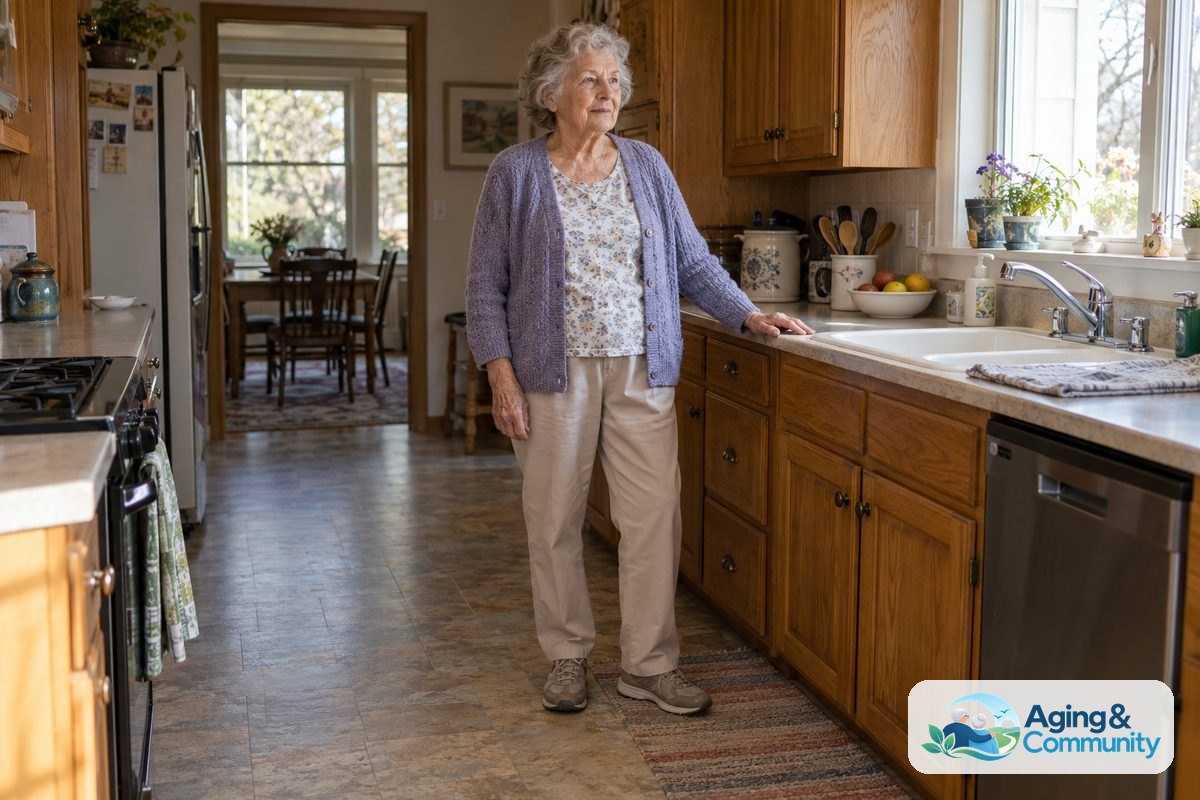
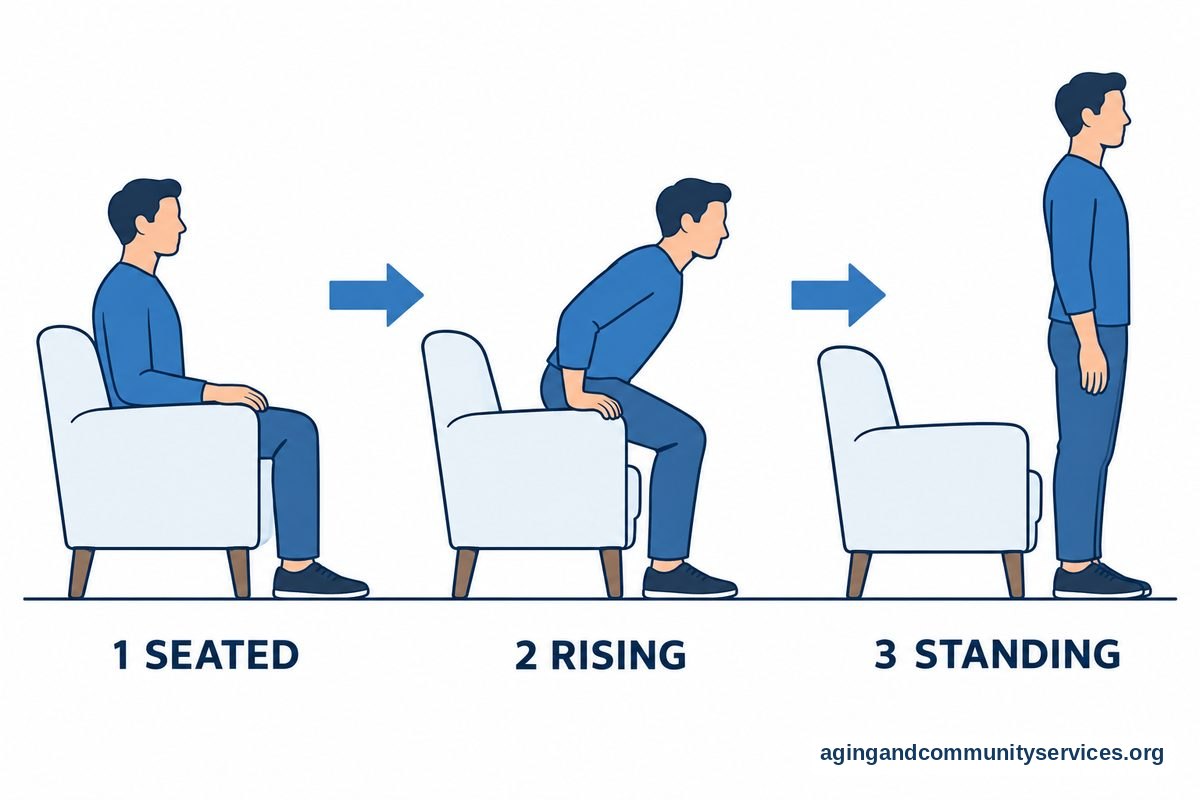
As the years go by, our bodies naturally lose a small amount of muscle mass each season. This gentle decline often affects the large muscle groups in the thighs, hips, and calves first. When those lower body muscles grow tired or weak, simple actions like standing up from a favorite armchair or stepping over a raised doorway become much harder.
Targeted strength training works directly against this gradual loss of strength. When you practice gentle resistance exercises, your muscles rebuild the power needed to support your full body weight smoothly. Having dependable leg power means your knees are far less likely to give out when you make a sudden turn or step off a sidewalk curb.
Core strength is another vital piece of the puzzle. The muscles in your abdomen, lower back, and pelvis act as a central anchor for your whole body. When your core is strong, your upper body stays balanced over your feet, reducing accidental tipping when you reach for an item on a high shelf.
Sharpening Balance and Sensory Awareness
Balance is not just about muscle; it is also a skill that your brain practices every single day. Deep inside your muscles, joints, and inner ears, tiny sensory receptors constantly tell your nervous system where your limbs are positioned. This internal sense helps you adjust your footing without having to stare down at the floor while walking.
When you practice specific balance movements, you train these internal sensors to communicate faster with your brain. Activities such as standing on one foot near a sturdy counter or walking heel to toe along a hallway wake up dormant pathways. You can learn more about practical routines by exploring fall prevention exercises for seniors to see how simple daily drills make a difference.
Better sensory awareness also helps when you move across changing surfaces. Stepping from a thick living room carpet onto a slick kitchen tile requires your ankles to make fast micro-adjustments. Regular practice keeps your ankles responsive so they do not roll or wobble unexpectedly.
Speeding Up Reflexes and Reaction Times
Most slips do not lead to an injury if you can react within a fraction of a second. If your toe catches the edge of a rug, a quick step forward or backward instantly restores your base of support. When people are inactive, those natural protective reflexes can slow down just enough to turn a small trip into a tumble.
Exercise keeps your neural connections firing quickly. When you move your body in varied directions, your brain becomes accustomed to processing motion and delivering rapid instructions to your feet. Practicing steady movement patterns trains your body to automatically take that saving recovery step without hesitation.
Coordinated group movements or structured classes provide excellent training for these quick reactions. Many communities offer structured fall prevention programs for seniors that focus on safe stepping drills under the watchful eye of a trained instructor. These classes help build the muscle memory needed to handle unexpected surprises in daily life.
Improving Joint Flexibility and Walking Patterns
Stiff joints can drastically change the way you walk over time. When your ankles, knees, or hips lose their normal range of motion, you might begin to shuffle your feet rather than lifting them cleanly off the floor. Shuffling makes it far easier for your shoes to catch on small bumps, cords, or uneven sidewalk cracks.
Gentle stretching and mobility work restore flexibility to tight tendons and ligaments. With looser joints, your natural walking stride becomes smoother, taller, and more confident. Lifting your feet completely clear of the ground with each stride cuts down the chances of catching a toe on a hazard.
A healthy walking rhythm also conserves energy throughout the day. When moving requires less physical effort, you feel less fatigued during afternoon errands or family visits. Tired bodies are much more vulnerable to stumbles, so keeping your joints loose helps you stay alert and steady from morning until night.
Boosting Daily Energy and Movement Confidence
The fear of having an accident often causes people to cut back on their favorite outings and hobbies. Unfortunately, sitting still out of worry leads to weaker muscles, which actually makes a slip more likely down the road. It becomes a quiet cycle where less activity creates less stability.
Engaging in regular physical routines breaks that cycle by restoring trust in your own abilities. As you notice yourself walking with a firmer step and rising from chairs with less effort, your self-assurance returns. This renewed confidence allows you to move freely through your home and neighborhood without constant anxiety, even when choosing a walk-in tub vs shower for you.
Comprehensive safety planning pairs this physical strength with smart daily habits. Taking time to review comprehensive fall prevention for seniors can help you identify practical ways to make your living space easier to navigate. Feeling strong in a secure home gives you the freedom to focus on enjoying your day.
Practical Next Steps to Get Moving Safely
Beginning a new physical routine does not require special equipment or intense gym workouts. You can take sensible, non-medical steps right at home to support your balance and stay safe while staying active.
- Talk with your doctor, a physical therapist, or an occupational therapist before changing your routine to find movements matched to your personal needs.
- Start with simple standing exercises right next to a sturdy kitchen counter or heavy dining chair that you can hold for support.
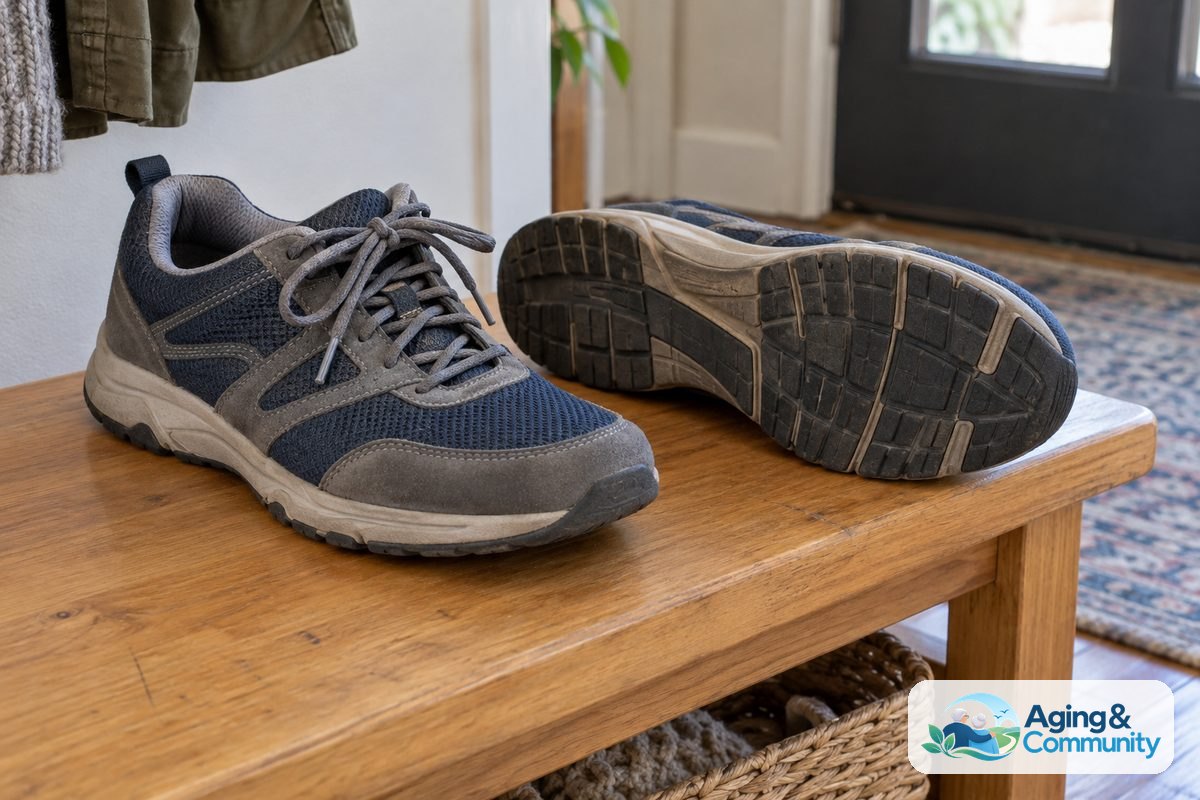
- Wear supportive, well-fitting footwear with low heels and non-skid rubber soles during all movement sessions.
- Clear walking paths in your home by moving loose throw rugs, electrical cords, and low footstools away from high-traffic hallways.
- Keep your movement sessions short and consistent, aiming for ten to fifteen minutes once or twice each day rather than one long, exhausting workout.
- Connect with the Eldercare Locator to ask about evidence-based wellness classes hosted at neighborhood community centers.
Frequently Asked Questions
What types of activities are best for building balance?
Gentle activities that focus on leg control and posture work very well. Popular options include gentle forms of tai chi, seated leg lifts, heel-to-toe walking along a wall, and simple chair stands. Working with a physical therapist can help you select the exact movements that match your current comfort level.
How often should an older adult practice these movements?
Consistency is much more helpful than intensity. Many people find success by practicing balance drills for ten minutes every day, while adding light strength routines two or three days a week. Always listen to your body and take rest breaks whenever you feel fatigued.
Can someone who uses a cane or walker still participate?
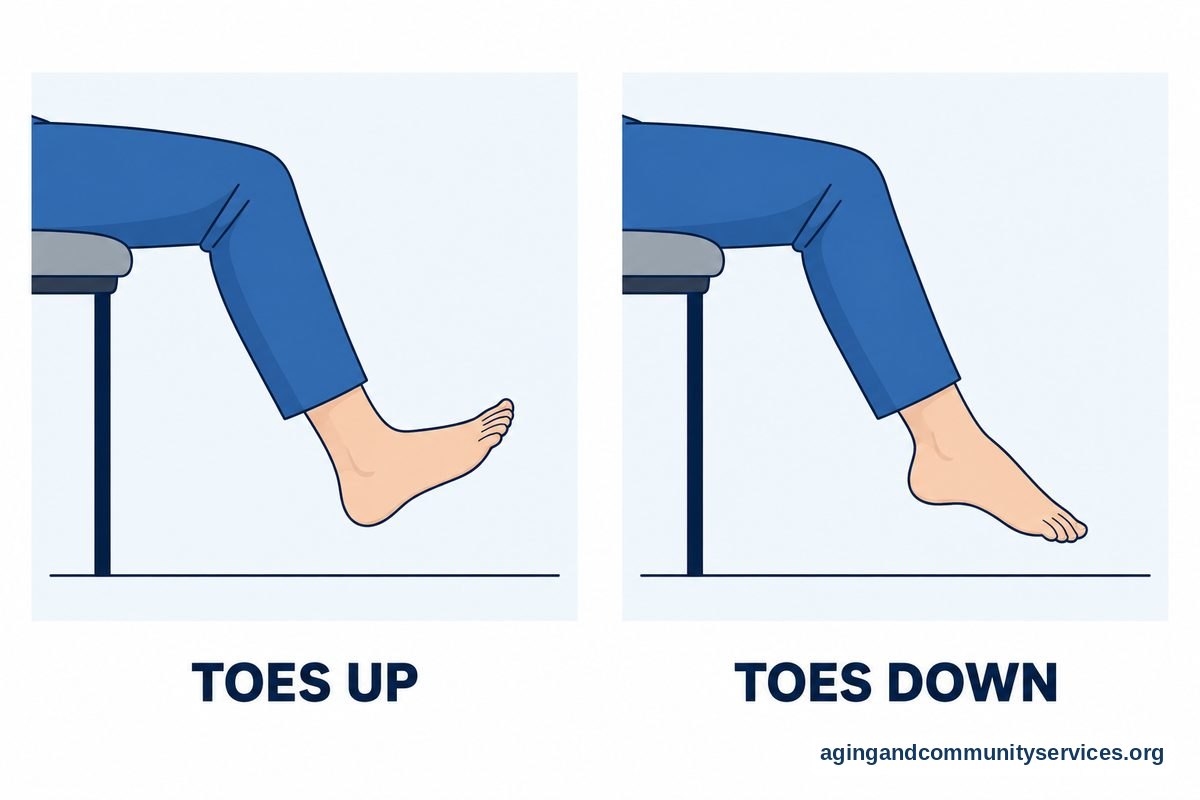
Yes, many helpful routines can be completed while seated in a sturdy armchair or while holding onto a walking aid. Seated leg extensions, ankle circles, and seated posture adjustments still build strength and improve circulation safely. An occupational therapist can suggest specific seated routines that fit your space.
Is it normal to feel unsteady when trying new movements?
A mild sense of working your muscles is common, but you should never feel dizzy or in danger of falling while practicing. Always perform new balance activities with a solid support nearby, such as a countertop or a stable railing. If dizziness occurs, sit down immediately and discuss the symptom with your healthcare provider.