

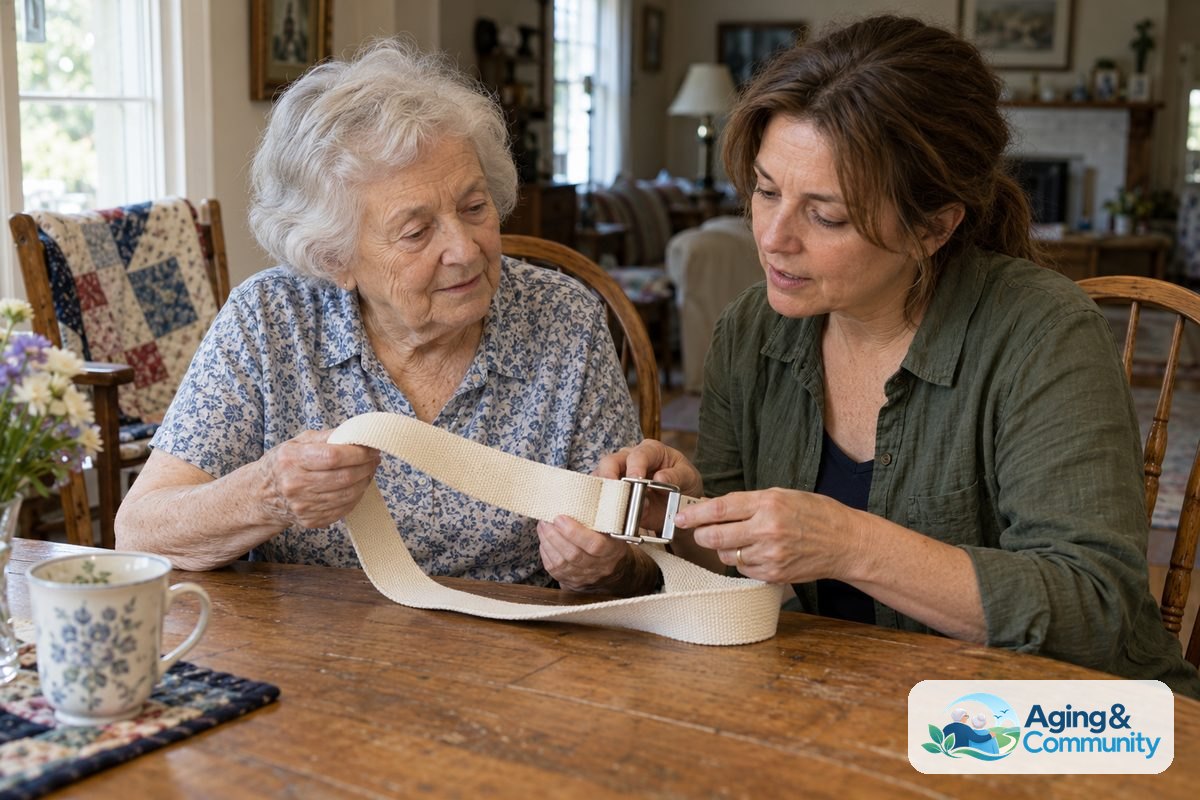
Learning how to choose a gait belt comes down to matching the strap material, buckle style, and size to the daily needs of your loved one. A well-fitted belt gives you a secure place to hold while assisting someone as they stand, walk, or sit. Taking time to select the right belt can bring comfort to both the person moving and the person offering support.
Understanding Gait Belt Materials
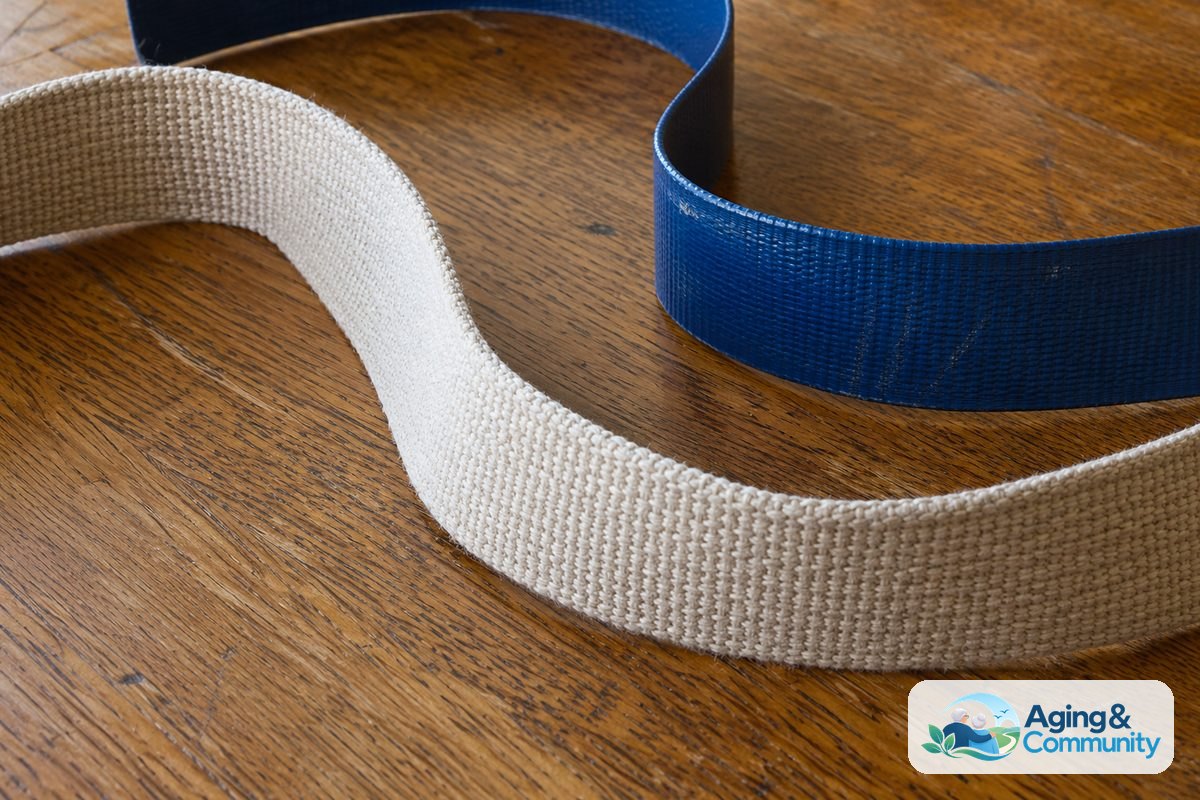
Gait belts are commonly made from two main materials: heavy-duty cotton canvas and coated synthetic webbing. Each material serves a specific purpose depending on where and how you plan to use it.
Cotton canvas is the traditional choice for everyday home use. It is soft against the body, flexible, and breathes well over clothing. Cotton belts are comfortable for older adults who have sensitive skin or who need light support while walking around the house. Most cotton options can be washed in a home laundry machine, though they must air dry to keep the fibers strong.
Wipe-clean synthetic belts, often made from coated vinyl or biothane, are popular in clinical settings and homes where moisture is a concern. If you plan to assist someone into a shower or bathroom, synthetic materials repel water and do not stay damp. They also resist bacteria and can be sanitized with a disinfectant wipe in seconds. While they are slightly stiffer than cotton, they provide great durability for frequent daily transfers.
Comparing Buckle Types: Metal versus Quick-Release
The closure on a belt is just as important as the fabric. The two most common buckle options are metal pass-through buckles and plastic quick-release buckles. Both have clear benefits depending on your hand strength and daily routine.
Metal teeth buckles work by threading the strap through a metal loop equipped with ridged teeth. Once pulled tight, the teeth grip the fabric firmly so it cannot slip. This design offers a very secure hold that will not accidentally pop open. However, threading and unthreading a metal buckle can be tricky for caregivers who live with arthritis or stiff fingers.
Plastic quick-release buckles snap together just like the clasp on a car seat or backpack. They click securely into place and release with a gentle squeeze on the sides. Many family caregivers prefer quick-release closures because they are fast to put on and take off. If you pick a plastic buckle model, ensure the plastic is thick and high-grade so it remains dependable during movement.

Selecting the Right Width and Length
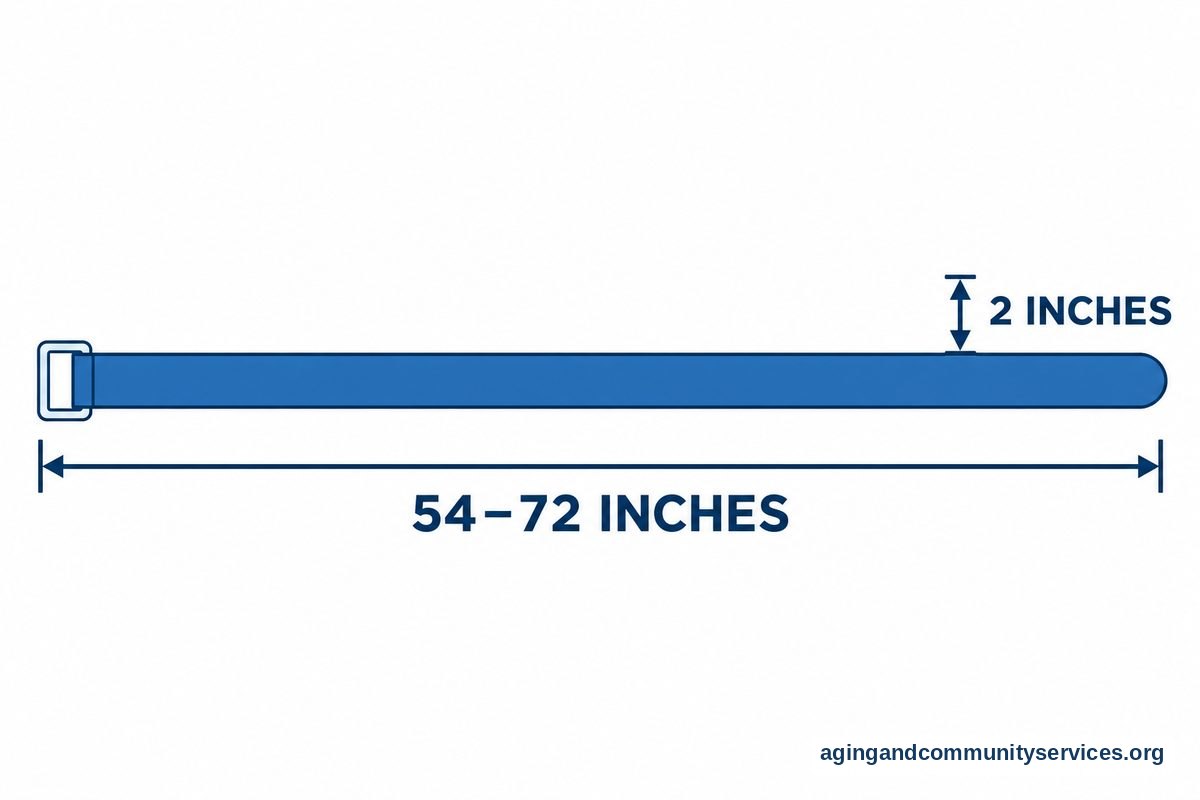
Getting the right size ensures that the belt does not slide up under the ribs or pinch the waist during use. Most transfer belts come in a standard width of two inches, which distributes pressure evenly across the waist without digging in.
Some specialized belts measure three to four inches wide or include padded back panels. Wider designs offer extra comfort for individuals who need significant assistance when standing up from a low chair. Padded options help spread support across a broader area, which can protect fragile skin.
Belt length typically ranges from 54 inches to 72 inches, with bariatric options reaching 100 inches or more. To find the correct length, measure the person around their natural waistline over regular clothing. Add at least 10 to 12 inches to that measurement. This extra length ensures you have enough excess strap to weave securely through the buckle and tuck away cleanly.
| User Waist Size | Recommended Belt Length | Best Buckle Style |
|---|---|---|
| Up to 36 inches | 54 inches | Metal teeth or plastic quick-release |
| 36 to 48 inches | 60 inches | Metal teeth or plastic quick-release |
| 48 to 58 inches | 72 inches | Metal teeth or heavy-duty plastic |
| 58 inches and above | 84 to 100 inches | Heavy-duty metal pass-through |
Deciding Between Plain Belts and Padded Belts with Handles
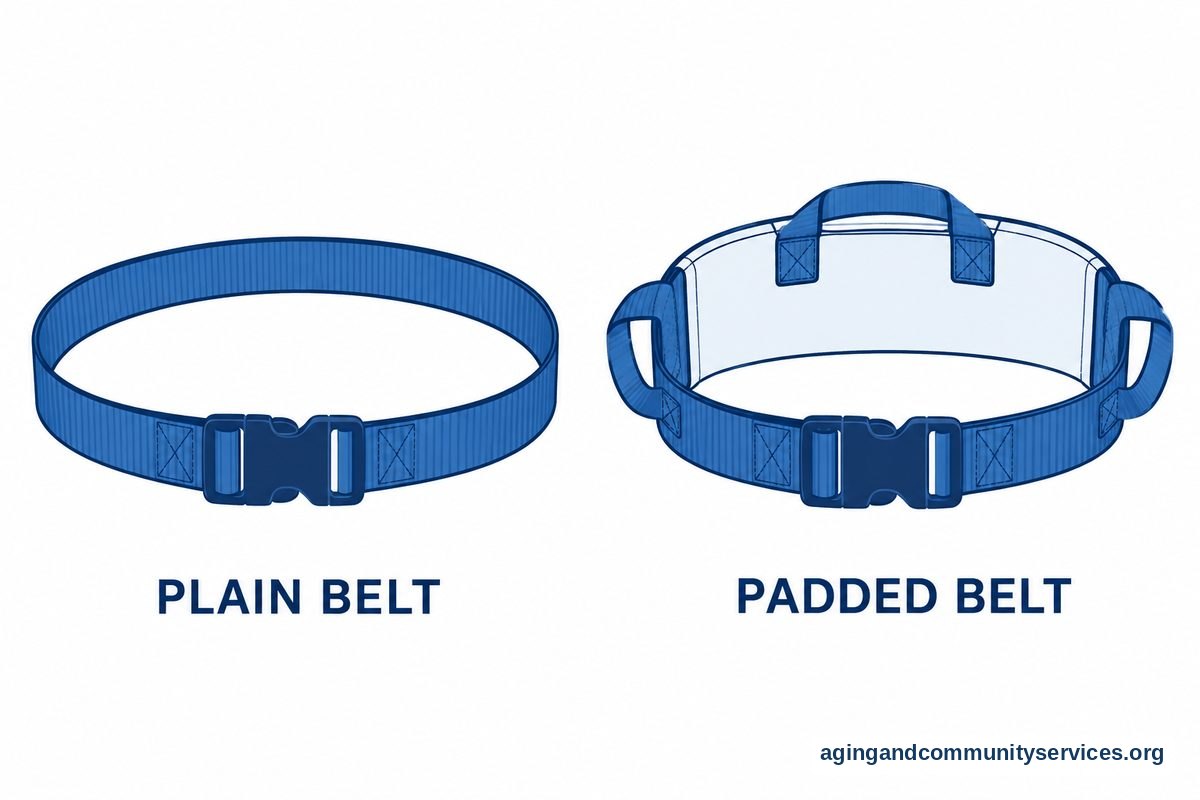
A standard gait belt is simply a long strap with a buckle. Caregivers grasp the strap from underneath with an upward palm grip to help guide movement. While simple belts work well for steady walkers, belts equipped with built-in handles offer alternative hold points.
Belts with handles feature fabric loops stitched along the sides and back. These handles give caregivers multiple secure places to place their hands without having to curl their fingers under a tight strap. They can be especially helpful if there is a noticeable height difference between you and the person you are assisting.
Padded belts often include these vertical and horizontal handles along with a wider lumbar section. If your daily routine involves moving from a bed to a wheelchair, reviewing well-made gait belts for elderly family members can help you compare padded models that cushion the back. Pairing safe movement habits with home safety guidance from the National Institute on Aging: Falls and Falls Prevention resources can support your efforts to build a safer home environment.
Matching the Belt to Other Transfer Needs
A gait belt is often part of a broader set of supportive tools. For instance, if an individual has difficulty lifting their feet or bearing full weight, you might use a belt in combination with a slide board. Understanding how to use a transfer board while gently guiding someone by their belt allows for seated moves that require less lifting effort from you.
For seated transfers between a wheelchair and a recliner, exploring transfer boards for seniors can provide additional stability. When choosing your belt, think about whether it will interfere with other equipment. Plain, two-inch cotton straps tend to work best with seated transfer boards because they do not bunch up behind the hips when someone is in a seated position.
What to Do Next
Once you have an idea of the type of belt you need, take a few simple steps before making your final choice:
- Measure your loved one around the waist while they are wearing typical daytime clothing, such as a sweater or trousers.
- Assess your own hand grip strength to decide whether a plastic snap buckle or a metal friction buckle will be easier for you to manage every day.
- Consider the primary room of use; choose water-resistant coated materials if you need the belt for bathroom transfers.
- Read the instructions on how to use gait belt straps properly so you feel comfortable with hand placement and posture.
- Consult a physical therapist or occupational therapist to verify that your chosen belt fits the specific mobility level of your loved one.
- Check out support programs through the Eldercare Locator to find local caregiver training classes in your area.
Frequently Asked Questions
Can a gait belt be used to lift someone up?
A gait belt is designed to guide and steady a person, not to lift their full body weight off the floor or furniture. Pulling upward on a belt with full force can cause discomfort or strain your back. It should always be used as a secure holding point while the person pushes up using their own leg or arm strength.
How tight should a gait belt be?
A gait belt should fit snugly around the waist so it does not slide upward toward the armpits when you hold it. A dependable rule of thumb is the two-finger check: you should be able to slide two flat fingers comfortably between the belt and the person clothing. If you cannot slip two fingers underneath, it is too tight; if you can fit your whole fist, it is too loose.
Where should the belt sit on the body?
The belt should generally be placed around the natural waistline, just above the hips and below the ribs. If the person has had recent abdominal surgery, has a feeding tube, or finds waist placement uncomfortable, speak with a physical therapist. A therapist can show you safe alternative placements or suggest other transfer supports.
How do I clean a gait belt?
Cotton canvas belts can usually be washed in a standard washing machine with mild detergent and warm water. It is best to place them inside a mesh laundry bag so the buckle does not strike the inside of the washer drum, then let them air dry. Coated synthetic belts should not be machine washed; instead, wipe them down thoroughly with warm soapy water or disinfectant wipes and allow them to dry completely before use.
Can I leave a gait belt on all day?
Gait belts are designed for active transfers and assisted walking, not for continuous wear. Leaving a belt on while someone is resting in a chair or bed can cause pressure against the skin and lead to discomfort. It is best to remove the belt once the person is safely seated and reapply it when they are ready to stand or move again.