

Knowing how to choose a hearing aid provider starts with finding a licensed professional who listens to your daily communication concerns. A trustworthy hearing aid provider offers thorough evaluations, clear trial periods, and ongoing care to help you adjust to your new devices. Taking your time to compare local clinics ensures you find a supportive partner for your long-term journey.

Understand the Different Types of Providers
When you begin your search, you will likely see two main types of hearing professionals. Both can help you test your hearing and select suitable devices, but their training and scope of work differ.
Audiologists hold doctoral or master’s degrees in hearing science. They evaluate complex hearing balance issues, fit devices, and work closely with medical doctors when deeper ear health issues arise. Hearing instrument specialists focus primarily on testing adult hearing and selecting, fitting, and maintaining devices. Both professionals must hold valid state licenses to practice.
If you suspect an underlying physical issue like sudden hearing changes, ear pain, or fluid drainage, always speak with a medical doctor first. For general support and community resources, the Eldercare Locator can also connect families with local aging services that help locate nearby clinics.
Verify Credentials and Clinic Services
Before booking an appointment, take a few minutes to check the background of the clinic. A high quality practice will be transparent about their staff, their training, and the services they include with every visit.
- Confirm state licensing through your state licensing board website.
- Ask if the provider works with multiple device manufacturers rather than just one exclusive brand.
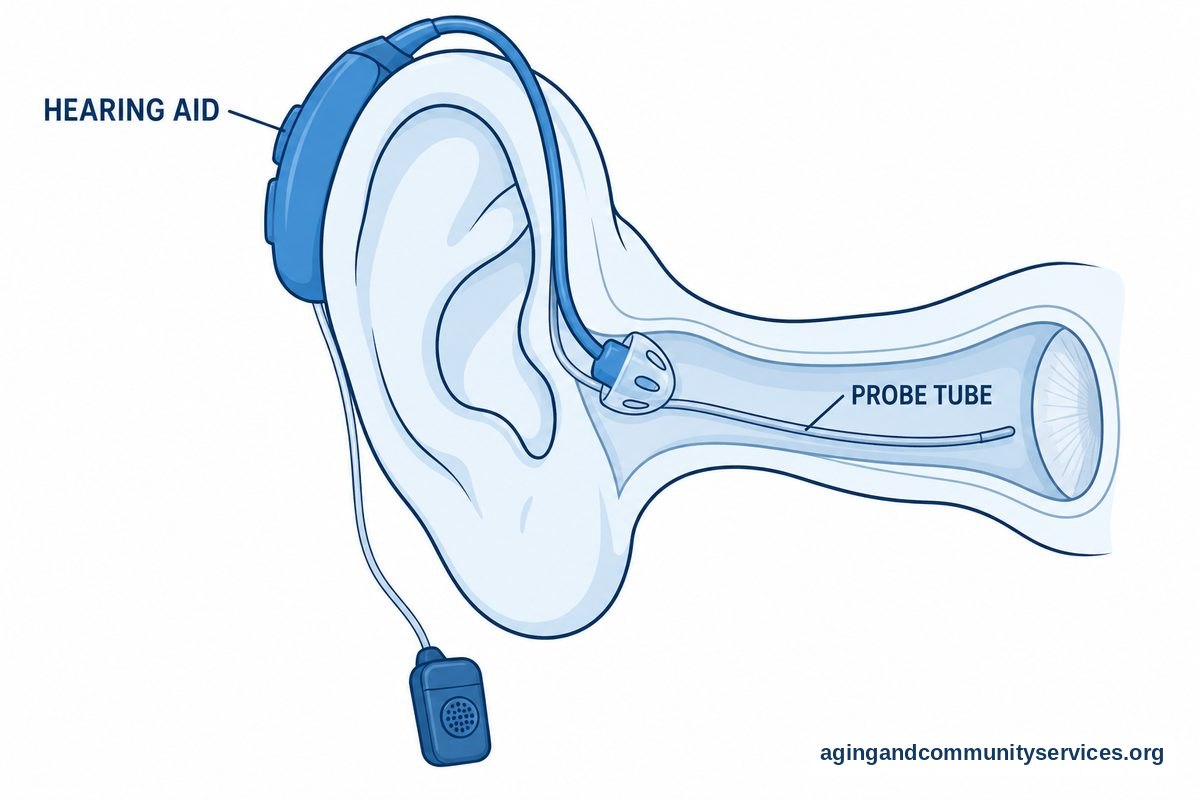
- Check whether they perform real-ear measurement, a verification method that ensures your devices match your exact ear shape.
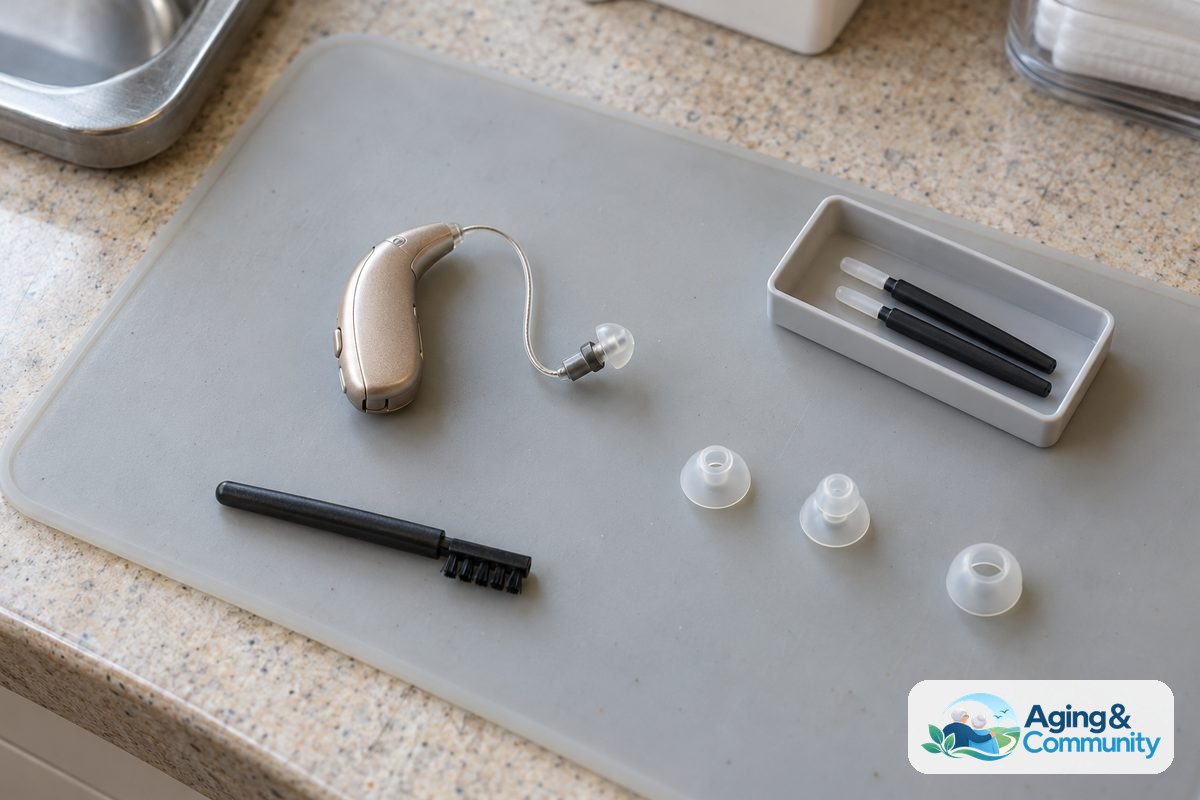
- Ask about regular maintenance, cleaning services, and walk-in repair hours.
A good clinic will welcome these questions. Providers who care about your comfort will want you to feel confident in their expertise before you ever sit in the testing booth.
Look for Clear Trial Periods and Policies
Adjusting to amplified sound takes time for your brain and ears. Because of this adjustment phase, you should never feel pressured to keep a device that does not work well for your lifestyle.
Most states require a mandatory trial period, which often ranges from thirty to sixty days. Ask your provider to give you their trial terms in writing before you complete any purchase. Make sure the written agreement clearly states what fees, if any, are non-refundable should you return the devices during the trial window.
It also helps to understand the difference between prescription medical devices and over the counter options. Reading about a hearing aid vs hearing amplifier can give you valuable background before you discuss advanced features with your clinician. If your provider seems rushed or dismissive about return policies, consider looking for another office.
Review Ongoing Support and Bundled Care
Hearing devices require regular fine-tuning, filter changes, and occasional software updates. When you choose a clinic, you are entering a relationship that may last for several years.
Many clinics use what is called bundled pricing. This means your initial payment covers the devices, the fitting, and all follow-up visits for a set period, such as one to three years. Other clinics use unbundled pricing, where you pay a lower amount upfront for the device and pay a separate fee for each follow-up visit.
Ask the office staff to outline what their package includes. Regular tune-ups are essential for older adults who want their devices to perform well across different environments, from quiet living rooms to crowded family dinners. Reliable communication keeps you connected with loved ones and supports safe aging in place over time.
Consider Location, Comfort, and Communication
Convenience matters more than most people expect. Because you will likely visit your clinic several times during the first few months, choosing an office close to home can save you a lot of effort.
Notice how the front desk staff treats you when you call to ask questions. Are they patient, clear, and willing to explain things simply? A warm, respectful environment makes every follow-up visit far more pleasant.
You should also feel comfortable speaking openly with your provider. A good specialist will ask about your hobbies, your home life, and where you struggle most to hear. If you find yourself in noisy restaurants often, or if you prefer watching television at home, your provider should tailor your settings to match those specific moments.

What to Do Next
Taking the first steps toward better hearing does not have to feel overwhelming. You can begin from the comfort of your home with a few simple actions.
- Write down a list of three to five situations where you struggle to hear clearly, such as phone calls, family gatherings, or background noise.
- Ask friends, family members, or your primary care doctor for personal recommendations of clinics they trust.
- Review your insurance paperwork to understand your benefits, and read up on does medicare cover hearing aid services so you know what out of pocket costs to anticipate.
- Call two local clinics to ask about their trial periods, real-ear verification, and appointment availability.
- Schedule a comprehensive consultation and bring a trusted family member or friend along to take notes and support you.

Frequently Asked Questions
What questions should I ask during my first consultation?
Ask the clinician about their experience, which manufacturers they work with, and what steps they take to verify your fit. You should also ask about the length of the trial period, what follow-up care is included, and how repairs are handled if an instrument stops working.
How do I know if I need a hearing aid or another device?
A licensed provider will perform an exam to check your hearing levels. Depending on your results, you can explore how to choose a hearing aid that fits your routine. For more severe conditions, your provider might discuss advanced medical options, such as comparing a hearing aid vs cochlear implant with an ear specialist.
Can I bring someone with me to my appointment?
Yes, bringing a companion is highly recommended. A familiar voice helps the clinician test how well you hear everyday speech, and a family member can help you remember the care instructions and settings discussed during the visit.
What is real-ear measurement and why does it matter?
Real-ear measurement is an objective test where the clinician places a tiny microphone inside your ear canal while you wear your device. This test measures the exact sound volume arriving at your eardrum, ensuring your device provides the right volume for your unique ear shape.
How often will I need to see my provider after the fitting?
Most people visit their clinician two or three times during the first two months for small adjustments. After that initial period, routine checkups once or twice a year are usually enough to clean the devices, test your hearing, and update settings as needed.