

Knowing how to choose a knee scooter comes down to matching the device to your body size, your home layout, and your daily travel needs. A good knee scooter supports your injured leg comfortably while letting your strong leg push you forward with steady control. Taking time to weigh wheel types, weight capacity, and braking systems will help you find a model that keeps you steady on your feet.
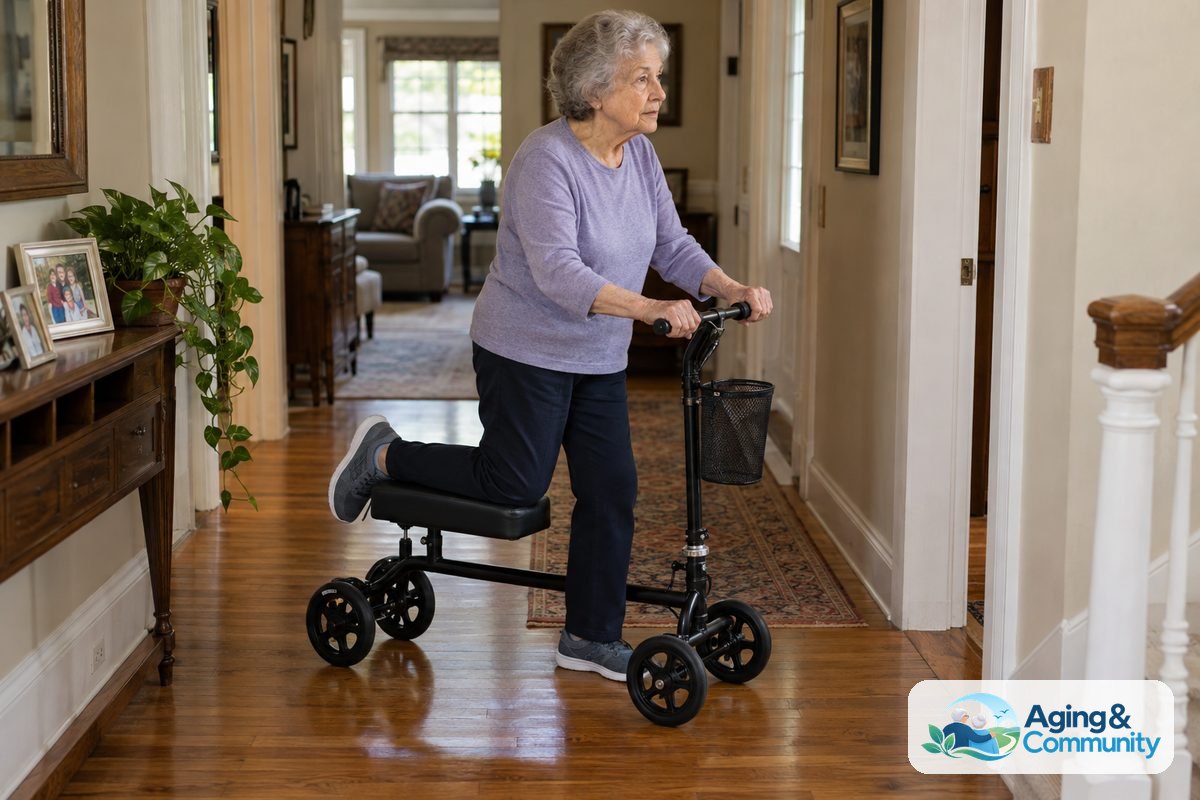
Look Closely at the Wheel Type and Size
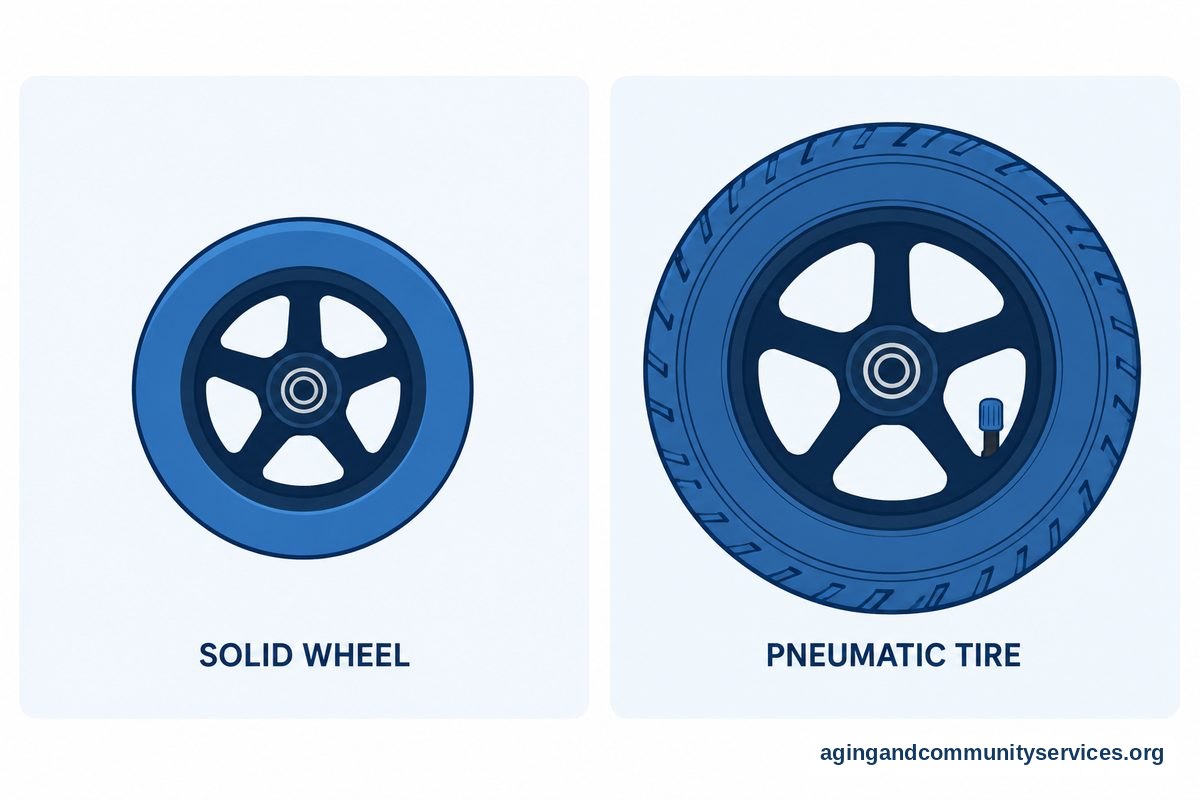
The wheels on a mobility device dictate where you can travel smoothly. Small, hard wheels perform nicely on level indoor flooring like hardwood, tile, and low-pile carpet. They turn in tight circles, which makes moving through a small kitchen or bathroom much easier.
If you plan to walk outside on sidewalks, driveways, or packed gravel paths, you will want larger, air-filled tires. Air-filled wheels cushion your knee against bumps and cracked concrete. Hard plastic wheels can catch on sidewalk cracks, which may bring the device to a sudden stop.
- Indoor wheels: Smooth polyurethane wheels measuring six to eight inches work well for indoor halls.
- All-terrain wheels: Air-filled rubber tires measuring nine to twelve inches absorb shocks on grass and dirt.
- Hybrid wheels: Medium rubber wheels offer a decent middle ground if you split your time between rooms and paved patios.
Check the Pad Shape and Cushioning
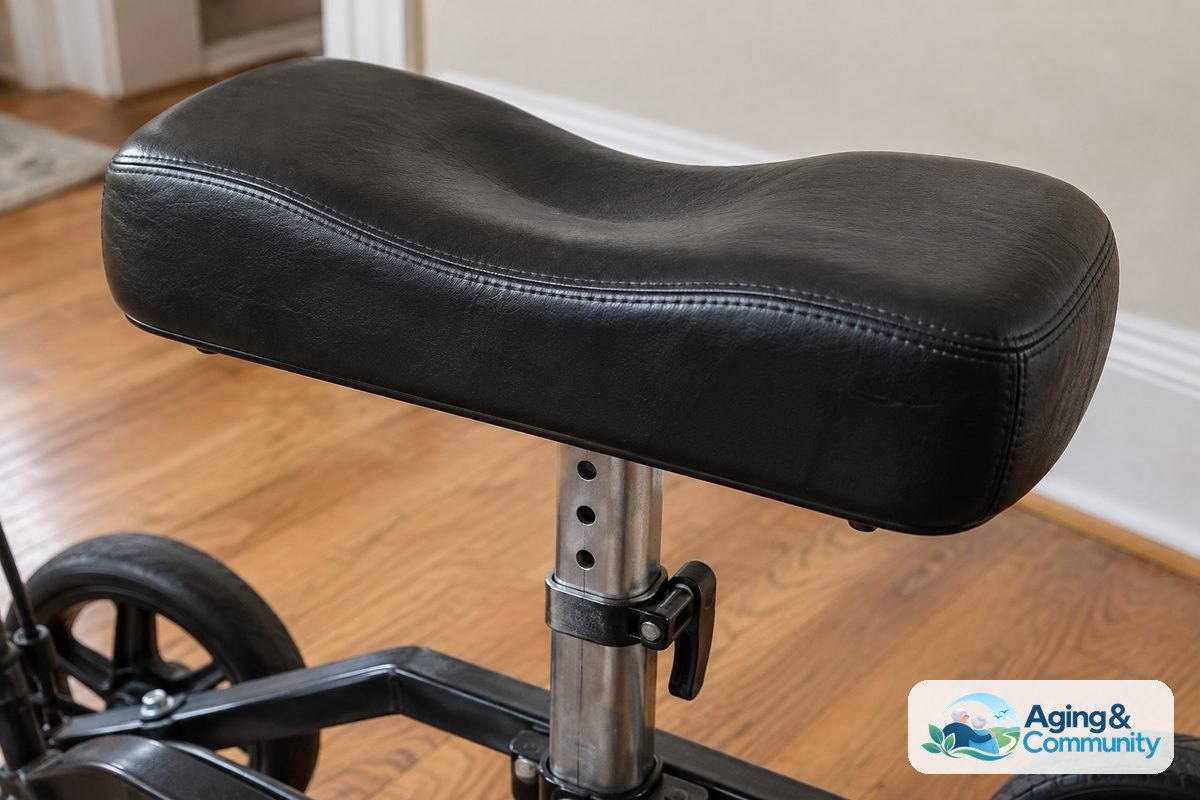
Your healing leg rests on the knee pad for hours each day. A pad that is too hard can cause soreness in your shin, while a pad that is too soft will not support your balance. Many modern models feature a contoured pad with a slight dip down the center.
A contoured pad keeps your leg from sliding side to side as you push. If you need extra softness, look for models made with memory foam or thick gel layers. You can also purchase sheepskin or memory foam slipcovers later if the factory pad feels firm against your knee joint.
Make sure the pad height adjusts without complex tools. When you set the height, your resting leg should bend at a natural ninety-degree angle while your hips stay level. A physical therapist can check your posture to confirm your pelvis remains balanced while you glide.
Examine the Braking System and Steering
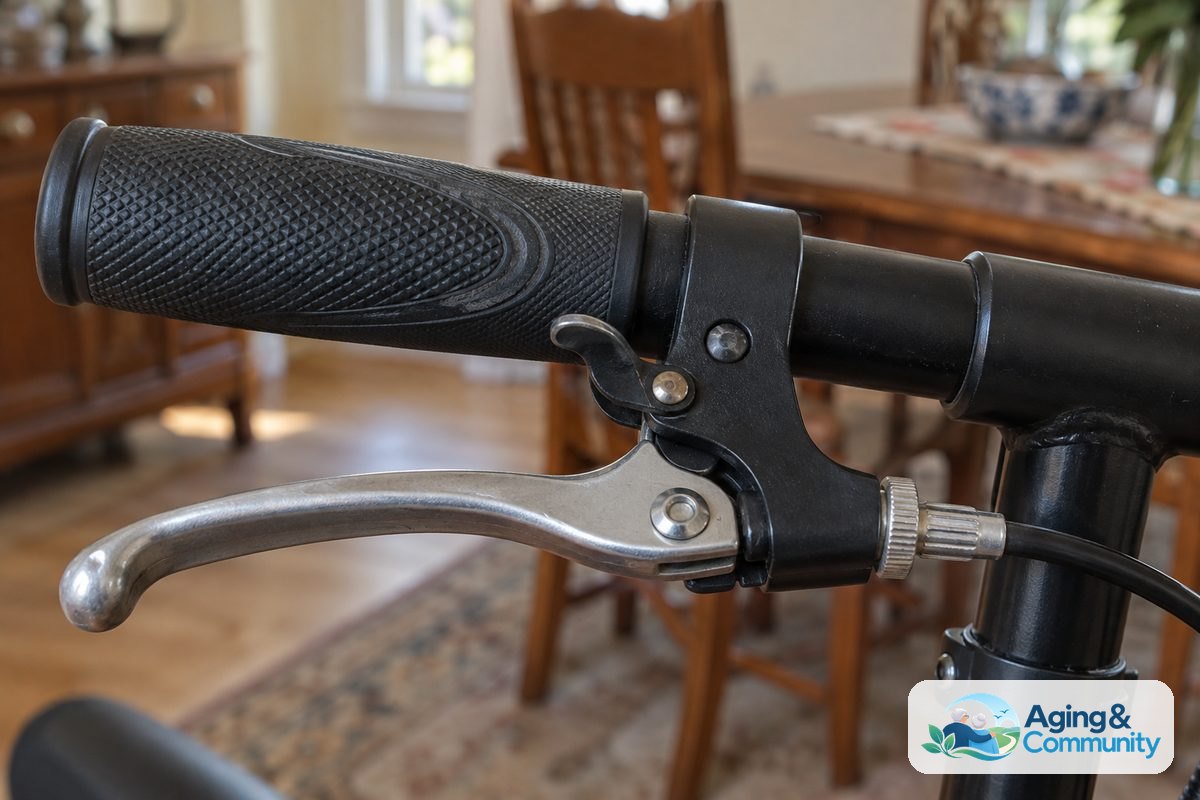
Control is essential when you use any rolling mobility tool. Reliable handbrakes give you the power to slow down on slopes and stop safely before reaching a doorway. Most scooters use drum brakes or disc brakes attached to the rear wheels.
Always verify that the scooter has a parking brake lock. You need to lock the wheels in place before you step onto the pad or take your knee off the cushion. Moving without locked brakes can lead to slips, and learning about falls and falls prevention can help you stay mindful of your balance at home.
Steering designs also vary between models. Some units use tie-rod steering, which limits how sharply the handlebars can turn. This built-in turn stop helps keep the front wheels from turning sideways too quickly, which lowers the chance of tipping during a turn.
Consider Weight Capacity, Size, and Portability
Knee walkers come in standard, pediatric, and heavy-duty designs. Standard models usually support people up to three hundred pounds, while heavy-duty models offer wider steel frames that support four hundred pounds or more. Picking a frame rated well above your body weight provides extra stability.
You should also think about how often you will transport the device in a car trunk. Look for a scooter with a quick-release folding steering column. A folding steering column drops flat over the knee rest, making the unit easy for a family member to lift and store.
| Feature | Standard Frame | Heavy-Duty Frame |
|---|---|---|
| User Weight Limit | Up to 300 lbs | Up to 400 or 500 lbs |
| Product Weight | Around 20 to 25 lbs | Around 30 to 35 lbs |
| Best Setting | Everyday indoor rooms | Wider spaces and larger users |
| Portability | Folds easily for car trunks | Heavier to lift into vehicles |
For more frame details designed for older adults, take a look at our guide on finding the right knee scooter for elderly users.
Compare Mobility Options for Your Healing Phase
A knee walker is one of several tools you might use during recovery. Some people wonder about a wheelchair vs knee scooter when planning a long recuperation. A wheelchair lets you rest both legs completely, but a scooter keeps your uninjured leg active and lets you stand tall while preparing a meal.
Others compare a rollator vs knee walker after an injury. A rollator requires you to put weight on both feet, which is not suitable if your doctor ordered strict non-weight-bearing rest. Reviewing how each device fits your daily routine will clarify which option matches your home environment best.
What to Do Next
Taking practical steps today will make your recovery period much smoother. You do not have to figure out everything on your own, and simple home preparations will help you move about with ease.
- Measure your doorways: Use a tape measure to check the narrowest doors in your home, especially the bathroom door, to ensure the scooter frame will roll through easily.
- Clear walking paths: Pick up loose throw rugs, tuck away electrical cords, and move low coffee tables out of hallway passages to create clear travel lanes.
- Speak with your care team: Ask your doctor or physical therapist if a knee scooter fits your current weight-bearing restrictions.
- Practice basic adjustments: Read our helpful walk-through on how to use knee scooter safely before you take your first ride.
- Explore local help: If you need help finding short-term equipment loans or recovery resources in your area, reach out to the Eldercare Locator to connect with community services.

Frequently Asked Questions
Can I use a knee scooter on carpet?
Yes, you can use a knee scooter on low-pile carpet without much trouble. Thick, plush carpet or high-pile rugs require more pushing effort from your good leg. If your home has deep carpet throughout, consider a model with slightly larger wheels to make rolling smoother.
Are three-wheel knee scooters stable?
Three-wheel knee scooters turn easily in small spaces, but four-wheel models provide significantly more side-to-side balance. Four wheels place a wide base beneath your body, which helps prevent tipping when you push off or take gentle turns. Most people feel more secure on a four-wheel design.
How do I know what pad height I need?
Stand straight beside the scooter wearing your normal everyday shoe on your healthy foot. Adjust the knee pad until the top of the cushion aligns with the crease right below your kneecap. When you place your injured shin on the pad, your hips should remain level without leaning to one side.
Can I take a knee scooter up and down stairs?
You should never ride a knee scooter on stairs or escalators. Trying to roll down steps is dangerous and can lead to falls. If your home has multiple levels, keep crutches near the stairs or place a separate mobility device on each floor of the home.
Do I need tools to assemble a knee scooter?
Most knee scooters feature tool-free assembly with quick-release levers and secure locking pins. You can usually slide the handlebars and seat post into place and tighten them by hand. If you feel unsure about tightening the parts securely, ask a family member or friend to double-check the locking clamps.