

Learning how to use a wheelchair ramp safely helps older adults and their caregivers move between different levels with confidence. The basic process involves checking the surface, lining up the wheels straight, leaning slightly forward when going up, and controlling your speed when going down. Whether you push yourself or have someone assist you, smooth and steady movements make every trip much easier.

Main Steps for Using a Wheelchair Ramp
- Inspect the ramp path: Look over the entire surface before you start to make sure it is free of water, ice, leaves, or loose objects that could cause wheels to slip.
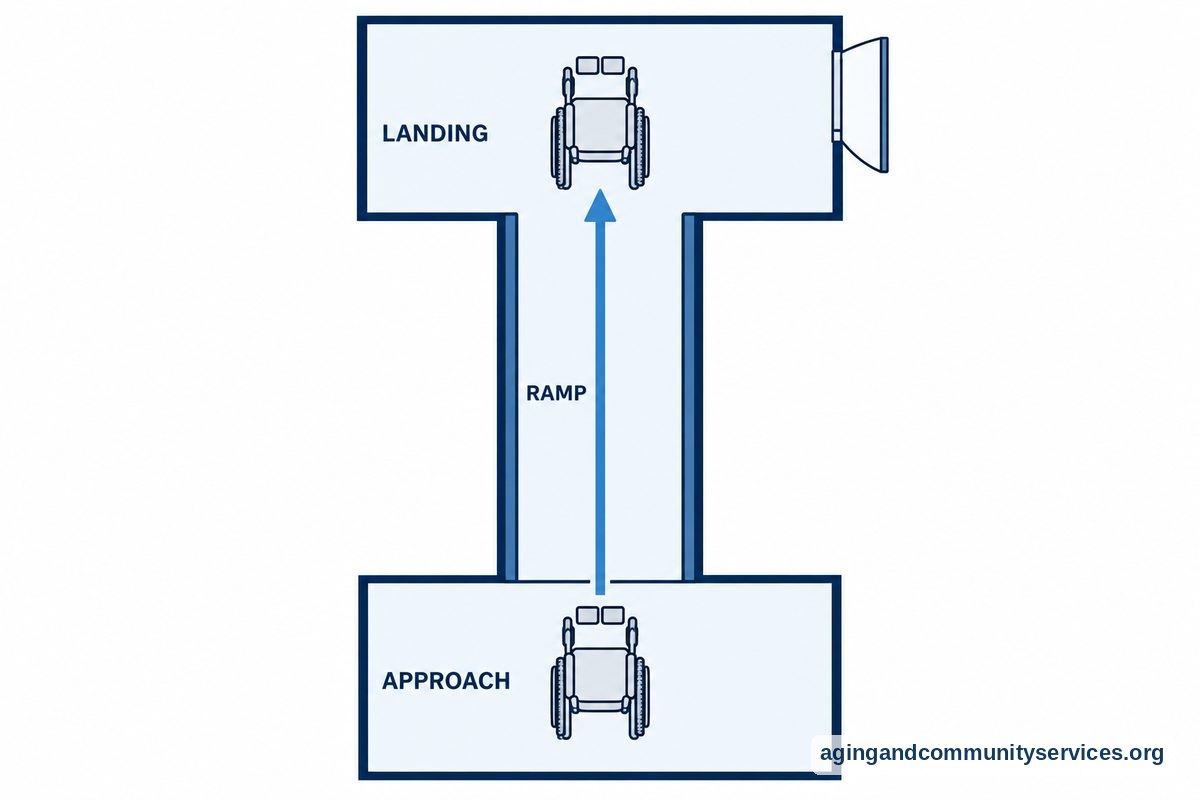
- Square up your approach: Position the wheelchair straight toward the center of the ramp rather than entering at an angle, which helps keep all wheels firmly on the deck.
- Adjust your body posture: Lean your upper body slightly forward when going up an incline to keep weight over the large drive wheels and maintain stability.
- Use steady hand strokes: Push both hand rims evenly at the same time if you are self-propelling, taking smooth strokes to keep the chair moving forward without rolling backward between pushes.
- Control your descent: Grip the hand rims firmly when heading down, applying gentle, continuous friction with your palms to control your speed without sudden stops.
- Clear the landing completely: Continue moving until the entire wheelchair is fully off the slope and resting on flat ground before you stop or turn.
Common Mistakes to Avoid
- Entering the ramp at an angle: Cutting across the ramp entryway can cause the casters to catch or tip the chair toward the side edges.
- Letting go of the hand rims while going down: Gravity can quickly pull a chair downhill, so you should never take your hands completely off the drive wheels or hand rims while descending.
- Carrying loose items on your lap: Heavy bags or loose objects can shift your balance or fall forward into the front wheels, bringing the chair to an abrupt halt.
- Turning around while on the incline: Trying to make a sharp turn or spin around on a narrow ramp greatly increases the risk of tipping over the side rail.
- Ignoring wet or icy weather conditions: Wet wood, metal, or composite boards can become slick, so rolling across them without checking traction can lead to wheel slippage.
When to Call for Help or Professional Advice
Sometimes using an incline feels uncomfortable or unsafe, no matter how careful you are. If you feel dizzy, lack the arm strength to control your speed, or notice that the ramp feels too steep, stop and ask for help right away. It is always better to wait for a family member or neighbor than to risk a tip or a fall.
For ongoing issues with balance, strength, or mobility equipment, consider consulting an expert. A physical therapist or occupational therapist can evaluate your specific needs and teach you safe transfer and propulsion techniques. When you speak with a therapist, describe the layout of your home entryway, the steepness of your incline, and your medical needs when choosing a wheelchair or gurney for transport.
If you suspect the structure itself does not meet safety guidelines, contact a licensed contractor or home accessibility specialist. You can also reach out to the Eldercare Locator to find community resources, local mobility programs, and supportive services in your area.
Going Up and Down with a Caregiver
When a helper assists you, clear communication is essential. The caregiver should always let the wheelchair user know before starting up or down the slope. Both people should agree on the pace so that no one feels rushed or surprised by sudden movement.
When pushing a manual chair up a slope, the caregiver should bend their knees, keep their back straight, and push forward using their legs. Taking slow, even steps keeps the momentum steady. If the caregiver needs a brief rest, they should engage both wheel locks or turn the chair slightly across the slope only if the ramp is wide enough and safe to do so.
When descending, many caregivers find it safest to walk backward down the slope while pulling the wheelchair. Walking backward allows the caregiver to use their body weight as a natural brake. It also keeps the person in the chair tilted securely against the backrest rather than feeling like they might slide forward. If walking forward, the helper must keep their arms braced and walk very slowly.
Tips for Electric Wheelchairs and Mobility Scooters
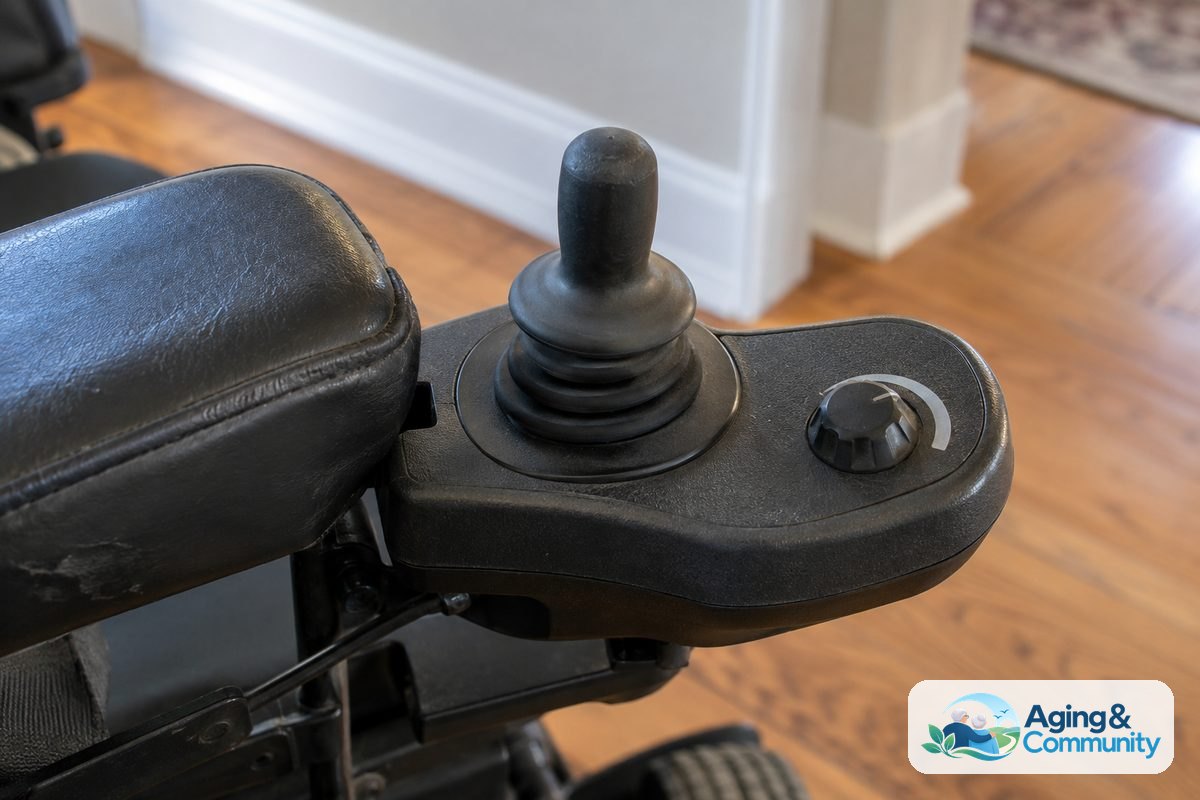
Power mobility devices handle ramps differently than manual chairs because motors and batteries provide the drive force. Before starting onto any slope, turn the speed dial down to a low or moderate setting. High speeds on an incline can make the steering overly sensitive, while very low speeds might cause the motor to stall on a steep rise.
Keep your joystick or throttle centered and steady. Sudden jerky motions to the left or right can cause the drive wheels to lose traction or steer too close to the edge protection curbs. Always stay centered on the platform and maintain continuous forward movement until you reach level ground.
If you use a three-wheel or four-wheel scooter, be especially mindful of your turning radius. Scooters have a longer wheelbase and can tip more easily on slopes if you attempt to turn. Always keep all wheels pointed straight forward until the entire scooter is resting on the flat landing surface.
Making Your Home Incline Safe to Use
A well-designed entryway makes a major difference in daily independence. If you are evaluating your current setup or planning changes, understanding how to choose a wheelchair ramp that fits your doorway height and yard space is a great first step. Proper slope ratios ensure that inclines remain gentle enough for comfortable daily use.
Many families also explore financial assistance options when modifying their homes for accessibility. You may want to research does medicare cover wheelchair ramps so you understand what out-of-pocket costs to expect before starting a project. Exploring your coverage options early helps you budget for quality materials and proper professional installation.
Ramps are a cornerstone of comfortable, long-term independent living. Learning more about home modifications through the National Institute on Aging: Aging in Place guide can help you plan an entryway that stays functional for years to come. Clean surfaces, good lighting, and sturdy handrails on both sides all work together to create a secure pathway.

Proper Wheelchair Handling and Maintenance
Your equipment must be in good working order to handle inclines properly. Regular checks of your tire pressure, wheel locks, and footrests help ensure that your chair responds the way you expect. Soft tires make pushing uphill much harder and reduce braking grip on the way down.
If you are new to using mobility equipment, reviewing the basics of how to use wheelchair controls and balance points can give you extra confidence. Simple habits, such as keeping your anti-tip bars extended and making sure footplates are adjusted to the right height, protect your posture on slopes.
Routine home safety habits also protect your health over time. Taking thoughtful precautions around steps and inclines can lower the risk of accidents, according to the National Institute on Aging: Falls and Falls Prevention guidelines. Keeping your pathway well-maintained gives you peace of mind every time you leave or return home.

Frequently Asked Questions
What is the safest way to go down a steep ramp in a manual chair?
If you are pushing yourself, sit fully back in the seat, grip the hand rims firmly, and let them slide slowly through your hands while applying steady pressure. If a caregiver is pushing you down a steep slope, having the caregiver turn the chair around and walk backward down the ramp is often the safest method, as it keeps you secure in the seat.
Should anti-tip tubes be used on a ramp?
Yes, anti-tip tubes should always be locked in the down position when using ramps. These small rear wheels keep the wheelchair from flipping backward if you lean back or push hard while rolling up an incline.
How do you stop safely on an incline if you get tired?
If you are propelling yourself and need a break, firmly grasp both hand rims to stop your forward roll. Once stopped, apply both manual wheel locks before resting your hands. When you are ready to move again, grip both rims firmly before releasing the locks so the chair does not roll backward.
Can power chairs go down ramps in neutral?
No, you should never disengage the drive motors or put an electric wheelchair into freewheel neutral while on an incline. In neutral, the automatic brakes are turned off, and the chair will roll downhill without any motor resistance, which can cause a serious accident.
What should I do if the ramp surface is wet from rain?
Take extra care by reducing your speed and checking that your drive tires have solid grip before proceeding. If the surface feels slippery, ask a companion to assist you or wait until the surface has been dried or cleared before crossing it.