

Learning how to use bedside commode equipment properly gives older adults a safe, reliable way to use the toilet without walking to the bathroom. Setting up the frame next to the bed reduces long nighttime walks and provides firm armrests to help with sitting and standing. With a few basic steps for transfers, hygiene, and emptying the bucket, using a bedside commode can quickly become a comfortable daily routine.

How to Use a Bedside Commode Chair Step-by-Step
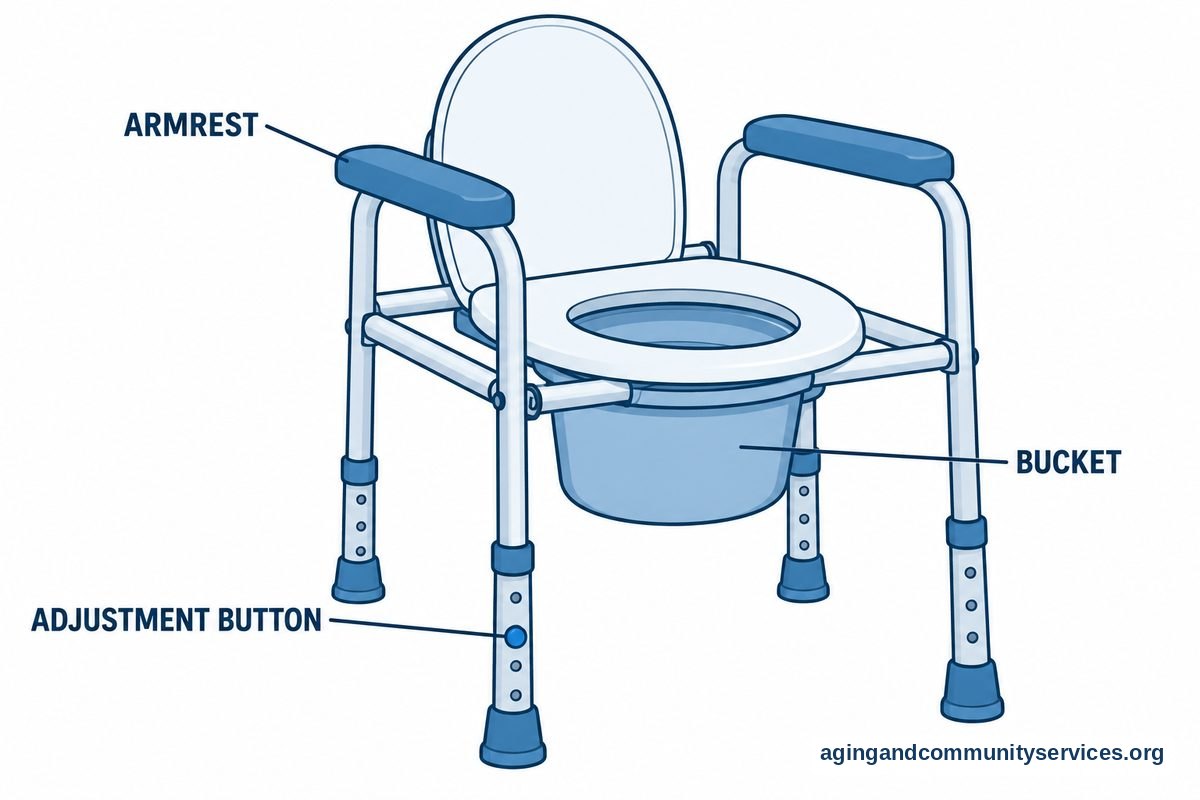
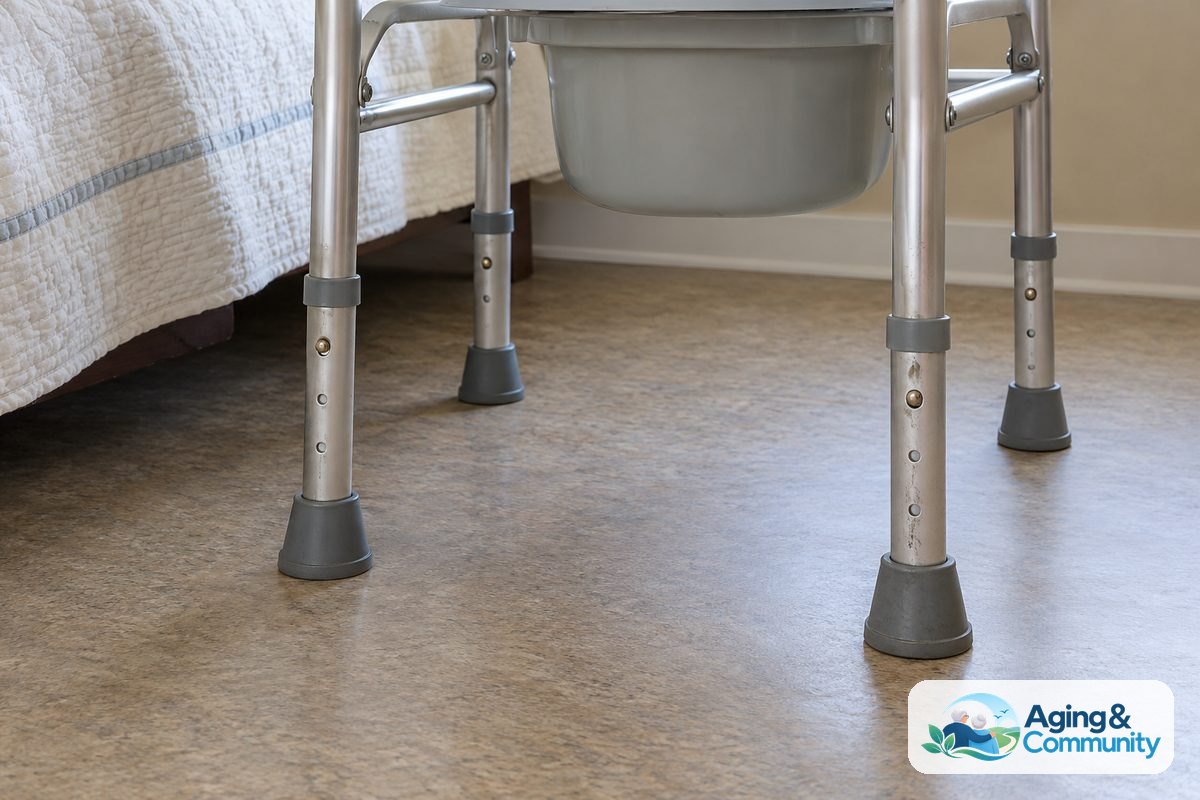
- Position and lock the frame: Place the commode right next to the bed at a slight angle, making sure all four rubber feet sit flat on the floor with any wheel locks firmly set.
- Adjust the height: Set the legs so the seat matches the height of the bed or allows feet to rest flat on the floor with knees bent at a ninety-degree angle.
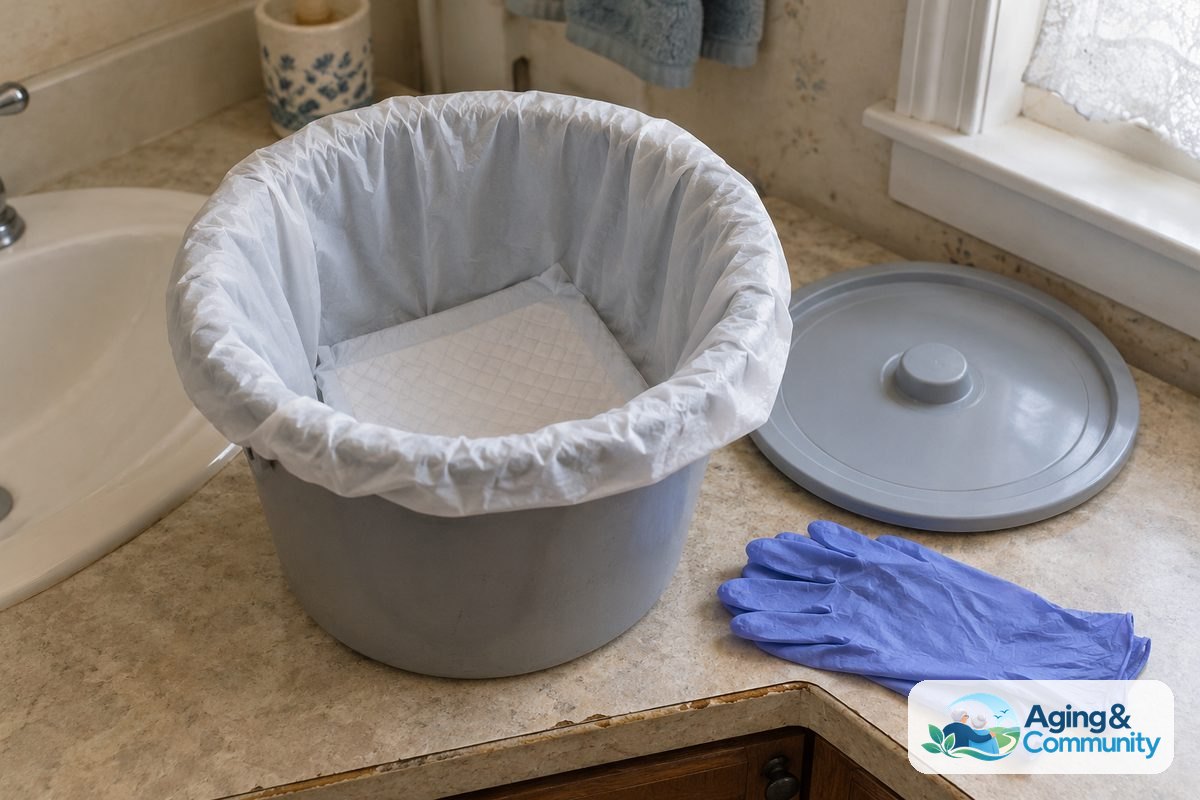
- Prepare the bucket: Slide the clean bucket into the frame beneath the seat and add an inch of water or a disposable liner to make cleaning easier later.
- Stand and pivot: Push up from the bed using your hands, stand steadily, and slowly turn your body until you feel the back of your legs touching the commode seat.
- Sit down slowly: Reach both hands back to hold the sturdy armrests, then lower yourself gently onto the center of the seat without dropping quickly.
- Complete hygiene: Use toilet paper or wipes while remaining seated, or carefully lean slightly forward to one side while keeping a firm grip on one armrest.
- Stand up safely: Place both feet flat on the floor slightly apart, grasp the armrests, push straight upward to a full stand, and pause a second to find balance.
- Empty and clean: Put the lid on the bucket, lift it out from the commode frame, empty the contents into the standard household toilet, and rinse thoroughly with warm water and disinfectant.
Common Mistakes to Avoid
- Leaving wheels or legs unlocked: Forgetting to engage the caster locks or placing the frame on an uneven throw rug can cause the chair to slide out during a transfer.
- Relying on weak furniture for balance: Grabbing onto unstable nightstands, lightweight walkers, or rolling tables while sitting down creates a serious hazard.
- Setting the seat too low: If the commode is adjusted too far down, getting back up requires excessive knee and hip strain, which makes standing difficult.
- Moving too fast during nighttime transfers: Rushing to sit down in the dark without turning on a lamp can lead to missed footing and balance loss.
- Carrying an uncovered bucket: Forgetting to put the plastic lid back on the container before carrying it to the bathroom can lead to spills and extra cleanup.
When to Ask for Professional Guidance
Setting up bathroom safety equipment should always feel secure and manageable. If transfers feel unstable, painful, or frightening, it is wise to consult a physical therapist or an occupational therapist. These professionals can visit your home, review your space, and confirm that the seat height and position fit your body perfectly.
According to the National Institute on Aging: Falls and Falls Prevention resources, practical home adjustments and professional guidance can lower the risk of falls around the home. Talk with a primary care doctor if you notice sudden changes in balance, leg strength, or frequent nighttime dizziness. You can also reach out to the Eldercare Locator to find local community programs, equipment loan closets, and home safety support services.
How to Use a Bedside Commode Over the Toilet
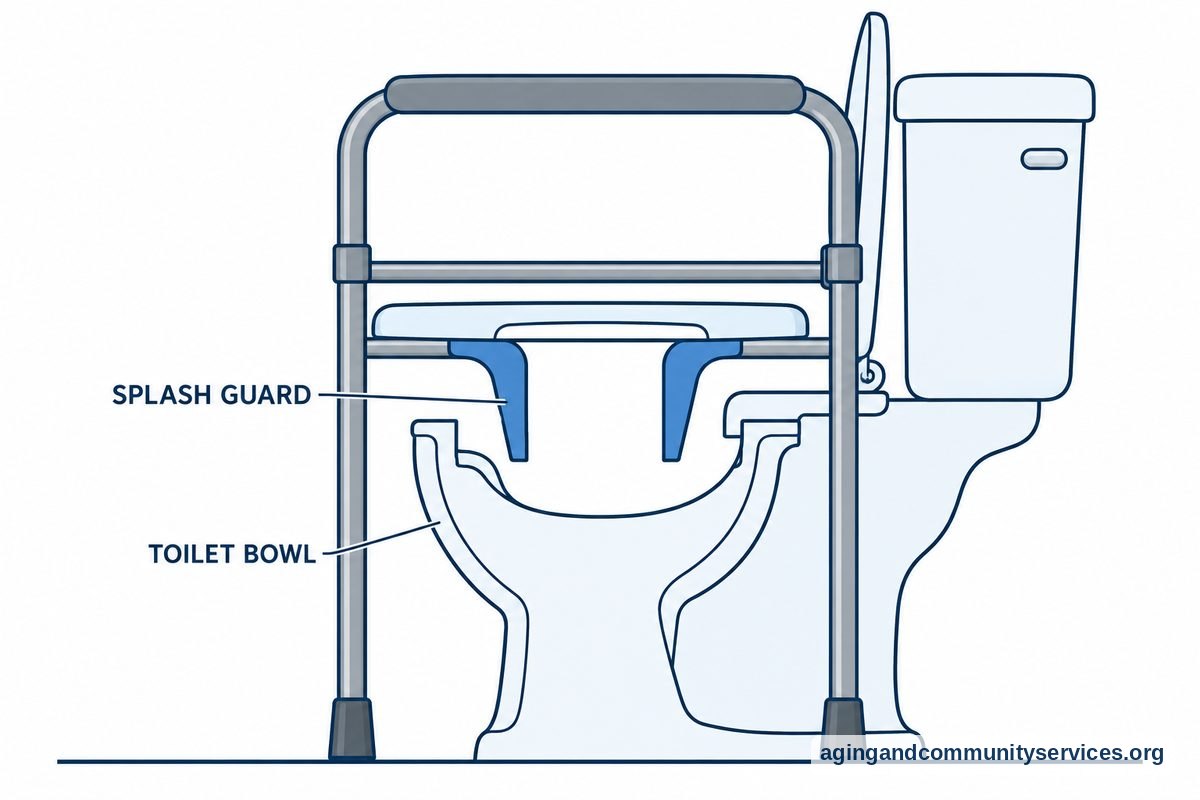
Many standard commode models are three-in-one units designed to work directly inside your existing bathroom. To use the frame this way, first remove the bucket and slide the splash guard into its place under the seat. The splash guard directs the flow of liquid down into the porcelain bowl without letting anything splash onto the floor or frame.
Wheel or carry the frame into the bathroom and position it directly over your standard toilet. Lower the commode seat until it rests just above the porcelain rim. This setup provides sturdy, built-in armrests and a taller seating surface, making it much easier for someone with joint stiffness to sit down and stand back up safely.
If your bathroom doorway is narrow or space is limited around the plumbing, you can also explore dedicated raised commode chairs that fit compact spaces. Always check that the frame does not wobble against the porcelain before sitting down.
Commode vs Bedside Commode: Understanding the Differences
People often use the terms commode and bedside commode interchangeably, but there are distinct differences in how they function. A traditional commode can refer to any freestanding toilet chair, including heavy stationary chairs, over-the-toilet frames, or rolling shower commodes made of waterproof materials. These units are often kept inside the bathroom full-time to assist with bathing and daily toileting.
A bedside commode, by contrast, is specifically placed right inside the sleeping area to eliminate the need for walking across the house at night. These models prioritize quick access, simple bucket removal, and compact folding frames that tuck out of the way during daytime hours. Reviewing the features below can help you determine which style best meets your daily routines.
| Feature | Bedside Commode | Standard Bathroom Commode |
|---|---|---|
| Primary Location | Right beside the bed | Inside the bathroom or over toilet |
| Portability | Lightweight, often folds flat | Heavier, often includes shower wheels |
| Waste Collection | Removable bucket with lid | Directly into toilet or shower drain |
| Main Benefit | Saves steps during the night | Adds armrests and height over toilet |
| Materials | Coated steel or aluminum | Waterproof plastic, rust-free metals |
Tips for Safe Transfers and Easy Care
Safety during movement is the most important part of using any commode chair. If a family member assists you during transfers, learning how to use gait belt techniques around the waist offers a secure handhold without pulling on clothing or arms. A gait belt keeps both people balanced and steady throughout the pivot.
For people who cannot bear full weight on both legs, knowing how to use a transfer board allows for a smooth, seated slide between the mattress edge and the commode seat. This method eliminates the need to stand up completely, saving energy and maintaining balance.
Keeping the commode clean and fresh makes the bedroom a more pleasant space. Empty the bucket promptly after each use, wash it with mild soapy water, and use proven odor control products for caregivers such as scented bucket liners or absorbent neutralizer pads. A small amount of clean water left in the bottom of the basin also prevents waste from sticking to the plastic.
Frequently Asked Questions
How to use a bedside commode safely at night?
Keep a clear, well-lit path between the bed and the commode by plugging in an automatic nightlight. Ensure the commode is positioned close enough that you only need to take one or two small pivot steps. Wear supportive slippers with non-skid rubber soles rather than walking in smooth socks or bare feet.
How do I clean and disinfect the commode bucket?
Carry the covered bucket into the bathroom, tip the contents into the toilet bowl, and flush. Spray the inside and outside of the container with a household disinfectant spray, let it sit for two minutes, and wipe it dry with disposable paper towels. Rinse thoroughly and add a fresh liner or a thin splash of water before sliding it back into the frame.
What is the proper height for a commode seat?
Adjust the push-button legs so that when you sit down, both feet rest completely flat on the floor. Your knees should bend at roughly a ninety-degree angle, with your hips level with or slightly higher than your knees. A seat that is level with the bed makes lateral transfers much smoother.
Can a bedside commode chair be used in the shower?
Only chairs made from rust-proof aluminum or heavy-duty medical plastics with water-safe padding should enter the shower. Standard steel bedside units can rust over time when exposed to running water. Check the manufacturer label to verify if your specific model is rated for wet environments.
How do you line a commode bucket for easier cleaning?
Place a heavy-duty commode liner bag inside the bucket, wrapping the edges securely over the plastic rim. Many caregivers place an absorbent gel pad in the bottom to solidify liquids. After use, simply tie the bag handles tightly and discard it in a household trash bin, keeping the bucket completely dry and clean.