

Learning how to use hearing aid drying capsules is a simple way to keep your hearing aids clean and working well. You place a fresh capsule inside a sealed drying jar, open your device battery doors, and let the capsule absorb daily moisture overnight. This easy habit helps older adults protect their hearing devices from sweat and humidity while resting peacefully at home.
Hearing aids rest deep in your ear canals or behind your ears all day long. During that time, body warmth, perspiration, and outdoor weather introduce damp air into the sensitive electronics. Taking daily care of your equipment is a wonderful part of aging in place with comfort and confidence.

How to Use Hearing Aid Drying Capsules in 6 Simple Steps
- Inspect your drying container and capsule. Check that your plastic drying jar is clean and crack-free, then remove a new drying capsule from its foil packaging.
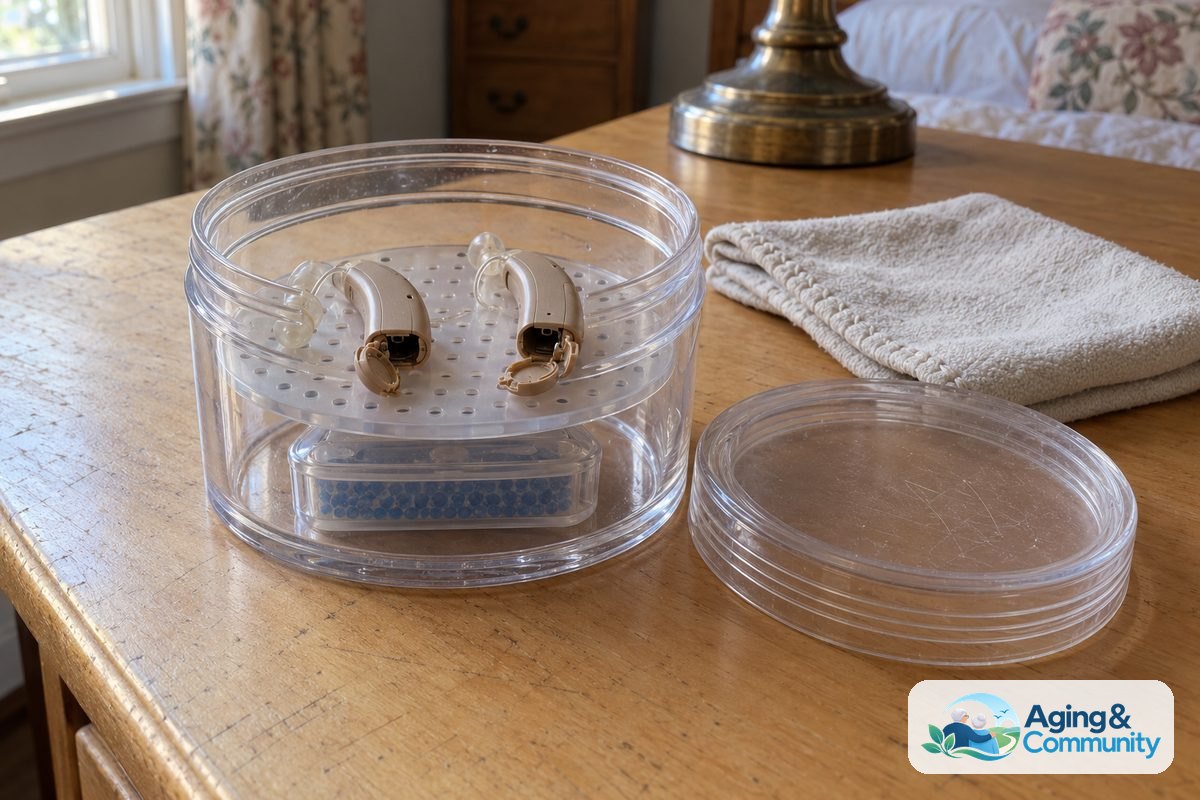
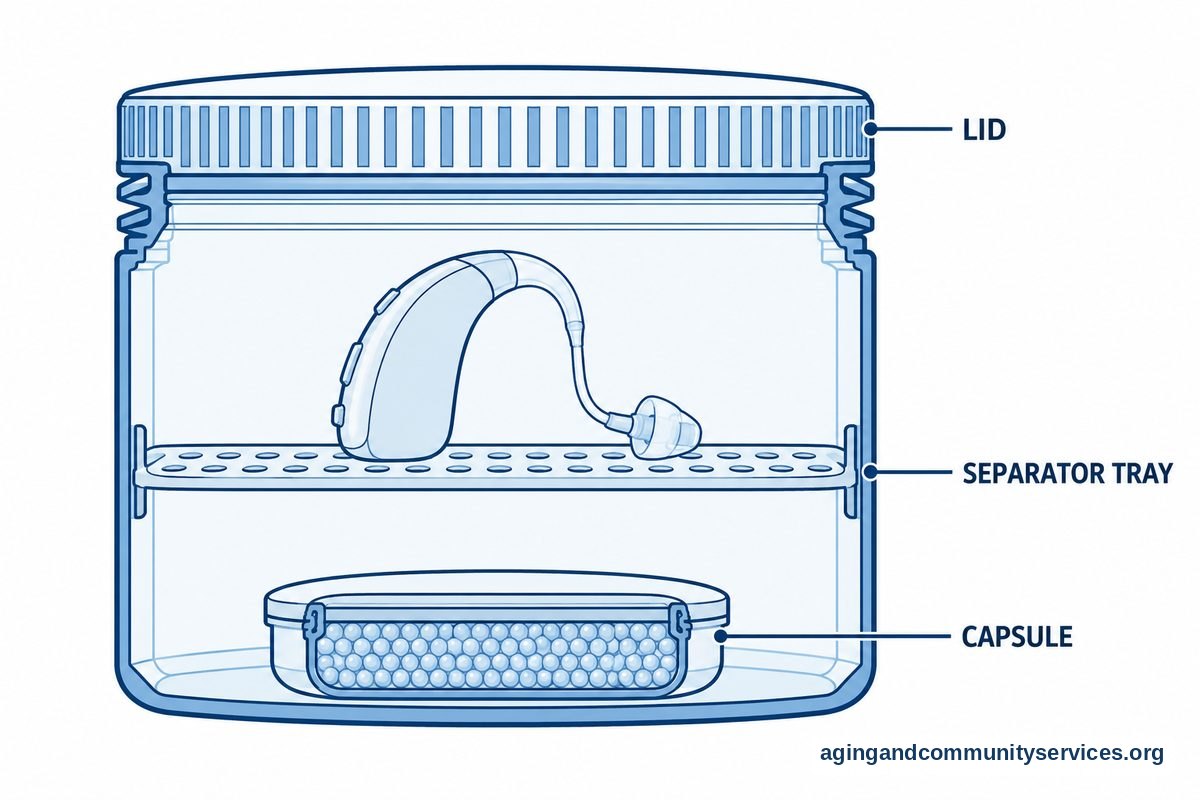
- Place the capsule into the jar. Set the capsule flat on the bottom of the container, usually under a small plastic tray or sponge barrier that keeps your devices from touching the chemicals directly.
- Wipe down your hearing aids. Use a soft, dry cloth or a soft cleaning brush to remove earwax, surface oil, and dust from the outside of each device.
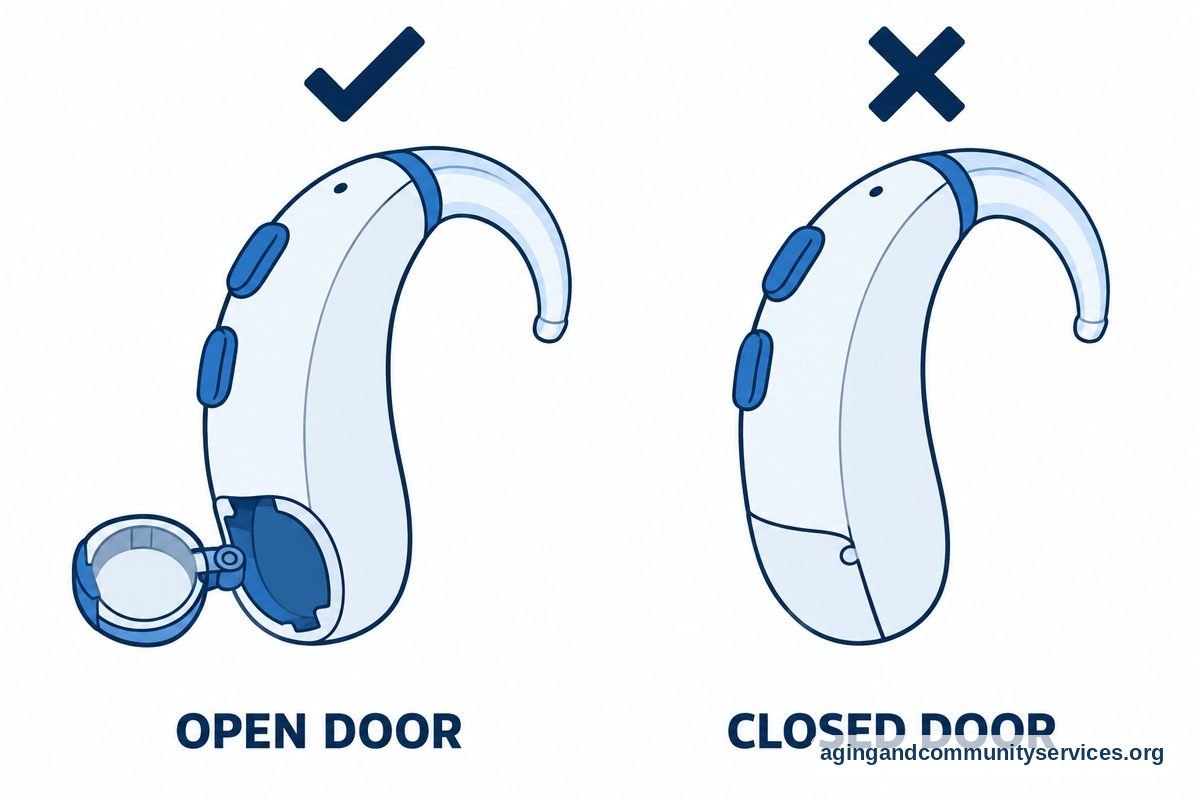
- Open the battery doors completely. Swing open the battery compartment on each hearing aid so air can move freely through the inside of the case.
- Place the hearing aids inside and close the lid. Set your devices gently on top of the separator tray, then screw or snap the lid shut tightly to keep outside room humidity from leaking inside.
- Let the devices dry overnight. Leave the container sealed for at least six to eight hours so the desiccating material can draw out trapped dampness.
If you are exploring new devices or wondering about options for a loved one, learning how to choose a hearing aid can help you pick models that fit your lifestyle and daily routine.
Common Mistakes to Avoid
- Leaving the battery door shut: Moisture gets trapped inside the device casing if the door stays closed. Always swing the battery door wide open before setting the aid into the container.
- Keeping zinc-air batteries inside the chamber: Dry air draws power out of standard disposable zinc-air batteries faster. Many audiologists suggest taking the battery out completely and setting it beside the aid overnight.
- Leaving the drying cup unsealed: If the jar lid is loose, the drying pellet will pull moisture from the whole room. This uses up the drying crystal within just a few days.
- Allowing devices to touch the bare capsule: Some drying beads contain chemicals that should not rub directly on delicate microphone ports or plastic shells. Always use the built-in divider tray.
- Using capsules past their expiration date: Most drying disks change color from bright gold or blue to pale white when full. Leaving an expired disk in the cup will not dry your devices.
When to Call for Help or Get Professional Advice
Hearing aid drying supplies solve everyday moisture issues, but they cannot fix broken internal parts. If your hearing aids sound scratchy, quiet, or completely dead even after a full night in a fresh drying container, contact your hearing care provider. You can reach out to your audiologist or hearing instrument specialist for a complete checkup.
When you call the clinic, explain the exact trouble you notice. Tell the staff how long the sound has been weak or distorted, whether you inserted a fresh battery, and confirm that you used a fresh drying tablet overnight. If you ever feel overwhelmed finding local assistance for daily health tools, the Eldercare Locator can connect you and your family with supportive local resources.
For people planning a replacement or upgrading worn hardware, understanding whether does medicare cover hearing aid services can save time when budgeting for clinic visits and testing.
Understanding How Drying Capsules Work
Drying capsules contain small beads made of silica gel or molecular sieve materials. These tiny beads are covered in microscopic pores that attract water molecules right out of the surrounding air. When trapped inside an airtight box, the capsule creates a dry microclimate that draws moisture out of the tiny nooks inside your hearing aid microphones and receivers.
Many capsules have a clear cardboard backing or small transparent window. Inside, indicator beads change color as they absorb water. When you take a capsule out of its blister pack, it is ready to work. It will continue working quietly until the beads become saturated with moisture.
| Capsule State | Typical Color | Action Needed |
|---|---|---|
| Fresh and active | Golden yellow or deep orange | Ready for daily overnight use |
| Partially used | Light amber or pale peach | Continue using; monitor color weekly |
| Fully saturated | Pale white, clear, or light green | Discard safely and replace with a new capsule |
Taking a few seconds each morning to check the capsule window helps you know when it is time to open a new blister pack. Maintaining your equipment properly is just as important whether you use a custom prescription device or explore a basic hearing aid vs hearing amplifier for personal sound support.
Rechargeable Hearing Aids and Drying Tablets
Many modern devices now run on built-in rechargeable lithium-ion batteries. These hearing aids do not have battery doors that open. Because rechargeable aids must sit inside a charging dock overnight, traditional screw-top drying jars may not fit them.
Some manufacturers create charging cases with a special slot designed specifically for a small drying capsule. If your charger has this slot, drop the capsule in according to the manual. If your charger does not have space for drying capsules, speak with your audiologist before placing rechargeable hearing aids into non-electric desiccator pots.
Tips for Storing Your Drying Supplies
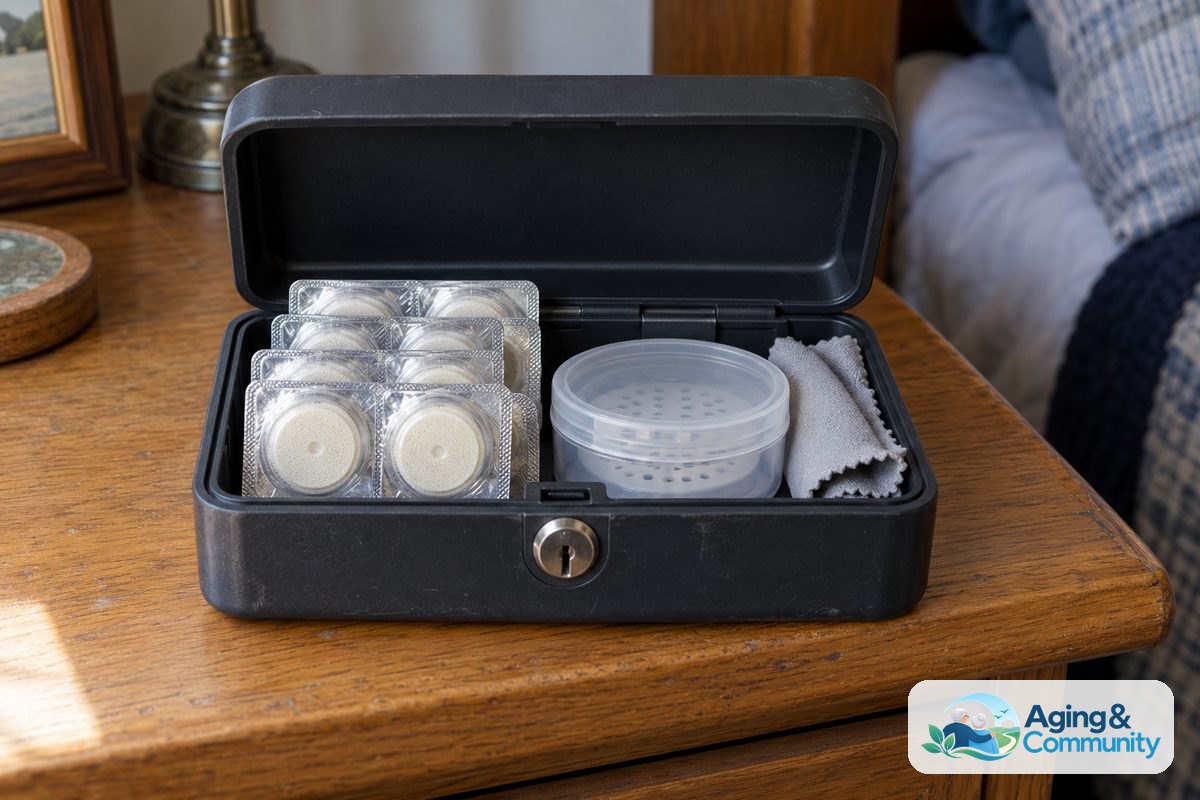
Keep your blister pack of spare capsules in a cool, dry cabinet away from steam. A bedroom nightstand drawer is often the best spot. Avoid storing hearing aid jars and capsules in a bathroom medicine cabinet, because warm shower steam can seep into containers during daily opening and closing.
Always keep capsules out of reach of grandchildren and family pets. While silica gel is generally non-toxic, the capsules are small choking hazards and the drying beads can cause mild stomach upset if swallowed. Treat them with the same careful storage you use for prescription medications.
Frequently Asked Questions
How long does a hearing aid drying capsule last?
Most drying capsules last between four and eight weeks. The exact life depends on the humidity in your home, the season, and how much you sweat during the day. During humid summer months, you may need to replace the tablet sooner than during dry winter months. Always watch the color indicator on the capsule.
Can you reactivate hearing aid drying capsules in the microwave?
Most modern plastic-cased hearing aid capsules cannot be safely reactivated in an oven or microwave. Heating plastic capsules can melt the outer shell, release unpleasant fumes, and damage the beads inside. Some specialized metal tins allow baking, but standard plastic blister capsules are designed to be thrown away in the household trash once saturated.
Do I need to take the batteries out before using a drying capsule?
Opening the battery door is required when learning how to use a drying cup, but taking the battery all the way out is optional. Traditional zinc-air batteries rely on air holes to stay active, and dry air can shorten their useful lifespan. If you notice your batteries running down quickly, try placing the battery on your nightstand while the hearing aid rests in the drying jar.
Are drying capsules better than electronic hearing aid dryers?
Drying capsules and electronic dehumidifiers both remove dampness effectively. Capsules are quiet, lightweight, inexpensive, and perfect for travel because they do not require an electrical wall outlet. Electronic dry boxes work faster and sometimes include gentle warmth or lights, but capsules offer a very reliable, portable solution for daily home care.
What should I do if the drying capsule gets wet?
If water spills inside your drying jar, throw the wet capsule away immediately. Wipe the jar completely dry with a clean paper towel before putting in a fresh capsule. A saturated capsule cannot pull moisture out of your hearing aids and might transfer dampness back onto your delicate devices.