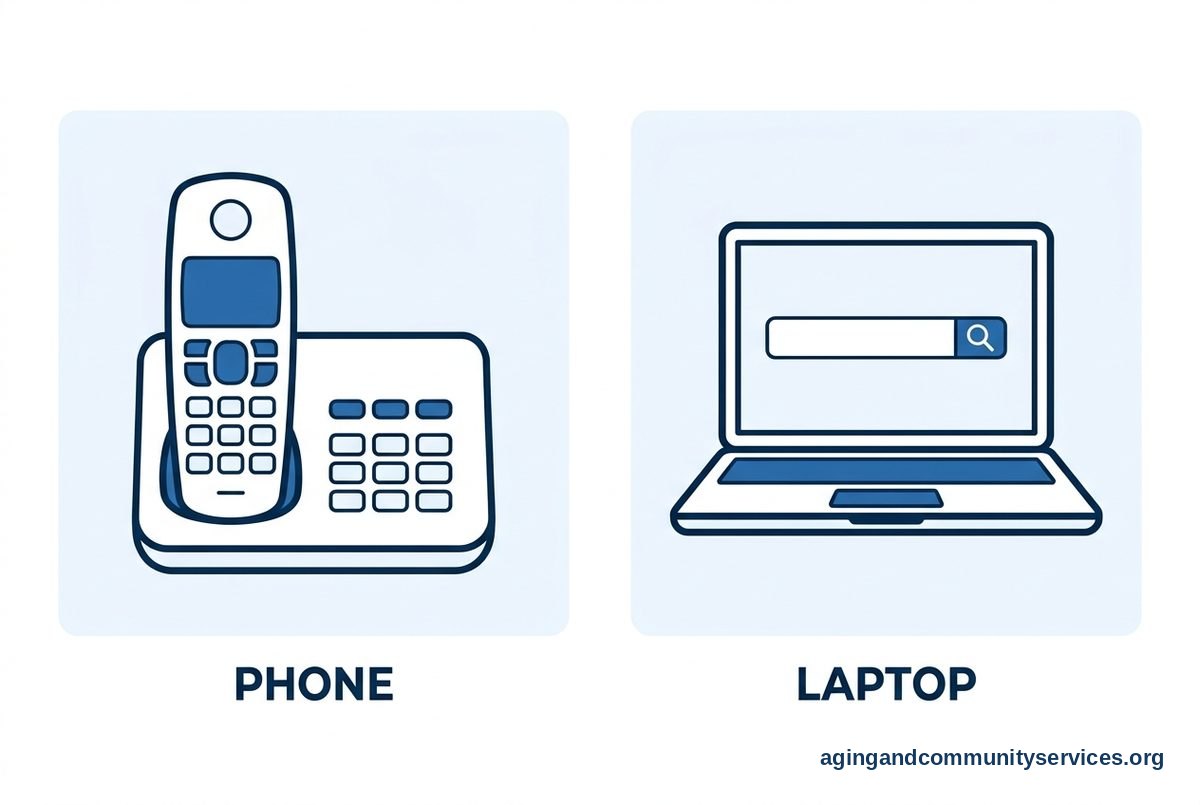
Learning how to use the Eldercare Locator is one of the easiest ways to find trusted community services for older adults. The service connects you directly to local programs that offer meal delivery, transportation, and caregiver relief. You can reach out by phone or search online to find help in any United States community.
Many families feel overwhelmed when they first start searching for eldercare assistance. You do not have to figure out the system by yourself. With a single phone call or website visit, you can get reliable contact details for your county or regional office.

Steps for How to Use the Eldercare Locator
- Gather your basic location details. Have the zip code, city, and county ready for the person who needs support so the system can match you to the right local office.
- Choose your contact method. Visit the official website at Eldercare Locator to search online, or dial 1-800-677-1116 to speak directly with an information specialist.
- Enter your search information online. Type the zip code or town into the search tool on the homepage to view your local resources immediately.
- Explain your specific needs. If you call the helpline, tell the specialist whether you need help with meals, rides to appointments, home safety, or caregiver support.
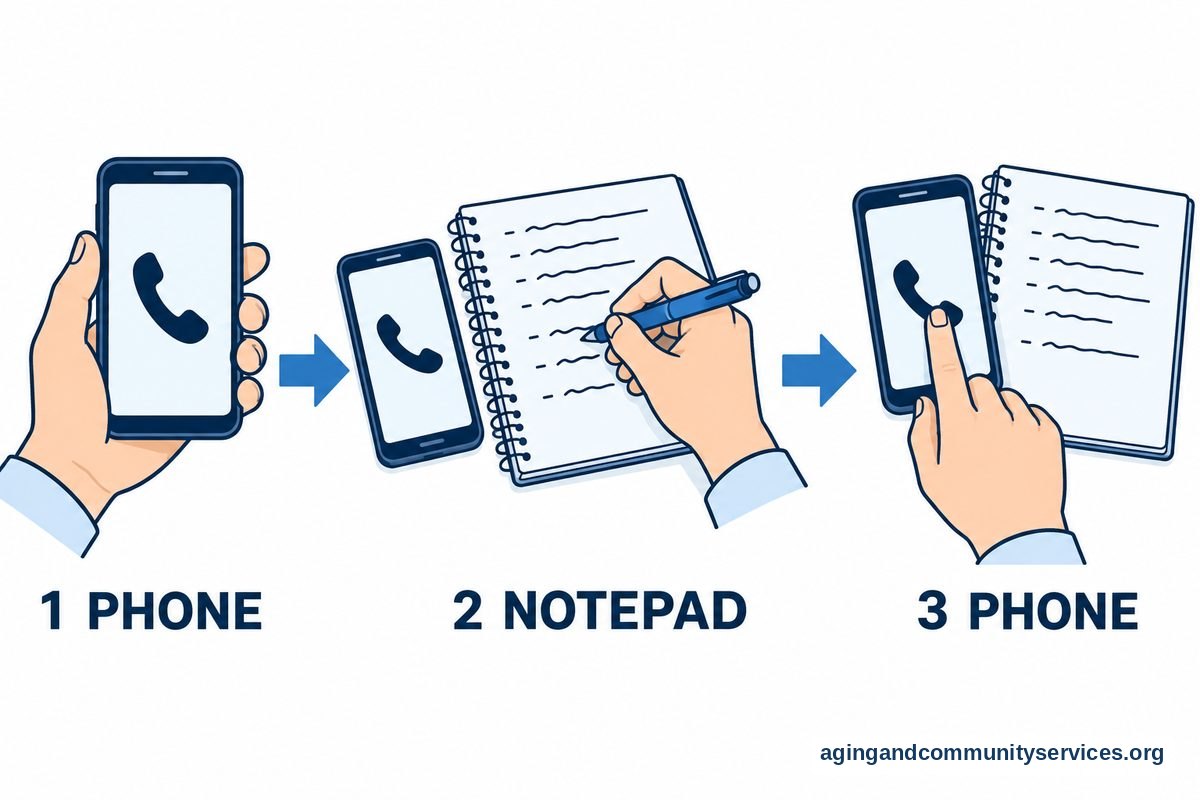
- Write down your referral details. Keep a notepad ready to write down the names, phone numbers, and websites of the local agencies provided by the service.
- Contact your local organization. Call the local provider you were matched with to ask about their open programs, intake process, and waiting lists.
Common Mistakes to Avoid
- Searching with your own zip code instead of the care recipient’s zip code. Services are tied directly to the community where the person lives, so always use their home address.
- Assuming services are identical everywhere. Programs differ from one county to another, so what was offered in one area may not be available in another.
- Waiting until a safety crisis happens. Many community programs maintain waiting lists, so it is wise to connect before immediate help is required.
- Hanging up without asking for backup numbers. Some rural areas share resources, so always ask if there are alternative contact numbers for your specific township.
- Expecting the phone specialist to enroll you on the spot. The service provides referrals and information, but you must complete program enrollment directly with the local agency.
When to Call for Professional Advice
You may want to call the helpline when you are not sure what type of help is required. If a family member seems to struggle with cooking, personal care, or getting to the doctor, an information specialist can guide you toward the right starting point. Tell the specialist about changes in daily routines, housing concerns, or if family members feel exhausted from caregiving duties.
If you notice sudden changes in physical mobility or memory, consider speaking with a doctor, physical therapist, or occupational therapist. An occupational therapist can evaluate home safety, while medical professionals can identify underlying health needs. You can also reach the 211 helpline at any time to find broader community relief like utility support or emergency shelter.

Connecting with Your Area Agency on Aging
When you use the tool, you will almost always be referred to your regional office. You can learn more about how these organizations work on our main guide to area agencies on Aging. These public agencies plan, coordinate, and fund community services across designated regions in every state.
If you wonder what is the area agency on aging, it is a regional entity established under the Older Americans Act. They receive public funding to help people remain independent in their own homes. Because rules are set federally but managed by state and county offices, program availability varies depending on your area.
Understanding what services does area agency on aging provide helps you know what questions to ask when you call. Typical offerings include congregate dining at senior centers, home-delivered meals, benefits screening, and access to the long-term care ombudsman. Senior centers also host wellness classes, social activities, and group outings that keep people active in their neighborhoods.

Support for Family Caregivers and Financial Planning
Family members often carry heavy workloads while helping relatives with daily routines. When you contact your local office, ask what is respite care for caregivers to see if temporary relief options exist. Respite services may offer short-term daytime companionship or in-home care so family helpers can rest, attend appointments, or run essential errands.
Many people also ask what financial assistance is available for seniors when managing long-term care costs. Program specialists can review your situation and direct you toward local utility discounts, food assistance, or property tax relief. You can also explore public aid through usa.gov government benefits or search for programs through the National Council on Aging BenefitsCheckUp tool.
Frequently Asked Questions
What hours is the Eldercare Locator phone line open?
The toll-free phone line is open Monday through Friday during standard business hours. If you call outside those hours, you can leave a voicemail or use the online search tool at any time of day.
Is there any cost to search for services?
No, the locator is a completely free public service funded by the federal government. You will never be asked for payment information or credit card numbers to receive referrals.
Can I find local senior centers through this service?
Yes, the tool can direct you to nearby senior community centers, with common senior center offerings explained. These centers often offer low-cost lunches, exercise classes, social activities, and local transportation options.
What should I do if a program has a waiting list?
Ask the intake coordinator to place your name on the list anyway, as openings frequently change. You can also ask for alternative community groups or non-profit programs that provide similar help in the meantime.
Can someone help me if I live in a different state from my family member?
Yes, long-distance caregivers use this tool every day. Just provide the zip code where your loved one resides, and you will receive the correct local contacts for their area.