

Learning how to use transfer board from wheelchair to car can make travel much smoother for older adults and their families. A sturdy sliding board creates a flat bridge across the gap so you can slide smoothly between the two seats. With the right setup and steady pacing, you can move safely without straining your body.
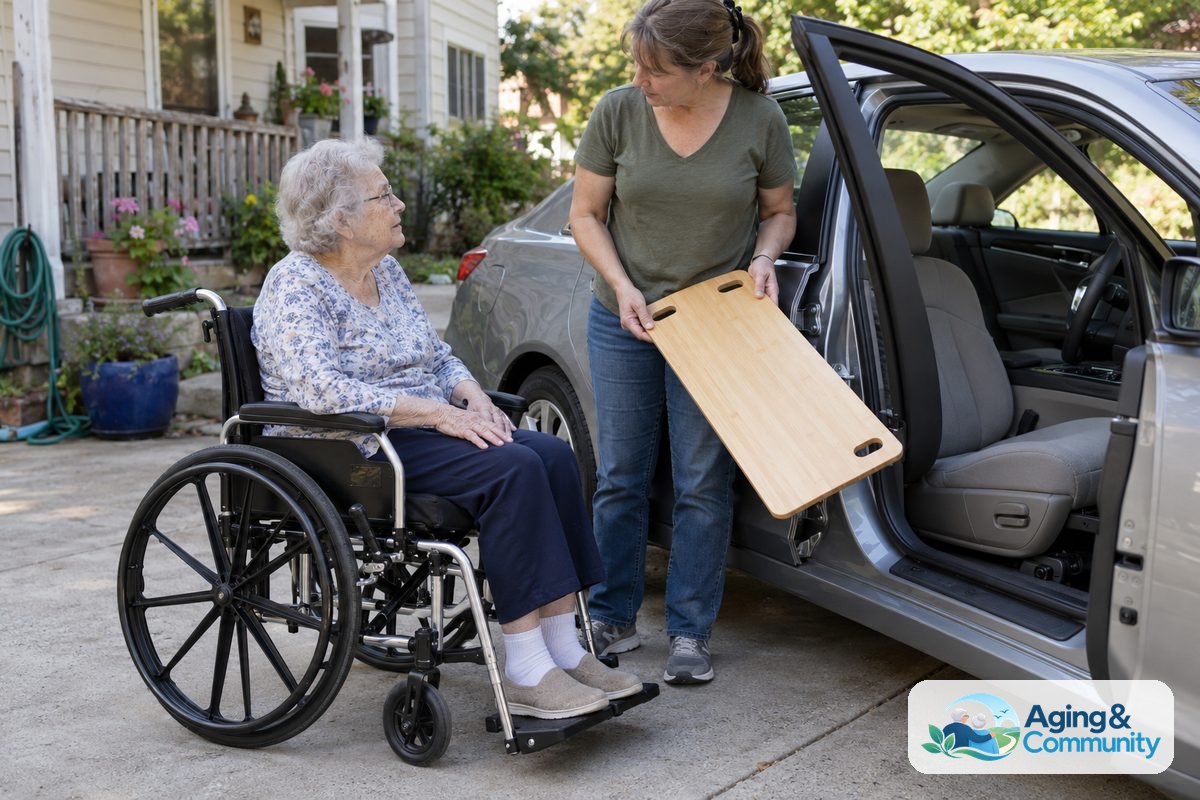
Steps for Using a Transfer Board From Wheelchair to Car
- Park on level ground and open the door wide. Choose a flat surface away from traffic, open the vehicle door as far as possible, and slide the passenger seat backward to create plenty of open space for your legs.
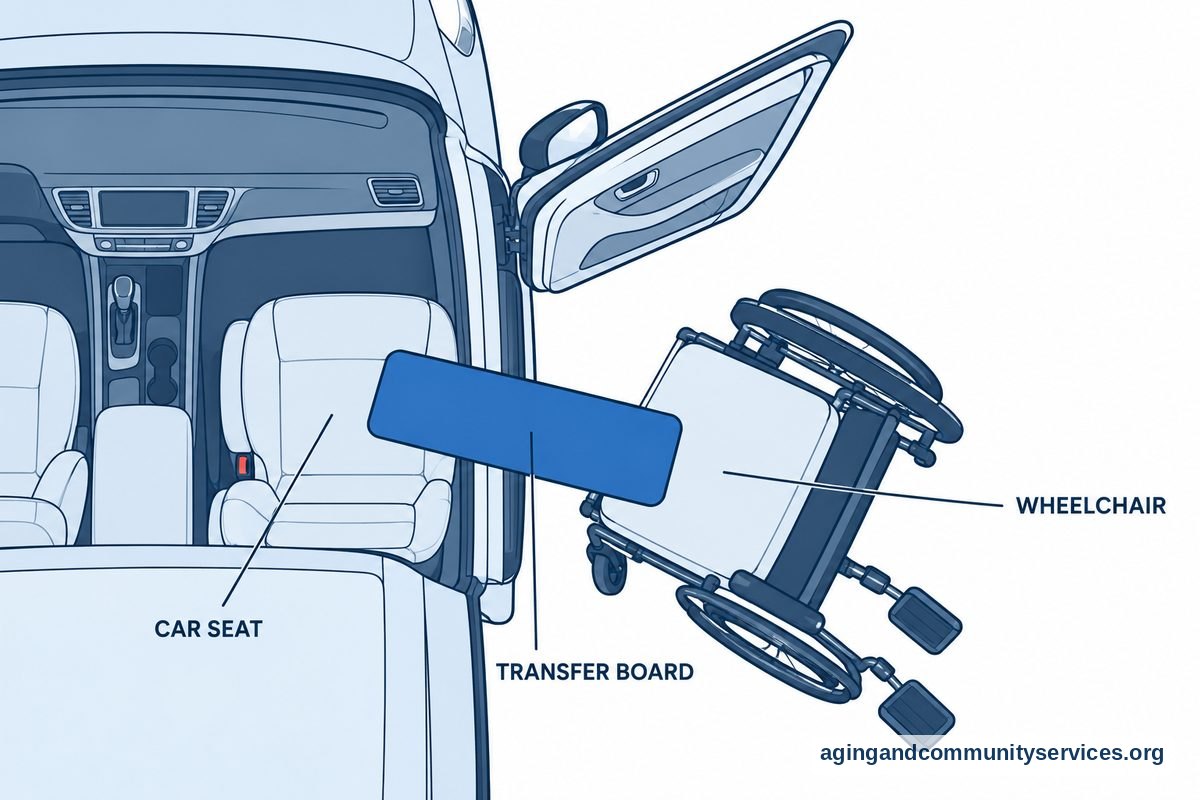
- Angle the wheelchair close to the car seat. Position the wheelchair at roughly a forty-five degree angle facing the vehicle, with the corner of the wheelchair seat tucked as close to the automobile cushion as possible.
- Lock the wheelchair brakes and clear the path. Press firmly on both wheel locks to ensure the chair cannot roll, then flip back or remove the armrest and swing away the footrests on the side closest to the automobile.
- Lean away and place the board under your thigh. Lean your upper body away from the vehicle to shift your weight onto one hip, then slide one end of the board securely under the upper thigh and buttocks. Reviewing basic tips on how to use a transfer board can help you feel secure with this bridge setup.
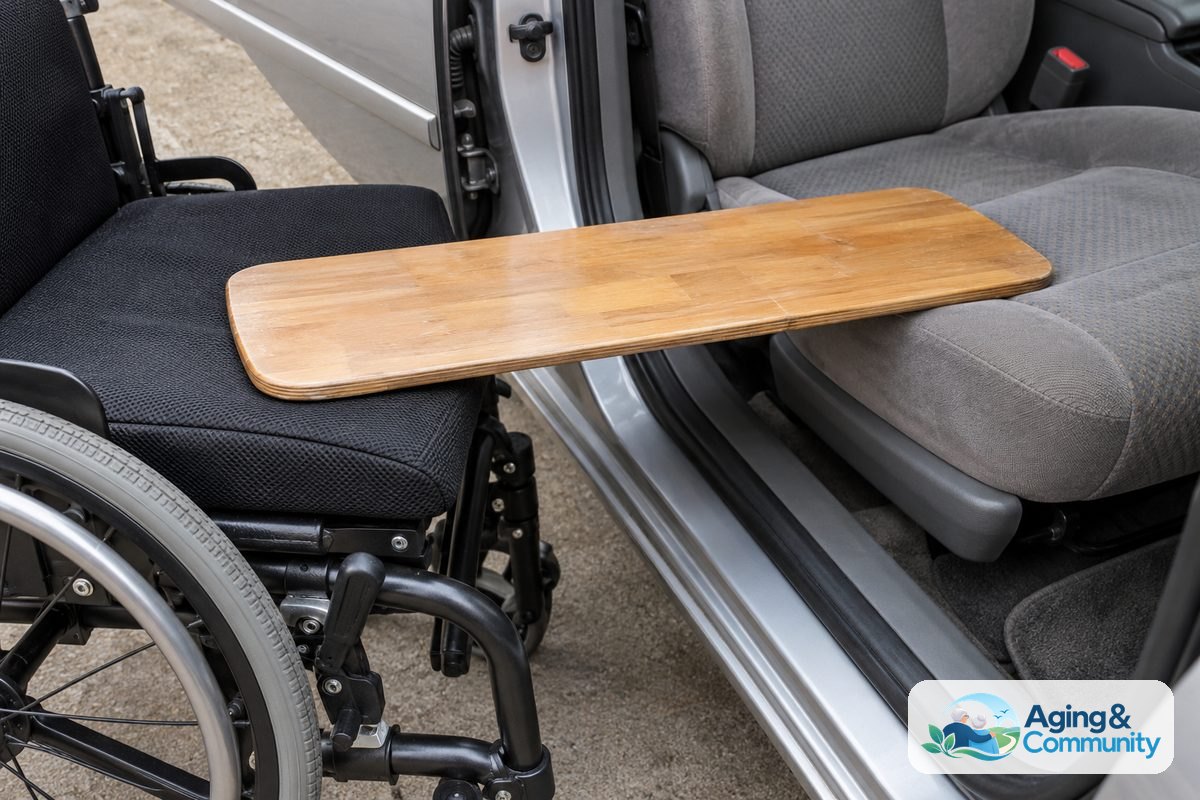
- Bridge the gap onto the vehicle seat cushion. Position the other end of the board flat on the car seat so it forms a stable ramp, ensuring both ends have at least several inches of firm support.
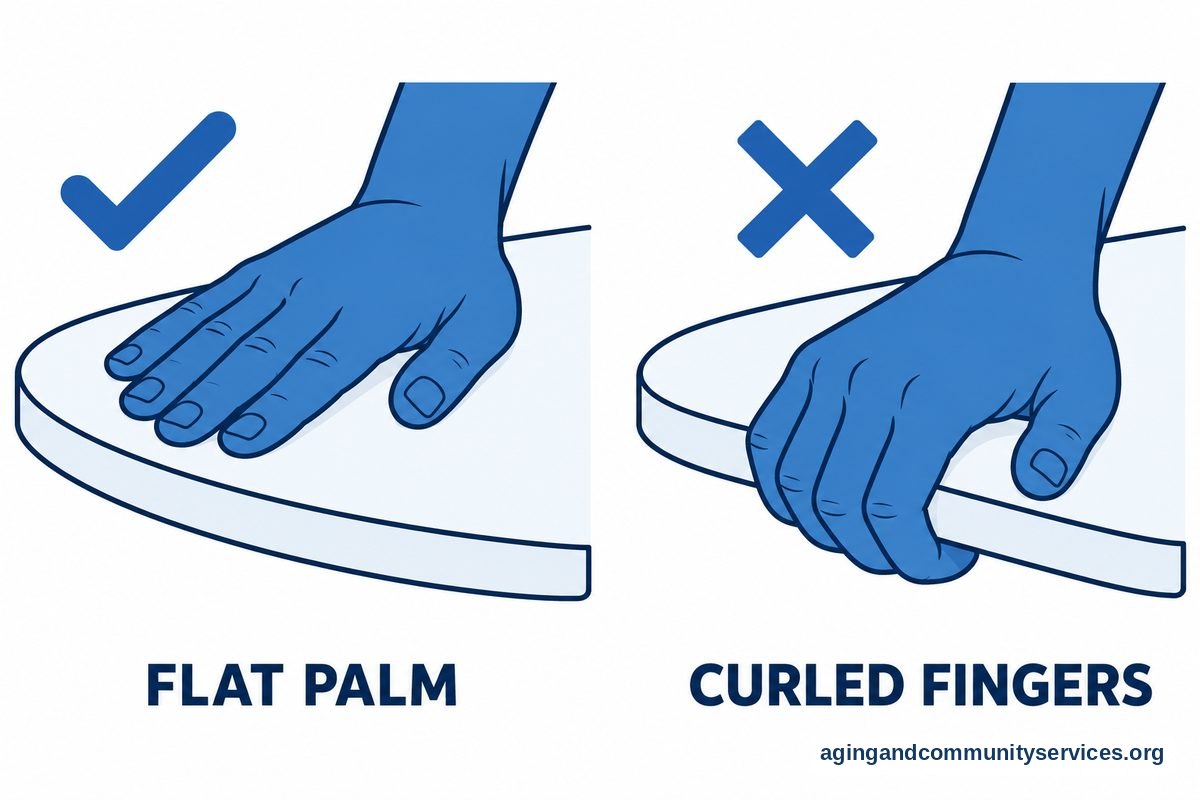
- Scoot across the board in short movements. Place your palms flat on the board or seat surface, keep your head low, and push gently upward to shift your body sideways across the board in small, controlled scoots rather than one large slide.
- Remove the board and get settled. Once your hips are fully resting on the vehicle seat cushion, lean gently away from the wheelchair to pull the board free, swing your legs inside, and fasten your seatbelt.
Common Mistakes to Avoid
- Leaving the wheelchair brakes unlocked. A chair that shifts even an inch during a movement can cause the board to slip out of place.
- Grabbing the board by its outer edges. Placing your fingers beneath the board edges can result in pinched skin as your body shifts across the surface.
- Attempting to cross the board in one large leap. Trying to cover the entire distance in a single movement increases physical strain and makes balance harder to control.
- Forgetting to check seat height differences. Sliding uphill from a low wheelchair into a high vehicle makes the process much harder and creates unnecessary fatigue.
- Leaving clothing bunched beneath you. Bunched fabric can catch on the smooth finish, which stops your momentum and makes sliding difficult.
When to Call for Help or Professional Advice
If you or your helper feel unsteady during any part of this movement, pause and speak with a physical therapist or an occupational therapist. These mobility specialists can watch your setup, recommend specific board shapes, and teach custom techniques tailored to your balance and upper body strength. You can explain that you want help mastering automobile transfers so you can travel to appointments with greater ease.
For extra support finding local mobility specialists or transportation resources, the Eldercare Locator connects families with trusted services in their home community. A professional can also evaluate your home environment and vehicle to support healthy routines for aging in place. Never hesitate to ask for a supervised practice session at a clinic before trying transfers independently on concrete or asphalt surfaces.
Setting Up Your Vehicle and Choosing the Right Gear
Preparation makes a major difference when you move between two seats. Most passenger seats adjust forward, backward, up, and down. Adjusting the automobile seat so it sits level with or slightly lower than the wheelchair cushion makes sliding across the bridge much easier. If the vehicle seat is naturally high, parking next to a low curb can sometimes balance out the heights naturally.
Using the right equipment also reduces physical strain. Some families choose curved or notched boards that fit neatly around vehicle door frames. Checking resources on the most dependable transfer boards for seniors can help you choose a board with the right length and finish for your car. Storing the board flat inside the back seat or trunk ensures it stays clean and ready for each outing.
Support Tips for Family Helpers
Helping a family member shift into a vehicle requires patience and good body mechanics. Helpers should always bend at their knees rather than their waist, keeping their back straight and their feet spaced about shoulder width apart. Following proper guidelines on falls and falls prevention can lower the risk of balance slips during daily vehicle outings.
Many caregivers prefer using a sturdy safety strap around the waist to assist with guiding movements without pulling on arms or clothing. Practicing proper steps for how to use gait belt techniques gives you a secure hold while allowing the person to do as much work as possible. Installing portable support aids like specialized car door handles for elderly passengers can also give your loved one an extra solid handhold when sitting down.

Frequently Asked Questions
Can one person complete a car transfer alone?
Yes, many people with adequate upper body strength and good sitting balance complete this movement independently. It requires steady arms, clear coordination, and a firm surface to push against. If you ever feel tired or unsure, having a companion stand nearby provides peace of mind.
What should I wear to make sliding easier?
Smooth, lightweight fabrics like cotton blends, athletic pants, or polyester slide much more easily across polished wood or plastic. Heavy denim, textured corduroy, and rubberized rainwear tend to stick to the board and car upholstery, making movement harder.
How do I handle a car seat that is higher than the wheelchair?
Sliding uphill is physically demanding and tiring. If your vehicle seat cannot be lowered with manual or power controls, try parking next to a sidewalk curb so the wheelchair sits on a higher surface, or consult a therapist about specialized transfer equipment.
How do I clean and care for a transfer board?
Wipe the board down regularly with a damp cloth and mild soap to remove dust and dirt. Avoid harsh chemicals that could strip away smooth coatings, and check the surface periodically for any cracks, chips, or rough spots that might snag on fabric.