

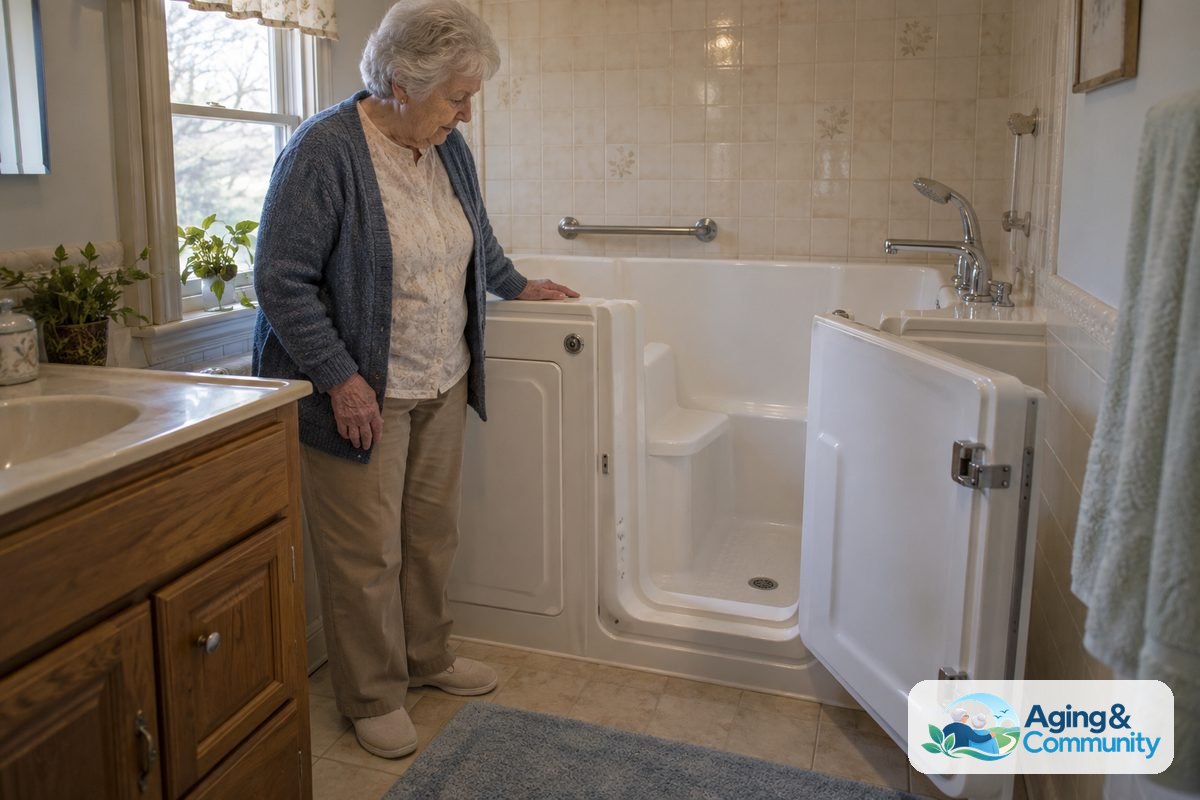
The short answer is no, a walk in tub is not covered by Medicare. Original Medicare considers these tubs to be home modifications rather than medical equipment. Because of this classification, Medicare will not pay for the tub or the installation under standard rules.
Bathing safely is very important for older adults living at home. Many people explore options like a walk-in tub to make personal care easier and more comfortable. While traditional coverage does not apply, understanding the guidelines can help you look for other forms of assistance.
What Medicare Covers and What It Doesn’t
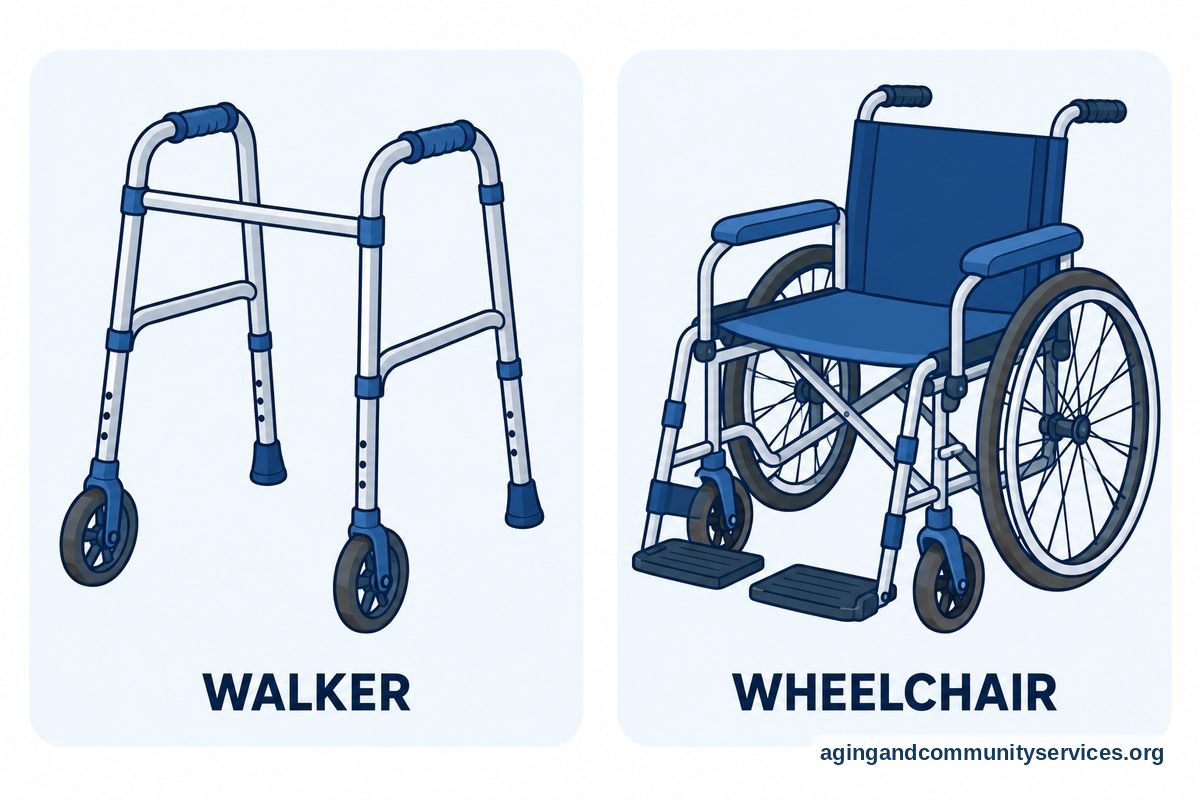
Original Medicare Part B helps pay for durable medical equipment when a Medicare-enrolled doctor prescribes it as medically necessary for use in the home. This category includes items that serve a direct medical purpose, such as hospital beds, walkers, and wheelchairs. Some items are rented while others are bought, depending on the equipment.
Original Medicare generally does not cover items it considers convenience or home modification. This means that grab bars, stair lifts, bath safety rails, and walk-in tubs are excluded from coverage. Even if a doctor writes a note saying a walk-in tub would make your home safer, standard Medicare views the tub as personal convenience furniture and building remodeling.
Similarly, bathroom products often fall outside coverage rules. For example, people often ask does medicare cover shower chair dme, and they find that standard bath chairs are also excluded as convenience items. Original Medicare also does not cover hearing aids or exams for fitting them. Other specific devices have narrow rules. For instance, Medicare Part B may cover the seat lift mechanism of a lift chair when a doctor prescribes it and medical criteria are met, but it never pays for the chair itself.
How to Get It Covered
While approval for a full walk-in tub through Medicare is rare, following proper medical equipment procedures is essential if you are seeking help for specialized equipment, such as items in our leg support guide. Here is the process you must follow whenever you try to obtain medical equipment coverage:
- Schedule an appointment with a Medicare-enrolled doctor to evaluate your mobility needs in the home. Talk with your doctor, physical therapist, or occupational therapist about your daily bathing challenges.
- Ask your healthcare provider to write a formal prescription. The doctor must document your specific health needs and describe why the requested item is medically necessary for your care.
- Locate a supplier enrolled in Medicare. You can check the official directory to find medical equipment suppliers in your area. Suppliers that accept assignment agree to charge only the approved amount. If you purchase from a non-enrolled supplier, Medicare will pay nothing.
- Submit the prescription and required documentation through the supplier. The supplier will submit the claim to Medicare on your behalf.

What You Might Pay
When Medicare does approve medical equipment, you must still cover your share of the costs. Understanding Medicare costs helps you plan for these expenses ahead of time.
First, you must meet your yearly Part B deductible. Once you have satisfied the deductible for the year, you usually pay twenty percent of the Medicare-approved amount. Medicare pays the remaining eighty percent directly to the enrolled supplier.
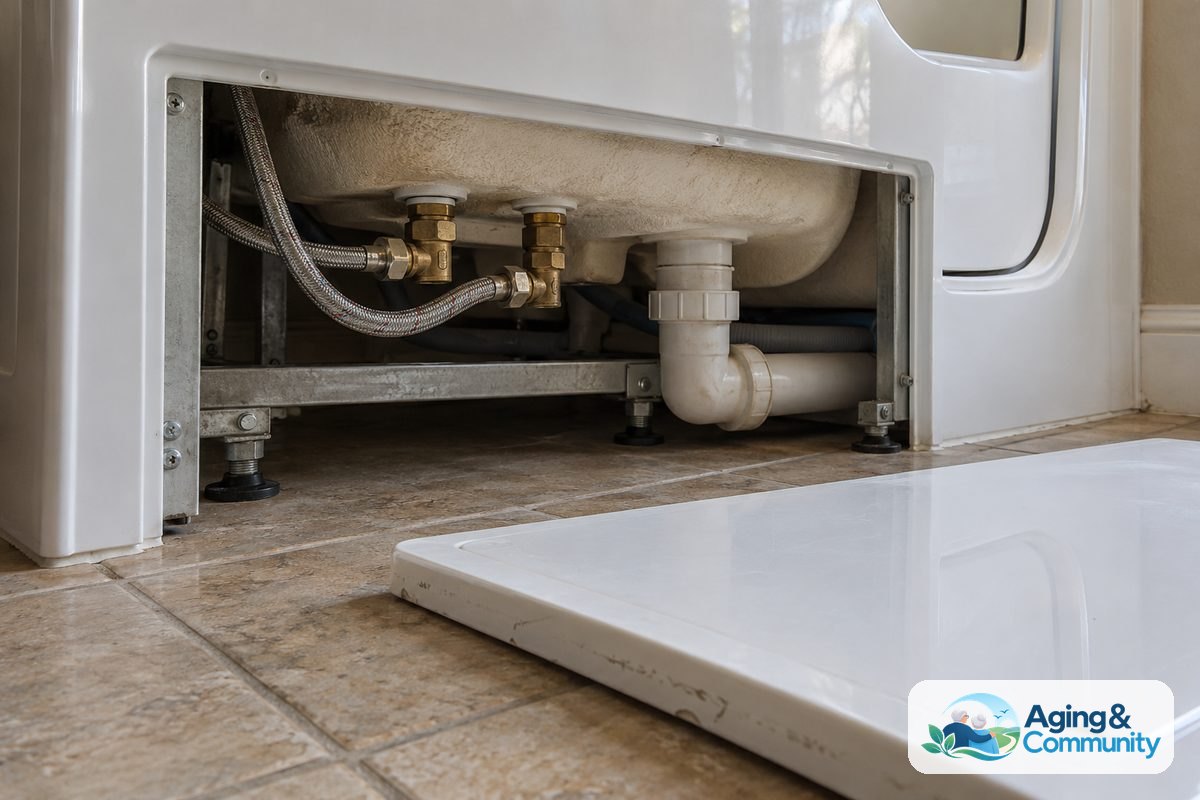
Because walk-in tubs are not approved under these rules, you should expect to pay one hundred percent of the total price out of pocket if you rely solely on Original Medicare. This includes the purchase price of the bathtub, the delivery charges, and all plumbing or electrical labor costs needed for installation.
If Medicare Won’t Pay
If you submit a claim for bathing equipment and it is denied, you have rights. You can ask for a written explanation and file an appeal. Your Medicare Summary Notice explains how to start that appeal process step by step.
You may also look into alternative programs that help pay for home safety upgrades:
- Medicare Advantage: Medicare Advantage plans must cover what Original Medicare covers and may add extra benefits. Some plans offer help with home safety modifications or personal care items. Rules, networks, and prior approval differ by plan, so you should check with your plan directly to learn what is included.
- Medicaid: Medicaid programs vary by state, but many offer home and community-based service waivers. These programs often assist with necessary home changes that allow individuals to remain safely in their houses.
- Veterans Affairs Benefits: The VA provides housing adaptation grants and safety benefits for qualifying veterans. If you or your spouse served in the military, contact your regional VA office to ask about home safety programs.
- Area Agencies on Aging: Local Area Agencies on Aging, which you can find through the Eldercare Locator, often manage community funds or low-interest loan programs. They can point you toward grants for home modifications for the elderly in your local county.
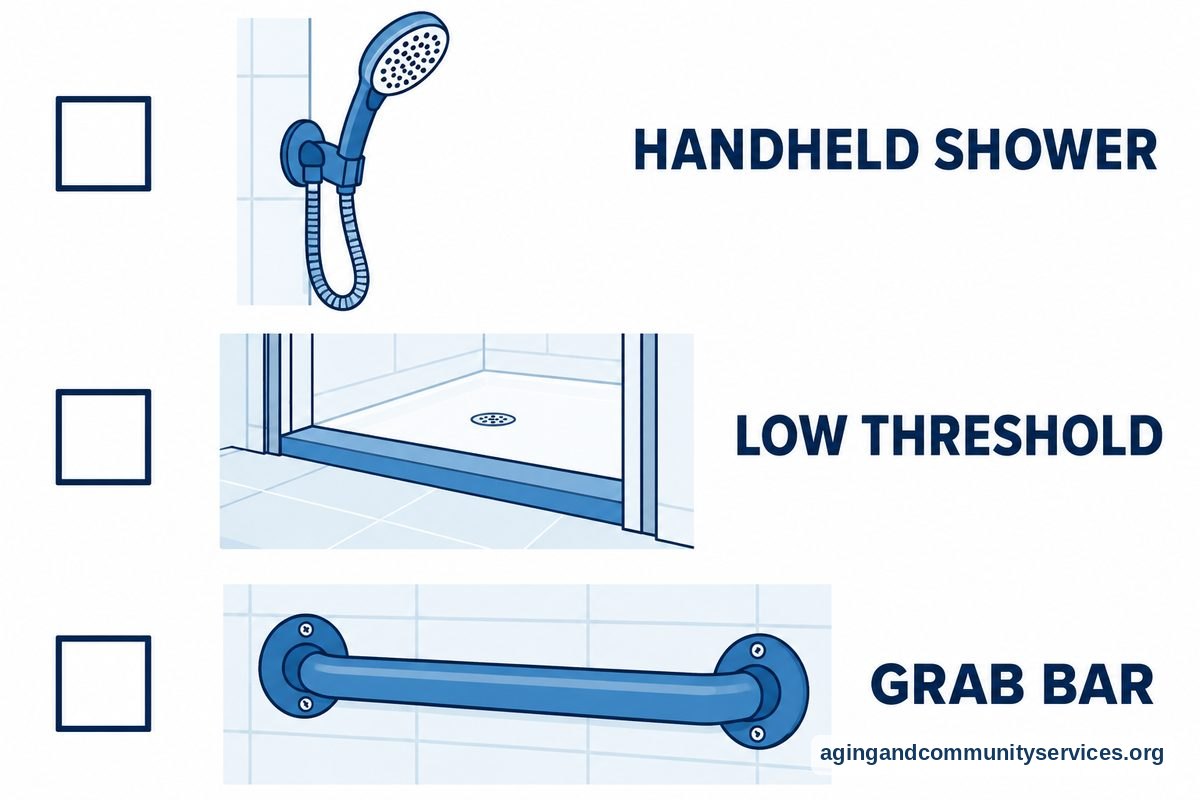
- Home Safety Alternatives: A complete walk-in tub installation can be costly. You might explore general bathroom remodeling for elderly safety, which can include handheld shower heads, lowered thresholds, and professionally installed wall supports. When you are ready to shop, reading a guide on how to choose a walk in tub can help you evaluate reliable features within your budget.
Frequently Asked Questions
Why does Medicare consider a walk-in tub a convenience item?
Medicare defines durable medical equipment as items that serve a specific medical purpose and are not generally useful to someone without an illness or injury, unlike items featured in a daily comfort guide. Because anyone can use a bathtub and tubs are permanent parts of a house, Medicare views them as home modifications rather than specialized medical equipment.
Will Medicare pay for any bathroom modifications?
Original Medicare generally does not pay for bathroom modifications. Items such as grab bars, raised toilet seats, walk-in showers, and bath safety rails are classified as personal convenience or home improvements, so Medicare does not pay for them.
Can a Medicare Advantage plan pay for a walk-in tub?
Some Medicare Advantage plans provide supplemental home safety benefits that go beyond Original Medicare. Coverage varies widely between companies and geographic regions. You must review your plan summary or call customer service to see if your plan includes home modification allowances.
What is the first step if my equipment claim is denied?
If an equipment claim is turned down, read your Medicare Summary Notice carefully. It will state the exact reason for the denial and outline the specific deadlines and paperwork you need to submit a formal appeal.