

A wearable walkie talkie for seniors offers an easy way to stay in touch with family or caregivers around the house and yard. These small, two-way devices clip to clothing or hang from a lanyard, letting you talk instantly without dialing phone numbers or navigating touchscreens. For many households, they provide a simple and reliable communication bridge for daily routines.
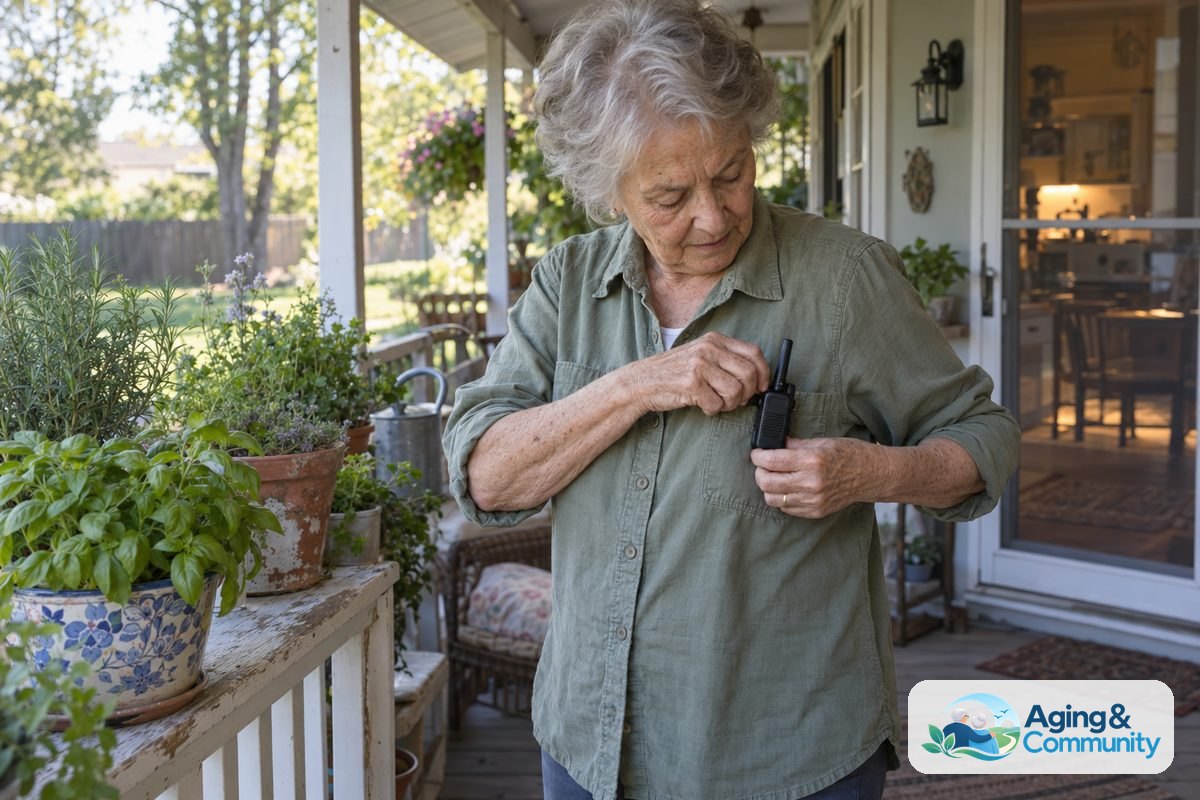
How Wearable Walkie Talkies Work Around the Home
Two-way radios use radio frequencies instead of cellular networks or internet connections. When you press the talk button, your voice transmits directly to the matching unit in real time. Releasing the button lets you hear the other person reply right away.
Because these tools do not rely on strong cellular signals or home Wi-Fi, they work well in areas where cell service can be spotty, like basements, detached garages, and backyards. Most models use standard family radio frequencies that require no special license or monthly subscription fees.
Many families find that traditional cell phones can be cumbersome for quick check-ins. A phone requires unlocking a screen, opening an app, and waiting for the call to connect. A wearable unit allows for immediate conversation with a single press, which makes casual updates throughout the day effortless.
Key Features to Look for in a Wearable Unit
Not every radio works well for everyday domestic use. When choosing a model for home communication, several specific features make daily use much easier and more comfortable.
- Lightweight Design: Look for units that weigh only a few ounces so they do not pull on clothing or cause neck strain when worn on a lanyard.
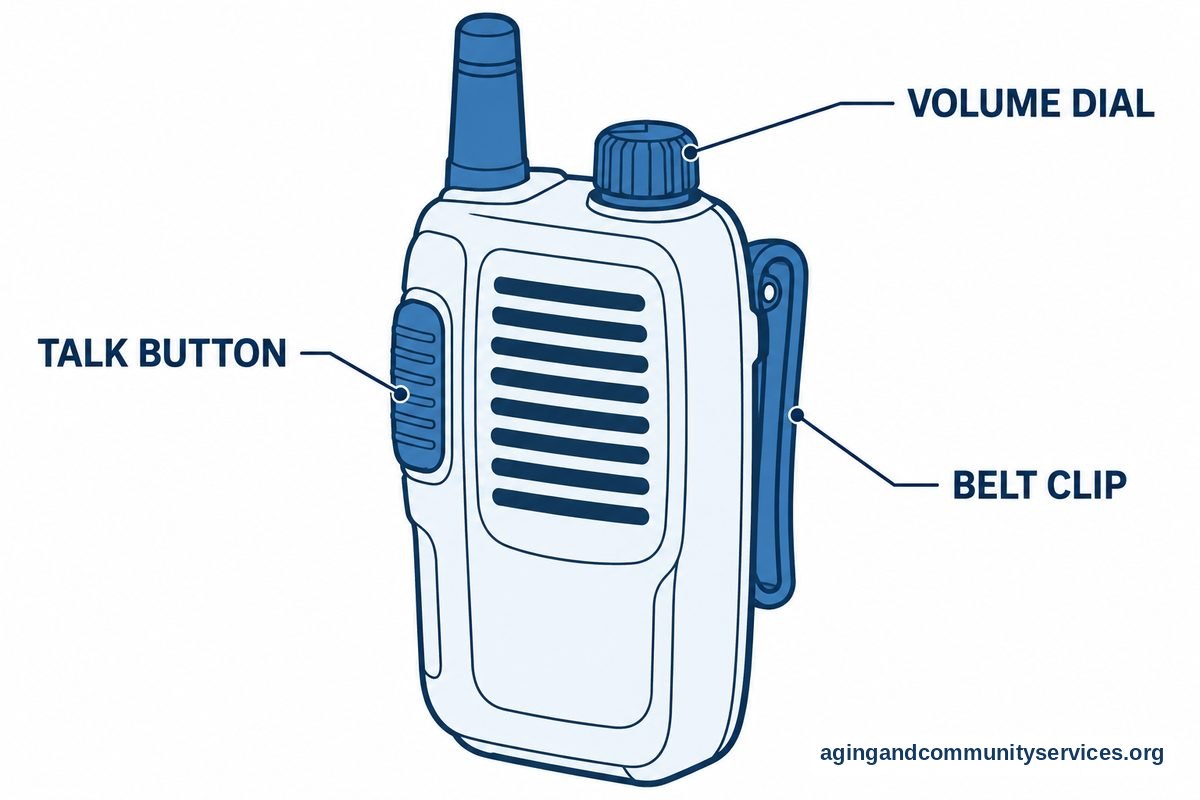
- Simple Button Layout: Large, textured buttons help users find the talk control by touch alone, without needing to look closely at the device.
- Hands-Free Voice Activation (VOX): Some units can transmit automatically when you speak, which is helpful for anyone with arthritis or limited grip strength.
- Clear Volume and Sound: Dedicated volume dials or rocker switches allow quick adjustments, and crisp speakers make voices easy to understand.
- Drop Resistance: Durable plastic casings protect internal components if the unit accidentally slips from a pocket or table.
For more formal safety monitoring that connects to 24-hour response centers, families often compare these radios with a dedicated wearable medical alert for seniors.
Comparing Walkie Talkies to Other Alert Options
It helps to know how a two-way radio fits into the broader picture of home communication and safety tools. Each device serves a slightly different household purpose.
| Device Type | Best Used For | Monthly Fee? | Range |
|---|---|---|---|
| Wearable Walkie Talkie | Instant two-way chat between household members | No | Hundreds of feet to short neighborhood distances |
| Personal Sound Alarm | Emitting loud sirens to startle intruders or call nearby help | No | Audible range inside or immediately outside home |
| Monitored Alert System | Connecting to trained operators during medical events | Yes | Home-based range or nationwide cellular range |
While a walkie talkie allows back-and-forth conversation, some individuals also carry simple personal alarms for elderly household members who only need to make a loud sound to call for assistance. In contrast, comprehensive elderly alert systems are specifically designed to summon outside emergency services if a household member cannot be reached.
Daily Ways to Use a Wearable Radio
Two-way radios are versatile tools that support practical independence throughout the day. They allow people to remain connected without feeling closely watched or hover-managed.
One common use is garden and yard communication. If someone enjoys tending plants in the backyard while a family member works inside, the radio allows for quick lunch calls or check-ins without shouting across the lawn. The National Institute on Aging discusses the benefits of aging in place comfortably, and keeping communication simple is a big part of that success.
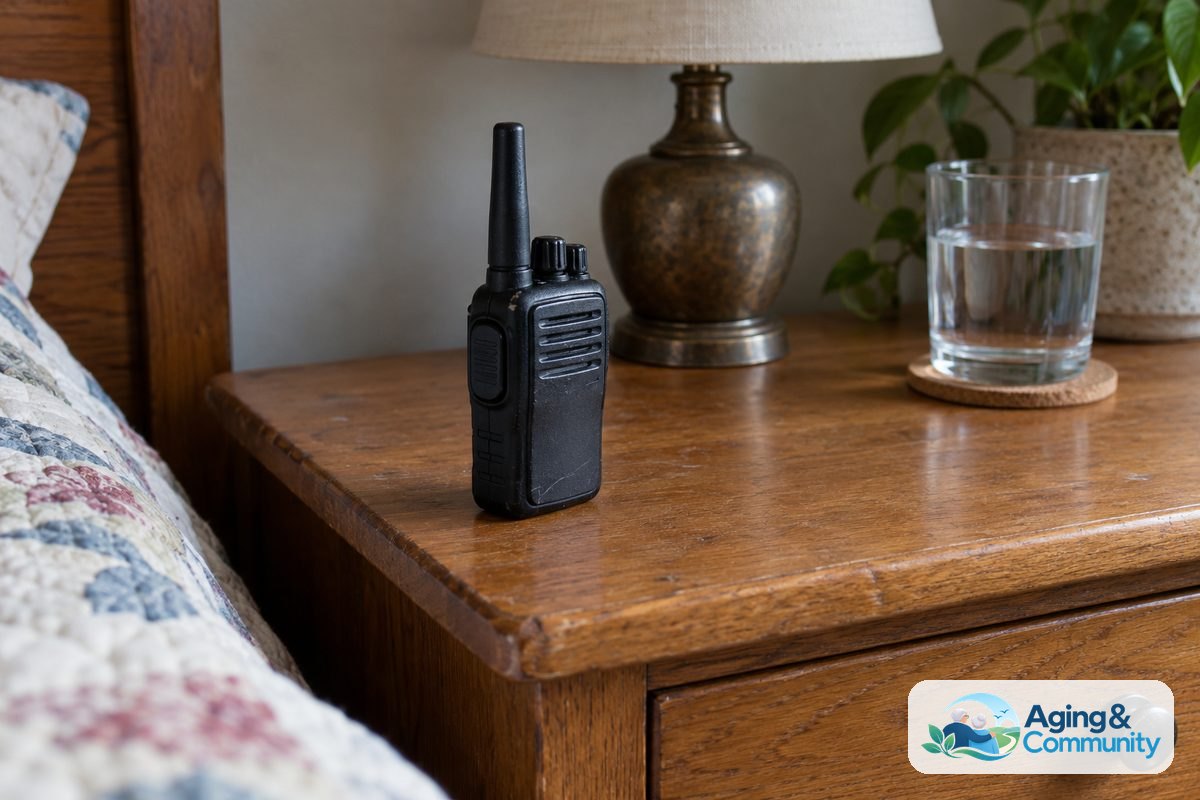
Another common use is room-to-room coordination during recovery from illness or surgery. Resting in bed while keeping a lightweight radio on the nightstand makes it easy to ask for a glass of water, extra blankets, or assistance getting to the bathroom. Because many households also want protection against sudden physical mishaps, pairing communication with a specialized wearable safety device for elderly relatives can offer added reassurance.
Practical Steps to Set Up Your System
Getting started with two-way radios is straightforward, but taking a few deliberate steps ensures they work smoothly when you need them.
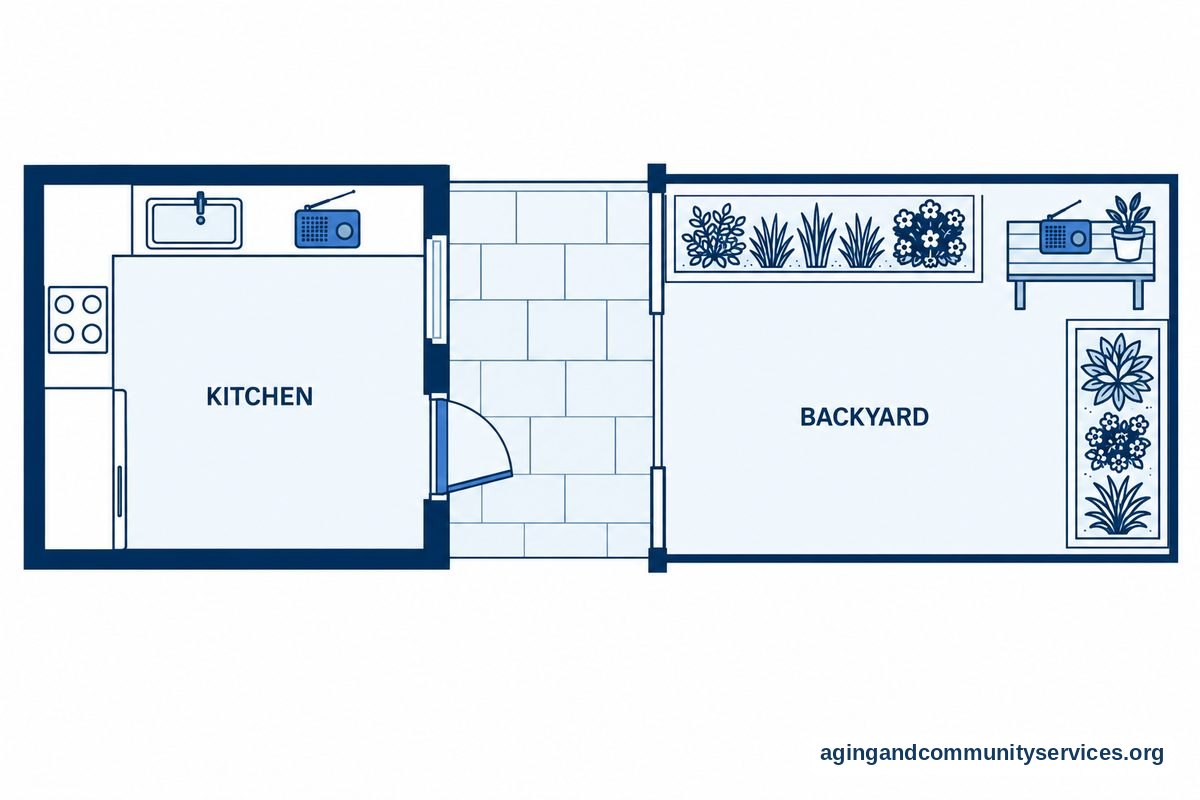
- Test Range and Clear Channels: Walk through every room, the garage, and the edges of the yard while talking to ensure there are no dead spots or static interference from appliances.
- Establish a Charging Routine: Place drop-in charging docks on nightstands or kitchen counters where putting the radio away to recharge becomes a natural evening habit.
- Label the Controls: If the unit has extra buttons that change channels, consider covering them with tape or locking the keypad so the settings do not get bumped by mistake.
- Consult Daily Needs: Speak with a physical therapist or occupational therapist about where to clip or wear the radio to avoid interfering with canes, walkers, or balance aids. For support programs in your area, you can also reach out to the Eldercare Locator.

Frequently Asked Questions
Can a walkie talkie call emergency services directly?
No, standard walkie talkies cannot call 911 or dispatch emergency personnel. They only communicate with other radios tuned to the exact same channel and privacy code. For outside emergency dispatch, a dedicated telephone or monitored alert device is necessary.
How far do wearable walkie talkies work?
Most compact wearable units work across several hundred feet indoors and throughout typical residential properties. While packaging may claim several miles, thick walls, metal framing, and outdoor trees reduce that distance significantly. For single-family homes and yards, standard models generally provide plenty of coverage.
Are wearable walkie talkies waterproof?
Most basic units are water-resistant against light rain or splashes, but they are not fully waterproof. They should not be worn in the shower or submerged in a bath. If you need a communication tool specifically for the bathroom, look for an alert unit with a verified waterproof rating.
How long does the battery last on a small wearable unit?
Battery life typically ranges from 12 to 24 hours of normal standby and intermittent talking. Models that feature drop-in charging bases are generally easiest to manage, as you simply set the unit in the cradle overnight without fumbling with small charging cords.