

Knowing where should grab bars be placed can make daily bathroom routines feel steadier and less stressful. Use this checklist to review each area, note what needs changing, and decide when to ask a trained installer, occupational therapist, or physical therapist for help.
Grab bars work best when they match the person, the space, and the movement being supported. The items below focus on common bathrooms, with simple notes on grab bar standard height, location, and placement for older adults.
Toilet Area
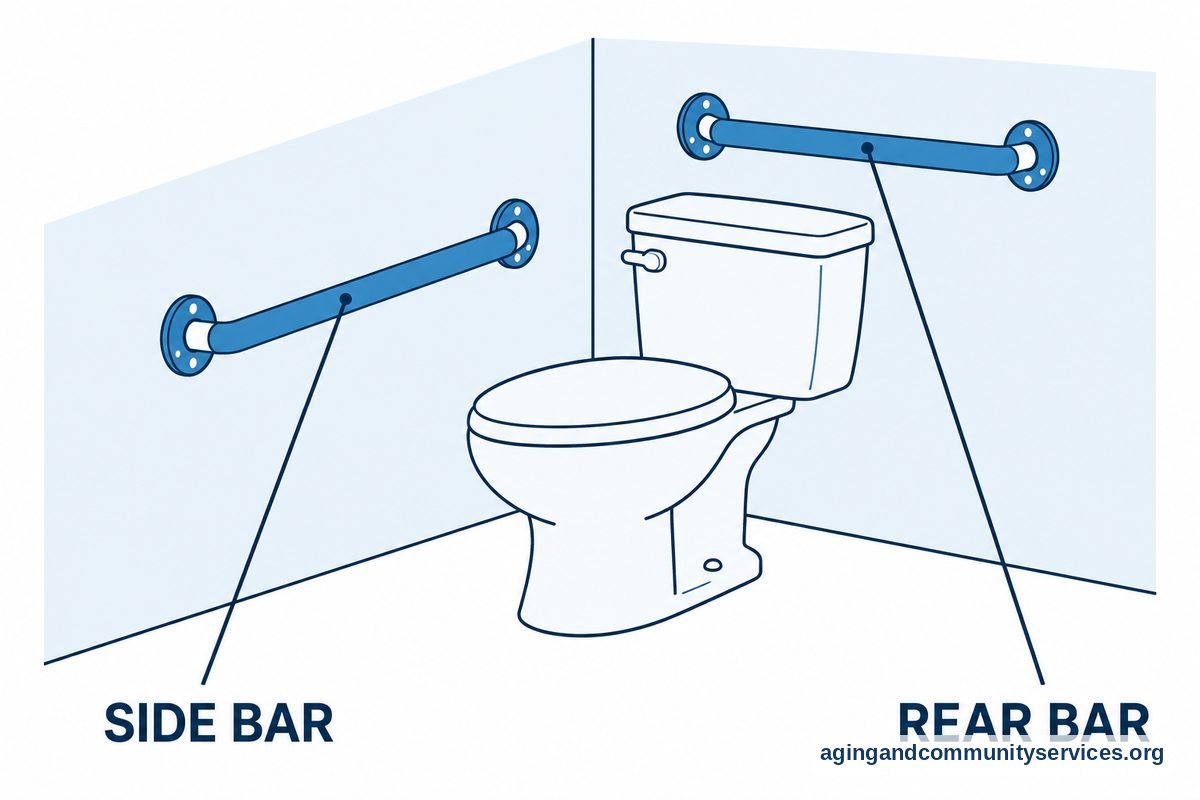
- Check the path to the toilet and make sure a person can reach a secure bar before turning or sitting.
- Add a horizontal side wall bar when there is a wall beside the toilet, using a height that supports the person during sitting and standing.
- Check the common ADA grab bar height for a side toilet bar, often placed 33 to 36 inches above the finished floor to the top of the gripping surface.
- Add a rear wall bar behind the toilet when wall space allows, especially in bathrooms used by more than one person.
- Move towel bars, toilet paper holders, or shelves that block the hand from reaching the grab bar.
- Replace suction cup bars with properly mounted bars for regular weight bearing, unless a professional says the temporary bar is right for that use.
- Check whether more detail on toilet grab bar height would help before choosing the final location.
For many homes, the toilet area is one of the most useful places to add support. A bar should be close enough to reach without leaning far, but not so close that it blocks the body from turning.
Walk In Shower
- Check the shower entrance first, because stepping over a small lip or through a narrow opening often needs steady hand support.
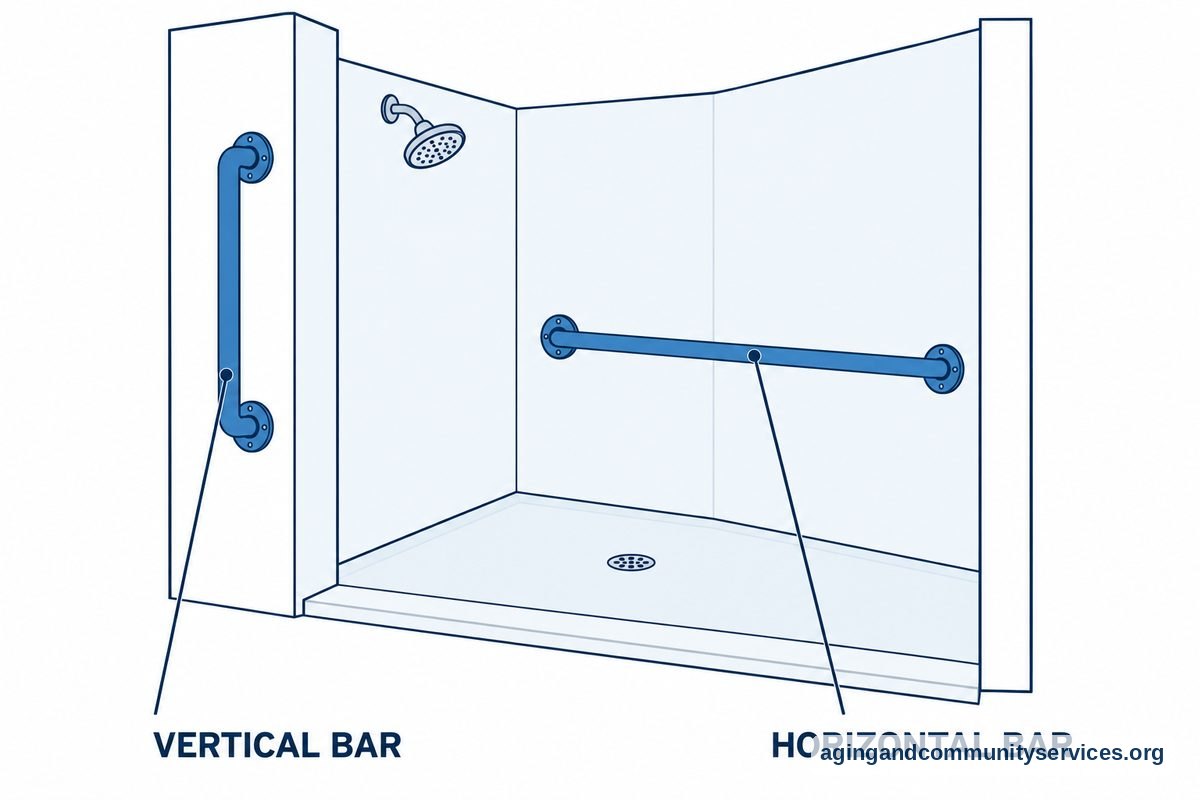
- Add a vertical grab bar near the shower entry so the person can hold it while stepping in and out.
- Check vertical grab bar height by matching it to the user, often with the lower end near waist level and the upper end within easy reach.
- Add a horizontal bar along the long shower wall for support while standing, rinsing, or turning.
- Move soap dishes, caddies, or handheld shower holders if they force the bar too high, too low, or too far away.
- Replace loose wall panels or weak mounting surfaces before installing any bar that will carry body weight.
- Check a more detailed shower grab bar placement guide if the shower has a bench, glass door, or unusual layout.
In a shower, the best grab bar placement guide starts with the steps the person already takes. Watch the routine with permission, then mark where a hand naturally reaches when entering, turning, washing, and leaving.
Bathtub And Tub Shower
- Check the tub edge and note where the person places a hand when stepping over it.
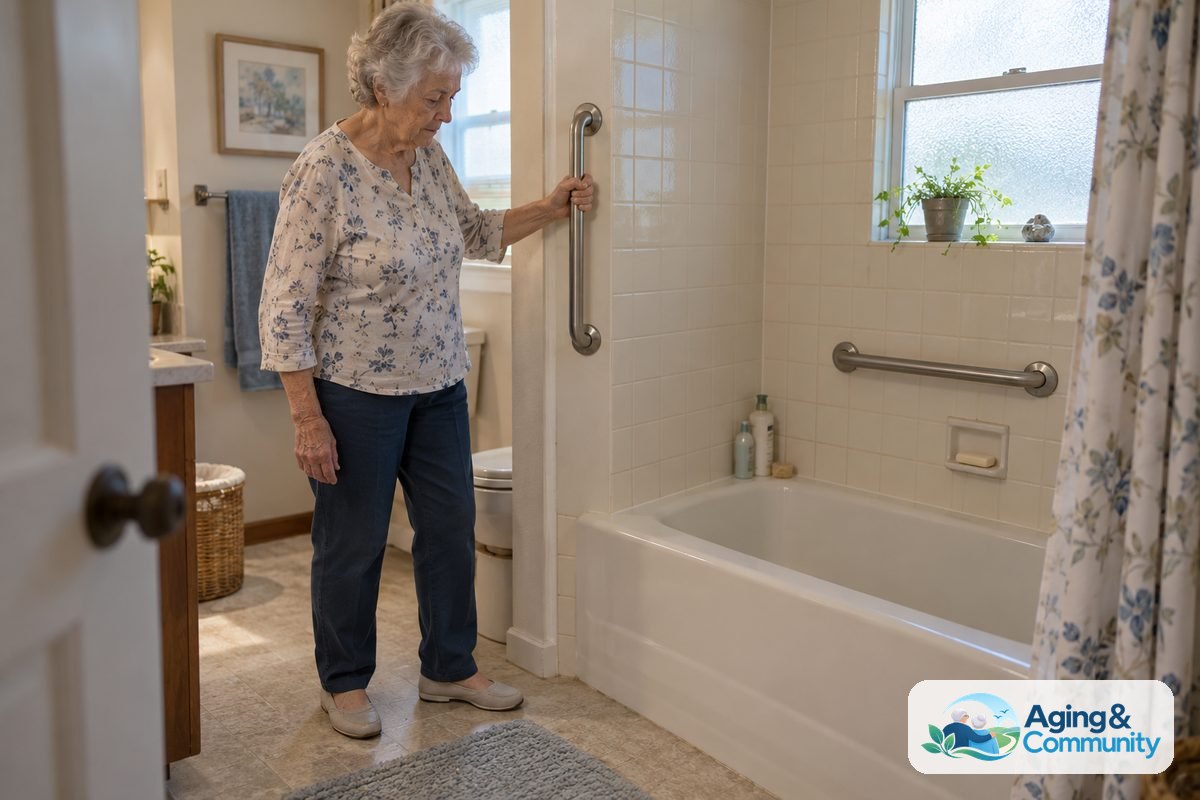
- Add a vertical bar on the wall near the tub entry to support the step in and step out movement.
- Add a horizontal bar on the long wall of the tub for steady support while standing or shifting position.
- Check whether a second bar near the faucet wall would help with turning on water or reaching a handheld shower.
- Move bath products, hanging baskets, or curtains that make it hard to grip the bar fully.
- Replace clamp on tub bars if they slip, do not fit the tub wall, or are not suited to the person using them.
- Check bathtub grab bar placement notes before drilling through tile or fiberglass.
Bathtub grab bars should support a slow, steady movement over the tub wall. If the person sits on a bath chair or transfer bench, ask an occupational therapist or physical therapist where a hand should land during each part of the transfer.
Bathroom Doorway And Approach
- Check whether the person reaches for the door trim, sink, towel bar, or wall while entering the bathroom.
- Add a grab bar near the doorway if there is a steady wall surface and it supports the way the person turns into the room.
- Move rugs, hampers, or trash cans that crowd the path to the toilet, tub, or shower.
- Replace low light bulbs or blocked night lights so the grab bar and floor edge are easy to see.
- Check that the bar does not block the door swing, walker path, or caregiver space.
- Add contrast if needed, such as a bar color that is easier to see against the wall.
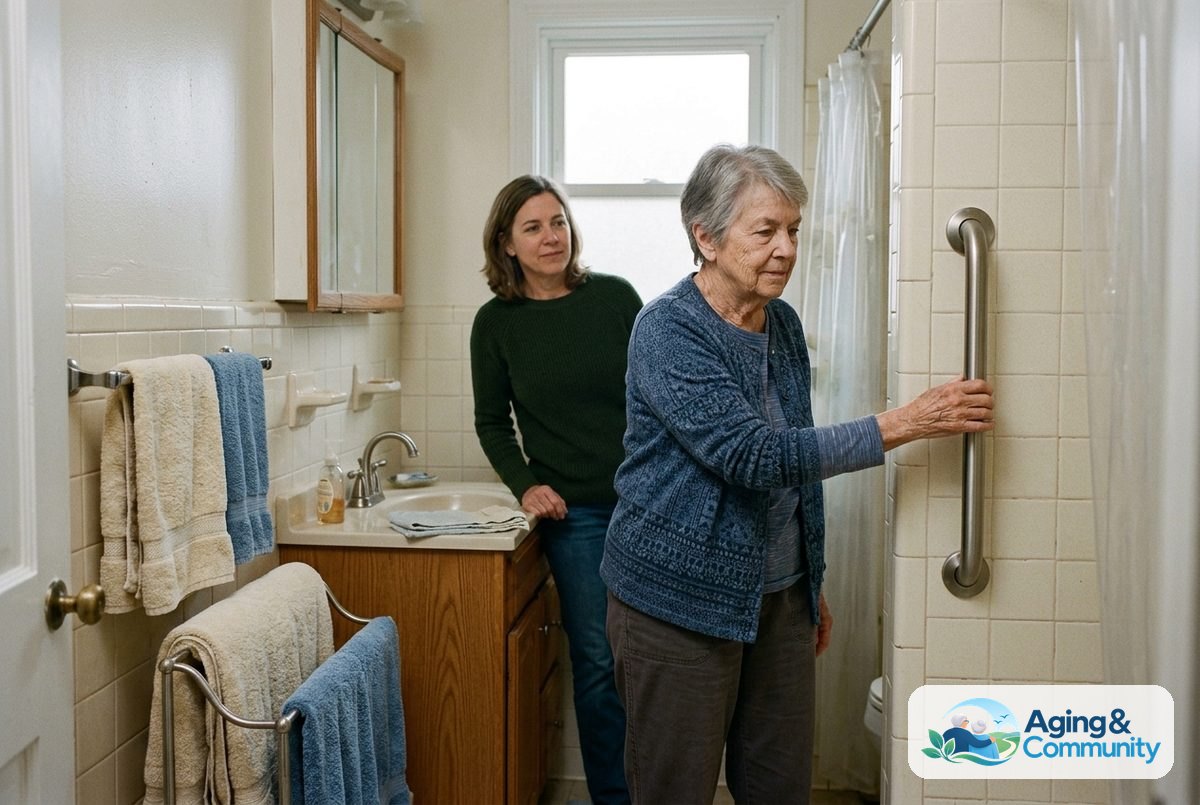
The doorway is often left out of a bathroom grab bars for elderly placement plan, but it matters. A person may need support before reaching the toilet or shower, especially during a turn in a small room.
Sink And Vanity Area
- Check whether the person leans on the sink, vanity, or counter when washing hands or brushing teeth.
- Add a nearby grab bar only if it can be mounted to a strong wall or solid backing.
- Move cleaning supplies, wastebaskets, or stools that make the stance narrow or awkward.
- Replace a loose vanity or wobbly sink before relying on anything in that area for support.
- Check that cabinet doors and drawers can open without hitting the grab bar.
- Add a bar in a place that supports balance without encouraging the person to pull sideways on plumbing or fixtures.
A sink can feel sturdy, but many sinks are not made to be pulled on. If a person often grabs the sink edge, that is a useful sign that a real support point may be needed nearby.
Shower Bench Or Bath Seat
- Check the seated position and see where the person reaches when sitting down, shifting, and standing up.
- Add a horizontal bar beside the seat when the wall location allows a natural push or pull motion.
- Add a vertical bar near the front edge of the seat if it helps the person steady the body while rising.
- Move the seat if it places the person too far from the safest wall support.
- Replace a seat that slides, rocks, or forces the person to twist toward the grab bar.
- Check with a physical therapist or occupational therapist if the person needs help with transfers, weakness, dizziness, or joint pain.
The National Institute on Aging says home changes and assistive devices can lower the risk of falls, and its falls prevention guidance includes practical steps to discuss with a professional. A bench or seat works best when the grab bar, seat height, and shower controls are planned together.
Shared Or Guest Bathroom
- Check who uses the bathroom most often and whether one layout can serve more than one person safely.
- Add bars in common support zones, such as the toilet side wall, shower entry, and long shower wall.
- Check ADA grab bar height and location as a helpful reference, while remembering that a private home can be adjusted for the person.
- Move decorative items that make bars harder to see, reach, or clean.
- Replace thin towel bars with real grab bars if people have started using them for balance.
- Add a plan for future changes if a family member may need more support later.
- Check a broader grab bar placement guide when planning more than one bathroom.
Shared bathrooms need simple choices that do not depend on one exact height or habit. If two people have very different needs, a professional home safety visit can help set priorities.
Wall Strength, Fasteners, And Bar Type
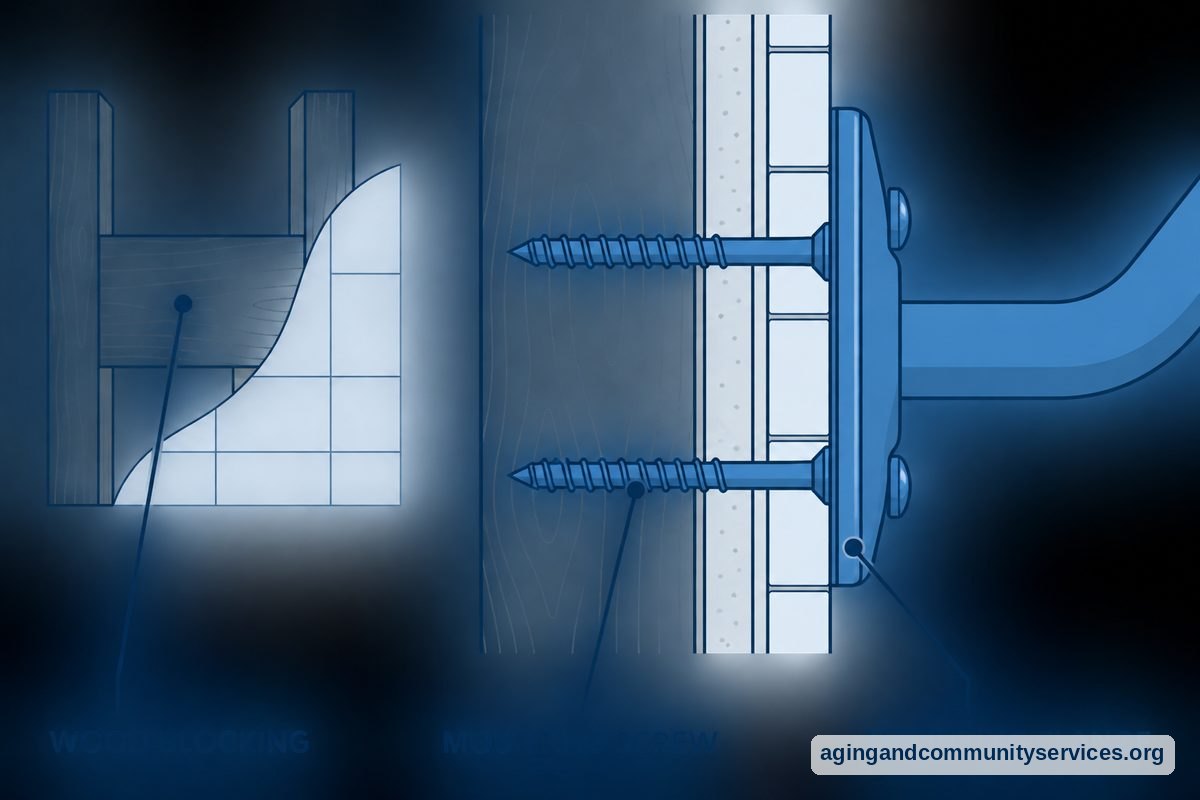
- Check that each grab bar is attached to wall studs, blocking, or another approved solid support.
- Add wood backing during a remodel when the final bar location is known or likely.
- Move the planned bar location if tile seams, plumbing, or weak wall material make secure mounting difficult.
- Replace decorative or light duty bars that are not rated for support with bars made for bathroom safety.
- Check the bar diameter, texture, and wall clearance so the hand can wrap around it comfortably.
- Add professional installation if you are unsure what is behind the wall or how to seal drilled holes.
Good placement is only useful when the bar is firmly mounted. If you are planning wider aging in place changes, the National Institute on Aging offers a helpful overview of aging in place at home.
Grab Bar Height Standards At A Glance
| Location | Common Height Or Placement | What To Check |
|---|---|---|
| Toilet side wall | Often 33 to 36 inches above the floor to the top of the bar | Check reach while sitting and standing |
| Toilet rear wall | Often aligned with side bar height when space allows | Check tank, lid, and wall clearance |
| Shower horizontal bar | Often near waist height for the main user | Check reach during turning and rinsing |
| Shower vertical bar | Often placed near the entry with easy reach from outside and inside | Check step in and step out movement |
| Tub entry vertical bar | Often placed where the hand reaches while stepping over the tub wall | Check both directions of travel |
ADA measurements are useful guideposts, especially in public spaces, but a private home should also fit the person using the bathroom. When in doubt, mark the wall with painter tape first and ask the user to show where the hand naturally lands.
How to Use This Checklist
Walk through this checklist during a calm time, not while someone is rushing to bathe or use the toilet. Include the person who uses the bathroom, a family helper if welcome, and a trained installer when wall strength or tile drilling is involved.
Review the checklist after a move, remodel, hospital stay, new mobility aid, or any change in how the bathroom is used. For many households, it also helps to review the bathroom every few months and after adding a shower chair, raised toilet seat, or handheld shower.
If needs are complex, ask a doctor for a referral to an occupational therapist or physical therapist. For local help finding home support services, the Eldercare Locator may be a useful starting point.

Frequently Asked Questions
What Is The Grab Bar Height Standard?
A common standard for many toilet grab bars is 33 to 36 inches above the finished floor, measured to the top of the gripping surface. This is often used when people ask about standard grab bar height or grab bar standard height.
That number is a guide, not the only factor. The right height also depends on body size, toilet height, reach, wall space, and whether the bar is used for sitting, standing, or steadying.
What Is The Grab Bar Height For ADA Bathroom Use?
For many ADA bathroom layouts, grab bars are placed 33 to 36 inches above the finished floor, measured to the top of the gripping surface. ADA grab bar height and location also depend on the fixture, clear floor space, and bar length.
In a private home, ADA guidance can be helpful, but it may not fit every person. If someone has trouble reaching the bar, ask an occupational therapist, physical therapist, or qualified installer to review the setup.
What Is The Best Vertical Grab Bar Height?
Vertical grab bar height should match the movement it supports. Near a shower or tub entry, the bar should be reachable before the person steps in and still reachable after stepping inside.
A common approach is to place the bar so the lower part is around waist level and the upper part is within easy hand reach. Have the user stand in the normal spot and show the natural hand path before installing it.
What Is A Simple Grab Bar Placement Guide For Bathrooms?
Start with the toilet, shower entry, long shower wall, tub entry, and any place where the person already reaches for a towel bar, sink, or door frame. Add support where the hand is needed during real movement, not just where the wall looks open.
For a wider product overview, a page on bathroom safety bars can help compare common bar types and uses.
How Should Bathroom Grab Bar Placement For Elderly Family Members Be Chosen?
Choose placement with the person, not just for the person. Ask them to describe where they feel unsteady, then watch the routine with permission and privacy in mind.
Mark possible locations with painter tape before drilling. If the person uses a walker, cane, shower chair, raised toilet seat, or transfer bench, ask a therapist or trained installer to check the full setup.