

Understanding why aging in place is important starts with the everyday home: the rooms, routines, and choices that help a person feel steady, respected, and connected. This checklist helps older adults and family members look at each area of the home in a calm, practical way.
Use it as a walk-through guide, not a test. Pick one area at a time, make notes, and decide what is simple to change now and what may need help from a contractor, doctor, physical therapist, or occupational therapist.

Front Entry and Outside Paths
- Check that the walkway is even, clear, and easy to see from the street or driveway.
- Add bright outdoor lighting near steps, doors, mailboxes, and parking areas.
- Move planters, hoses, decorations, and loose mats away from the walking path.
- Replace broken steps, loose railings, or cracked paving with stable surfaces.
- Add a sturdy handrail on both sides of outdoor steps when possible.
- Check that door locks, keys, and keypads are easy to use in good and low light.
- Move often-used items, such as trash bins or delivery boxes, closer to the door.
A safe, clear entry can make daily life feel less stressful. It also helps visitors, caregivers, and emergency workers reach the home without delay or confusion.

Living Room and Main Walking Areas
- Check that furniture leaves wide, clear paths from room to room.
- Move coffee tables, footstools, cords, and baskets out of common walking routes.
- Replace loose area rugs with non-slip rugs or remove them completely.
- Add lamps or brighter bulbs in corners, hallways, and favorite sitting areas.
- Check that chairs are firm, stable, and easy to get in and out of.
- Move remote controls, phones, glasses, and tissues within easy reach of a favorite seat.
- Add contrast tape or simple markers to step edges if a room changes level.
Many people ask, is aging in place a good idea? For many households, it can be a good option when the home supports daily movement, rest, meals, hygiene, and connection. The goal is not to make the home perfect. The goal is to make it easier to live in with less strain.
Kitchen and Meal Areas
- Check that the most-used dishes, pans, and foods are between shoulder and knee height.
- Move heavy pots, mixers, and bulk items to shelves that do not require reaching or bending.
- Replace slippery floor mats with non-slip mats that lie flat.
- Add task lighting over counters, the stove, and the sink.
- Check that appliance knobs, labels, and timers are easy to read and turn.
- Move cleaning products away from food and keep labels facing forward.
- Add a stable chair or stool nearby for rest during longer kitchen tasks.
- Check that smoke and carbon monoxide alarms are working and easy to hear.
The kitchen often shows whether a home still fits a person well. If reaching, lifting, or standing is becoming tiring, small changes can protect energy for cooking, eating, and enjoying the day.
Bathroom
- Check that the path to the bathroom is well lit at night.
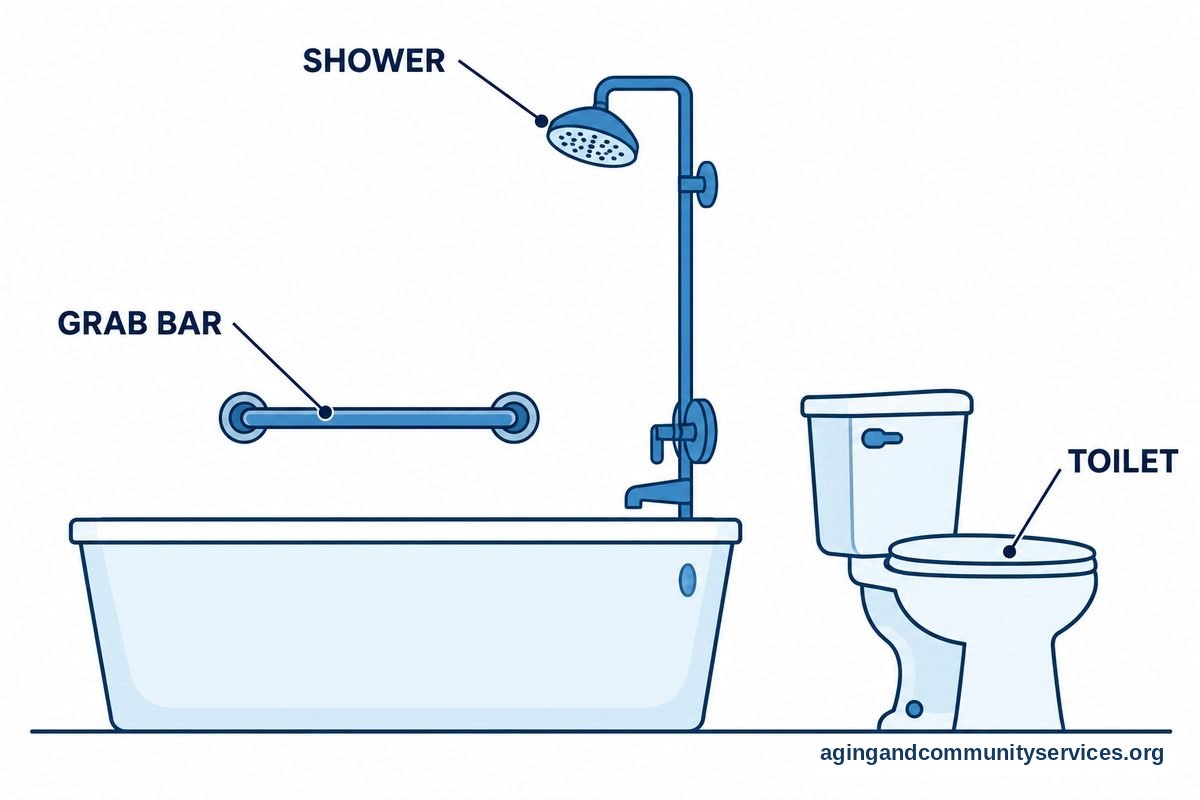
- Add grab bars near the toilet and bathing area, installed into secure support.
- Replace towel bars used for balance with proper grab bars.
- Move shampoo, soap, and towels within easy reach from a seated or standing position.
- Add a non-slip surface in the tub or shower.
- Check that water controls are easy to reach and adjust.
- Replace low toilet seats or hard-to-use fixtures if they make daily routines difficult.
- Ask an occupational therapist about bathroom setup if bathing or toileting feels unsafe.
Bathroom updates are often part of larger home modifications for elderly family members. The National Institute on Aging notes that planning for aging in place can include home changes, services, and support that make daily life more manageable.
Bedroom and Sleep Area
- Check that there is a clear path from the bed to the door and bathroom.
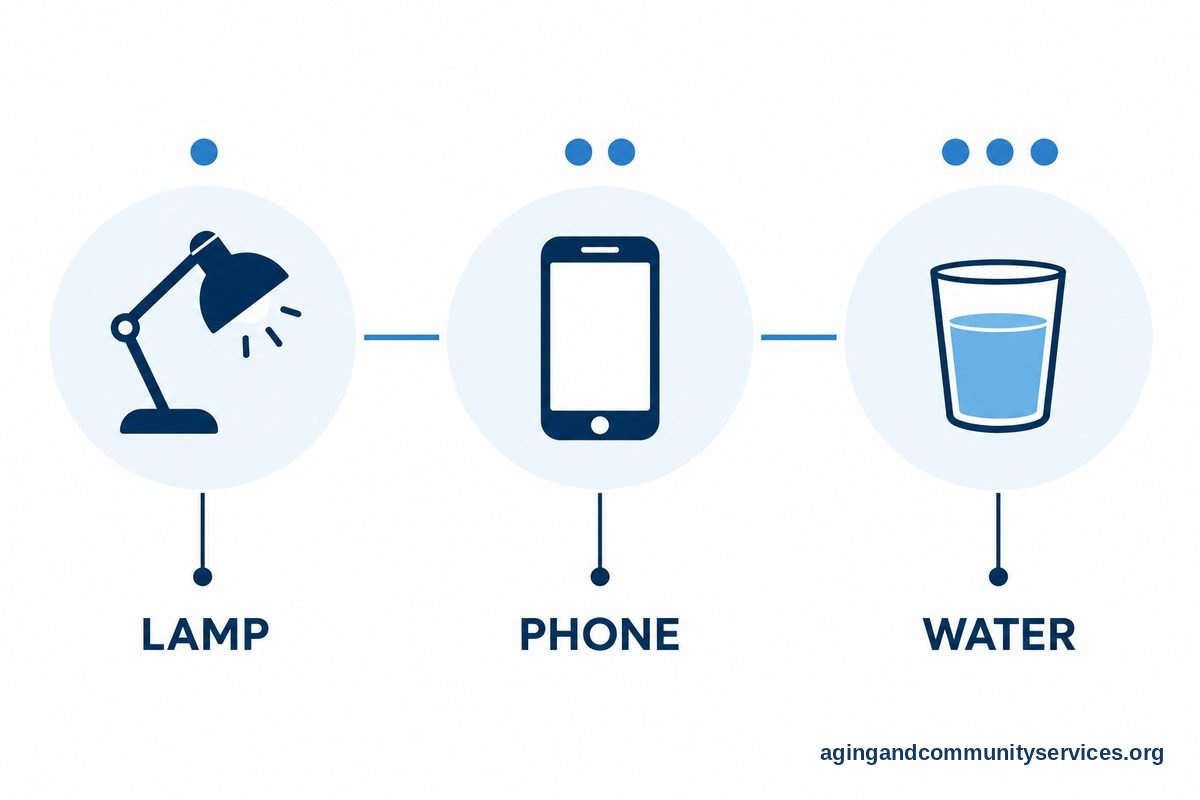
- Add a lamp, phone, and water within easy reach from the bed.
- Move shoes, bags, laundry, and pet beds away from nighttime walking paths.
- Replace unstable nightstands or small tables that may tip if leaned on.
- Check that the bed height allows feet to rest flat on the floor when sitting.
- Add a night light in the bedroom, hallway, and bathroom.
- Move daily clothing to drawers or shelves that are easy to reach.
A bedroom should support rest and simple routines. If getting in or out of bed is hard, ask a doctor, physical therapist, or occupational therapist what changes may fit the person and the home.
Stairs, Hallways, and Floors
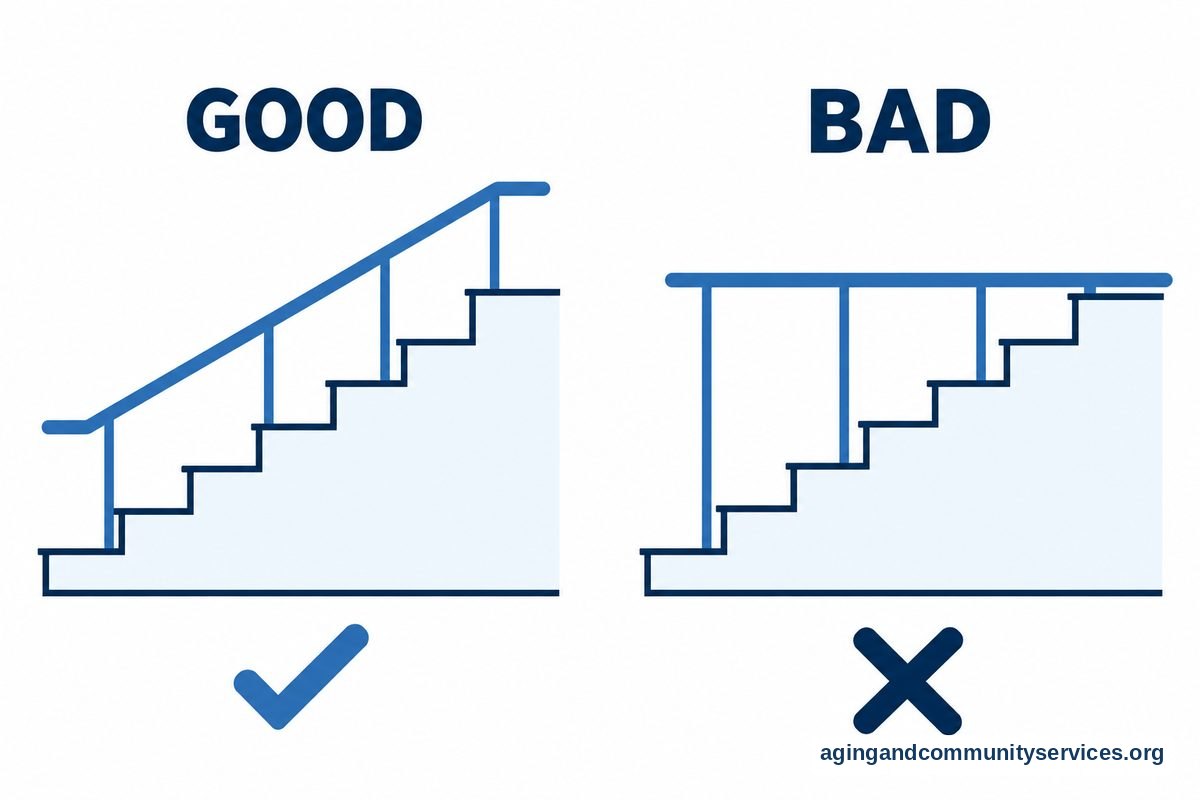
- Check that every stairway has strong handrails that are easy to grip.
- Add lighting at the top and bottom of stairs and along hallways.
- Replace worn carpet, curled edges, or loose flooring that catches shoes or walkers.
- Move cords, small tables, pet bowls, and storage bins out of hallways.
- Add contrast to stair edges if depth is hard to judge.
- Check that floors are dry, even, and free of clutter each day.
- Ask a physical therapist about safe movement if stairs are becoming tiring or uncertain.
Stairs can decide how well a home works over time. If bedrooms, laundry, or bathrooms are on different levels, families may want to review aging in place remodeling options before the layout becomes a daily burden.
Lighting, Vision, and Easy-to-Read Details
- Check that each room has enough light for reading, cooking, walking, and sorting medicine.
- Add motion lights in hallways, closets, stair areas, and bathrooms.
- Replace bulbs that are dim, flickering, or hard to reach safely.
- Move important papers, labels, and calendars to well-lit areas.
- Add large-print labels to switches, remotes, storage bins, and appliance controls.
- Check that window coverings reduce glare without making rooms too dark.
- Ask an eye care professional about lighting needs if vision changes affect daily tasks.
Good lighting supports comfort and confidence. It can also make it easier for family members to notice when a room needs repair, clearing, or a new setup.
Medicine, Health Items, and Daily Supplies
- Check that medicine is stored in one clear, dry, and easy-to-reach place.
- Add a simple list of current medicines, allergies, doctors, and pharmacy details.
- Move expired items out of the main storage area and ask a pharmacist how to dispose of them.
- Replace hard-to-open containers with easier options if a pharmacist says it is safe.
- Check that glasses, hearing aids, chargers, and mobility aids have regular storage spots.
- Add a written routine for meals, medicine times, appointments, and important tasks.
- Ask a doctor or pharmacist to review questions about medicine timing, side effects, or labels.
Daily supplies should be easy to find and use. A clear setup can reduce mix-ups and make it simpler for a helper to step in when needed.
Communication and Emergency Planning
- Check that phones are easy to reach in the bedroom, kitchen, and main sitting area.
- Add important contacts near each phone in large, clear print.
- Move chargers to safe outlets where cords do not cross walking paths.
- Replace hard-to-use phones with simpler devices if buttons or screens are difficult.
- Check that house numbers are visible from the street in daylight and at night.
- Add a plan for who to call for rides, repairs, meals, and urgent concerns.
- Contact the Eldercare Locator to ask about local services and support options.
Communication is part of independence. It helps a person stay connected to family, neighbors, care teams, and community services without needing to manage everything alone.
Support, Social Life, and Daily Routines
- Check which daily tasks feel easy, tiring, or frustrating right now.
- Add regular check-ins by phone, text, video, or short visits.
- Move appointments, errands, and chores onto a shared calendar if the person agrees.
- Replace vague offers of help with clear tasks, such as laundry, rides, meals, or yard work.
- Check whether living alone still feels comfortable, and review elderly living alone concerns if needed.
- Add social plans that fit the person, such as faith groups, clubs, classes, neighbors, or family meals.
- Ask what the person wants most at home, and let that guide the next changes.
Aging in place is not only about walls and floors. It is also about choice, dignity, familiar routines, and staying part of a community.
Home Maintenance and Seasonal Tasks
- Check smoke alarms, carbon monoxide alarms, flashlights, and batteries on a regular schedule.
- Add a list of trusted repair people, utility contacts, and nearby helpers.
- Move ladders and risky tools out of daily use if they are no longer safe to handle.
- Replace broken locks, loose doorknobs, dripping faucets, and uneven thresholds.
- Check heating, cooling, and ventilation before extreme weather is expected.
- Add a plan for snow, leaves, trash day, and other outdoor chores.
- Use a broader home safety checklist for a deeper room-by-room review.
Maintenance can be easy to put off, especially when small problems do not feel urgent. A simple schedule keeps repairs from piling up and helps the home stay comfortable.
How to Use This Checklist
Walk through the home when everyone is relaxed and there is enough daylight. A rushed visit can miss simple details, so plan for one or two areas at a time.
The person who lives in the home should lead the conversation as much as possible. Family members can help by listening, taking notes, moving light items, and arranging help for repairs. For movement, bathing, transfers, or equipment questions, ask a doctor, physical therapist, or occupational therapist for guidance.
Use this checklist after a move, after a change in health or mobility, before a family caregiving plan, or when daily routines start to feel harder. It also works well as part of a fuller aging in place checklist.
Review the home at least a few times during the year, and anytime the person says a task feels different. Keep the notes simple: what is working, what needs attention, who will help, and when to follow up.
Frequently Asked Questions
Why is aging in place important?
Aging in place is important because home often holds comfort, memories, routines, neighbors, and a sense of control. When the home is set up well, it can support independence while still making room for family help, paid services, and community support.
Why aging in place is important for families?
It gives families a clear way to plan instead of guessing. A checklist helps everyone see what the home needs, what the person wants, and where outside help may be useful.
Is aging in place a good idea?
It can be a good idea when the home, support system, budget, and daily needs fit together. It may not be the right choice for every situation, so families should review safety, care needs, social connection, transportation, and the person’s wishes.
What makes aging in place work well?
It usually works best with a safe home layout, reliable transportation, simple routines, social contact, and a plan for help. The plan should change as needs change.
When should we start planning for aging in place?
Start before major changes feel urgent. Early planning allows time to make small updates, compare options, talk with professionals, and respect the person’s preferences.
Who can help decide if aging in place is safe?
Family members can help with notes and planning, but some questions need professional input. A doctor, physical therapist, occupational therapist, pharmacist, contractor, or local service agency may help with specific parts of the plan.