

Bathroom safety equipment for seniors can make bathing, toileting and moving around the bathroom feel steadier and easier. The most useful items often include grab bars, non-slip mats, shower chairs, raised toilet seats and simple lighting changes.
The right mix depends on the person, the bathroom layout and what parts of the routine feel difficult. A few well chosen products, installed in the right places, can support comfort without making the room feel clinical.
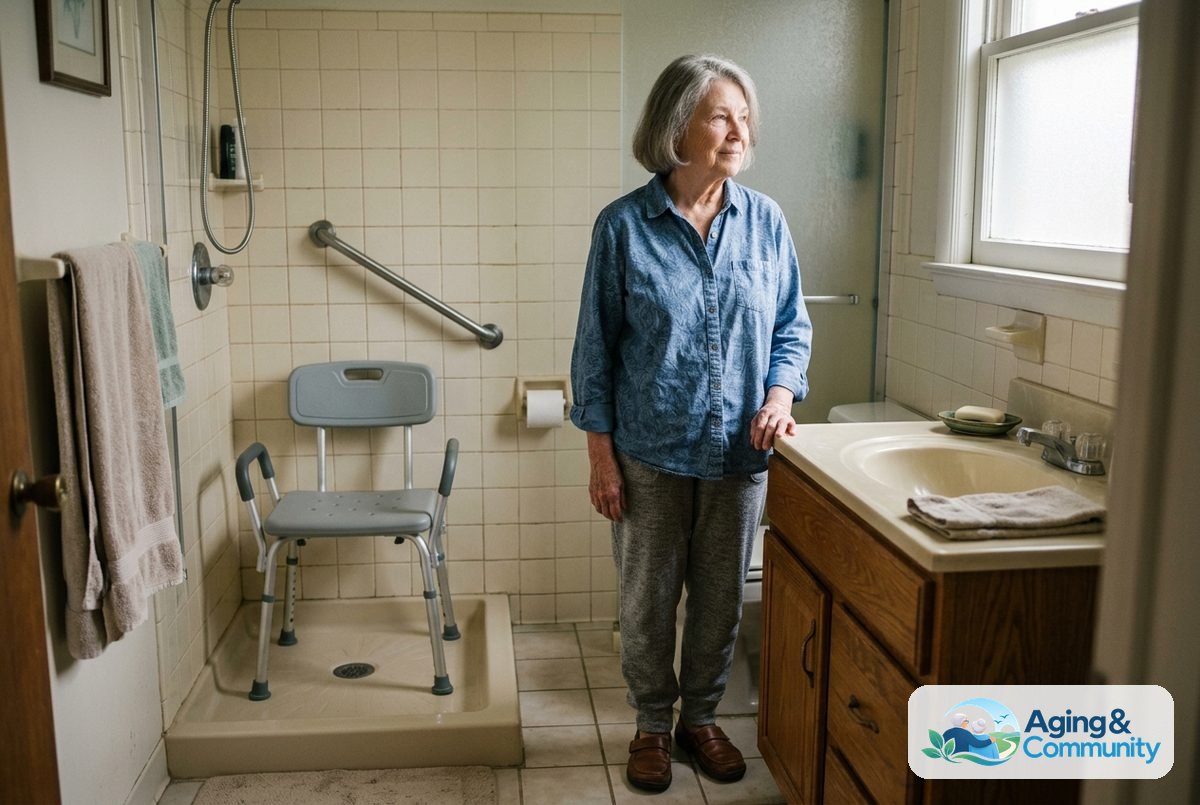
Start With The Main Bathroom Safety Needs
Before buying anything, look at the daily routine from the doorway to the sink, toilet, shower and tub. Notice where someone reaches for a towel bar, wall, counter or door frame for support. Those spots often show where a safer support may help.
The National Institute on Aging says changes at home can help lower the risk of falls, including removing hazards and adding support where needed. Its guidance on falls and home safety is a helpful starting point for a calm room by room check.
It may help to ask a few simple questions:
- Is it hard to step in or out of the tub?
- Is standing in the shower tiring or unsteady?
- Is the toilet too low or hard to get up from?
- Are floors slick after bathing?
- Is the room dim at night?
- Are towels, soap and toilet paper easy to reach?
If balance, strength, vision or pain makes bathroom routines harder, consider asking a doctor, physical therapist or occupational therapist for advice. They can suggest safer ways to move and may help match equipment to the person and space.
Grab Bars And Handholds For Steadier Movement
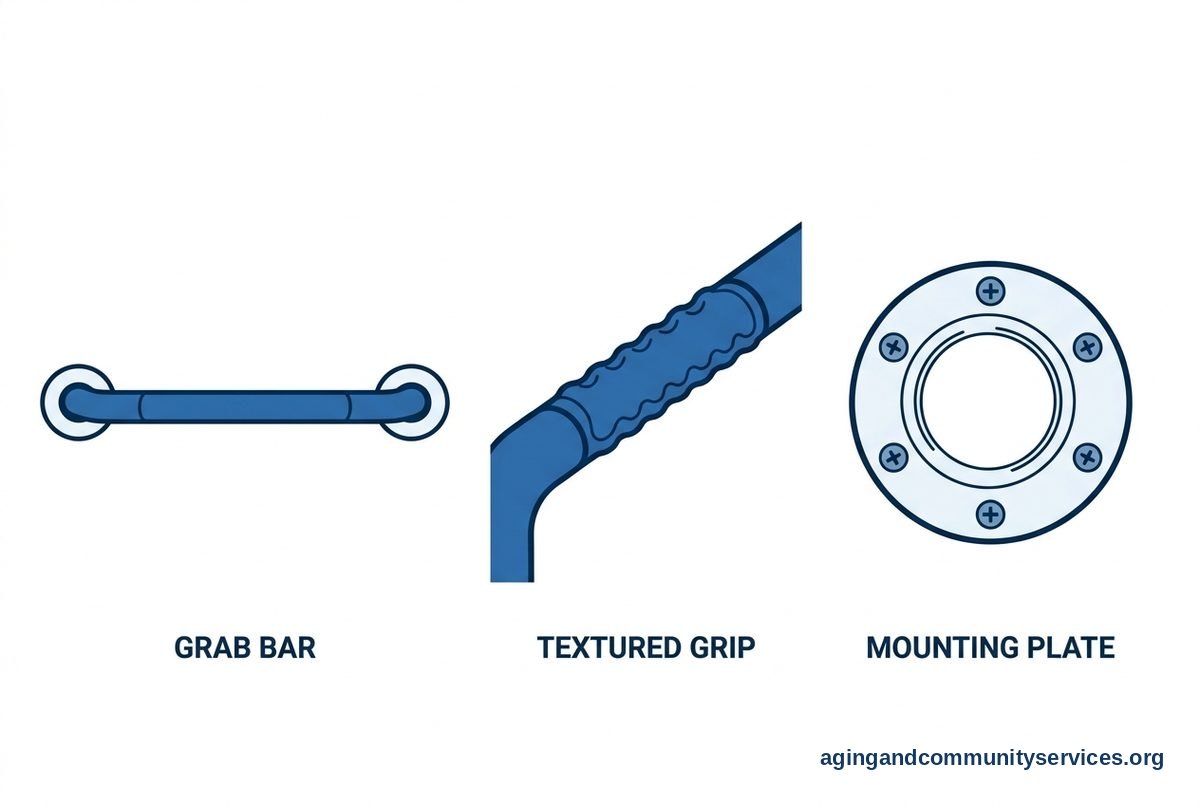
Grab bars are among the most important bathroom safety products for seniors because they give the hand a firm place to hold. They are different from towel bars, which are not made to support body weight. A properly installed grab bar can help with sitting, standing and stepping over a tub wall.
Common places for grab bars include beside the toilet, inside the shower, near the tub edge and just outside the bathing area. Some bathrooms need more than one bar because each transfer or turn may need support from a different angle.
For a deeper look at styles and placement, a guide to bathroom grab bars can help you compare wall mounted, angled and suction style options. Wall mounted bars are usually the strongest when installed into studs or with proper anchors.
Use care with suction grab bars. They may be useful as a light handhold in some settings, but they should not be treated like a permanent weight bearing support unless the product instructions clearly allow it and the surface is suitable. Check them often because suction can loosen.
Helpful grab bar tips include:
- Choose bars with a textured or easy grip surface.
- Place bars where the person naturally reaches.
- Use a trained installer if wall structure is uncertain.
- Avoid relying on towel bars, sink edges or shower doors.
- Check hardware from time to time for looseness.
Shower Chairs, Benches And Bathing Supports
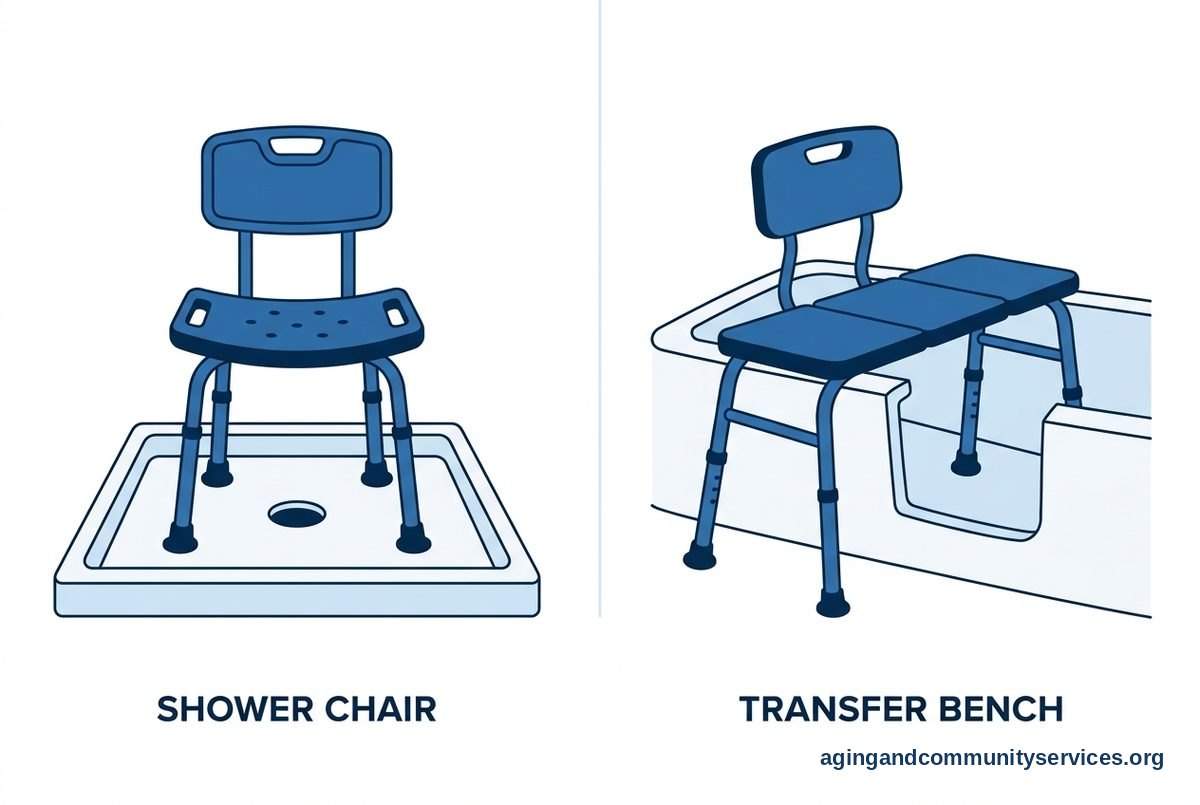
Standing in a wet shower can be tiring. A shower chair or transfer bench gives a seated option for washing, resting and managing bathing supplies. This can make the routine feel less rushed and more controlled.
A basic shower chair sits fully inside the shower or tub. A transfer bench extends over the tub wall, so the person can sit first and then move their legs into the tub area. A bench may be helpful when stepping over the tub wall is the hardest part.
Look for a chair or bench with non-slip feet, a stable frame and a height that allows feet to rest flat. Armrests and a back may add comfort for some people. The seat should fit the shower or tub without rocking, blocking the drain or making the space too tight.
If you are comparing options, a guide to shower chairs can explain common features such as backrests, arms, padded seats and transfer styles. Always check product size against the actual tub or shower floor before ordering.
Bathing supports work best when paired with good setup. Keep soap, shampoo and towels within easy reach. A handheld shower head may also help because the person can rinse while seated instead of turning and stretching.
Non-Slip Mats, Flooring And Water Control
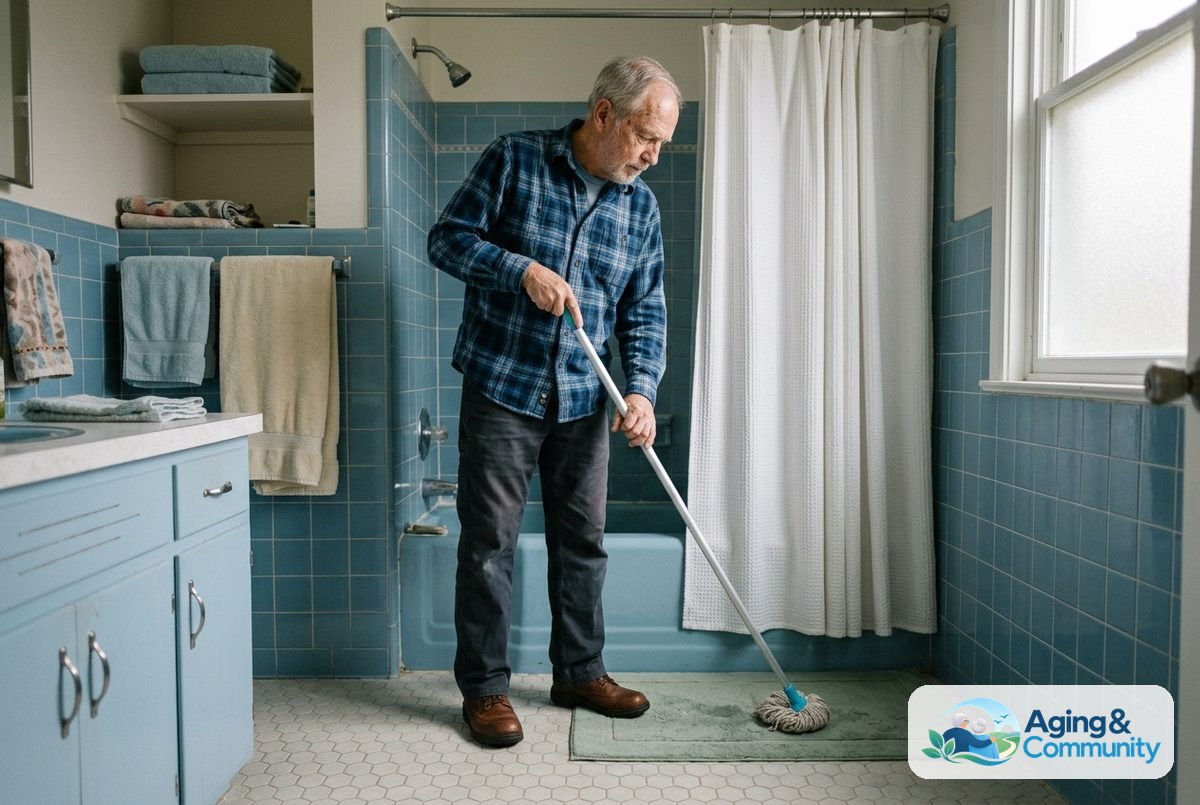
Wet floors are a common concern in bathrooms. Non-slip mats and good water control can make walking and standing feel more secure. The goal is to reduce slick surfaces and keep clear walking paths.
Inside the tub or shower, choose a mat or strips made for wet surfaces. The bottom should grip well and the top should give traction under bare feet. Outside the bathing area, use a mat with a non-skid backing that lies flat and does not curl at the edges.
A guide to non-slip bath mats can help you understand differences between rubber mats, fabric bath rugs and adhesive strips. No mat is useful if it slides, bunches or creates a tripping point.
Water control also matters. A shower curtain or door should keep water inside the bathing area. Towels should be close enough to reach before stepping onto the floor. If water often pools in one area, the mat may need to move, or the shower setup may need adjustment.
Simple habits can help:
- Dry the floor after bathing.
- Replace mats that curl, crack or lose grip.
- Keep bath products off the floor.
- Use a stable caddy instead of loose bottles on ledges.
- Leave a clear path from the shower to the door.
Toilet Safety And Everyday Accessories
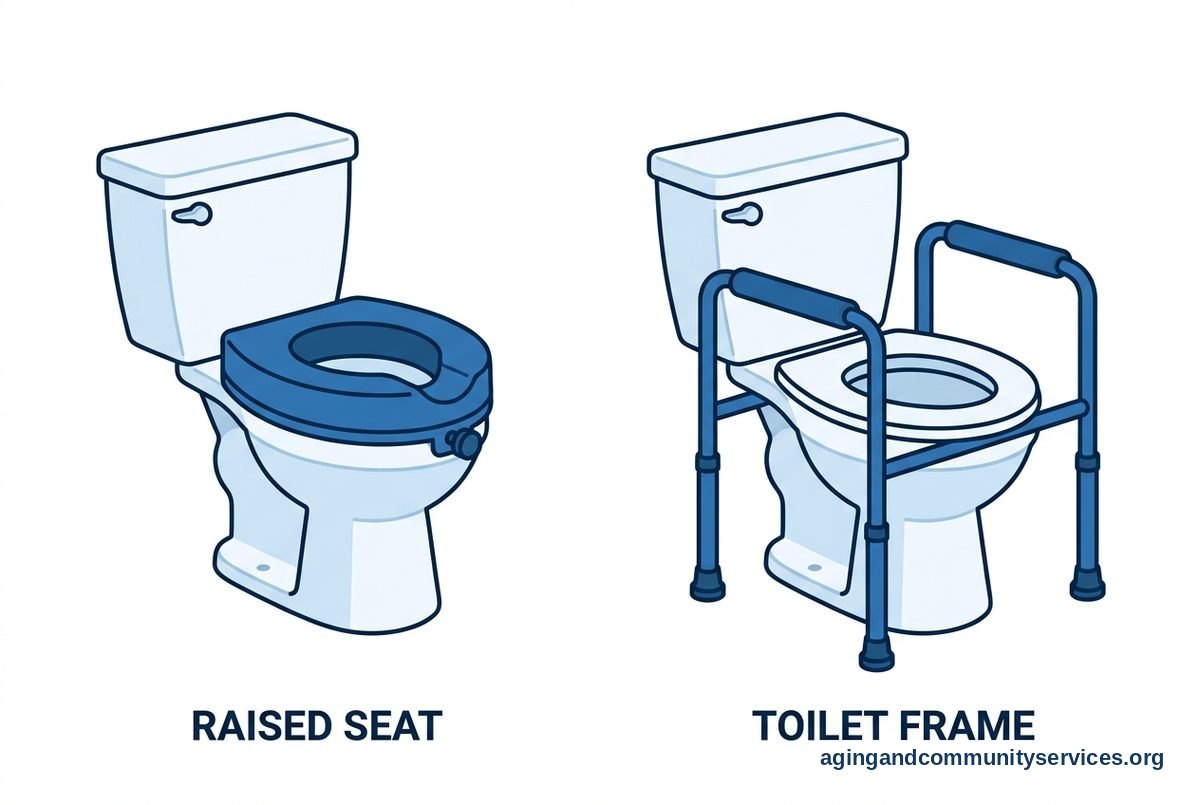
Toileting can be one of the hardest bathroom tasks when the toilet is low or there is nothing solid to hold. Raised toilet seats, toilet safety rails and bedside commodes used over the toilet may help with sitting and standing. The right option depends on height, space and how much support is needed.
A raised toilet seat adds height to the existing toilet. Some models include arms, while others work with separate rails. Toilet safety frames sit around the toilet and provide handles on both sides. The handles should feel firm and should not crowd the knees or block cleaning.
For more detail, a guide to bathroom toileting aids can help explain common choices. If the person has hip, knee, back or balance concerns, ask a physical therapist or occupational therapist about proper seat height and safe transfer habits.
Other bathroom safety accessories for elderly family members may include a handheld shower head, long handled sponge, soap dispenser, easy reach towel hook and night light. These items are simple, but they can reduce bending, twisting and reaching.
Keep the bathroom organized. Store daily items between shoulder and hip height when possible. Move rarely used items out of the room if they crowd the counter, floor or shower area.
Lighting, Layout And Small Changes That Matter
Good equipment works better in a bathroom that is easy to see and move through. Bright, even lighting helps with nighttime trips and morning routines. A plug in night light or motion light can make the path clearer without needing to search for a switch.
Check the route from the bedroom to the bathroom. Loose rugs, cords, laundry baskets and small furniture can make the walk harder. Safety products for seniors in the bedroom may include a bedside lamp, clear floor path, stable footwear and a bed rail only when it is appropriate and safely installed.
The National Institute on Aging also shares practical ideas for aging in place, including looking at home layout and support needs over time. The bathroom is important, but the bedroom, hallway and doorway matter too because they are part of the same routine.
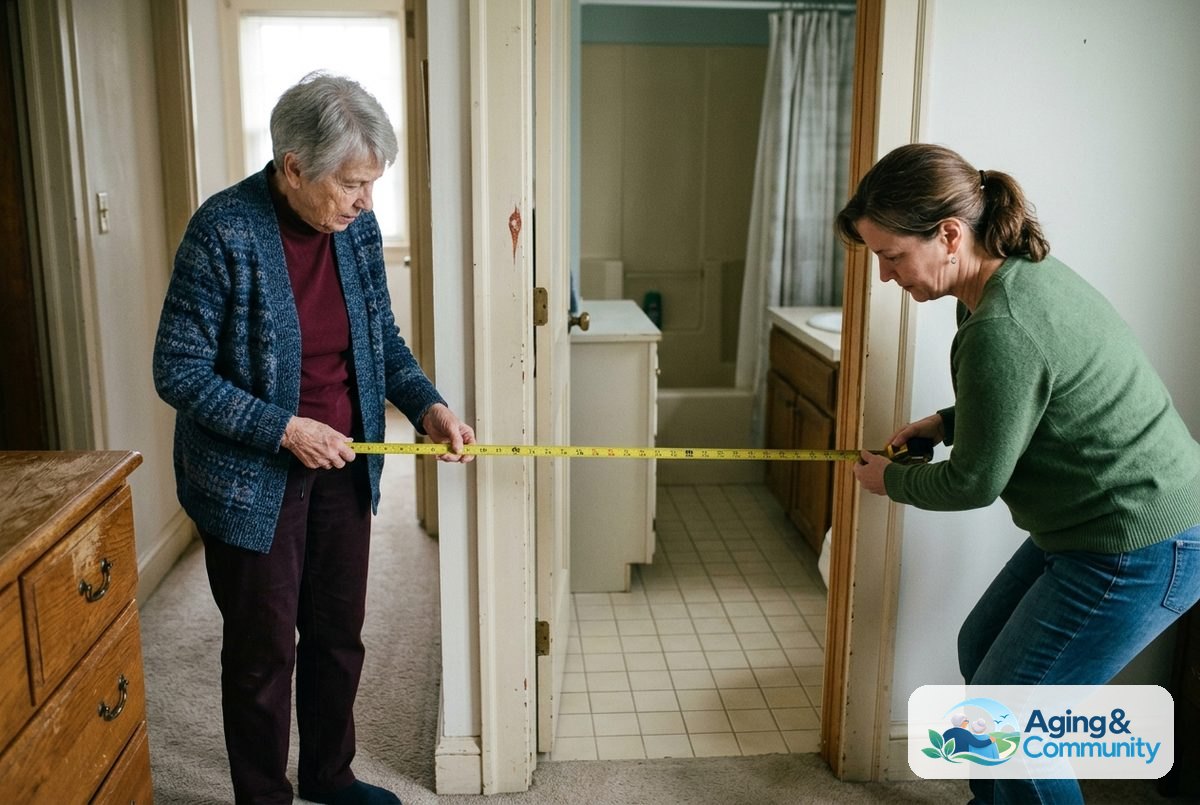
If a walker, cane or wheelchair is used, measure turning space and doorway width before adding large equipment. A transfer bench, toilet frame or storage shelf may help in one bathroom and get in the way in another. Fit matters as much as the product type.
It can help to take photos of the bathroom before shopping. Photos make it easier to compare product sizes, ask questions and share the setup with a professional if needed.
How To Choose Products Without Overbuying
Bathroom safety equipment should solve a real problem in the daily routine. Buying too many items at once can make the room crowded. Start with the biggest challenge and build from there.
Use this simple table as a planning guide:
| Need | Products To Consider | What To Check |
|---|---|---|
| Hard to stand in shower | Shower chair, handheld shower head | Seat height, floor space, non-slip feet |
| Hard to step over tub wall | Transfer bench, grab bar | Tub width, doorway swing, safe placement |
| Hard to rise from toilet | Raised toilet seat, toilet safety rails | Toilet shape, seat height, handle stability |
| Slick floor | Non-slip mat, adhesive strips | Grip, flat edges, easy cleaning |
| Nighttime bathroom trips | Night lights, clear path, bedside lamp | Light placement, cords, hallway clutter |
Read product instructions before use. Check weight limits, floor surface requirements and installation steps. If a product must be screwed into a wall, use the correct hardware and consider professional installation.
Comfort matters too. A product that feels awkward, cold, too narrow or hard to clean may not be used. When possible, involve the person who will use the equipment in choosing the style, height and placement.
A broader guide to bathroom safety can help you think through the whole room, not just single products. The best setup is usually the one that supports real habits and fits the home.
What You Can Do Next
Start with a quiet walk through the bathroom during the time of day it is used most. Notice lighting, wet areas, places where someone reaches for support and items that are hard to reach. Write down the top two or three concerns instead of trying to fix everything at once.
- Remove loose clutter from the floor and tub edge.
- Replace sliding or curled mats with flat non-slip options.
- Add lighting for the path from bedroom to bathroom.
- Choose one support product for the hardest task, such as bathing or toileting.
- Ask a doctor, physical therapist or occupational therapist about equipment fit if movement, pain or balance is a concern.
- Recheck the setup after a few days of normal use.
If you are helping a parent or spouse, talk through the changes first. Respect personal routines and privacy. Small changes are easier to accept when they feel practical, not forced.
Frequently Asked Questions
What bathroom safety equipment for elderly family members is most useful?
The most useful items are often grab bars, a shower chair or transfer bench, non-slip mats and toilet safety supports. The right choice depends on the person and the bathroom. Start with the task that feels hardest, such as stepping into the tub or standing from the toilet.
What safety products for seniors in the bathroom should be installed first?
Start with items that add stable support and reduce slick surfaces. Grab bars near the toilet and bathing area, a secure bath mat and better lighting are common first steps. If showering is difficult, add a shower chair or transfer bench.
Are bathroom safety products for seniors hard to install?
Some are simple, such as non-slip mats, handheld shower heads and shower chairs. Others, such as wall mounted grab bars, need careful installation. If you are not sure where studs are or what anchors to use, hire a qualified installer.
How do I choose senior bathroom safety products for a small bathroom?
Measure before buying and focus on compact items that solve one clear need. A wall mounted grab bar, narrow shower chair or toilet safety frame may fit better than larger equipment. Make sure doors, drawers and walking paths still have room to move.
What bathroom safety accessories for elderly people help with daily comfort?
Helpful accessories may include a handheld shower head, long handled sponge, easy reach towel hook, soap dispenser, shower caddy and night light. These items can reduce reaching and bending. They work best when placed where the person naturally uses them.
What safety products for seniors in the bedroom support bathroom trips?
Bedroom changes can support the path to the bathroom. Consider a bedside lamp, motion night light, clear walkway, stable slippers and a bed height that makes standing easier. Keep cords, loose rugs and clutter away from the route.